2027 Online Human Services Degrees for Patient Advocate Roles

Co-Founder and Chief Data Scientist
When juggling full-time work and caregiving duties, aspiring patient advocates in human services often face a bottleneck: finding degree programs that balance flexibility with industry-aligned rigor. This challenge intensifies as employer expectations evolve, demanding both academic credentials and practical skills.
Recent data from the National Center for Education Statistics show that nearly 45% of adult learners select online programs primarily for scheduling flexibility, a response to the growing need to integrate education with complex life obligations. This shift highlights a critical tradeoff prospective students must weigh between program accessibility and the depth of hands-on training essential for patient advocacy.
This article evaluates online human services degrees designed to equip patient advocates, focusing on program structures, career outcomes, and strategic enrollment choices to help candidates navigate this essential balance.
Key Things You Should Know
- Online human services degrees offer lower upfront costs but data from the National Center for Education Statistics show 42% of graduates face underemployment within two years, urging candidates to weigh financial savings against immediate workforce integration challenges.
- Employers surveyed by the National Association of Social Workers in 2025 increasingly require practical client engagement hours, making program clinical placements or internships critical for employment despite online delivery's inherent limitations.
- Completion timelines extend 15% longer on average for fully online human services degrees per a 2024 Department of Education report, impacting career pivot timing and cumulative earnings potential compared to hybrid or in-person formats.
What is an online human services degree and how does it prepare you for patient advocate roles?
Completing an online human services degree designed for patient advocacy is a deliberate response to the sector's operational complexity, not simply an academic endeavor. Graduates often must reconcile system navigation with interpersonal negotiation, such as advocating for patients to clarify insurance claims or resolve provider disputes-tasks requiring precise procedural knowledge alongside adaptable communication skills. This pragmatic orientation shapes how programs prepare student advocates, with core training spanning case management, ethical decision-making, and crisis intervention.
The curriculum typically integrates applied psychology, social policy, and community resource navigation, foundational for tailoring assistance to varied patient needs. Importantly, this knowledge must be coupled with cultural fluency, given the diverse demographic landscape of U.S. healthcare. Employers prioritize these competencies as they directly impact patient satisfaction metrics and reduce costly readmissions.
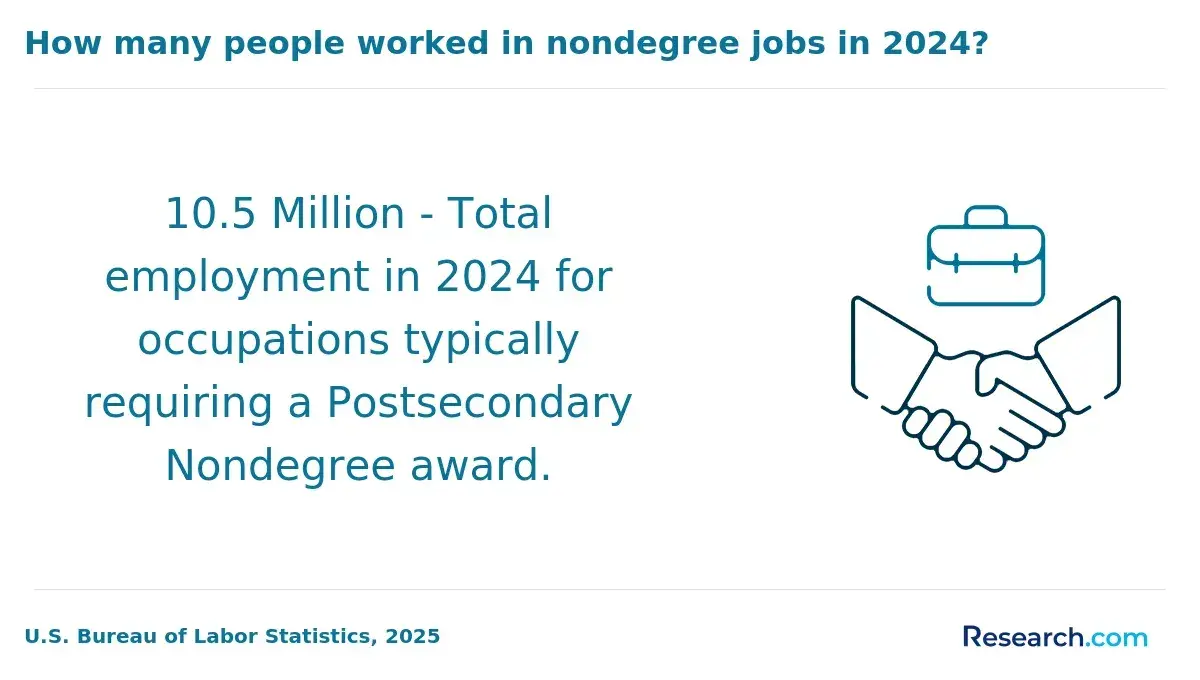
Recognizing that many candidates pursue this field while balancing work and family, the online delivery format aligns with these realities through scheduling flexibility, though it demands self-motivation and compensates for limited immediate hands-on experience via locally arranged practicums or internships. Considering the labor market outlook-with community and social service roles projected to add over 300,000 openings between 2024 and 2034-this pathway offers stability but requires strategic evaluation of program quality and real-world applicability.
For those assessing options, this analysis of how an online masters in human services programs prepare patient advocates assists in distinguishing programs oriented toward measurable skill acquisition from those less aligned with workforce demands.
What education level and type of degree do you need to become a patient advocate?
Employers typically require a bachelor's degree in nursing, social work, health administration, or human services for patient advocate roles, reflecting the complex knowledge necessary to navigate healthcare systems and legal frameworks. While associate degrees can open doors to entry-level or support positions, they restrict advancement opportunities and exposure to multifaceted case management. For working professionals considering a strategic shift, an online human services degree for patient advocate roles offers a flexible pathway that combines practical training with theoretical grounding.
Degree programs incorporating internships or practicums focused on healthcare policy and patient interaction better prepare graduates for real-world challenges. For instance, a social work bachelor's graduate with clinical training might specialize in elder care advocacy, whereas nursing graduates often bring essential clinical insights to hospital-based positions. This practical orientation aligns with employer expectations favoring candidates who understand interdisciplinary collaboration and insurance nuances.
Graduate degrees such as a master's in public health improve prospects for leadership and policy roles but are not mandatory for entry-level jobs. Certifications like the Certified Patient Advocate enhance credentials but cannot replace formal education. Candidates must weigh degree costs and time against steady labor market demand, projected at 4-7% growth with approximately 12,600 openings through 2032.
Human services bachelor's degree for patient advocacy careers integrates skills relevant to diverse healthcare environments, balancing workforce demand with meaningful career mobility.
How do online human services programs compare with on-campus options for future patient advocates?
Online human services degree benefits for patient advocates manifest primarily through flexible scheduling, allowing employed students to continue working while pursuing credentials. However, the discrepancy in practical networking and hands-on learning between online and on-campus formats affects readiness and employability. For instance, on-campus programs in urban settings often provide direct clinical site rotations and agency partnerships critical for patient advocacy roles, which employers value highly. Online learners typically must secure these opportunities independently, adding complexity and potential delays to gaining essential experience.
Decision-makers face a tradeoff: on-campus programs offer more consistent access to face-to-face client engagement and employer connections, crucial for advocacy positions within healthcare organizations emphasizing multidisciplinary teamwork. In contrast, online students gain versatility but require self-discipline to engage with virtual practicums or community projects, which may lack the immediacy and direct supervision of traditional formats.
Salary data reflect the specialized value of these graduates, with median annual wages for community and social service workers-including patient advocates-at $57,530 in May 2024, outpacing the overall median wage nationally. To bridge experiential gaps, online learners should target local internships or volunteer work strategically.
Prospective students weighing program options should consider these operational realities, especially if their goal is to pivot careers or remain competitive in advocacy roles. Comprehensive analysis of program design-including practical components and employer networks-is imperative. For additional insights on accelerated pathways in related fields, visit accelerated social work programs.
Which accreditation and program quality indicators matter most for online human services degrees?
Employment decisions heavily favor graduates from online human services programs with strong regional accreditation confirmed by U.S. Department of Education-approved agencies. This accreditation serves as a baseline quality filter reflecting adherence to strict academic and operational standards. Additionally, programmatic accreditation from entities like the Council for Standards in Human Service Education (CSHSE) ensures curriculum relevance to workforce demands, which is critical for roles such as patient advocates. The emphasis on accreditation touches directly on quality indicators for online human services programs, influencing employer confidence in candidate readiness.
Beyond accreditation, workforce managers scrutinize outcome data such as graduation rates and placement success. For instance, an online program reporting 85% employment within six months versus one with a 50% graduation rate markedly shifts hiring likelihood and career trajectory. These outcome differentials matter in practical terms, especially for professionals balancing current work with degree pursuits.
Cost considerations must be weighed against demonstrated returns. For example, Purdue Global's per-credit tuition of $371 for an online human services bachelor's totals roughly $44,520 for 120 credits. Students should assess such investments in the context of flexible scheduling options that accommodate employed learners, especially asynchronous formats or accelerated paths that do not compromise accreditation or outcome quality. This balance is a decisive factor in sustaining progress without career disruption.
Practical evaluation steps include:
- Confirm regional accreditation and CSHSE or equivalent programmatic standards.
- Investigate program-specific outcomes like on-time graduation and employment placement.
- Compare tuition and related costs against documented outcomes to estimate return on investment.
- Assess availability of flexible scheduling suited to existing job demands.
For those researching pathways aligned with real workforce needs, exploring online degrees for remote jobs can provide additional perspective on flexibility and career integration options.
What core courses and specializations best support a career in patient advocacy?
Programs focused on online human services degrees that prepare candidates for patient advocacy must prioritize applied knowledge over theory-heavy coursework. Core classes in health policy, psychosocial assessment, and healthcare communication are essential for navigating complex medical environments and responding to real-world challenges. Specializations such as chronic disease management and mental health counseling align with employer demand for advocates familiar with social determinants of health and healthcare regulations.
Understanding healthcare law and insurance processes is critical, as advocates frequently encounter bureaucratic barriers. For example, those working in oncology often rely on insurance navigation expertise to expedite treatments delayed by claim disputes. Similarly, mental health-focused advocates coordinate care across patients, therapists, and insurers to improve outcomes.
Strong training in data collection and program evaluation is favored by employers who expect advocates to measure patient outcomes effectively. This skill set ties into supervisory roles, as social and community service managers-common advancement positions for advocates-reported a median wage of $78,240 in 2024 according to the U.S. Bureau of Labor Statistics. However, theory-heavy programs lacking practicum components may hinder readiness for these roles.
Practical experience through internships or fieldwork in clinical or community settings remains a critical differentiator, enabling students to bridge the gap between academic knowledge and the realities of patient advocacy work.
What are typical admission requirements and application materials for online human services programs?
Admission to online human services programs targeting patient advocate roles requires more than just meeting baseline academic qualifications. Candidates without formal degrees must demonstrate relevant professional or volunteer experience to remain competitive, reflecting employer preference for practical understanding over purely academic credentials. For instance, applicants shifting careers benefit from submitting detailed resumes that foreground healthcare or social work exposure, as these backgrounds align closely with patient advocacy demands.
Standard submissions include a completed application, official transcripts, and often standardized test scores, though many programs have dropped this last requirement to accommodate nontraditional students. Additionally, candidates must submit personal statements elucidating career motivations and their grasp of patient advocacy's ethical complexity. Letters of recommendation-usually two-support interpersonal skills and readiness for this sensitive field.
Prerequisite coursework in psychology, sociology, or healthcare ethics is frequently mandated either before admission or early in the program, impacting working professionals balancing study and job duties. Programs also require criminal background checks owing to patient confidentiality and regulatory compliance.
From a workforce perspective, healthcare social workers earn an average salary of $56,810 annually, creating significant competition for limited program enrollment. Technical readiness for online learning platforms is increasingly verified to ensure candidates can manage virtual study effectively. These layers of admissions criteria collectively filter for applicants who demonstrate both practical experience and the capacity to navigate the evolving healthcare environment.
How long do online human services degrees take and what do they typically cost?
Degrees in human services require careful consideration of time and financial investment against career outcomes. Associate degrees typically take around two years full-time, while bachelor's programs extend three to four years, often longer for part-time students juggling work. This timeline influences both direct costs and indirect expenses, such as lost wages, which can significantly affect net return on education.
Tuition varies broadly, but public community colleges offer the most cost-efficient routes. For example, Reynolds Community College charges $176 per in-state credit hour for its associate degree, summing to roughly $10,700-$10,900 for the full program, excluding additional fees and living costs. By contrast, four-year institutions usually demand upwards of $10,000 annually for tuition alone, increasing financial strain for many learners.
Employers increasingly prioritize practical competencies alongside formal credentials in healthcare and social service fields. Students may benefit from supplementing degrees with certificate programs or stackable credentials that enhance employability without the extended timelines associated with traditional degrees.
Key considerations include:
- Balancing accelerated vs. flexible pacing according to personal circumstance, recognizing that intense programs may overwhelm working adults.
- Assessing program length alongside total cost, including opportunity costs tied to time out of the workforce.
- Evaluating the specific demands of patient advocate roles, which often require experience or advanced qualifications beyond entry-level degrees for competitive salaries.
What patient advocate job titles, work settings, and career paths can these degrees lead to?
Human services degrees targeting patient advocate roles often lead to positions such as patient advocate, health advocate, case manager, and client services coordinator. Employment spans hospitals, outpatient clinics, nonprofits, government agencies, insurers, and long-term care facilities. These roles require navigating complex healthcare systems, understanding patient rights, and coordinating care plans to enhance outcomes.
A typical career path might begin with direct patient support roles like discharge planning in hospitals, progressing toward supervisory or program management positions. Conversely, working in government roles may shift the focus toward influencing health policy affecting vulnerable populations. This bifurcation highlights practical differences in day-to-day tasks and advancement opportunities within the field.
Compared to social work, human services degrees usually yield lower median wages-social workers earned $61,330 in 2024 per the U.S. Bureau of Labor Statistics-largely due to fewer clinical and licensure pathways. This gap reflects tradeoffs in clinical responsibility and employment scope, which prospective students must assess against broader accessibility in human services roles.
Employers emphasize relevant healthcare experience, social determinants of health comprehension, and legal knowledge such as HIPAA compliance. Internships focused on healthcare environments are critical for skill development and competitiveness. Navigating these elements effectively can determine success in securing specialized or cross-sector positions within human services.
What is the salary range and job outlook for patient advocates and related roles?
Salary outcomes for patient advocates vary notably by experience, employer type, and regional market conditions, typically ranging from $40,000 at entry-level to $75,000 for experienced professionals. Those starting as community support workers often earn near the lower boundary, while advocates embedded in larger hospital systems or insurance companies may surpass it, contingent on additional credentials. For example, advocates employed within expansive Medicaid programs in certain states encounter stronger wage growth and advancement opportunities than peers in rural clinics where funding and IT infrastructure remain limited.
The projected growth in healthcare-related social assistance jobs is driven by demographic shifts and expanding patient-centered care models, increasing demand for advocates proficient in both interpersonal skills and digital health platforms. Employers expect familiarity with electronic health records and case management software as baseline competencies, so educational programs integrating technical skills with advocacy methodologies offer a more competitive edge.
Deciding on an educational pathway requires weighing several factors: location influences employment prospects; digital fluency affects salary trajectory; and pursuing certifications linked to emerging health technologies improves long-term adaptability. Those aiming for roles in higher-paying organizations should anticipate investing in technical training beyond entry-level credentials, balancing cost and time against potential returns.
- Entry positions often pay around $40,000 annually.
- Experienced advocates in large healthcare systems can earn up to $75,000 or more.
- Growth is strongest in states with expanded Medicaid and integrated community health services.
- Technical skills in health IT platforms significantly impact career progression and earnings.
Are there certifications or licensing options that strengthen patient advocate careers in human services?
Certification and licensing critically shape career trajectories for patient advocates with online human services degrees, often defining eligibility for supervisory or specialized roles. For example, the Certified Patient Advocate (CPA) credential is a practical benchmark employers in hospitals, insurance, and nonprofits use to identify proficiency in healthcare systems, patient rights, and ethical standards. Without such credentials, advocates risk stagnation, as entry-level social and human service assistants earn a median wage of $45,120, while certified professionals can rise above $60,000 annually according to the U.S. Bureau of Labor Statistics.
Employers prioritizing roles in patient navigation or dispute resolution seek candidates with recognized certifications for assured compliance and confidentiality management. Advancing into niches like elder care or mental health advocacy typically requires targeted licensing or ongoing education, which demands strategic planning beyond initial degree completion.
Key considerations for prospective advocates include:
- Securing foundational certification soon after earning an online human services degree to align with employer expectations.
- Planning for specialty credentials that match the intended patient population or sector.
- Understanding that formal credentials often outweigh experience alone in regulated healthcare settings.
This phased credentialing approach mitigates career bottlenecks and supports wage growth, especially in clinical or regulatory environments where verified competence is mandatory.
Other Things You Should Know About Human Services
Many online human services programs offer flexible scheduling, part-time options, and academic support resources, such as virtual tutoring and advising, to accommodate full-time working students. Additionally, some schools provide access to peer support networks to help students manage their responsibilities effectively.
Field experience or practicum components are often mandatory but vary widely in structure and support. Some online programs place the burden on students to secure local placements, which can be a significant hurdle. Selecting a program with established partnerships and clear practicum supervision frameworks improves learning quality and employability. Adequate practicum experience often weighs heavily with employers looking for practical skills beyond theoretical knowledge.
A bachelor's degree is the baseline qualification to enter many patient advocate roles, but employers increasingly prefer candidates with certifications such as Certified Patient Advocate (CPA) or specialty credentials. Investing in supplemental certifications enhances job prospects and can lead to higher compensation. If budget or time is limited, prioritize programs that integrate certification preparation within the curriculum.
Lower-cost online human services degrees can reduce upfront expenses but sometimes come from institutions with less industry recognition, potentially limiting employer interest. Conversely, higher-priced programs with strong reputations often have established employer networks and career services, improving job placement rates. Evaluate whether the premium for program brand and resources justifies the expected return on investment based on your target employers and career goals.
References
- FAQ https://www.cshse.org/faq
- 11 Types of Healthcare Careers - Education & Requirements https://nursinglicensemap.com/resources/healthcare-careers/
- Certificate of Patient Advocacy - The Beryl Institute https://theberylinstitute.org/body-of-knowledge-overview/body-of-knowledge-certificate-programs/certificate-of-patient-advocacy/
- Human Services Degree Online | Bachelor in Human Services https://www.montreat.edu/online/human-services/
- Patient Advocacy (Concentration) https://www.assumption.edu/undergraduate/patient-advocacy-concentration
- Guide to bachelor's in human services | edX https://www.edx.org/bachelors/human-services
- Associate Degree - Human Services - Online | Monroe University https://www.monroeu.edu/academics/undergraduate-programs/school-criminal-justice/online-associate-degree-human-services
- Career profile: Patient advocates aka health advocates — Remote-First Coaching https://www.remotefirstcoaching.com/blog/career-profile-patient-advocates-aka-health-advocates
- Join our Team - Patient Advocate Foundation https://www.patientadvocate.org/get-involved/career/
- Board Certified Patient Advocate - PACB Home - Get Certified https://www.pacboard.org/