2027 Online Human Services Degrees With Community Outreach Concentrations

Co-Founder and Chief Data Scientist
Professionals navigating human services careers increasingly face the challenge of balancing ongoing job demands with the need for advanced education tailored to community outreach. Nearly 40% of adult learners prioritize flexible scheduling according to the National Student Clearinghouse Research Center, reflecting a significant shift toward online education to accommodate work and family commitments. This trend signals a broader transformation in how aspiring specialists access credentialing while maintaining employment. For those aiming to pivot or advance within human services, identifying programs that integrate practical outreach training without sacrificing flexibility becomes paramount. This article examines online degrees with community outreach concentrations to guide effective educational choices that align with career realities.
Key Things You Should Know
- Community outreach concentrations in online human services degrees often extend program duration by 20% due to added fieldwork, impacting time-to-employment and total tuition costs by an average of $4,500, per education cost datasets.
- Employers prioritize candidates with verified community engagement-56% of human services managers prefer graduates who completed outreach-specific practicums, emphasizing real-world skill application over purely academic credentials, according to workforce surveys.
- The sector faces a 9% annual growth in outreach roles requiring knowledge of social determinants; thus, degrees aligned with this niche yield a 15% higher mid-career salary but limit versatility in broader human services positions, per labor statistics.
What is an online human services degree with a community outreach concentration?
Pursuing an online human services degree programs with community outreach focus equips professionals to navigate complex social environments where engagement strategies and program management determine impact. Unlike generalist degrees, this community outreach concentration emphasizes skill sets such as strategic communication, resource coordination, and client advocacy, directly responding to employer demands for measurable outcomes in underserved populations.
Core coursework often includes crisis intervention, grant writing, and cultural competence, integrating applied learning with theory to prepare students for challenges unique to community-facing roles. For example, a social and community service manager in a rural health outreach program leverages this training to design targeted programs and manage funding streams effectively, aligning with the median manager wage of $78,240 reported by the U.S. Bureau of Labor Statistics in May 2024.
Students must anticipate logistical challenges, particularly securing relevant internships or practicums, which require proactive networking despite the flexibility of an online format. This is crucial because upward mobility-from entry-level casework to leadership-is contingent on demonstrated practical experience, with a median wage of $57,530 for community and social service occupations.
Prioritizing program accreditation, faculty expertise in community engagement, and access to field partnerships ensures credentials meet complex employer expectations. Professionals interested in related fields may also explore mental health counseling online masters to complement their community outreach training.
How do online human services programs in community outreach work compared to campus options?
Online human services programs with community outreach concentrations demand deliberate strategies to offset the absence of on-campus networking and informal peer engagement. Unlike campus cohorts where spontaneous interactions and face-to-face mentorship cultivate critical interpersonal skills, online students must rely on structured synchronous meetings, discussion boards, and often seek local practicum sites independently. This requirement frequently poses practical challenges-those without established local connections face hurdles securing community-based fieldwork, a cornerstone for developing the soft skills employers in community and social service roles prioritize.
Employers expect applicants to present verifiable hands-on experience alongside strong interpersonal competencies, which online learners must proactively document. This sometimes leads to extended program timelines as students pursue internships or volunteer roles to fulfill practicum expectations. The projected 313,700 annual job openings from 2024 to 2034 in these sectors emphasize the premium placed on genuine community engagement during training.
Choosing between online and campus human services community outreach degrees entails weighing accessibility against the capacity to develop situational judgment and trust vital in community work. For students managing employment or family obligations, online formats offer flexibility, but campus programs inherently support real-time assessment and leadership development. Strategic planning to secure local placements and supplement online instruction with live interaction remains essential for true workforce readiness. Prospective students may consult this list of CACREP accredited programs to align program selection with career goals and practical constraints.
What accreditation and program quality standards should these online degrees meet?
Selecting an online human services degree based solely on cost or convenience risks missing critical accreditation standards that directly impact workforce readiness and professional credibility. Regional accreditation recognized by the U.S. Department of Education confirms institutional legitimacy and access to federal aid, while specialized accreditation from bodies like the Council for Standards in Human Service Education (CSHSE) ensures alignment with essential competencies such as ethics and cultural competence. These layers of quality matter when employers require proof of practical training embedded in curricula.
Community outreach program quality benchmarks emphasize supervised fieldwork or practicum placements to bridge classroom theory with real service environments. For instance, nonprofit health outreach roles demand skills in program evaluation and local resource coordination that classroom-only programs seldom provide. Transparent outcomes data on job placement and licensure passage reflects a program's relevance in preparing graduates for immediate employment, especially when median salaries for roles like social and community service managers range from $74,240 to $78,240 annually.
Without verified accreditation and experiential learning, graduates may face limits on certification eligibility and reduced competitiveness for leadership positions. Those navigating human services degree accreditation standards must weigh these tradeoffs against institutional reputation and curriculum rigor. Prospective students can compare options by exploring resources such as the cheapest cswe-accredited online MSW programs for insight into affordability within accredited pathways.
What courses and skills are typically included in a community outreach concentration?
Programs with a community outreach program curriculum prioritize skills that directly address practical challenges in diverse outreach environments. Students learn strategic communication and program design, emphasizing core competencies in advocacy, grant writing, and community assessment necessary for measurable impact. This focus aligns with employer expectations requiring proficiency in data-driven evaluation to secure and justify funding.
Key skills for human services outreach professionals include conflict resolution and motivational interviewing to engage marginalized populations effectively. Legal and ethical frameworks are embedded throughout coursework, as outreach approaches must adapt to variable state and federal regulations. For instance, rural health initiatives rely heavily on telehealth and digital literacy, whereas urban programs focus more on crisis management and inter-agency coalition building.
Structured practicum experiences expose students to real-world constraints such as budget limitations and stakeholder coordination, reflecting common operational realities. The future workforce outlook remains positive, with a 7% growth projected in community health roles from 2023 to 2033, supported by the Bureau of Labor Statistics via Eastern Oregon University.
Prospective students weighing the balance of cost and outcome may also consider the cheapest online master's in human resources programs, which can offer alternative pathways overlapping with outreach and community engagement skills.
What admission requirements and application materials do online human services programs expect?
Applying to online human services programs requires balancing academic qualifications with practical workforce expectations. Most four-year programs expect at least a high school diploma and sometimes a minimum GPA near 2.5 on a 4.0 scale. However, adult learners or those with prior credits often benefit from waived SAT/ACT requirements, facilitating career pivot opportunities without redundant standardized testing.
Applicants must compile a comprehensive packet including
- Official transcripts showing relevant coursework and readiness
- Personal statements clarifying motivation, career goals, and community experience
- Letters of recommendation from academic or professional supervisors acquainted with social service environments
- Proof of residency or citizenship when applying to public institutions, a factor that can affect tuition costs
Background checks or practicum clearance may be mandatory, highlighting the necessity of documented volunteer or work experience for hands-on roles serving vulnerable populations. For instance, a mid-career professional seeking to transition into community outreach must ensure their application reflects both formal education and verifiable social service involvement to meet these gatekeeping measures.
Financially, in-state public institutions offer a significant cost advantage with average off-campus tuition around $15,200, contrasted with private schools charging over double. This disparity influences decisions especially where employer tuition aid or borrowing capacity is limited, making admissions requirements a pivotal element not only academically but financially for sustainable career paths in human services.
How long do online human services degrees take and what do they cost?
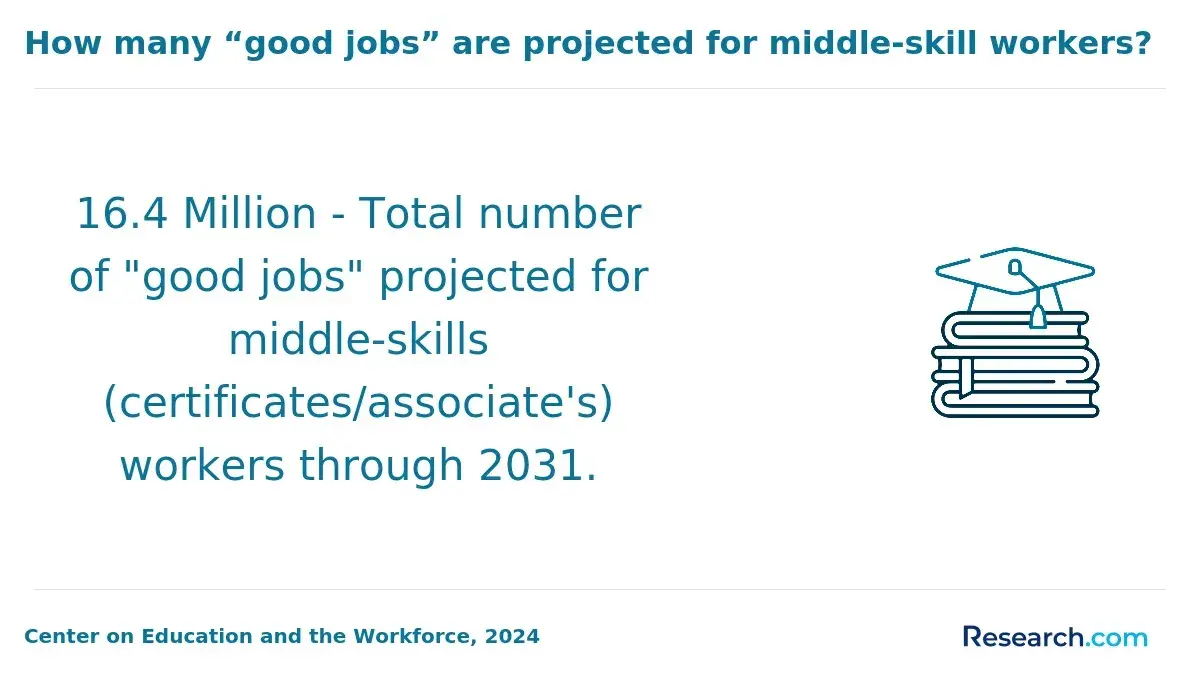
Choosing between associate and bachelor's degrees in human services involves clear tradeoffs in time, cost, and career trajectory. Associate programs, typically two years, enable quicker entry into frontline roles such as case management but limit specialization and upward mobility. Bachelor's degrees require three to four years, offering broader training essential for supervisory or clinical responsibilities, though they come with increased time and financial investment.
Tuition costs remain a significant variable. For example, the University of Arizona's online program charges $460 per credit as of October 2024, approximately $1,000 less annually compared to the national average for similar four-year programs. Such savings, roughly $9,200 over a 40-credit year, can materially impact working adults balancing education and income.
Additional expenses - technology fees, textbooks, practicum placements - often add 10-20% on top of tuition, complicating budget planning. Prospective students should assess financial aid options early to minimize debt.
- Associate degrees suit candidates needing rapid certification for immediate workforce entry.
- Bachelor's degrees remain necessary for advancement beyond entry-level, particularly in government and non-profit sectors.
- Employers expect bachelor's credentials for supervisory roles, making continued education a strategic consideration for those starting with shorter programs.
Deciding on human services education demands weighing whether immediate employment or long-term career growth aligns best with personal circumstances and financial realities.
What jobs can you get with an online human services degree in community outreach?
Graduates of an online human services degree with a community outreach concentration face a job market that demands adaptability, interpersonal skill, and practical experience. Typical roles-social and human service assistants, community outreach coordinators, case managers, and program facilitators-serve as vital connectors between vulnerable populations and essential resources. The median wage for social and human service assistants sits near $45,120 annually, with a 6% job growth projection through 2034, reflecting stable but regionally variable demand across nonprofits, healthcare, and public agencies.
Community outreach coordinators often operate in public health or nonprofit sectors, handling targeted awareness campaigns or program access, requiring sophisticated communication and strategic planning skills. Case managers must navigate complex service systems, supporting clients in housing, employment, or healthcare access, which often involves mandatory internships or practicum hours to meet workplace requirements. This creates a significant decision point for prospective students weighing the flexibility of online learning against the logistics of securing local field placements.
Employment opportunities tend to be more accessible in rural or underserved areas, though usually with lower compensation and limited benefits. Advancement beyond entry-level positions frequently hinges on additional certifications or graduate degrees, especially for roles involving program management or grant administration.
- Strong cultural competence and adaptability remain key hiring qualities.
- Local internship availability should be confirmed early to avoid graduation delays.
- Demand is rising in areas addressing mental health, substance abuse, and social equity.
What salary ranges and advancement opportunities exist in community outreach roles?
Salary progression in community outreach roles within human services hinges strongly on acquiring specialized skills and leadership experience. Entry-level coordinators typically earn between $40,000 and $50,000 annually, with regional and agency size differences impacting these figures. Transitioning to supervisory or program management roles can push salaries above $78,000, as reported by EduMed for community service managers. This jump entails mastering competencies such as grant writing, data analysis, budget oversight, and stakeholder engagement.
For instance, public health departments often require program administrators to demonstrate fiscal responsibility and cross-sector collaboration, increasing salary bands by 25% or more compared to delivery-level staff. Nonprofits with federal funding prioritize candidates skilled in outcomes measurement, affecting both compensation and job security. However, this upward mobility usually demands advanced education-such as a master's degree in Human Services or nonprofit management credentials-and proven impact in fiscal and programmatic outcomes.
Geographic pay disparities present a critical consideration; metropolitan areas offer higher wages but incur greater living costs, necessitating a careful net-benefit analysis. Prospective professionals should also recognize that employers expect measurable results and established networks when moving into management, limiting rapid salary growth absent demonstrable achievements.
- Starting salaries: $40,000-$50,000 for outreach coordinators
- Management roles: Average $78,240 with supervisory duties (EduMed)
- Skills to develop: Grant writing, data analysis, budget management, outcomes measurement
- Education preference: Master's in Human Services or nonprofit management credentials
- Regional impact: Higher salaries in urban areas offset by living costs
Are licenses or certifications needed for community outreach and related human services careers?
Licensure requirements in human services vary significantly by role and state, shaping career trajectories and timelines. Clinical positions like Licensed Clinical Social Workers (LCSW), substance abuse counselors, or mental health practitioners demand state-issued licenses that include supervised hours and passing stringent exams. For example, obtaining an LCSW typically involves completing a master's degree plus 2-3 years of supervised clinical experience before licensure eligibility.
In contrast, many community outreach roles focused on advocacy, program coordination, or public education do not legally require such licenses but benefit from voluntary certifications like the Certified Community Outreach Professional (CCOP). Employers, particularly in public agencies and nonprofits, increasingly seek these credentials even for non-licensed positions, as certifications can lead to increased responsibilities and higher wages.
Prospective students should carefully assess licensing requirements in their state and intended role since clinical licensure can extend employability timelines and require substantial investment. Outreach specialists without licensing obligations face fewer entry barriers, though certifications remain valuable for professional credibility and advancement.
When planning a career pivot or entry strategy, contacting local licensure boards is advisable to avoid costly missteps. Understanding which pathways offer faster workforce access versus those that necessitate prolonged preparation is essential. Educations.com reports 142 human services degree programs globally in 2025, illustrating diverse academic options but varying licensure relevance. Aligning educational pursuits with employer expectations and regulatory environments is critical to optimizing career outcomes.
How can you choose a reputable online human services program focused on community outreach?
Programs focused on community outreach within human services must prioritize accreditation and clearly defined competencies that translate into practical skills employers require. Regional accreditation combined with recognition from the Council for Standards in Human Service Education (CSHSE) signals adherence to industry benchmarks, ensuring training aligns with workforce expectations.
For example, a professional targeting nonprofit roles will need specialized instruction in fundraising and grant writing, while those pursuing public health outreach benefit from curricula addressing health equity and policy frameworks. Programs offering integrated fieldwork or practicum experiences significantly improve job readiness by reinforcing these core competencies in real-world contexts.
The labor market shows that graduates entering community and social service roles earn a median wage of $57,530, underscoring the financial viability of quality programs. Employment outcomes matter: programs reporting strong placement rates with government agencies, healthcare organizations, or social service nonprofits demonstrate alignment with employer demand.
Prospective students must weigh flexibility options such as asynchronous learning and credit transfer. Equally important are faculty credentials reflecting active community outreach involvement, which indicates access to practical expertise rather than purely theoretical content.
Decisions invariably involve tradeoffs between cost, time investment, and networking potential. Lower tuition may reduce opportunities for essential field experience, while programs with stronger industry connections may require longer commitments but offer substantial long-term career capital.
Other Things You Should Know About Human Services
Online human services programs with community outreach concentrations require students to manage both rigorous academic content and hands-on fieldwork. Many programs integrate practicum or internship components that demand significant time alongside typical online coursework. Students must assess their ability to allocate hours for direct community engagement, often during standard working hours, which can conflict with remote classes or deadlines. Prioritizing programs that offer flexible practicum arrangements or local placement options can minimize these scheduling conflicts and improve successful completion rates.
Online human services degrees with a community outreach concentration in 2027 offer flexibility for working professionals, allowing them to balance studies with their current job. These programs often include practical, community-based experiences and can lead to diverse career paths in social services, non-profits, and government roles.
For mid-career professionals, adding a community outreach concentration can advance job prospects but depends on current role and employer needs. Those in direct service roles or nonprofit administration often benefit most, as the concentration provides specialized skills in program development and client engagement methodologies. However, if a professional's goal is management or policy work, a concentration focusing on leadership or social policy might provide stronger returns. Evaluate the specialization against your career trajectory and employer demands before committing.
Accelerated online human services degrees reduce time-to-completion but increase weekly workload due to compressed schedules. This intensifies pressure, particularly during practicum phases requiring community engagement while meeting tight academic deadlines. Students must be confident in their time management and stress tolerance before choosing accelerated tracks. Traditional pacing supports deeper absorption of material and more stable work-life balance, which can lead to better learning outcomes and stronger professional readiness.
References
- Skills for Londoners Community Outreach Programme prospectus | London City Hall https://www.london.gov.uk/publications/skills-londoners-community-outreach-programme-prospectus
- Humanity in Action: Understanding Human Services Degrees https://www.ucumberlands.edu/blog/humanity-in-action-understanding-human-services-degrees
- What Are My Career Options After a Course in Human Services? https://columbia.ca/career-options-after-a-course-in-human-services/
- The Importance of Community Outreach | Make a Difference https://www.tuw.edu/school-news/importance-of-community-outreach/
- Human Services Associate Degree | Madison College https://madisoncollege.edu/academics/programs/human-services
- Guide to bachelor's in human services | edX https://www.edx.org/bachelors/human-services
- Careers with a Degree in Human Services https://www.mhaonline.com/faq/careers-with-degree-in-human-services
- Human Services Careers | PublicHealthOnline.org https://www.publichealthonline.org/human-services/
- Human Services Degree Online | Bachelor in Human Services https://www.montreat.edu/online/human-services/
- Accreditation Guide - Quality Online Schools | Sora Schools https://soraschools.com/blog/accreditation-a-parents-guide-to-quality-online-schools