2027 Human Services Job Market Outlook Through 2030

Co-Founder and Chief Data Scientist
Faced with a rapidly aging population and increasing mental health demands, professionals targeting human services careers must navigate a complex job market marked by evolving employer expectations and diverse educational pathways. The U. S. Bureau of Labor Statistics forecasts a 12% growth in human services roles through 2030, signaling robust demand but also heightened competition. Meanwhile, data from the National Center for Education Statistics reveals a 25% surge in online enrollments in social science programs since 2023, reflecting a shift toward flexible learning models crucial for working adults balancing career advancement with personal obligations.
Assessing which credentials align with long-term employability and sector needs is imperative. This article analyzes workforce trends, educational structures, and credential valuation to guide prospective students and professionals in making informed decisions that optimize timing, accessibility, and career mobility in human services occupations.
Key Things You Should Know
- Human services roles are projected to grow 17% through 2030, outpacing average job growth; however, wage growth lags inflation by 5%, emphasizing the need for candidates to balance passion with financial sustainability.
- Employers increasingly require certification beyond associate degrees, with 62% preferring bachelor's or specialized credentials, limiting rapid entry and pressuring workforce pipelines to upgrade skill standards.
- The median cost for accredited human services programs rose 14% since 2022, creating access barriers; accelerated degree options reduce time-to-employment by an average of 8 months, benefiting career switchers under financial constraints.
What is the human services job outlook?
Employment growth forecasts for human services professionals show steady but moderate expansion, with social work roles experiencing roughly 6% growth between 2024 and 2034. This projection signals ongoing demand tied to demographic dynamics like an aging population and rising attention to mental health. However, actual job market trends for human services professionals in the US reveal uneven opportunities depending on specialization and geography, requiring strategic choices in credentialing and experience.
For example, social workers in healthcare must adapt to insurance complexities and interdisciplinary collaboration, while child and family social workers face regional funding constraints influencing job availability and mobility. Entry-level positions without clinical licenses often come with limited advancement, whereas pursuing master's degrees and clinical licensure increases access to supervisory roles but demands significant time investment, including 2-3 years of education and supervised practice.
Key workforce implications include:
- Meeting licensing deadlines and maintaining continuing education requirements to remain competitive.
- Leveraging employer partnerships or internships to gain priority access to job pipelines.
- Aligning specialization choices with regional labor market needs to reduce competition.
Prospective candidates should weigh these tradeoffs carefully, recognizing that the long-term career stability projected by the BLS involves upfront financial and temporal costs. For those considering advanced credentials, exploring options like online doctoral programs in counseling can offer flexible pathways to meet evolving employer expectations in a competitive job market.
Which human services careers are growing fastest?
Social and human service assistant roles reflect one of the fastest growth sectors in human services careers with fastest growth in the United States, expanding at 8% from 2023 to 2033 with roughly 48,400 annual openings. This surge primarily arises from escalating healthcare needs and expanded social support driven by aging populations. Candidates entering these roles often select shorter educational paths, such as certificates or associate degrees, enabling quicker workforce entry but requiring strong interpersonal skills to manage complex, high-stress client interactions.
Effective hiring practices favor practical experience, including internships or volunteer work, illustrating that education alone may not suffice for employment competitiveness. Direct-care positions in mental health, substance abuse, and rehabilitation require specialized certifications and sometimes licensure, balancing the demands of ongoing training and emotional labor against career stability, often within nonprofit or government settings.
Regional labor market dynamics heavily influence both job availability and salary potential, making research on top growing human services job opportunities by region essential to targeting roles where demand and funding are robust, typically larger urban centers. Progression beyond entry roles usually mandates bachelor's or master's degrees to access case management, counseling, or administrative positions, which increase earning potential but extend educational timelines and financial investment.
For candidates considering clinical counseling pathways, understanding the types of therapist degrees provides critical insight into long-term vocational tradeoffs and credential requirements within the human services landscape.
What jobs can you get with a human services degree?
A human services degree offers entry to roles such as case managers, social service assistants, and community outreach coordinators, yet the field demands more than foundational knowledge. For example, a case manager supporting veterans must adeptly navigate benefits systems while crafting personalized care strategies-blending factual knowledge with situational problem-solving.
Such positions frequently require certifications or supervised experience, meaning graduates need planned pathways toward credentials like Licensed Social Worker or Certified Case Manager, shaped by state requirements and sector specifics. This practical dimension is critical for those exploring job opportunities with a human services degree.
Employment projections reveal targeted growth rather than broad expansion. The Maine Center for Workforce Research and Information forecasts 2,600 new healthcare support jobs from 2020 to 2030, mainly driven by elder care demand. Candidates focused on healthcare roles must weigh physical demands and irregular schedules against job longevity, highlighting the tradeoffs between immediate employment and sustainable career health.
Beyond direct care, degree holders can pursue nonprofit administration, grant writing, or policy analysis, but success in these areas requires supplemental skills like data literacy and advanced communication. Employers also emphasize proven experience with vulnerable populations, making internships or volunteer hours crucial. Financial considerations are significant since starting salaries often fall between $30,000 and $45,000, necessitating careful budgeting and sometimes supplemental training.
Human services require navigating complex regulations and stressful contexts. Developing resilience and cultural competence is essential. Given the need for ongoing skill development, professionals interested in advancing through pathways such as online MSW programs affordable should evaluate options carefully, balancing education costs with employment outcomes and certification requirements.
Do human services programs need accreditation?
Program accreditation requirements in human services directly influence employment prospects and licensure eligibility, as employers and regulatory bodies increasingly prioritize candidates from accredited education pathways. Graduates from non-accredited programs may face significant barriers, including denied transfer credits, ineligibility for federal financial aid, or outright exclusion from jobs that demand recognized credentials. This is particularly relevant in behavioral health, case management, and social support roles where risk and regulatory oversight are heightened.
State agencies administering federally funded human services initiatives often mandate that staff hold credentials derived from programs meeting accreditation standards for human services education. In practical terms, this means that choosing an unaccredited certificate program might expedite workforce entry but at the expense of longer-term mobility and licensure opportunities. Conversely, fully accredited degree programs embed essential fieldwork hours and ethics training, aligning with workforce readiness benchmarks and helping to address projected shortages through 2030.
The contrast between shorter, non-accredited certificates and comprehensive, accredited degrees presents a strategic tradeoff for prospective students balancing cost, time, and professional flexibility. Those seeking a significant career pivot should also consider quality indicators when exploring online masters programs in human resource management as a related pathway to broaden their credentials and improve marketability.
Should you choose an online or campus human services program?
Choosing between online and campus-based human services programs requires weighing access against hands-on experience critical for licensure and employment. Working professionals benefit from online formats that allow continuation of employment and gaining credentials valued by employers focused on practical experience aligned with sectors such as mental health and addiction care, projected for strong growth through 2030.
However, certain roles-like clinical addiction counseling-often mandate in-person practicum hours unavailable in fully online tracks, making campus programs indispensable for meeting state certification standards. The tradeoff includes logistical factors: campus attendance demands relocation or commuting, added costs, and less flexible schedules compared to self-paced online study.
Online programs require disciplined time management and reliable technology but support maintaining employment and real-world agency experience. Campus programs offer direct instructor feedback, structured learning, and facilitated networking with local employers, enhancing market competitiveness in some regions. Hybrid models integrate digital flexibility with mandatory face-to-face components, addressing mixed credential requirements.
Assess how state licensure boards accept online coursework aligned with your specialization. Consider employer preferences in your target job market, especially for agencies prioritizing on-site field experience. Data from accredited institutions and workforce analyses suggest prioritizing programs partnered with agencies experienced in mental health or addiction service placements to secure practicums essential for employability and credentialing. The decision hinges on realistic capacity for in-person engagement, the precise credential pathway, and balancing employment with educational commitments.
What coursework is in a human services degree?
A human services degree blends social science foundations with applied skills to prepare students for demanding workforce realities. Programs focus heavily on psychology, sociology, and counseling techniques, essential for navigating diverse client needs in environments marked by high turnover and complex cases. The Bureau of Labor Statistics projects roughly 794,500 openings annually in personal care and service sectors, driven largely by replacement needs, underscoring the importance of practical readiness over theoretical knowledge alone.
Core coursework extends into case management, ethics, and crisis intervention, equipping graduates to handle volatile situations, especially in mental health and rehabilitation settings. Practicum components are common, mirroring employer expectations for direct client engagement and administrative responsibilities such as documentation and compliance. This hands-on experience is critical for roles like substance abuse counseling, where behavioral health insights impact both hiring and on-the-job performance.
Students targeting child welfare or elder care should prioritize developmental psychology and gerontology to meet niche employer demands. Balancing theory with administrative skills aligns with agency requirements aiming for workforce stability amid ongoing turnover. Selecting programs with current curricula addressing social challenges and robust fieldwork access can materially improve employment timelines and job retention in a competitive labor market.
What admission requirements do human services programs have?
Entry into human services programs typically balances academic credentials with measurable practical experience, a combination critical to navigating workforce demands. Certificates and associate degrees require a high school diploma or GED, while bachelor's and advanced degrees necessitate completed undergraduate coursework. However, admission is rarely determined by academics alone-applicants who demonstrate relevant work or volunteer experience in community or social-support settings significantly improve their prospects.
Applicants targeting roles such as community mental health must clear state-specific licensure steps that extend beyond academic prerequisites, including background checks and clinical hour minimums. Some programs mandate standardized tests like the SAT or GRE, although these may be waived for seasoned professionals or those with strong academic records. Increasingly, admissions rely on practical demonstrations, such as written statements or case-study analyses, reflecting employer emphasis on applied competencies.
Prospective students without prior experience often confront the hurdle of preparatory internships or certificate courses to meet baseline skills, especially those shifting from unrelated fields. This additional step can delay completion and entry into the workforce, emphasizing the importance of early alignment between program prerequisites and employer expectations. Specialized program requirements-for example, immunization or counseling prerequisites in clinical tracks-must be factored into planning to avoid lost time and opportunity costs.
How long does a human services degree take?
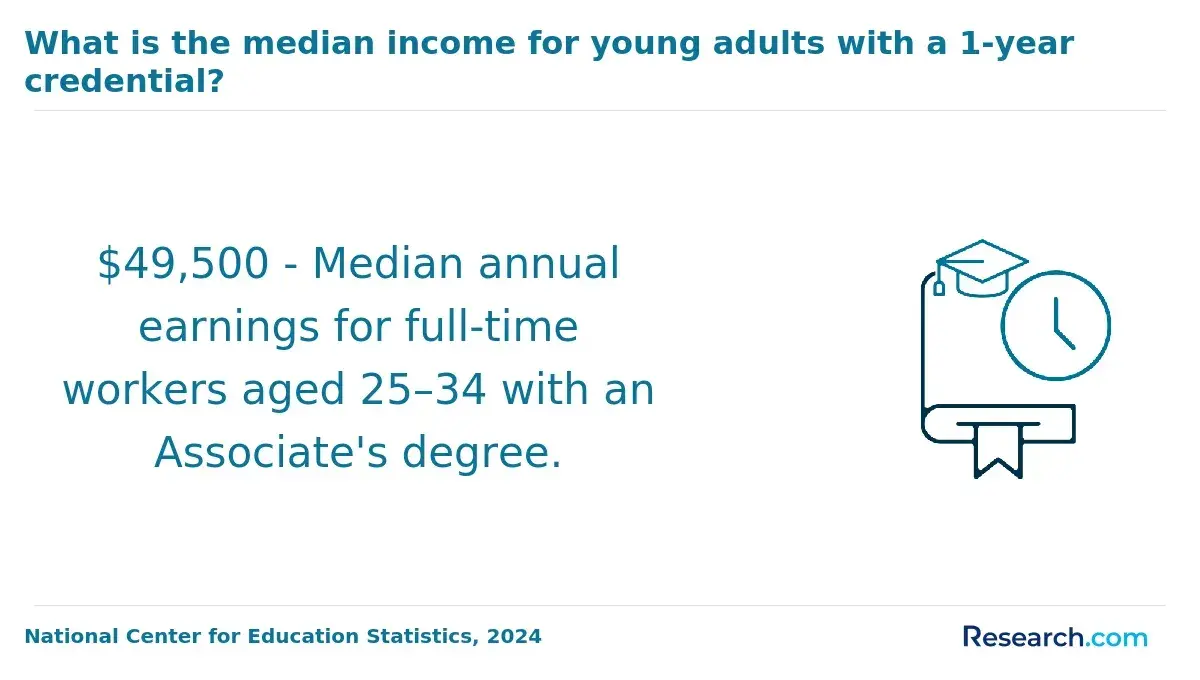
The duration of a human services degree directly shapes access to roles and career trajectory within a competitive labor market. For example, earning an associate degree typically spans around two years full-time, enabling entry to frontline roles like case management assistants. However, this shorter pathway often restricts advancement opportunities, especially within government agencies and nonprofits that increasingly require bachelor's degrees for supervisory posts or specialized casework.
A bachelor's degree usually requires four years of study and prepares graduates for higher-responsibility positions such as program directors. The extended timeline demands greater financial and time commitments but expands eligibility for roles with elevated expectations and compensation. Working professionals pursuing part-time or online options may extend completion by one to two years, which can delay potential earnings and slow career movement.
Key considerations include:
- Employers value internships and practicum experience, adding to program length but critical for real-world skills.
- Regional job markets like Maine anticipate steady openings-approximate 75,000 annually-favoring candidates who balance credential depth with timely entry.
- Credential choice should weigh immediate employment needs against qualifications required for longer-term advancement.
Strategic planning is necessary to align degree timelines with employer credential expectations and practical hands-on training requirements, ensuring realistic pathways to sustainable roles in human services.
How much can human services graduates earn?
Earnings within human services vary sharply based on role, credentials, and employer sector, requiring strategic career choices. For instance, licensed social workers command a median annual wage of around $61,330, contrasting starkly with social and human service assistants whose median salary is closer to $41,410. This gap stems chiefly from differing education levels and licensing requirements.
Choosing a position in healthcare or government agencies often results in higher pay and better benefits compared to nonprofits, which largely employ assistant-level staff with lower compensation. A hospital social worker's salary, often exceeding $65,000 annually, illustrates this trend, while community outreach coordinators typically earn near $40,000. Graduates must balance these wage differences with considerations of job stability, work hours, and advancement paths.
For quicker workforce entry, assistant roles requiring certificates or associate degrees provide immediate employment but with limited upward salary mobility. In contrast, pursuing state licensure and bachelor's degrees unlocks clinical case manager or social worker roles with improved financial rewards but also entails added licensure hurdles and ongoing education.
Geographic cost-of-living variation and employer investment in professional development further influence take-home pay and long-term earning potential. Sound career planning in human services hinges on aligning credentials to market demand and sector-specific compensation structures to avoid stagnation and optimize real-world outcomes.
What certifications help human services careers?
Licensing and certifications shape entry and advancement in human services careers with notable divergence based on job function and employer type. Licensed Social Worker (LSW) and Licensed Clinical Social Worker (LCSW) credentials are essential for clinical roles within healthcare, mental health, and community agencies, requiring an MSW degree, extensive supervised practice, and successful state exams. Candidates must weigh the 4-5 year cumulative investment against the relative job security and public funding streams these licenses enable.
Nonclinical roles or organizations with tighter budgets often prioritize different certifications. For example, Certified Alcohol and Drug Counselor (CADC) and Certified Rehabilitation Counselor (CRC) credentials support specialized treatment positions but demand 2,000 to 4,000 hours of verified fieldwork-often a flexible alternative to clinical licensure pathways. Meanwhile, trauma-informed and crisis intervention certifications, usually attained through brief courses, meet nonprofit preferences, especially in geographically varied employer landscapes.
Human services professionals without clinical licensure may pursue National Certified Human Services Professional (NCHSP) credentials, which validate essential competencies but rarely replace licensure where therapy or counseling is mandated. This specificity influences job eligibility and salary potential significantly.
A practical consideration: resolving whether to invest years in an MSW and clinical licensing or target shorter certifications hinges on intended role, local regulations, and client populations served. Choosing credentials aligned with these parameters avoids credential inflation while ensuring market relevance and smoother career mobility within human services.
Other Things You Should Know About Human Services
The workload in human services can be demanding due to the high volume of clients and the complexity of their needs. Employers often expect professionals to manage extensive caseloads while providing individualized support, which can lead to burnout if time management and boundary-setting skills are not developed. Prioritizing ongoing training in efficient assessment and intervention techniques helps practitioners remain effective without sacrificing care quality.
Practical experience is often a decisive factor for employers, sometimes more than formal education alone. Direct fieldwork exposes candidates to real situations involving crisis management, resource coordination, and interagency collaboration. Students and career changers should prioritize programs that integrate comprehensive internships because these experiences enhance job readiness and expand professional networks critical for securing employment.
An advanced degree enhances career opportunities and may be vital for advancement in human services by 2026. Leadership roles and specialized positions often require advanced qualifications, reflecting the growing complexity of client needs and organizational structures in the field.
Choosing specialization versus a generalist approach depends on employment market demand and personal career goals. Specialized roles in areas like substance abuse or mental health often offer higher salaries and clearer advancement tracks but require additional certifications and ongoing education. Generalists have broader job options and flexibility but may face slower upward mobility and wage growth. Evaluating local labor market trends and employer preferences can guide whether to focus deeply or maintain versatility.
References
- What Are My Career Options After a Course in Human Services? https://columbia.ca/career-options-after-a-course-in-human-services/
- Employment https://odphp.health.gov/healthypeople/priority-areas/social-determinants-health/literature-summaries/employment
- Future of Jobs Report 2025: 78 Million New Job Opportunities by 2030 but Urgent Upskilling Needed to Prepare Workforces https://www.weforum.org/press/2025/01/future-of-jobs-report-2025-78-million-new-job-opportunities-by-2030-but-urgent-upskilling-needed-to-prepare-workforces/
- Bachelor's in Human Services https://www.monroeu.edu/academics/undergraduate-programs/school-criminal-justice/bachelors-human-services
- Human Services Credential https://sites.highlands.edu/human-services/human-services-credential/
- Council for Standards in Human Service Education | Council for Higher Education Accreditation https://www.chea.org/council-standards-human-service-education
- Guide to bachelor's in human services | edX https://www.edx.org/bachelors/human-services
- Advanced Human Services Certificate https://catalog.nhti.edu/human-service/certificate/advanced-human-services-certificate
- Is a Human Services Degree Right for You? https://www.ucumberlands.edu/blog/is-a-human-services-degree-right-for-you
- Health & Human Services https://www.publichealthdegrees.org/specializations/human-services/