2027 Human Services Career Paths With the Best Advancement Potential

Co-Founder and Chief Data Scientist
Mid-career practitioners in human services often confront a critical bottleneck: how to break through stagnant roles when traditional credentialing systems prioritize extended time commitments and rigid in-person attendance. This challenge is compounded by recent data from the National Center for Education Statistics showing a 24% surge in adult enrollment in online accelerated programs since 2023, indicating a shift toward flexible learning but also creating complexity in choosing programs that genuinely open doors to advancement rather than merely offering convenience.
Navigating these evolving educational landscapes while aligning studies with employer expectations directly influences career mobility and wage growth. This article evaluates human services career paths with the highest advancement potential, focusing on education formats, credential relevance, and labor market alignment to guide decisive, practical career advancement strategies.
Key Things You Should Know
- The 15% projected job growth for human services managers through 2031 (BLS 2024) concentrates in community mental health, forcing candidates to prioritize master's degrees over associate credentials despite higher debt, limiting access for low-income entrants.
- Employers increasingly require specialized certifications in trauma-informed care and data analytics, doubling hiring rates for candidates with interdisciplinary expertise versus generalist profiles, reshaping workforce credential standards.
- Advanced leadership roles typically mandate 5+ years of frontline experience before promotion eligibility, creating a bottleneck that extends time-to-advancement by 40% compared to sectors without experience prerequisites, affecting strategic career pacing.
What are the main human services career paths with the strongest long-term advancement potential?
Long-term growth in human services career paths with strong advancement opportunities centers on clinical social work, healthcare case management, mental health counseling, and community program leadership-each demanding strategic credentialing and diversified skills beyond frontline roles. The U.S. Bureau of Labor Statistics anticipates approximately 313,700 annual openings in community and social service occupations through 2034, with median wages at $57,530 exceeding the overall occupational median of $49,500.
Advancement trajectories often hinge on mastering administrative competencies: for instance, a healthcare case manager with Certified Case Manager (CCM) certification in a major hospital may progress into program director roles managing patient outcomes and regulatory adherence. Mental health counselors who attain master's degrees and licensure can move into agency leadership, where expertise in grant writing and policy shapes funding and service delivery. Clinical social workers with LCSW credentials frequently transition to supervisory or private practice positions, substantially raising earning potential.
Community program leaders typically require advanced degrees in public administration or social work emphasizing leadership to navigate complex funding and interagency collaboration. Ignoring these educational benchmarks can stall promotion despite relevant frontline experience.
Students and professionals weighing these pathways should consider human services degree options that reflect practical timelines and industry expectations, an essential factor when targeting top human services jobs with long-term growth potential.
What degrees and credentials do you need to advance in human services careers?
Progression in human services roles frequently hinges on credentials that align with employer demands for specialization and leadership. Entry-level positions like social and human service assistants generally require only a high school diploma or associate degree, but attaining a bachelor's in social work, psychology, or human services significantly expands eligibility for higher-responsibility roles such as case management or program coordination. The median wage for social and human service assistants stood at $45,120 as of May 2024, with a steady employment growth forecast of 6% through 2034, emphasizing the practical value of targeted degrees for advancing human services careers.
Credentialing impacts advancement differently across subfields. Clinical tracks almost always mandate a master's degree plus certifications such as Licensed Clinical Social Worker (LCSW) or Certified Alcohol and Drug Counselor (CADC) for access to supervisory and therapeutic roles with enhanced compensation. Meanwhile, program administrators benefit from certifications like Certified Human Services Professional (CHSP), which validate expertise in non-clinical settings and help candidates stand out professionally.
For working professionals with associate degrees aiming to shift into managerial capacities, investing in bachelor's programs that include internships is critical to acquiring both academic credit and hands-on experience, a dual requirement frequently weighted by employers. Balancing costs and time against the prospect of salary growth involves tangible tradeoffs. Supplementing degrees with practicum hours or continuing education is essential to remain competitive in 2026.
Those exploring further education might consider programs described as easy to get counseling degree options, but must weigh the tradeoffs between ease of completion and the type of credentials employers recognize. Certifications to progress in human services, therefore, remain a decisive factor in navigating realistic career trajectories.
Which human services roles offer the best salary growth and leadership opportunities?
Case management and social work roles represent the clearest pathway for salary growth and leadership advancement opportunities in human services roles. Projected employment increases of 6% nationally-and a substantial 14% in California through 2033-reflect heightened demand for professionals capable of managing complex caseloads and assuming administrative responsibilities. This growth primarily benefits those with advanced credentials, especially master's-level degrees, since leadership positions typically require them.
Transitioning from direct client service to supervisory roles involves notable tradeoffs: reduced face-to-face interaction contrasts with substantially higher salaries and greater influence on programmatic decisions. For instance, a community mental health social worker may begin as a case manager earning a moderate wage but can move into a clinical supervisor role overseeing staff and budgets while impacting policy, where compensation increases markedly.
Other positions within human services, such as substance abuse counselors and mental health specialists, face slower advancement without additional education or management experience. Agencies prioritize candidates with measurable leadership skills and formal training, underscoring the importance of early planning for credentials aligned with leadership ambitions. For those weighing accelerated educational options, exploring best online MSW programs can be a strategic step.
In summary, those targeting human services career paths with highest salary growth must balance educational investments against expected workforce returns and regional job market variations, with California offering some of the strongest prospects.
How do associate, bachelor's, and master's degrees in human services affect career progression?
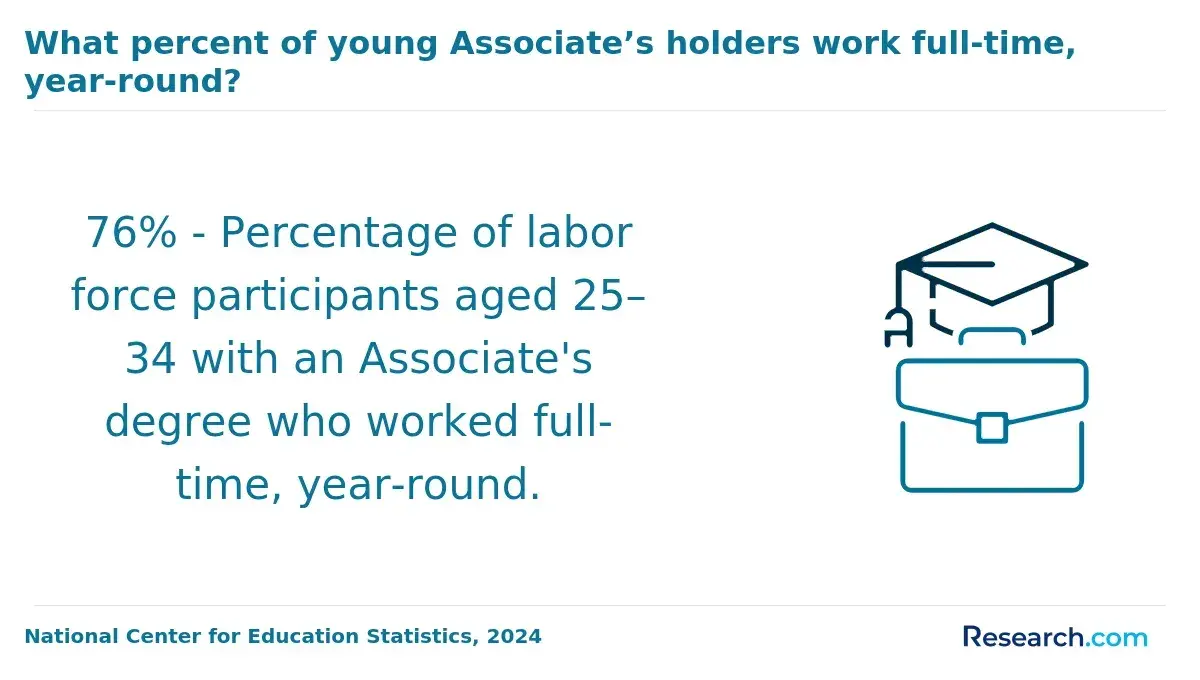
Entry-level roles in human services frequently require an associate degree, offering foundational skills but limited career traction without concurrent experience or further study. This degree often confines professionals to support positions with restricted wage growth or leadership potential, illustrating the tradeoff between rapid employment and long-term advancement. Employers for independent client management roles-such as social service coordinators or behavioral health technicians-typically mandate a bachelor's degree, reflecting the skill and autonomy expected at that level.
Bachelor's versus master's degrees in human services career growth reveals a strategic pivot point: bachelor's graduates generally qualify for mid-level clinical or supervisory roles but may encounter ceilings without additional certification or graduate education. Conversely, a master's degree opens access to licensed professional roles and management, which align with higher job security and expanding salary prospects, supported by a projected 13.76% job growth for mental health counselors through 2032 according to BigFuture data.
Decision-making must weigh time, cost, and licensing demands. A working professional targeting clinical counseling typically prioritizes a master's to meet state licensure prerequisites and billing eligibility. Others valuing expediency might accept an associate degree's limited advancement for quicker entry. Bachelor's holders balance moderate educational investment with broader eligibility but should anticipate further specialization to achieve top-tier roles.
Employers place clear emphasis on degree level as a proxy for expertise and responsibility-master's degrees correlate strongly with client autonomy and leadership, bachelor's with skilled service delivery, and associate degrees with support functions, shaping job security and salary trajectory.
For professionals exploring social media degree programs or alternative pathways, understanding these hierarchical distinctions is essential to align educational choices with realistic career outcomes.
What is the job outlook for high-growth human services careers in the United States?
Growth in human services roles like community health workers and health education specialists is tied directly to shifting public health priorities and uneven regional opportunities. While community health workers earn a median wage of $51,030 and health education specialists $63,000, job seekers should weigh how workplace context shapes daily responsibilities and advancement routes. For example, a community health worker in a rural area may juggle outreach, patient support, and education-requiring adaptability and strong interpersonal skills-whereas a health education specialist in a hospital focuses more on data analysis and program evaluation.
Credentialing strategies differ by sector: government and nonprofits often prioritize certifications in policy and grant management, while private employers emphasize advanced public health degrees. Prospective students must balance accessible entry points with the necessity of ongoing part-time education, particularly for those working full-time. Securing quality internships remains a practical hurdle, varying regionally and influencing how quickly one can progress.
Geographic disparities present clear tradeoffs-urban settings generally offer higher wages and more placements than rural regions, impacting realistic career trajectories. Candidates should consider:
- How job duties vary by employer and location
- Required credentials tied to sector-specific demands
- Internship availability as a limiting factor
- Long-term credential investment versus immediate employability
These factors highlight that human services education is not a singular pathway but a complex interplay of training, local labor conditions, and employer expectations shaping sustainable careers.
How do online human services programs compare with campus-based options for advancement?
Online human services degrees maintain credential validity comparable to campus-based programs but impose distinct challenges in practical career advancement. Employers increasingly expect these programs to integrate substantive experiential learning such as internships or fieldwork that parallel traditional in-person requirements. Without consistent networking and spontaneous mentorship opportunities typical of campus environments, students may face barriers in developing relationships critical for leadership roles.
Consider a social and community service manager role with a median salary of $74,240, where demonstrated leadership and field experience are key hiring criteria. Campus programs typically embed agency visits, group projects, and face-to-face interactions that naturally cultivate these competencies. Online learners must compensate by seeking local internship opportunities and proactively building employer connections, demanding extra time management and initiative.
Working professionals evaluating online human services pathways should weigh:
- Whether the program mandates structured practicum experiences recognized by nearby agencies
- Local labor market acceptance of online credentials relative to traditional degrees
- Their ability to foster mentorship and networking virtually
- Potential delays accessing administrative roles due to fewer informal contacts
While online formats offer geographic flexibility and allow continuation of employment during study, matching on-campus social capital and leadership skill acquisition requires deliberate effort. The median salary potential of $74,240 is contingent on bridging these practical gaps through strategic engagement beyond coursework alone.
What courses and specializations best position you for advancement in human services?
Focusing on specialization within aging services is a strategic necessity given the projected growth of community and social service roles-an estimated 299,400 annual openings between 2023 and 2033 according to U.S. Bureau of Labor Statistics data. Professionals who concentrate on gerontology, elder care management, and chronic disease support are better positioned to meet employers' expectations for expertise in addressing the physical and cognitive complexities of older adults.
For example, a practitioner in a senior community center who combines training in behavioral health and policy advocacy can navigate regulatory frameworks while delivering tailored client support, a combination increasingly demanded by agencies handling elderly populations.
Key practical considerations include:
- Certification in aging services or case management often differentiates candidates and aligns with employer preferences for demonstrated commitment.
- Specializations in mental health counseling and substance abuse treatment within geriatric contexts enhance employability by addressing multifaceted care needs.
- Without targeted credentials, professionals risk stagnating in entry-level or peripheral roles, limiting upward mobility.
The emphasis on specialization over generalist credentials corresponds with measurable outcomes such as improved hiring rates and wage elevations. Students and professionals should weigh the longer-term ROI of these focused pathways against potential educational friction, including additional coursework or credentialing. Ultimately, aligning education with explicit aging population demands delivers clearer avenues to leadership or clinical roles within human services.
Which human services careers require licensure or certification, and how do you obtain them?
Licensure and certification requirements in human services careers impose significant logistical and strategic considerations beyond academic completion. For instance, becoming a licensed clinical social worker (LCSW) involves earning an MSW, followed by 2,000 to 4,000 supervised clinical hours, and passing a state-specific exam-processes regulated variably by state boards. This pathway typically extends 2 to 3 years post-graduation, and delays often arise from difficulty securing approved supervision, notably in rural areas.
Substance abuse counselors face similar hurdles with certification routes such as the Certified Alcohol and Drug Counselor (CADC). They must fulfill educational prerequisites, accumulate between 1,000 and 3,000 supervised hours, and pass credentialing exams. Case management roles may require Certified Case Manager (CCM) credentials, which underscore the value of clinical experience combined with board certification.
Expanding telehealth options provide partial relief by permitting virtual supervision and clinical hours in some states, potentially accelerating licensure timelines. Still, employers consistently prioritize candidates with active credentials for reimbursement and independent practice eligibility. Without these, advancement is limited, particularly in emerging digital service delivery environments.
- Strategically selecting accredited programs aligned with specific state licensure requirements is essential to avoid invalidated hours or repeated coursework.
- Understanding jurisdictional variations in supervision acceptance can be decisive when planning career pathways.
- Credential delays or denial can diminish employability and complicate transitions within human services fields.
How can you evaluate and choose accredited human services programs that employers respect?
Employer recognition in human services programs depends heavily on accredited status from regional or national bodies acknowledged by the U.S. Department of Education or the Council for Higher Education Accreditation. Without this, students risk limited licensure and certification options, which directly affect their ability to practice and move within the field. Confirming that curricula incorporate up-to-date, evidence-based content tailored to specific sectors-such as mental health or community outreach-is essential for relevance and employability. Programs affiliated with well-established professional organizations often enjoy stronger industry respect.
Graduation does not guarantee employment; institutions publishing accurate graduate employment rates provide a more transparent picture of career viability. Given the U.S. Bureau of Labor Statistics projects a 7.8% increase in community and social service jobs and around 299,400 annual openings, scope for meaningful employment exists, but only if candidates navigate licensing hurdles effectively. For instance, those pursuing substance abuse counseling must ensure their training aligns with state credentialing requirements, avoiding delays in workforce entry.
Flexibility must be balanced with necessary hands-on training. Evening, hybrid, or online formats appeal to working professionals, but inadequately addressing clinical practicum demands risks employability deficits. Cost comparisons should assess return on investment critically: lower tuition may come with outdated content or poor employer connections, while more selective, accredited programs can justify greater expense through stronger long-term outcomes.
- Accreditation status affects licensure eligibility and professional mobility.
- Graduate employment statistics reveal real-world job placement success.
- Industry-aligned curriculum ensures relevance to target subsectors.
- Flexibility in delivery must not compromise practicum requirements.
- Cost evaluation should include market relevance and ROI.
What practical strategies help mid-career professionals move into advanced human services roles?
Advancing in human services increasingly demands credentials that provide immediate operational impact rather than generalized academic credentials. Wage growth in human services has lagged behind the private sector and faced declines in certain subsectors, highlighting the need for practitioners to prioritize skills aligned with agency efficiency, compliance, and leadership. Employers prioritize candidates with proven management capabilities that translate into measurable organizational improvements.
Effective advancement strategies involve:
- Utilizing employer-sponsored training focused on applied skills such as data management, grant writing, and policy enforcement to transition into higher roles without committing to full graduate degrees.
- Acquiring targeted postgraduate credentials that emphasize leadership and administration over broad theoretical education.
- Developing cross-sector partnerships and leading projects demonstrating adaptability to funding and regulatory complexity.
- Leveraging professional networks linked to government agencies to access promotion pipelines and leadership opportunities.
For example, a social worker with substantial client experience must complement clinical expertise with financial oversight or program evaluation skills to advance to director-level positions. Without this integration, stagnant wages and pay compression limit upward mobility even amid growing job demand. This illustrates the imperative to balance skill building with organizational leadership requirements instead of relying solely on clinical qualifications.
Other Things You Should Know About Human Services
In 2027, key human services career paths with strong advancement potential include roles in healthcare management, social work leadership, and public policy advocacy. Professionals in these fields can advance by pursuing higher education, gaining relevant certifications, and building a network of industry contacts.
The level of mentorship and supervision during human services internships strongly shapes practical skills and professional networks. Employers prioritize candidates whose internships reflect real-world caseload management and clear supervisory feedback over those with generic or shadow-only experiences. Seek placements with supervisors who provide direct, evaluative oversight to maximize promotion prospects.
Early specialization can accelerate advancement in niche human services sectors but narrows future flexibility if market demands shift. Broad-based experience allows smoother lateral moves and adaptation but may slow leadership track progression. Candidates should weigh current job market stability in their chosen specialties against their tolerance for reskilling or recredentialing.
Continuous education is essential, but its value depends on alignment with emerging employer priorities, such as trauma-informed care or data-driven case management. Investing in widely recognized certifications or graduate coursework focused on these trends offers more practical return than generic credits. Professionals should prioritize targeted skill upgrades synchronized with organizational goals to sustain upward mobility.
References
- Potential Careers With a Master of Science in Human Services https://www.tuw.edu/health/master-of-science-in-human-services-potential-careers/
- Careers with a Degree in Human Services https://www.mhaonline.com/faq/careers-with-degree-in-human-services
- Humanity in Action: Understanding Human Services Degrees https://www.ucumberlands.edu/blog/humanity-in-action-understanding-human-services-degrees
- Human Services Careers | PublicHealthOnline.org https://www.publichealthonline.org/human-services/
- Complete Guide to Human Services Careers - The Visual Communication Guy https://thevisualcommunicationguy.com/2021/03/30/complete-guide-to-human-services-careers/
- What Are My Career Options After a Course in Human Services? https://columbia.ca/career-options-after-a-course-in-human-services/
- What Employers Should Look for in Accredited Qualifications https://www.internationaleducationboard.co.uk/post/what-employers-should-look-for-in-accredited-qualifications
- The Fastest-Growing Jobs in Health Care - USCI https://www.uscareerinstitute.edu/blog/the-fastest-growing-jobs-in-health-care
- Career Transition to IT | A Realistic Mid-Career Path | Skillcubator https://skillcubator.com/career-change-plan-into-it-for-mid-career-professionals/
- Career Change: A Practical Guide for Mid-Career Pros https://www.churchilleducation.edu.au/blog/career-change-a-practical-guide-for-mid-career-pros/