2027 Case Manager vs Community Support Specialist vs Patient Advocate: Pay, Growth, and Promotion Potential

Co-Founder and Chief Data Scientist
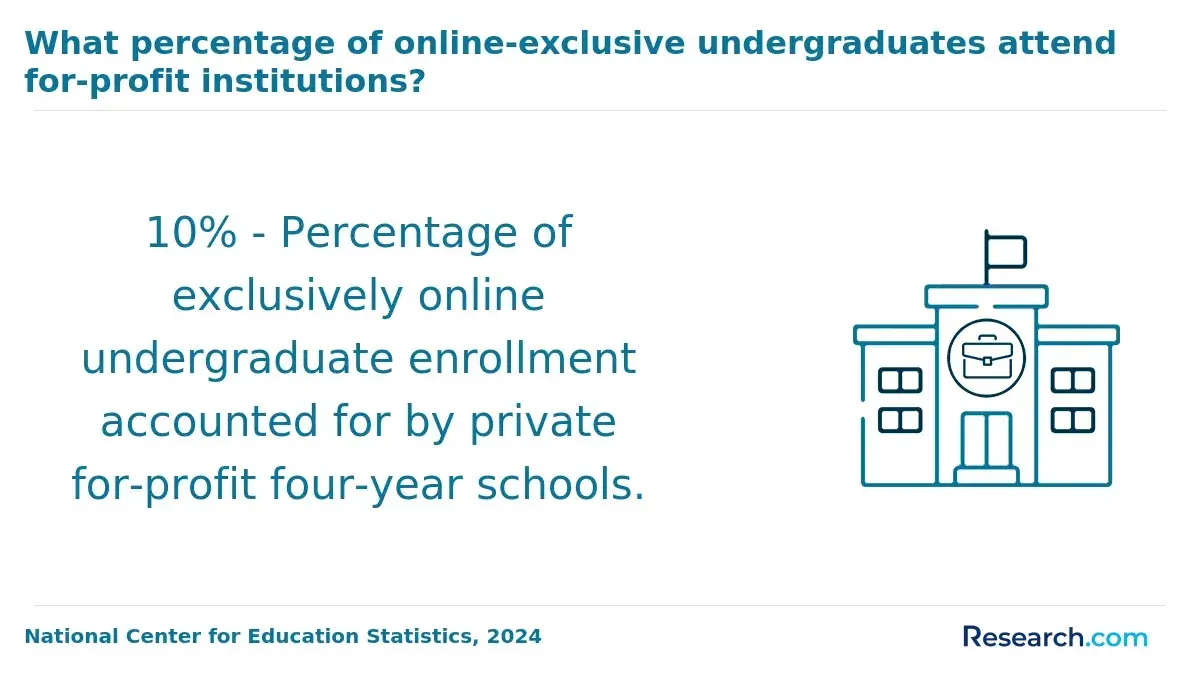
Balancing immediate income needs with advancing a career in human services often forces professionals to confront a complex decision: choosing between roles like case manager, community support specialist, or patient advocate that differ substantially in pay, promotional pathways, and skills development. With online education enrollment increasing by 9% in 2024 according to the National Center for Education Statistics, many working adults pursue flexible credentials to upskill without pausing income flow-yet the question remains which position most efficiently converts new qualifications into long-term career growth. This article compares earnings, advancement prospects, and workforce demand across these roles to guide strategic career moves and education investments.
Key Things You Should Know
- Community support specialists earn 12% less than case managers but face 22% faster job growth, per BLS 2024, implying earlier entry offsets lower wages but limits long-term promotion beyond mid-level roles.
- Patient advocate roles demand specialized certifications tied to healthcare systems, with 63% of employers preferring candidates with verified patient rights training, concentrating career mobility in clinical settings.
- Case manager roles require bachelor's-level credentials, increasing upfront education costs by 30% versus others, but delivering a 15% higher median salary and wider sector access, critical for strategic career pivots.
What are the key differences between case managers, community support specialists, and patient advocates?
Choosing between a case manager, community support specialist, and patient advocate hinges on understanding their distinct operational focuses and workforce implications. A case manager integrates medical, social, and financial assistance into coordinated care plans, often requiring in-depth knowledge of clinical protocols and insurance regulations. In practice, this role demands balancing detailed documentation with intervention strategies targeting long-term health outcomes; workers in this position frequently transition into healthcare administration or clinical supervision due to their systemic expertise.
Community support specialists differ substantially in scope, prioritizing immediate crisis response and social service facilitation, particularly for those with mental health or substance abuse challenges. Their effectiveness relies less on clinical training and more on grassroots outreach and collaboration with nonprofit and government agencies. For those comparing patient advocate and community support specialist differences, the former acts as a mediator advocating for patient rights and navigating complex healthcare bureaucracies, requiring sharp negotiation skills rather than direct case management.
Labor market data from the U.S. Bureau of Labor Statistics projects rapid growth in community and social service roles, with approximately 313,700 annual openings from 2024 to 2034. This growth underscores the rising demand for specialized skills tailored to each role's focus. Prospective students evaluating the case manager vs community support specialist job roles must weigh the practical demands and career trajectories inherent to each path. For example, community support specialists often advance into program development or community leadership, while patient advocates may gravitate toward health policy or legal advocacy.
For individuals navigating educational pathways with an eye toward these roles, pursuing an online masters in human services can provide targeted preparation that increases employability while addressing the diverse functional requirements of these careers.
How do salaries compare for case managers, community support specialists, and patient advocates in the U.S.?
Case managers distinctly out-earn community support specialists and patient advocates due to their expanded responsibilities, including managing intricate care plans and adhering to stringent compliance standards. According to recent data on case manager, community support specialist, and patient advocate salaries in the U.S., 36.1% of case managers earn $100,000 or more annually, while 78% fall between $70,000 and $119,999. In contrast, community support specialists typically earn between $40,000 and $60,000 depending on location and employer, and patient advocates usually make between $45,000 and $65,000.
Practical tradeoffs emerge from these disparities: a hospital-employed case manager handling numerous high-acuity patients commands higher wages because of clinical licensure and advanced certifications like CCM. Meanwhile, community support specialists and patient advocates navigate less rigorous credentialing and more focused roles such as peer support or resource referral, which limit salary ceilings.
For those weighing educational paths, investing in specialized certifications to become a case manager offers long-term financial benefits but demands a significant commitment. In contrast, starting as a patient advocate or community support specialist allows quicker labor market entry with fewer barriers, albeit at lower pay. Students should also consider accredited options, including CACREP accredited programs, when planning credentials that affect employability and career growth within Human Services.
What is the job outlook and career growth potential for these three human services roles?
Case manager career growth and job outlook demonstrate distinct advantages compared to community support specialists and patient advocates, particularly in terms of quantifiable demand and wage increases. Social work case managers have a projected 12% job growth from 2018 to 2028, translating to roughly 52,400 new jobs fueled by expanding healthcare and mental health services. This upward trend corresponds with a 13% salary increase over five years, reflecting not just inflation but growing role complexity and credential expectations.
In contrast, community support specialist employment growth trends are more variable and heavily tied to state and federal grant availability. Budget constraints often limit opportunities, and career progression usually leans toward supervisory roles or program management without substantial pay increases. These positions are viable for those who can navigate the uncertainties of grant-dependent funding.
Patient advocates generally face slower growth, with roles constrained by institutional hiring aligned to patient volume and regulations. Advancement often requires specialization in fields like oncology or elder care rather than broad increases in responsibility or salary, which frequently plateau unless individuals move into administrative or policy roles.
For students evaluating a transition into Human Services, case management offers clearer career mobility, though licensure requirements and continuing education can present barriers. Those pursuing community support should weigh the impact of grant reliance on job stability and compensation. Exploring MSW programs with high acceptance rate can be a strategic step for candidates seeking accessible routes into these roles.
What degrees or training do you need to become a case manager, community support specialist, or patient advocate?
Securing a role as a case manager requires at least a bachelor's degree in nursing, social work, psychology, or a related human services field, with board certification such as the Certified Case Manager (CCM) credential substantially enhancing salary prospects and promotion likelihood. Employers value this certification as it demands ongoing education and practical expertise, making associate degrees or certificates generally inadequate for advanced case management positions.
In contrast, community support specialists often enter the workforce with a high school diploma supplemented by vocational training or an associate degree in social services, human services, or behavioral health. Their employers prioritize hands-on experience in case documentation, crisis intervention, and community resource coordination over formal education, which constrains salary growth and caps advancement opportunities in resource-constrained environments.
Patient advocates typically hold bachelor's degrees in health administration, public health, or human services. Although certification programs in patient advocacy or healthcare navigation add professional credibility, they are not universally required. Candidates transitioning from clinical backgrounds such as nursing benefit from certifications that ease entry into advocacy roles, which require interdisciplinary knowledge spanning healthcare policy, clinical communication, and legal considerations.
For professionals weighing educational commitments against career returns, those pursuing case manager certification can expect the highest compensation, particularly within hospital and insurance sectors. Those favoring faster entry with minimal educational debt may consider community support roles but should remain aware of earnings caps. Patient advocates need focused preparation blending clinical and administrative skills to optimize both impact and promotion potential. More detailed pathways, including masters human resources options, can further influence strategic decisions.
How do online human services programs compare with campus programs for preparing for these careers?
Online human services programs replicate theoretical coursework found on campus but often fall short in delivering supervised experiential training essential for roles like case manager or community support specialist. According to 2024 BLS data cited by the University of Phoenix, approximately 219,800 social and community service managers earn between $62,420 and $100,600 across the 25th to 75th percentile range. Employers consistently prioritize candidates with hands-on experience gained through internships or practicum placements-opportunities more seamlessly embedded in campus programs via established local partnerships.
Working professionals benefit from the flexibility of online programs but must proactively pursue quality field placements to meet licensing and employer expectations. In contrast, campus-based curricula often offer streamlined access to mentorship and verifiable applied practice, credentials hiring managers favor when evaluating promotion readiness and salary negotiation leverage.
Key considerations for prospective students include:
- Whether programs facilitate required field hours with licensed supervisors
- Availability of local agencies for placement if studying online
- Post-graduation time investment needed to acquire direct experience missing from coursework
Without practical experience, upward mobility in human services roles can be delayed. In regions lacking local educational infrastructure, pairing an online degree with deliberate onsite fieldwork arrangements remains a viable, though more challenging, path.
Which accreditations and program quality indicators matter most for human services degrees?
Employers in healthcare, social services, and nonprofits prioritize graduates from human services programs rigorously accredited by the Council for Higher Education Accreditation (CHEA) or the U.S. Department of Education, as this often determines immediate employability and credit transfer. Programs aligned with Council on Accreditation (COA) standards provide measurable competencies in ethical practice, outcome monitoring, and workforce readiness-critical for advancing into supervisory roles.
Practicums and internships exceeding 300 hours distinguish candidates by offering hands-on experience rather than theoretical knowledge alone. For example, a community support specialist employed by a state mental health agency must demonstrate proficiency in case documentation, crisis intervention, and client advocacy, skills rigorously trained and assessed in COA-accredited programs.
Professional certifications, such as Certified Case Manager (CCM) and Certified Human Services Practitioner (CHSP), bolster advancement by verifying specialized expertise beyond the degree. Data from a 2025 labor market overview indicate that supervisory case managers earning these credentials have higher salaries, with 55.9% making $80,000-$119,000 and nearly 13% surpassing $150,000. Conversely, programs lacking strong practicum components and external accreditation often correlate with slower advancement and fewer salary gains.
Students pursuing career pivots in human services should weigh:
- Program accreditation and COA alignment as markers of employer trust
- Depth and quality of practicum or internship integration
- Presence of employer partnerships and defined graduate outcomes
- Potential for certification pathways post-graduation
Neglecting these factors may increase time to promotion and limit adaptability to evolving sector demands, particularly in healthcare-linked roles.
What certifications or licenses are required or preferred for case managers, community support specialists, and patient advocates?
Certification requirements in case management, community support, and patient advocacy significantly shape employment prospects and earning potential within human services roles. Case managers typically need the Certified Case Manager (CCM) credential, which demands a healthcare-related degree plus 3,000 hours of relevant experience. This credential often functions as a gatekeeper for higher salaries and promotions; 71% of case managers saw pay increases recently, demonstrating its labor market influence. Candidates lacking clinical backgrounds may pursue Accreditation of Case Management Organization (ACCM) credentials, though these are less valued by employers.
Community support specialists often face fewer formal licensure demands but benefit from certifications such as the Certified Psychiatric Rehabilitation Practitioner (CPRP) or Certified Peer Specialist (CPS). These credentials don't require clinical degrees but do call for practical experience with community populations. This focus on experiential knowledge means career gains typically advance more gradually, and employers frequently prioritize demonstrable work history over formal certification at entry-level.
Patient advocates usually encounter no universal licensing standards, relying instead on certifications like Certified Patient Advocate (CPA) or Patient Advocate Certification Board (PACB) credentials to bolster credibility. These certifications center on ethics and healthcare navigation but do not automatically translate into higher pay without concurrent healthcare experience or education. For example, a CPA-certified advocate in a hospital system may advance faster than a non-certified counterpart, while in non-clinical environments, practical experience often outweighs formal credentialing.
What courses and skills are typically covered in human services programs leading to these roles?
Programs aimed at roles like case manager, community support specialist, or patient advocate must strike a balance between interpersonal and technical skills to meet employer demands. Core coursework typically covers counseling techniques, ethics, social policy, and crisis intervention, but the practical value depends heavily on how well these skills translate into real-world client assessment and service planning. Advanced communication skills-such as conflict resolution and cultural competency-are critical when handling diverse populations in complex organizational settings.
Technical competencies in data collection, documentation, and familiarity with electronic case management systems are no longer optional. These skills align with workplace expectations tied to regulatory compliance and accurate reporting. For instance, a patient advocate working in hospital environments must navigate healthcare policies and insurance intricacies, whereas community support specialists in mental health need trauma-informed care training to address specific client challenges.
Integrating internships or supervised fieldwork is key to bridging classroom learning with practical problem-solving, addressing a frequent gap between theory and practice. Employers expect graduates to manage both direct client interaction and administrative responsibilities effectively.
Canada's Job Bank reports case managers' median wages at C$37.50 per hour, with higher rates reaching C$56.73 depending on location and skill specialization. This spread reflects regional labor market dynamics and the premium placed on depth of expertise developed through rigorous training.
How long do related degree programs take, and what costs should students expect?
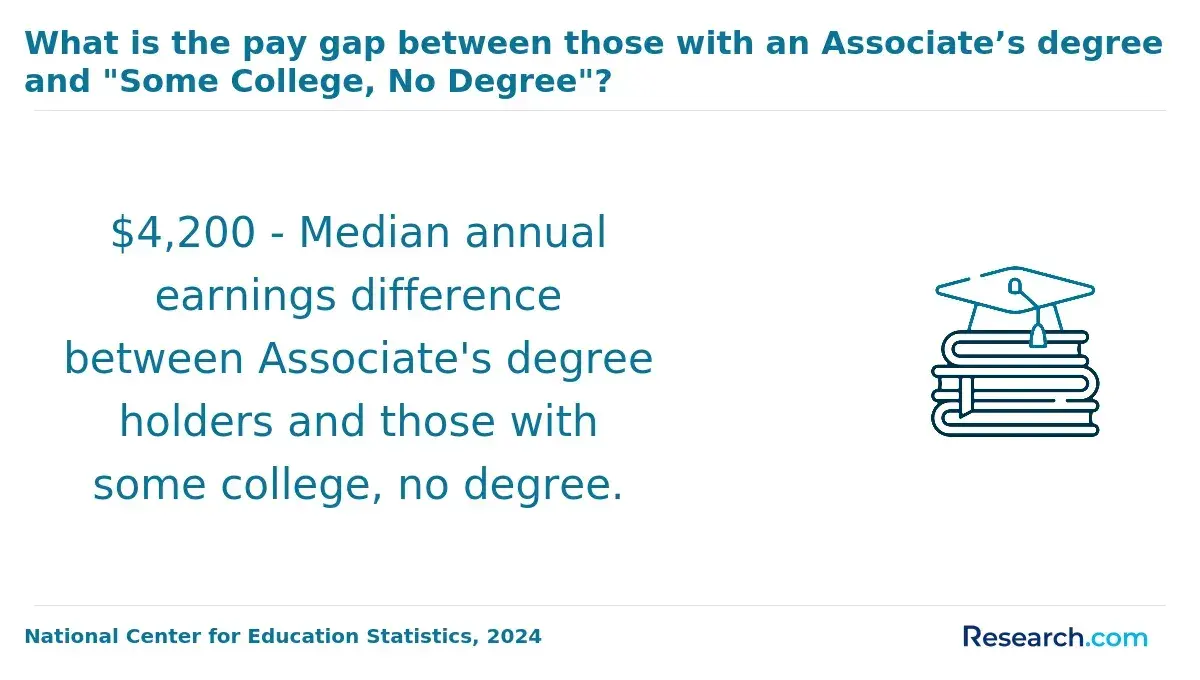
Choosing between certificate programs and traditional degrees in social work or human services carries significant implications for employment outcomes and earning potential. Certificates, lasting six months to a year and costing $1,500 to $5,000, provide faster workforce entry but rarely qualify holders for the higher-paying case manager roles preferred by most employers. In contrast, associate and bachelor's degrees-taking two to four years-offer deeper specialization and align with stronger demand in hospitals, government, and social service agencies.
Associate degrees generally cost between $6,000 and $12,000 annually at public colleges and suit entry-level community support roles. Bachelor's programs, though more expensive-ranging from $10,000 to over $30,000 per year, depending on institution type-correlate with significantly higher salaries. For example, case managers average about $43,118 annually compared to $36,325 for patient advocates, alongside a projected 9% job growth for case managers versus a decline for patient advocates.
Students must weigh short-term affordability against long-term career viability. Those balancing work and study often access employer tuition assistance or flexible online options, mitigating costs and preserving income streams. Ultimately, committing to a four-year degree typically expands job availability, upward mobility, and income ceiling, while shorter certificates suit individuals prioritizing immediate employment over advancement.
How can prospective students choose the best school to launch a career in these three roles?
Program accreditation remains a decisive factor, as employers in human services roles-case managers, community support specialists, or patient advocates-prioritize credentials from recognized institutions that ensure relevant, rigorous curricula aligned with industry needs. Programs lacking experiential components like internships or practicum placements often fall short in preparing students for workforce realities, particularly for community support specialists who require practical skills in resource navigation and multi-agency coordination.
Deciding on a program involves weighing cost against credential value and career trajectory. Entry-level social and human service assistants' median salaries approximate $45,120, whereas managerial positions average $78,240, indicating that programs facilitating access to advanced certifications or degrees can deliver substantial long-term returns. Students switching from unrelated fields should consider program flexibility and the availability of career support services tailored for career changers.
Curricula must also address specific role demands; for patient advocates, this includes healthcare law, patient rights, and proficiency with technology-enabled case management. Employment prospects depend heavily on measurable outcomes such as graduation rates and job placement statistics, which vary by locale and program. Prospective students benefit from evaluating faculty expertise and institutional connections to local employers, as these factors significantly influence hiring success in both rural and urban markets.
Other Things You Should Know About Human Services
Advancement potential differs significantly depending on employer type. Large healthcare systems and government agencies usually offer clearer promotion pathways for case managers, often tied to specialized certifications and leadership training. Community support specialists and patient advocates employed by nonprofits or small agencies may find fewer formal advancement tracks, requiring strategic networking and additional education to progress. Prioritizing jobs with structured professional development programs is advisable for those targeting upward mobility.
Certifications can substantially increase job prospects and salary for case managers, especially in clinical or behavioral health settings, but the upfront cost and time commitment require evaluation against immediate employment needs. Community support specialists may gain marginal financial benefits from certifications, making on-the-job experience a more valuable investment. Patient advocates benefit from certifications linked to healthcare knowledge, but employers vary widely in requiring or compensating for these credentials, so assessing local market demand is essential before investing.
Case management provides the strongest foundation for moving into healthcare or social service leadership due to its focus on system navigation, resource coordination, and multidisciplinary collaboration. This role demands and develops skills that employers value in management positions. Community support specialists gain valuable direct client interaction experience but face limited pathways without further education. Patient advocates can leverage healthcare system insight but usually need supplemental education or experience to make leadership transitions.
References
- What Are My Career Options After a Course in Human Services? https://columbia.ca/career-options-after-a-course-in-human-services/
- Patient Advocate vs. Case Manager: What Is the Difference? - Aviator | Your Healthcare Navigator Covered by Insurance https://aviatorhealth.co/blog/patient-advocate-vs-case-manager
- Current and Projected Trends in Human Services https://humanswhoserve.wp.txstate.edu/current-and-projected-trends-in-human-services/
- Essential Human Roles In Case Management https://www.planetcrust.com/essential-human-roles-in-case-management/
- StudentSpace - How Much Do Studies in Poland Cost? Explaining Tuition Prices and Fees https://www.studentspace.pl/en/blog/post/how-much-do-studies-in-poland-cost-explaining-tuition-prices-and-fees
- Case Management Profession: Trends & Foresight https://yourcommission.org/blog/case-management-profession-trends-foresight
- Overview of the Profession of Health and Patient Advocacy | The Alliance of Professional Health Advocates https://aphadvocates.org/profession-overview/
- How Important is Knowing What Your Degree Will Cost? | CSU-Global Blog https://csuglobal.edu/blog/how-important-knowing-what-your-degree-will-cost
- Three subjects that support future career choices https://internationalschool.ee/news/three-subjects-that-support-future-career-choices/
- PAF Case Management - Patient Advocate Foundation https://www.patientadvocate.org/connect-with-services/case-management-services-and-carelines/