2027 Online Human Services Degrees With Broad Helping-Profession Mobility

Co-Founder and Chief Data Scientist
Experienced professionals often face a bottleneck when seeking human services degrees that provide flexibility without sacrificing career mobility across multiple helping professions. Traditional programs frequently demand rigid schedules incompatible with working adults, limiting access to timely upskilling necessary to meet evolving workplace demands. According to the National Center for Education Statistics, over 50% of online learners are adults balancing employment, reflecting a clear shift toward programs that prioritize accessibility and adaptability. This trend forces prospective students to weigh program structure against long-term career flexibility.
This article examines online human services degrees designed explicitly for broad professional mobility, equipping readers to choose programs that align with real-world constraints and ambitions.
Key Things You Should Know
- Online human services degrees in 2026 show a 12% lower median salary compared to traditional programs, creating a cost-benefit tension for career pivoters balancing time investments against long-term earnings potential.
- Employers increasingly favor candidates from programs with integrated practicum components; 68% of human services hiring managers surveyed by the National Organization for Human Services in 2024 prioritize experiential learning over online-only credentials.
- Completion rates for fully online human services degrees hover around 45%, per the U.S. Department of Education data, highlighting access tradeoffs linked to self-directed learning environments impacting workforce pipeline stability.
What is an online human services degree and how does it prepare you for helping careers?
An online human services degree prioritizes applied competencies that align directly with the demands of social service roles, balancing theoretical knowledge with immediately applicable skills. For example, someone moving from retail to case management benefits from flexible online human services education for helping professions by completing asynchronous coursework combined with supervised local fieldwork, avoiding relocation while acquiring critical experience. This pragmatic approach addresses the sector's sizable workforce demand-community and social service occupations project 313,700 annual openings from 2024 to 2034-with a median wage of $57,530, emphasizing hire-ready skill sets over purely academic credentials.
Programs that include remote internships or practicum placements ease licensure or certification hurdles tied to state requirements but vary widely in the support they offer for these placements. Students must critically assess accreditation, placement assistance, and how well a program integrates interactive simulations and peer collaboration, as employers expect graduates to enter roles such as substance abuse counseling or youth outreach with proven communication, crisis intervention, and cultural competency skills.
This model contrasts with passive learning formats that risk delayed employability and weaker initial credibility. Evaluating online human services degree programs for career advancement demands attention to these practical tradeoffs. Candidates seeking specialized counseling careers might also consider complementary pathways such as an online masters in marriage and family therapy to broaden credentials and improve market positioning.
How do online human services degrees compare with on-campus programs for quality and credibility?
The primary determinant of an online human services degree quality comparison lies less in delivery mode and more in accreditation, curriculum relevance, and integrated practical experience. Employers focus on tangible skills and experience, often valuing these over whether a program was completed on campus or remotely. However, online students typically face added challenges in securing internships or field placements, which are pivotal for hands-on experience and employability.
For instance, a working professional pursuing an online human services degree benefits from flexible scheduling but must independently locate local agencies for practicum placements. Conversely, recent high school graduates attending traditional programs access direct client engagement with institutional support, offset by relocation costs and less flexible timetables.
Despite these tradeoffs, the credibility of online versus on-campus human services programs hinges on how effectively they embed supervised practical components and reflect current workforce needs. Graduates should verify employer recognition in their target regions and proactively plan for practicum logistics to navigate real-world entry barriers.
The Bureau of Labor Statistics, referenced by edX, projects an 8% job growth for social and human service management roles through 2033, reflecting sustained demand that rigorous online programs can meet. Prospective students seeking strategic pivots will want to weigh these factors against personal circumstances rather than assume equal outcomes based solely on format.
Exploring options like the fastest and easiest counseling degree programs can provide further insight into streamlined pathways within human services that balance quality and accessibility.
What accredited online human services degree levels and specializations can you study?
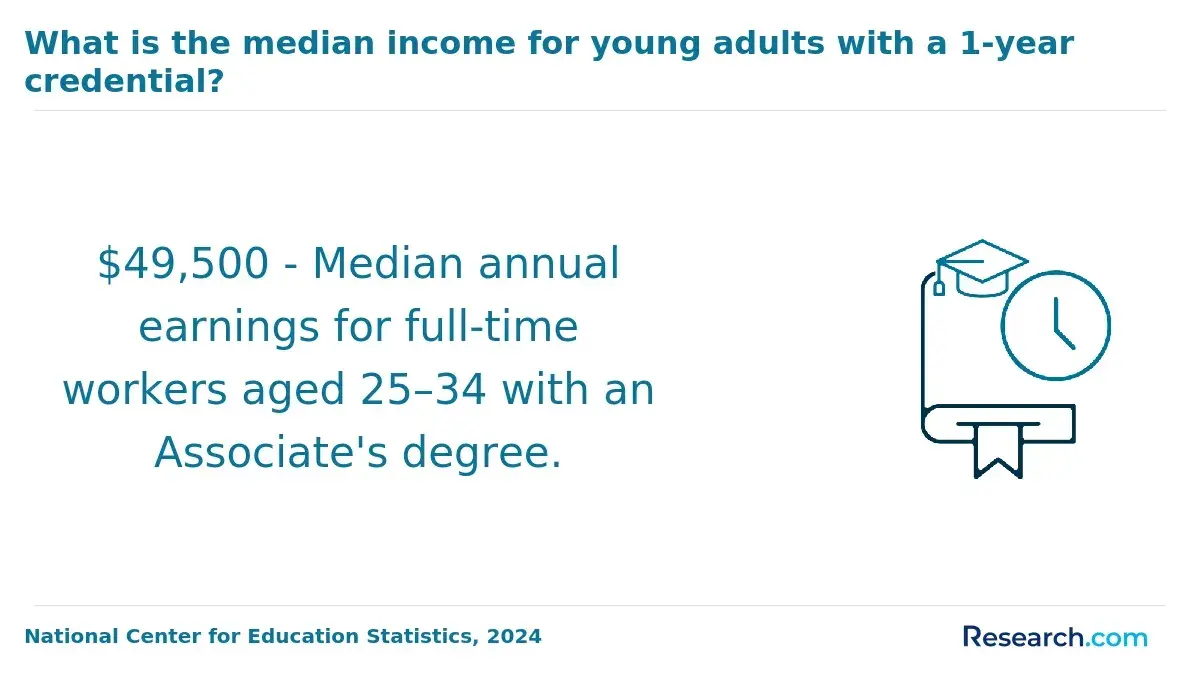
Deciding among accredited online human services degree programs requires weighing the realities of workforce demands and the nuances of each educational level. Associate degrees equip graduates for support roles like social and human service assistants, with a median salary near $47,090, focusing on foundational skills such as case management and client advocacy. However, these positions typically offer limited upward mobility without further education.
Bachelor's degrees open pathways to specialized tracks-mental health counseling, substance abuse services, and community outreach-with expanded responsibilities that often include supervisory duties. Employers increasingly prefer candidates to hold at least a bachelor's to qualify for social work adjunct or program coordination positions, reflecting a notable salary increase to around $86,100 for social and community service managers.
Master's programs prioritize clinical practice, administration, and policy development, critical for licensed counselors and clinical social workers. Graduates targeting managerial or clinical leadership roles should consider programs with focused specializations, especially in mental health and substance abuse, to meet state licensure reciprocity and employer expectations. Flexible online human services degree specializations cater to working professionals but may prolong time-to-completion due to practicum requirements and part-time scheduling.
For targeted advancement, exploring MSW programs is essential given their prominence in behavioral health sectors offering median earnings around $68,290. Strategic selection of program accreditation and specialization directly influences employability and long-term career trajectories.
What admission requirements, prerequisites, and prior experience do online human services programs expect?
Entry into online human services programs demands more than just a high school diploma; typical GPA thresholds hover around 2.5, though selective schools may require higher. Programs emphasize verified foundational knowledge via official transcripts, often seeking coursework in psychology, sociology, or biology. Specialized concentrations, such as substance abuse counseling, may benefit from prior certifications, but these are not universal requisites. Unlike other fields, extensive professional experience is rarely mandatory for admission, although relevant volunteer or paid work can enhance an applicant's profile and occasionally translate into credit waivers.
Prerequisites often include introductory classes in statistics, human behavior, or social systems to adequately prepare students for advanced topics like ethics and case management. For adult learners or those pivoting careers without traditional backgrounds, bridge courses typically fulfill these requirements within the first academic year, reflecting the field's accommodation of diverse entrants. This adaptive structure pragmatically addresses workforce realities where practical client interaction skills are prioritized by employers alongside academic credentials.
Most bachelor's programs advise early immersion in internships or community service to build experiential competence crucial for entry- to mid-level roles. From a cost standpoint, institutions such as the University of Arizona price online human services credits at $460 each, significantly undercutting the national average annual cost of $15,200 for off-campus in-state studies. This affordability can be a deciding factor for many students balancing financial constraints.
For those evaluating accelerated options, researching pathways like a fast track psychology degree online may intersect with human services program admission requirements, providing strategic avenues for timely qualification and workforce entry.
How long do online human services degrees take, and what do they typically cost?
Completing a human services degree involves balancing time, cost, and practical experience requirements with career objectives. Associate degrees typically require about two years of full-time study, while bachelor's degrees usually take four years. Accelerated programs can reduce this to three years or less by leveraging year-round courses or transfer credits, though they may increase intensity and workload. Graduate degrees vary from one to three years and often demand specialization, with part-time enrollment significantly extending timelines for working adults.
Costs largely depend on institution type and mode of delivery: public universities often charge $7,000 to $15,000 annually for in-state online undergraduates, compared to $15,000 to $30,000 at private schools. Graduate tuition can range from $10,000 to over $40,000 per year, influenced by program reputation and format. Many employers require degrees with accredited practical components such as internships, which lengthen study but enhance employability-particularly in roles involving social service management.
Wage outcomes reflect these distinctions. Social and community service managers-common targets for human services graduates-earn median salaries between $78,240 and $86,100, notably above the broader community service median of $57,530. This earnings gap demands that candidates weigh extended study or upfront cost against delayed income gains, especially if opting for part-time enrollment that offers flexibility but slows credential completion.
What courses, skills, and fieldwork are included in an online human services curriculum?
Online human services degree programs integrate core theory with essential practical skills, yet their real-world value hinges on fieldwork quality and curriculum alignment with licensure standards. Coursework covers case management, counseling techniques, ethics, psychology, and social welfare policy, while emphasizing skills such as active listening, crisis intervention, cultural competence, and client advocacy. These competencies match employer demands across mental health, addiction recovery, and community support sectors.
Field placements, typically requiring 300-600 supervised hours, are non-negotiable for experiential learning. However, the diversity of agency settings-ranging from nonprofit counseling centers to government health departments-presents distinct operational challenges, especially in confidentiality and bureaucratic navigation. Students must proactively engage with supervisors and peers, as online formats reduce organic mentorship and networking opportunities.
For graduates aiming at counselor licensure, verifying that programs meet state requirements in psychopathology and clinical assessment is vital to prevent credentialing delays. Employment outcomes reflect the differential market value of these skills: substance abuse, behavioral disorder, and mental health counselors earn median salaries around $65,100, slightly lower than mental health and substance abuse social workers at $68,290, indicating specialization premiums.
Ultimately, the balance between accessible online study and on-the-ground field experience forms the pivot of practical readiness and career mobility within human services roles.
How do accreditation and professional standards affect transferability, licensing, and graduate study options?
Accreditation quality directly impacts credit transferability, licensure eligibility, and graduate program admission in human services education. Regional accreditation combined with programmatic certification-such as through the Council for Standards in Human Service Education (CSHSE)-ensures that academic standards meet employer and licensing expectations. Degrees from nationally accredited or unaccredited programs frequently encounter credit loss and licensing restrictions, hindering professional mobility across states or sectors.
For instance, a student moving from an online associate human services program lacking CSHSE accreditation to a bachelor's program may see significant core credit rejection, extending time and financial investment. Additionally, many states require completion of nationally accredited human services programs for licensure as Licensed Human Services Practitioners, so graduates from nonaccredited institutions face barriers to credentialing and employment.
Admission to graduate programs in counseling, social work, or psychology often demands a bachelor's degree from an accredited human services credential, otherwise necessitating additional prerequisite courses that delay career progression. The alignment between accreditation and licensure maintains job market viability, especially as social and human service assistant roles are projected to grow 8% from 2023 to 2033 (Bureau of Labor Statistics via edX 2025), sustaining employer preference for fully credentialed candidates.
Prospective students and working professionals planning career shifts should evaluate both institutional accreditation and program certification against state licensing requirements to avoid credit loss, costly retraining, or delayed readiness. Such informed selection streamlines licensing pathways and supports efficient advancement in human services careers.
What human services careers, job settings, and advancement paths can this degree lead to?
Online human services degrees are practical entry points into roles such as case managers, substance abuse counselors, and community outreach coordinators, yet they do not guarantee linear career growth without additional certifications. Employment settings vary widely-from government welfare programs to criminal justice agencies-each enforcing distinct professional demands and advancement barriers. For instance, a graduate may begin as an intake coordinator but must pursue credentials like Licensed Social Worker (LSW) or Certified Alcohol and Drug Counselor (CADC) to access supervisory or clinical positions within five years.
Financially, tuition stability is a crucial factor; Liberty University's minimal tuition increase under 5% over a decade exemplifies cost containment that helps students avoid excessive debt while targeting mid-career salaries around $45,000 to $50,000 as reported by the Bureau of Labor Statistics. However, the degree alone often imposes a ceiling on upward mobility; ongoing professional development in trauma-informed care and compliance training varies by state and employer, complicating cross-jurisdictional employment.
Prospective learners should weigh these real-world tradeoffs:
- Diverse workplace environments require adaptable interpersonal and policy knowledge.
- Credentials beyond the bachelor's degree often dictate eligibility for advancement.
- Tuition cost trends impact long-term financial viability alongside market salary ranges.
Understanding these factors can guide realistic decision-making about investing in an online human services program in relation to workforce expectations and career objectives.
What are typical salaries and job outlook for human services graduates in different roles and states?
Starting salaries for online human services graduates vary sharply by geography and role, reflecting real tradeoffs between regional economies and job access. For example, entry-level case managers in California or New York can expect $50,000-$58,000, while counterparts in Texas or Florida see $38,000-$45,000. This wage gap is compounded by cost-of-living differences and local funding for social services.
Licenses and certifications notably affect earning potential. Licensed social workers or counselors working in well-funded urban areas like Washington, D.C. and Massachusetts command $60,000-$70,000, with advanced credentials pushing median salaries above $75,000 in program management or therapy roles. Conversely, rural or economically challenged regions offer fewer opportunities but can be less competitive hiring markets.
Cost considerations remain critical. Private nonprofit four-year degrees often cost more than twice the $15,200 annual average for off-campus in-state public students, influencing debt and return on investment. Employers frequently prefer candidates from lower-cost public programs supplemented by internships, especially for frontline, state-funded positions.
Prospective students must weigh:
- Regional salary differentials against living expenses and job availability
- The benefits of online, accredited credentials for flexible entry in underserved areas
- The necessity of practical experience and specialized skills like grant writing for urban nonprofit roles
These factors define realistic pathways to employment and advancement within human services fields and should guide program selection and career planning.
How can you choose a reputable online human services program aligned with your career goals?
Salary disparities among graduates of human services programs confirm that not all degree pathways yield equivalent labor market outcomes. For instance, median wages at the bachelor's level vary widely-from $53,710 for addictions counselors to $77,030 for social and community service managers-indicating a tangible financial impact based on specialization and career focus.
Prospective students must prioritize programs that align tightly with their targeted roles, differentiating between clinical or counseling tracks that require supervised practicums recognized by licensing boards and administrative pathways emphasizing management and policy skills. Choosing a broadly defined human services degree without such specificity can impede credentialing and reduce employability in competitive environments.
Key selection criteria include:
- Regional accreditation and transparent graduate employment outcomes linked to career roles
- Faculty with current professional credentials relevant to the specialization
- Program components offering certificates or focused training like addiction counseling
- Delivery formats balancing flexibility with meaningful networking opportunities, especially through synchronous engagements
- Geographic labor market dynamics and employer demand impacting salary and job availability
- Policies on credit transfer and program length to minimize redundant coursework and expense
Choosing a program without these considerations can extend time-to-employment or constrain career mobility. Thus, mapping education directly to realistic workforce demands and licensure requirements is critical for strategic advancement in human services.
Other Things You Should Know About Human Services
Most online human services degree programs require a practicum or fieldwork to meet professional and accreditation standards. Students must arrange for supervised placements, which can be challenging depending on location and employer willingness. Prioritizing programs with strong field placement support and partnerships significantly reduces logistical burdens and ensures practical experience that employers expect.
Employers view human services degrees as broad and practical but often consider social work or psychology degrees more specialized, particularly for clinical roles. Human services graduates should emphasize experience and certifications to offset the absence of clinical training if targeting roles involving counseling or therapy. Choosing a program with recognized certifications can enhance job prospects where niche expertise is valued.
Accelerated programs reduce time-to-degree but greatly increase weekly workload and stress, which can impact learning depth and retention. Working professionals should prioritize a standard pace to balance concurrent job demands and absorb complex human services content effectively. Those without work commitments may manage acceleration but must verify the program maintains robust practicum opportunities.
References
- Health and Human Services: Campus & Online Degrees and Careers https://www.publichealthonline.org/human-services/online-degree-programs/
- Types of Social Workers: Exploring the Many Fields in Which They Serve https://www.umassglobal.edu/blog-news/types-of-social-workers
- Social Work Career Pathways https://socialworklicensemap.com/social-work-careers/pathways/
- Choosing a bachelor's in human services | edX https://www.edx.org/resources/how-to-choose-a-bachelors-in-human-services
- Online Health And Human Services Associate Degree Program | Ultimate Medical Academy https://www.ultimatemedical.edu/program/health-and-human-services/
- Humanity in Action: Understanding Human Services Degrees https://www.ucumberlands.edu/blog/humanity-in-action-understanding-human-services-degrees
- How Accreditation Affects the Quality and Recognition of a Master’s Degree https://www.idsnews.com/article/2026/04/sponsored-how-accreditation-affects-the-quality-and-recogintion-04092026
- Bachelor of Arts in Human Services | Whitworth Online https://online.whitworth.edu/human-services/
- Human Services Online - Saint Mary-of-the-Woods College https://www.smwc.edu/departments/social-behavioral-sciences/human-services-online/
- The Ultimate Guide to Accreditation for Master’s Students https://www.onlinemastersdegrees.org/student-resources/graduate-school-accreditation/