2027 Patient Advocate Roles You Can Target With a Human Services Degree

Co-Founder and Chief Data Scientist
Balancing the urgency to transition into roles that provide client advocacy with the constraints of limited financial resources and inflexible schedules poses a high-stakes challenge for many aiming to enter the human services field. The National Center for Education Statistics reports that over 40% of undergraduates in 2024 are adult learners juggling work and family, signaling increased demand for programs accommodating nontraditional students. This shift necessitates careful evaluation of how different patient advocate roles align with degree accessibility and career progression.
This article explores patient advocate positions attainable with a human services degree, guiding readers through practical pathways to effectively target viable jobs in the field.
Key Things You Should Know
- Demand for patient advocates with human services degrees grew 15% from 2023 to 2025 per the Bureau of Labor Statistics, but median entry salaries remain under $48K, requiring tradeoffs between job growth and wage limitations.
- Employers prioritize candidates with interdisciplinary skills-case management plus healthcare navigation-creating a workforce tension where narrow degrees limit eligibility for senior roles in complex medical systems, per 2024 industry survey data.
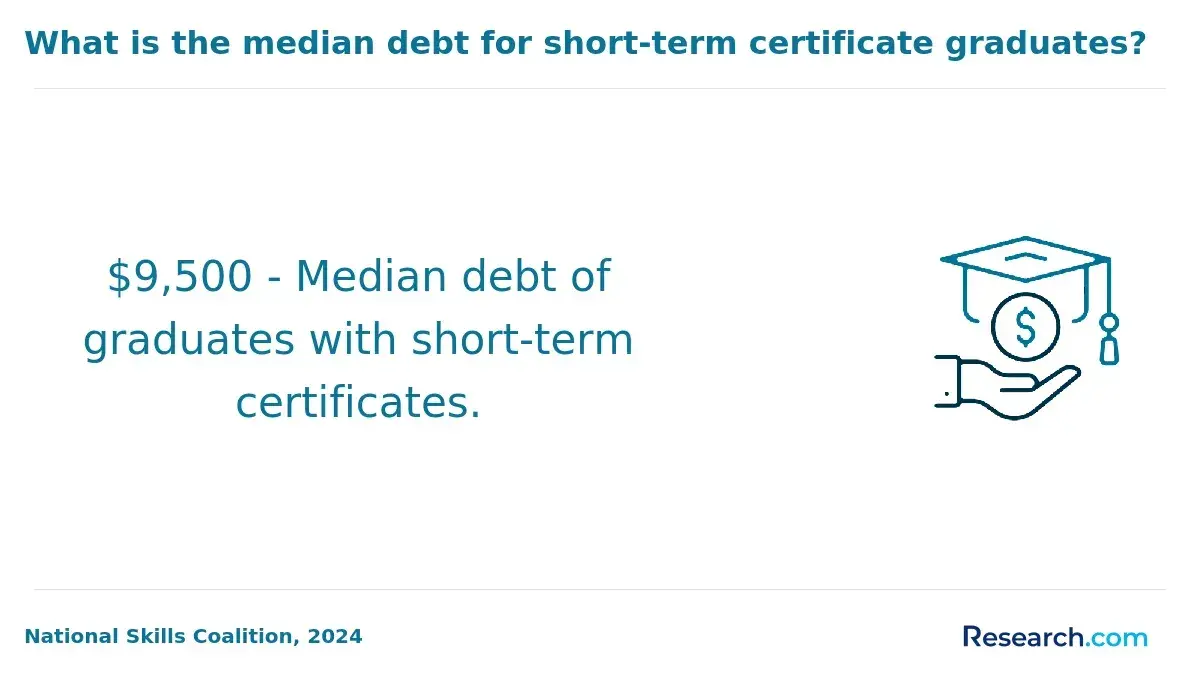
- Programs averaging 18 months and $14,000 total cost restrict mid-career pivots, with financial aid gaps delaying credential completion by 6+ months, thereby affecting timely labor market entry as noted by the National Center for Education Statistics in 2024.
What patient advocate jobs can you get with a human services degree?
Human services graduates pursuing patient advocate careers encounter roles that demand balancing empathetic communication with strict regulatory compliance. For instance, hospital patient advocates face managing over 320,000 complaints annually, many related to communication failures, making conflict resolution and knowledge of healthcare protocols indispensable. Entry-level patient advocate positions for human services graduates often revolve around mediating between patients and clinical teams, addressing issues like delayed communication, billing discrepancies, and navigating electronic health records under legal frameworks such as HIPAA.
Case managers and healthcare navigators, also common pathways for human services degree holders, require skills in coordinating complex care networks and addressing social determinants of health that affect underserved populations. These roles do not replace clinical decision-making but supplement it, highlighting a crucial tradeoff: human services professionals must clearly understand their scope to avoid inadvertently overstepping clinical licensure boundaries.
Advancement beyond initial advocacy roles typically necessitates certifications or additional healthcare-focused education. Programs offering practicums or internships in healthcare environments provide critical experiential learning that employers value, emphasizing applied competencies over theoretical knowledge. Developing expertise in organizational policies and patient rights can distinguish candidates amid a competitive job market.
Those evaluating this degree pathway might also consider the intersection with social work options; resources identifying best online MSW programs clarify differences in scope, licensure, and job market positioning essential for informed decision-making.
What skills do patient advocates need in healthcare settings?
Effective patient advocate communication skills in healthcare hinge on advanced negotiation capabilities and a granular understanding of medical billing codes. Patient advocates frequently encounter complex billing disputes, where their expertise can reduce a patient's out-of-pocket costs by 30-50%, as documented by data from the Medical Billing Advocates of America. This underscores the tangible financial impact and the need to master intricate insurance policies and dispute resolution procedures.
Key skills extend beyond number crunching to include critical thinking and acute attention to detail-necessary when reviewing thousands of billing line items or medical records to identify errors or charge discrepancies. Patient advocates bridge institutional protocols and patient needs, requiring cultural competence and empathy to navigate linguistic and emotional barriers while educating patients about their rights.
Operational effectiveness is enhanced through technological proficiency with electronic health records and billing software, enabling advocates to manage multiple stakeholders efficiently. These essential healthcare patient advocacy skills also encompass multitasking and project management across providers, insurers, and legal teams, a reflection of the profession's increasing complexity.
Prospective students weighing an education path will find that programs focusing on these competencies align strongly with workforce demand but must balance rigorous technical training with interpersonal skill development. For those considering further specialization or a strategic career pivot, researching the cheapest online master's in mental health counseling may complement their advocacy skillset by deepening communication and counseling proficiency within Human Services.
What education is required for patient advocate roles?
A bachelor's degree in human services or a related field such as social work or public health remains the minimum education for most patient advocate roles, providing foundational skills in communication, ethical judgment, and healthcare systems navigation. Employers prefer candidates whose degrees include practical training in counseling, case management, and healthcare policies, recognizing these elements as critical to effective patient advocacy. This baseline, while necessary, often limits progression into specialized advocacy positions without further credentials.
Advanced roles, particularly those linked to clinical trials, require certification programs for patient advocates in human services careers that address clinical research and regulatory compliance. Incorporating patient advocacy in clinical trial design reduces recruitment time by roughly 25%, making expertise in trial frameworks and patient-centered research a distinct advantage.
Working professionals evaluating patient advocate education requirements for human services degree pathways face a tradeoff: bachelor's qualifications open entry-level doors but rarely suffice for roles demanding nuanced clinical knowledge or research skills. Graduate certificates or master's degrees often target conditions like oncology or rare diseases, providing necessary specialization.
For those seeking to expedite advancement, programs featuring integrated internships or partnerships with healthcare organizations deliver practical experience valued by employers. Exploring options such as a masters in social work can align learning with career goals while addressing practical employment barriers.
Which human services degree level best prepares patient advocates?
A bachelor's degree in human services remains the most effective credential for patient advocates aiming to meet employer demands for comprehensive care coordination and ethical competence. Unlike associate degrees, which often funnel graduates into subordinate assistant roles with limited decision-making capacity, bachelor programs provide critical understanding of complex healthcare systems, insurance logistics, and patient rights. This foundational knowledge is essential given the rising need for skilled advocates amid increasing mental health treatment rates in the U.S., which jumped from 19.2% in 2019 to 24.5% in 2023.
Employers seeking candidates for patient advocate roles consistently prioritize those with bachelor-level training due to its integration of clinical sociology, case management, and healthcare ethics-elements vital in multidisciplinary environments involving clinicians and social services. While master's degrees enhance leadership and policy expertise, they exceed the requirements of most entry- to mid-level positions that emphasize hands-on patient engagement. Conversely, credential or certificate programs lack the breadth to sustain career growth in this field.
For professionals evaluating human services degree options for patient advocate roles, the tradeoff often lies between faster entry via associate degrees and long-term employability best secured through four-year programs. Students should assess these factors against their career goals and readiness to invest in a more comprehensive curriculum. Those exploring flexible educational formats might consider resources on what degrees allow you to work from home.
Is an online human services degree credible for patient advocate careers?
Online human services degrees can be credible for patient advocate roles, but their value hinges on more than accreditation. Employers prioritize candidates who combine healthcare-related coursework with verified clinical skills and real-world experience. For example, graduates lacking internships or practicums typically face difficulty navigating complex scenarios such as negotiating long-term care benefits with insurers or mediating between medical staff and families.
The workforce demand for elder care advocates is intensifying as projections show adults 65 and older will soon outnumber minors in the U.S., with about 70% needing long-term care. This demographic shift increases the urgency for advocates familiar with eldercare regulations. Consequently, programs that incorporate practical fieldwork, especially those partnered with healthcare providers, better prepare students to meet employer expectations.
Working professionals pursuing patient advocacy via online degrees should proactively seek supervised clinical placements and build networks, as flexibility alone does not guarantee readiness. Employers differentiate candidates by documented experience in care coordination, benefits navigation, and legal frameworks over just theoretical knowledge. This focus reflects the evolving complexity of healthcare policies and the specialized challenges patient advocates face in acute and long-term care settings.
How do you choose an accredited human services program?
Accreditation remains a foremost factor when selecting a human services program, as employers, especially state agencies hiring patient advocates, demand credentials from institutions recognized by the U.S. Department of Education or Council for Higher Education Accreditation. This ensures compliance with regulatory mandates and access to federally funded roles. For example, graduates without such accreditation risk disqualification from many advocacy positions that adhere to strict credentialing standards.
Given the workforce's evolving needs, programs must integrate practical training in disability advocacy, reflecting demographic realities where 27% of U.S. adults live with disabilities. Key curriculum components should include accessibility law, culturally competent communication, and ethical case management specific to this population.
Evaluating graduate employment statistics and partnerships with external healthcare or advocacy organizations reveals a program's ability to offer meaningful internships-that direct field experience substantially improves readiness for clinical or community-based roles. The delivery mode must also align with your circumstances: online programs offer flexibility but can restrict networking and on-site practicum access, whereas campus or hybrid programs require more logistical commitment but may enhance experiential learning and professional connections.
Financial considerations extend beyond sticker price; accredited programs often unlock federal aid opportunities and licensure prospects, influencing long-term earning potential within patient advocacy. Methodical assessment of these factors, including real-world employer expectations, is essential for candidates strategizing a career shift or advancement within human services.
What courses are included in a human services degree?
Human services degree programs must balance preparing graduates for direct client interaction with policy and systemic reform roles. Core courses train students in case management, ethics, counseling techniques, and crisis intervention-skills essential to managing diverse client needs in healthcare, social welfare, and legal frameworks.
Policy-focused classes sharpen understanding of healthcare regulations, insurance structures, and barriers to care. For instance, with 72% of insured adults delaying care due to costs according to the 2024 PAN Foundation survey, advocates skilled in navigating policy gaps and patient rights are in demand.
Additional coursework in research methods and program evaluation enables advocates to craft data-driven interventions. Practical internships provide critical experience in resource coordination and communication, sharpening real-world readiness.
Students face a pivotal tradeoff: programs centered on policy and administration can limit direct client engagement, while counseling-intensive paths may reduce influence on systemic change. Those targeting public health patient advocacy must integrate both perspectives to address affordability, coverage, and access challenges effectively.
Graduates who distinctly align this blend of practical, ethical, and analytical expertise meet employer expectations for advocates capable of tackling complex obstacles within healthcare delivery and social service systems.
How long does a human services degree take to complete?
Completing a human services degree typically requires two to four years, but program format and credential level critically impact timing and career outcomes. An associate degree, often achievable in about two years, suits those targeting entry-level patient advocate roles like community health navigators. This path allows faster workforce entry but often limits advancement and scope of practice. In contrast, a bachelor's degree demands roughly four years and aligns better with positions requiring complex case management, interdisciplinary coordination, and handling patient financial burdens.
Program modality-full-time, part-time, or accelerated-introduces significant tradeoffs. Part-time options can extend completion beyond five years, posing challenges for working professionals balancing education and employment. Online or hybrid formats offer flexibility but require strong self-motivation and discipline.
Consider these factors when deciding:
- Does your target role, particularly in government or nonprofit sectors, require a bachelor's degree for credentialing or competitive hiring?
- Will program scheduling and length realistically fit your current commitments without compromising performance?
- Are you preparing to handle patient financial navigation and advocacy complexities that demand comprehensive training?
The Patient Advocate Foundation's 2024 Impact Report notes over 220,000 patients accessed navigation services in 2023, resolving $300 million in financial barriers. This scale underscores employer demand for advocates who combine prompt readiness with broad competency-a key consideration when weighing degree options and educational timelines.
What salary can patient advocates expect in the United States?
Patient advocate salaries in the U.S. vary significantly due to specialization, location, and experience, with median annual earnings typically between $48,000 and $65,000. Entry-level advocates often start near $40,000, but those with specialized skills in oncology or chronic illness support can surpass $70,000 within large hospital systems or nonprofits.
The oncology subfield exemplifies demand-driven wage differentiation. With approximately 2 million new cancer cases and over 600,000 deaths annually, oncology advocates navigate complex insurance processes, clinical trial access, and patient education-functions that command higher pay due to their critical, specialized nature.
Geographic disparities also impact compensation: metropolitan centers like New York City, Boston, and San Francisco routinely offer salaries 10% to 20% above rural or less-resourced areas, reflecting higher living costs and healthcare spending. Employers prioritize candidates with healthcare system savvy, case management software proficiency, and strong interpersonal skills. Degrees in human services are more competitive when paired with targeted internships or certifications covering medical terminology and healthcare compliance.
Those concentrating on nonclinical roles in smaller nonprofits may see salaries capped near $45,000. However, advancing into policy consultation or patient program coordination can result in earnings exceeding $60,000, highlighting a clear tradeoff between role scope and income potential.
What is the job outlook for patient advocates in healthcare?
Patient advocate roles aligned with a human services degree reveal stable employment prospects but hinge on complex employer demands. The median wage for social and human service assistants-a reasonable proxy-is $45,120 annually, with about 50,600 openings projected yearly through 2034. However, urban healthcare markets intensify competition as providers seek candidates blending clinical insight with human services skills.
Employers typically expect experience navigating insurance systems and regulatory environments, especially in hospital settings where advocacy intersects with discharge planning and patient satisfaction metrics. Meanwhile, nonprofit or public health roles more frequently focus on outreach and resource coordination, which can shape responsibilities and compensation differently.
Key tradeoffs include managing irregular hours and emotional labor inherent in patient advocacy, alongside the need for ongoing adaptation to healthcare legislation and reimbursement changes. Professionals who enhance their qualifications through certifications in elder care or mental health advocacy can differentiate themselves and potentially increase earnings.
Building professional networks within hospitals, clinics, or insurance companies often accelerates placement and clarifies career pathways. Graduates must weigh the balance between direct clinical exposure versus community-based engagement to align with their preferred practice environment and long-term goals.
Other Things You Should Know About Human Services
Practical field experience is a critical factor in determining your readiness to perform patient advocacy effectively. Many employers expect candidates to have hands-on experience navigating healthcare systems, insurance policies, and client communication. Programs with integrated internships or practicums provide real exposure to these tasks, which classroom learning alone cannot replace. Prioritize programs that guarantee or strongly support supervised fieldwork to build applicable skills and professional networks.
Early specialization may offer clear direction and quicker entry into patient advocacy roles, but it can limit adaptability if your career goals change or if job markets shift. Broad human services training offers foundational insights across social services, counseling, and healthcare navigation, increasing versatility but possibly delaying mastery of patient-specific advocacy skills. For most professionals targeting patient advocate work, a balanced approach-starting broad before focusing on healthcare-related advocacy-better accommodates evolving job demands.
Employers often expect patient advocates with a human services degree to continue their education through certifications and workshops. These educational enhancements help them stay updated on healthcare regulations and improve advocacy skills, which are essential for effective patient support and alignment with current healthcare practices.
Yes, workload and emotional challenges vary significantly across patient advocate roles. Positions in hospital settings or crisis intervention demand intense emotional resilience and quick problem-solving under pressure, while community-based advocacy may offer steadier hours and more case management focus. Assess your capacity for high-stress environments and prioritize roles or employers that align with your tolerance for emotional labor, as burnout rates are notably high without matching job conditions to personal limits.
References
- Top Entry-Level Health and Human Services Jobs https://www.ultimatemedical.edu/blog/top-entry-level-health-and-human-services-jobs/
- What Careers Can You Pursue with a Human Services Degree? - Grace Christian University https://gracechristian.edu/blog/what-careers-can-you-pursue-with-a-human-services-degree/
- What is the Cost To Hire A Patient Advocate? | Umbra Health Advocacy https://umbrahealthadvocacy.com/what-does-it-cost-to-hire-a-patient-advocate/
- Is a Human Services Degree Right for You? https://www.ucumberlands.edu/blog/is-a-human-services-degree-right-for-you
- Online Human Services Degrees: Finding the Right Program https://www.edumed.org/online-schools/human-services-degrees/
- Eligibility - Patient Advocate Certification Board Organization https://www.pacboard.org/eligibility/
- Join our Team - Patient Advocate Foundation https://www.patientadvocate.org/get-involved/career/
- Overview of the Profession of Health and Patient Advocacy | The Alliance of Professional Health Advocates https://aphadvocates.org/profession-overview/
- 7 Top Bachelor's Programs in Human Services Across New York State - Counseling Degrees New York https://counselingnewyork.org/bachelors-programs/
- What can you do with a bachelor's in human services? | edX https://www.edx.org/resources/what-can-you-do-with-a-bachelors-in-human-services