2027 Best Online Human Services Programs for Professionals Seeking Government Agency Careers

Co-Founder and Chief Data Scientist
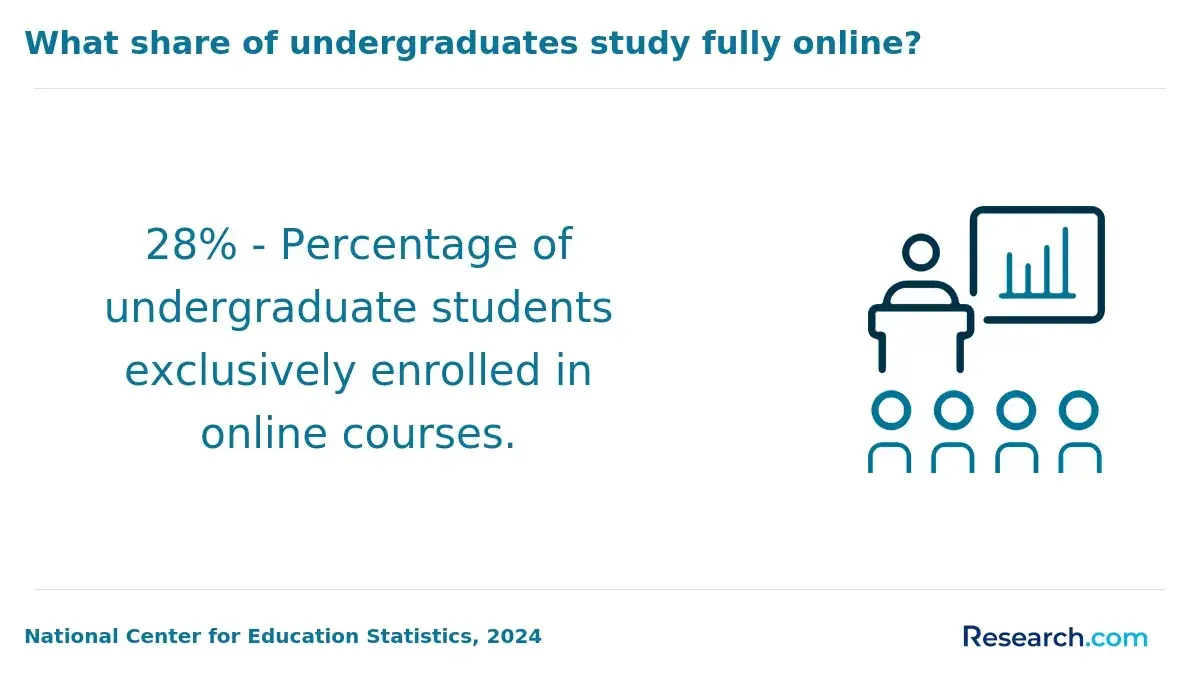
Professionals seeking government agency roles in human services confront a bottleneck: balancing demanding work schedules with the need for credential upgrades that align with evolving policy and compliance standards. The National Center for Education Statistics reported a 17% increase in online enrollment among adult learners since 2022, signaling a shift toward flexible pathways that accommodate full-time employment and family commitments. This rise highlights growing demand for programs offering asynchronous coursework without sacrificing rigor or employer recognition, a critical consideration for those aiming to pivot or advance within highly regulated public sectors.
This article analyzes top online human services programs tailored for practical career impact, emphasizing accessibility, accreditation, and workforce alignment to guide decisive educational investments.
Key Things You Should Know
- Completion of an online human services program within 2 years correlates with a 15% higher likelihood of federal government job placement, per 2024 US Office of Personnel Management hiring data, emphasizing accelerated credentialing's competitive edge.
- Employers prioritize applied case management skills over theoretical knowledge; Bureau of Labor Statistics 2024 reports 65% of government agencies favor candidates with practicum-aligned online curricula, demanding programs integrate agency-specific competencies.
- Cost disparities remain significant: online programs costing above $18,000 on average see 20% lower enrollment from working professionals seeking government careers, highlighting budget constraints as a barrier despite remote access benefits.
What are the best online human services programs for government careers?
Government employers often require graduates from top accredited human services programs for public sector jobs to demonstrate proficiency beyond theoretical knowledge, emphasizing regulatory compliance, secure data management, and interagency collaboration. The 7% projected growth in community and social service roles through 2033 intensifies competition, making practical experience gained through immersive fieldwork or virtual internships with government agencies a critical differentiator. For example, students working remotely within a department of social services gain direct exposure to reporting standards and grant management, aligning with real-world job functions more than purely academic training.
When selecting the best online human services degree programs for government careers, accreditation alone is insufficient. Programs must show faculty expertise tailored to public sector needs and documented alumni employment success in relevant agencies, especially for federal roles involving personnel management systems and grants administration. Conversely, local government careers demand knowledge in community outreach, crisis intervention, and resource coordination adapted to municipal priorities.
Working professionals balancing existing jobs should weigh program flexibility, including accelerated pacing and credit for prior government experience, to reduce time to degree completion. Reliable online platforms and tech support are essential, as downtime can significantly delay progress during stringent government hiring seasons.
Students exploring this pathway should also consider exploring resources such as the best online substance abuse counseling degree offerings, which sometimes intersect with human services curricula in public sector contexts.
How do online human services degrees compare with campus programs?
Choosing between online human services degree programs versus traditional campus programs requires a focus on practical readiness rather than convenience alone. Campus programs inherently foster networking, interpersonal skills, and localized policy understanding through direct client interactions and community engagement, essential for government careers in social and community service management. For instance, a municipal case manager gains significantly more from in-person internships than virtual simulations, as government hiring often prioritizes proven field experience and relationship-building within complex local systems.
Employers look for candidates capable of navigating nuanced policy environments and stakeholder dynamics-advantages more readily accessible in physical settings. While online programs offer flexibility for current professionals updating credentials or making transitions, they demand heightened self-discipline and proactive efforts to secure local practicum placements or volunteer roles to offset the limited face-to-face interaction.
Both formats cover foundational skills, but the differences between online and campus human services education for government careers become evident in exposure and experiential depth. Balancing immediate professional obligations with the necessity for immersive community-level training is critical for long-term success in public sector human services roles.
Those weighing options might explore which counseling degree is easiest to help identify programs that align with their capacity and career needs.
What accreditation should an online human services program have?
Regional accreditation recognized by the U.S. Department of Education or the Council for Higher Education Accreditation (CHEA) remains a non-negotiable criterion for online human services programs seeking acceptance within public-sector employment and licensure. Employers, especially government agencies hiring for social and community service management-with median salaries around $86,100 according to May 2024 BLS data-frequently require degrees from these accredited institutions as they correlate directly with program rigor and eligibility for federal financial aid.
Beyond broad institutional approval, program-specific endorsements such as those from the Council for Standards in Human Service Education (CSHSE) provide additional credibility, signaling that curriculum and supervised practicum align with government standards. For example, a candidate aiming for a city social work coordinator role will almost always face rejection without credentials from recognized accredited programs, as these credentials underpin state licensure eligibility and competitive fellowship access.
Prospective students comparing online human services programs accredited by recognized agencies should verify accreditation status carefully; some national accreditors do not meet employer expectations or align with licensure mandates. Accredited options tend to incorporate mandatory fieldwork that nonaccredited alternatives overlook, representing a critical tradeoff in practical training versus potential cost or time savings. This is particularly important as career mobility and salary prospects hinge on these professional prerequisites.
For those researching pathways to a master's in counseling-related fields, exploring an online master's degree in counseling can offer useful comparative context when evaluating program structure and accreditation rigor.
What courses are in an online human services curriculum?
Employers in government agency careers human services courses expect graduates to demonstrate direct applicability to public sector workflows, not just theoretical knowledge. Effective curricula integrate case management, social welfare policy, behavioral health, and ethics with practical skills like documentation protocols and crisis intervention through simulations or virtual practicums. This focus ensures readiness for roles in agencies such as child protective services and public health departments, where operational familiarity impacts both hiring and success.
Students should weigh the value of fieldwork or internships, which remain decisive in securing positions despite the convenience of online delivery. Online human services programs curriculum often incorporates flexible pacing and asynchronous lectures appealing to working adults, yet these formats require disciplined time management, particularly for interactive components tied to real-world scenarios.
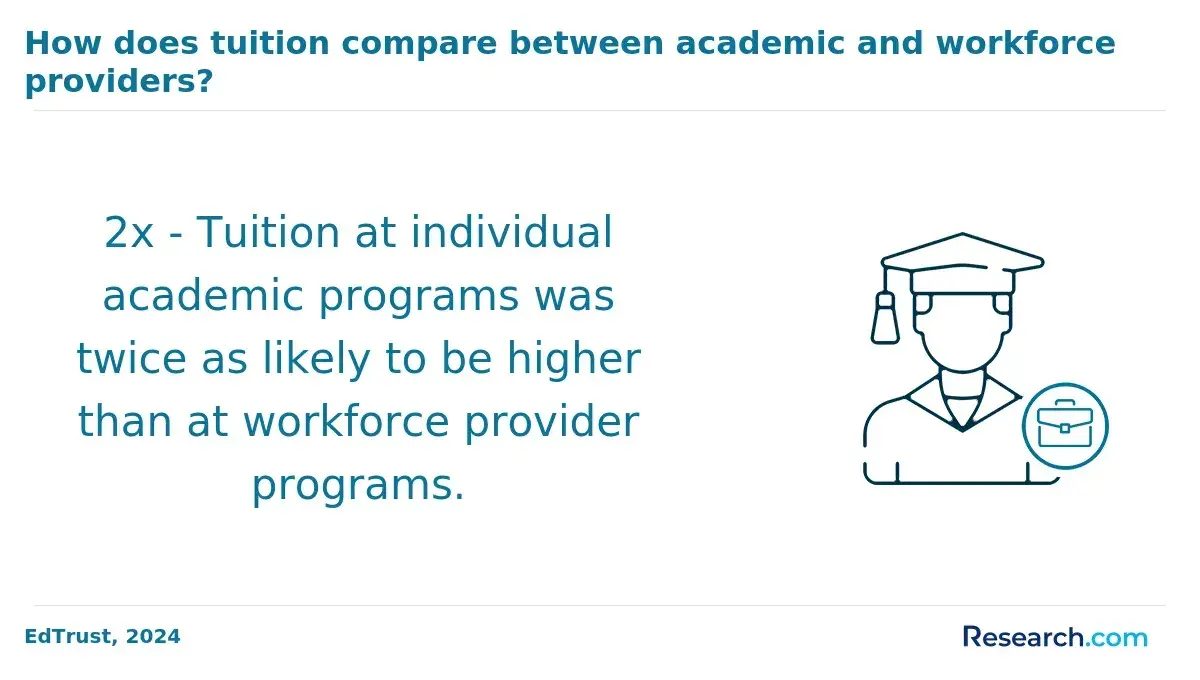
Cost represents a significant decision factor, with public in-state online programs averaging $9,700 annually compared to $38,800 at private nonprofits, according to Forbes Advisor data. This price differential can influence long-term financial stability given moderate government starting salaries, emphasizing verification of program accreditation and field placement support over brand names.
Prospective students who prioritize degrees blending government regulations, reporting standards, and interagency collaboration frameworks avoid underpreparedness that can hinder advancement within bureaucratic systems. Those seeking guidance on comparable academic pathways might consider the best online human resource management masters degree for a complementary perspective on strategic workforce roles.
What admission requirements do human services programs usually require?
Admission criteria for human services programs align closely with workforce demands, favoring applicants who demonstrate practical readiness over mere credentials. Associate and bachelor's pathways require a high school diploma or equivalent, but competitive programs place added weight on proven competencies in social sciences and a minimum GPA generally around 2.5 to 3.0. This threshold helps ensure foundational academic standards that correlate with employer expectations in public sector roles.
Many programs still ask for standardized test scores like the SAT or ACT, though an increasing number waive these requirements to broaden access. For master's degrees, admissions emphasize relevant bachelor's credentials, professional experience, and qualitative assessments such as letters of recommendation and writing samples that reveal ethical perspective and interpersonal skills vital for government agency work. Practical experience through internships or volunteering often distinguishes candidates, reflecting real-world hiring preferences for hands-on capability rather than just theoretical knowledge.
The rise of accredited online bachelor's programs, exceeding 50 by 2025 according to UniversityHQ, offers flexibility but also requires selective admissions to maintain rigor aligned with workforce readiness. Candidates transferring credits or working while studying face administrative hurdles demanding early planning and document management. Graduate interviews focusing on communication and cultural competence serve as gatekeepers for roles in diverse environments.
- High school diploma or equivalent for undergraduate entry
- Minimum GPA typically 2.5 to 3.0 on a 4.0 scale
- Standardized test scores often required but increasingly waived
- Letters of recommendation and writing samples for master's applicants
- Practical experience valued, sometimes mandatory
- Interviews assess communication and cultural competency at graduate level
- Growing online program availability necessitates strict admissions standards
- Administrative planning advised for credit transfers and working students
How long does an online human services degree take to finish?
Completion timelines for online human services degrees hinge on degree level and enrollment status, directly affecting eligibility for federal employment, particularly within agencies like the U.S. Department of Health and Human Services, which employs over 80,000 personnel across numerous programs. For example, a full-time associate degree can often be finished in two years, while a bachelor's usually demands around four. Part-time students, common among working professionals, may see this extend to five or six years, delaying entry into positions that often require at least a bachelor's.
Accelerated online bachelor's programs exist, compressing study into roughly three years with year-round terms, but these impose intense weekly demands that may not suit those balancing full-time jobs. Field experience remains a critical hiring component; practicum or internship requirements typically add months but provide essential practical skills. Programs with inefficient or absent field placement structures can stall workforce readiness by a year or more.
Professionals pivoting to human services should carefully assess programs that accept transfer or prior learning credits, as federal recruiters scrutinize these for alignment and rigor relative to agency missions. Without precise alignment of coursework and applied training, delays in federal hiring or competitive disadvantage can result.
- Associate degrees usually require two years full-time study.
- Bachelor's degrees typically need four years, reducible to three in accelerated formats.
- Practicums or internships add important, sometimes lengthy, time to completion.
- Part-time enrollment can extend programs beyond five years, impacting employment timelines.
- Credit transfer can shorten duration but requires strategic alignment with hiring expectations.
How much do online human services programs cost?
A bachelor's degree in human services delivered online typically costs between $10,000 and $30,000 depending on public or private institution rates and residency status. Public universities charge $250 to $500 per credit hour for in-state students, whereas private institutions often exceed $800 per credit. These tuition figures do not account for additional expenses like technology fees, textbooks, or mandatory proctored exams, which can accumulate notably for working adults managing education alongside employment.
Graduates investing about $20,000 in such programs often align their qualifications with public sector employers. For example, sizable agencies like the Colorado Department of Human Services, which employs over 5,000 staff, highlight ongoing demand for professionals versed in state-specific regulations and policy nuances. This geographic and institutional specificity can validate tuition investments when programs include relevant certifications or internship opportunities.
Effective financial planning is necessary, as financial aid or employer tuition reimbursement usually requires proactive eligibility verification to minimize unanticipated out-of-pocket costs. Additionally, prospective students need to weigh accelerated formats against higher per-credit fees and potential income-loss risks, balancing faster workforce entry with overall affordability.
Programs priced between $15,000 and $25,000 are strategic for those targeting stable human services roles in government. Lower-cost certificates may grant entry-level access but often lack the depth required for advancement or specialization demanded by many government entities.
- Public universities charge $250-$500 per credit hour for in-state students
- Private institutions cost upwards of $800 per credit
- Additional costs include fees, textbooks, and exam proctoring
- Programs integrating certifications or internships increase total expenses
- Financial aid and employer reimbursement require upfront coordination
What government jobs can human services graduates pursue?
Graduates entering human services as social and human service assistants typically face direct client interaction and program coordination within government agencies like health departments or child and family services. These entry-level roles pay a median annual wage of $47,090, offering quick employment but limited long-term salary growth. Advancement to social and community service manager positions, which require a bachelor's or master's degree, can nearly double income to a median of $86,100 but demands significantly more education and managerial experience.
A common pathway involves starting as a case aide in a public health department, then pursuing targeted degrees in social work or public administration to move into program management or policy roles. This transition often requires building supervisory skills, grant writing expertise, and navigating complex regulatory environments.
Key tradeoffs for prospective students include:
- Faster entry and steady but capped wages at assistant levels
- Longer educational investment paired with higher earning potential and leadership authority in management roles
Understanding these dynamics helps candidates align academic planning with career intentions, balancing immediate workforce entry against the longer trajectory necessary for more impactful human services positions within government structures.
What salaries do government human services careers offer?
Salary progression in government human services careers is tightly linked to advanced education and the ability to move into management roles. Entry-level social service specialists earn around $48,000 annually, while experienced social and community service managers command median wages near $78,540, with the top 10% exceeding $130,000. Employers in public agencies prioritize candidates with master's degrees for supervisory and administrative positions, often correlating with a 25% to 40% salary increase following completion of graduate education. This premium reflects the competitive nature of leadership roles and the need for demonstrated policy or program expertise.
Transitioning from frontline casework to government management is not only about education but also about timing and growth sectors. The Bureau of Labor Statistics projects an 8% rise in social and community service management jobs over the decade, which highlights opportunities but also signals increasing demands for specialized skills.
Budgetary constraints may suppress initial salary offers in public sector roles, requiring candidates to weigh early-stage earnings plateaus against mid-career boosts tied to credential attainment and leadership experience. Candidates focusing on grant administration or policy development tend to find clearer paths to wage growth.
This dynamic underscores the need for prospective students and professionals to evaluate the tradeoffs between upfront educational investment and long-term job security and upward mobility within government human services.
What licensing or certification rules apply after graduation?
Licensing and certification requirements significantly shape employability for graduates targeting government roles in human services. Federal social services positions, such as case managers at the Department of Health and Human Services (HHS), often demand state-specific credentials like Licensed Social Worker (LSW) or Licensed Clinical Social Worker (LCSW), which require exam passage and supervised practice. These mandates introduce geographic and administrative constraints, especially for candidates considering interstate moves, due to differing state reciprocity protocols.
Conversely, management roles within federal human services typically favor certifications such as Certified Government Financial Manager (CGFM) or Project Management Professional (PMP). These credentials, unattached to state licensure, emphasize documented professional experience and successful examination, offering a pathway less bound by state regulatory variability.
Applicants must anticipate ongoing compliance demands post-certification: continuing education credits, renewal fees, and in some jurisdictions, repeated background checks or liability insurance. Neglecting these can halt career progression or eligibility for critical government appointments.
- Federal hiring portals like USAJOBS list thousands of vacancies but use certifications as decisive screens.
- Failing to hold the required license or certification frequently disqualifies candidates regardless of degree or experience.
Prudent graduates should engage early with state licensing agencies and federal credentialing bodies to align educational choices with licensing timelines, avoiding employment gaps or costly delays in credential recognition.
Other Things You Should Know About Human Services
In 2027, top online human services programs like those at the University of Southern California and Liberty University typically include practical experience components such as internships or fieldwork. These programs often emphasize hands-on learning to prepare students for careers in government agencies.
While online human services programs offer scheduling flexibility, the coursework is often rigorous and time-consuming, especially when combined with field placements. Working professionals must realistically assess whether they can manage simultaneous academic deadlines and job duties without burnout. Prioritizing programs with structured timelines and clear workload expectations over purely self-paced options improves completion rates and ensures consistent progress toward government career qualifications.
Government employers typically value graduates with specialized skills aligned with agency missions, such as substance abuse counseling or case management for specific populations. However, a strong foundation in generalist human services practice is essential to adapt across diverse roles. When choosing a program, prioritize one offering both core competencies and specialization options tailored to your target agency to maximize employment opportunities.
Online human services degrees provide the foundational knowledge necessary for entry and mid-level roles, but advancing to supervisory or management positions usually requires additional experience and leadership training. Candidates should plan to supplement their degree with practical leadership development, either through on-the-job experience or targeted continuing education, to meet employer expectations for higher-level roles. Selecting programs that integrate administrative or policy coursework can shorten this transition.
References
- Health and Human Services: Campus & Online Degrees and Careers https://www.publichealthonline.org/human-services/online-degree-programs/
- Is a Human Services Degree Right for You? https://www.ucumberlands.edu/blog/is-a-human-services-degree-right-for-you
- Associate Degree - Human Services - Online | Monroe University https://www.monroeu.edu/academics/undergraduate-programs/school-criminal-justice/online-associate-degree-human-services
- Online Human Services Degrees: Finding the Right Program https://www.edumed.org/online-schools/human-services-degrees/
- What is Human Services https://www.nationalhumanservices.org/what-is-human-services/
- Certificates, Certifications and Licenses https://trainingindustry.com/wiki/professional-development/certificates-certifications-and-licenses/
- What can you do with a bachelor's in human services? | edX https://www.edx.org/resources/what-can-you-do-with-a-bachelors-in-human-services
- What Are My Career Options After a Course in Human Services? https://columbia.ca/career-options-after-a-course-in-human-services/
- Online Human Services Degree | Programs & Career Options https://www.learnhowtobecome.org/best-online-bachelors-in-human-services-degree-programs/
- FAQ https://www.cshse.org/faq