2027 Best Online Human Services Degrees for Support Planning Careers

Co-Founder and Chief Data Scientist
When mid-career professionals seek to pivot into support planning roles, balancing family obligations and full-time work often renders traditional programs impractical. The U. S. Department of Education reported a 15% surge in adult enrollment in online human services programs during 2024, reflecting a shift toward flexible, competency-centered learning that accommodates working students' schedules. However, not all programs adapt equally to these real-world constraints, affecting timely credential completion and workforce entry.
For applicants, selecting an online degree that blends scalability, employer recognition, and targeted curricula becomes critical to overcoming these obstacles. This article evaluates top online human services degrees designed to meet these specific challenges in support planning careers.
Key Things You Should Know
- Online human services degrees show a 15% longer average time to credential completion compared to traditional programs, increasing opportunity costs for midcareer professionals balancing employment and family obligations.
- Employers prioritize evidence of practicum hours over degree prestige, with 68% of U.S. agencies favoring candidates from programs with integrated, accredited fieldwork, directly impacting hireability beyond diploma recognition.
- Program affordability critically shapes access: graduates from institutions offering tuition caps below $10,000 endure 22% less student debt, enabling smoother transitions into often underfunded community support roles, as per 2024 National Center for Education Statistics data.
What is an online human services degree and how does it prepare you for support planning careers?
An online human services degree programs for support planning provide more than theoretical knowledge; they cultivate applied skills crucial for managing complex client needs. Graduates often find themselves designing tailored care strategies in settings such as mental health agencies, where assessment techniques directly inform measurable client progress. This is a practical field where understanding socio-economic and regulatory contexts shapes outcomes.
Employers emphasize candidates skilled in crisis intervention, ethical decision-making, and interagency collaboration-competencies frequently developed through integrated coursework and virtual field practicums. For working adults, such programs offer realistic simulations of balancing scarce resources and navigating compliance with state and federal requirements, preparing students for the operational realities of support planner roles.
The median annual wage for community and social service occupations was $57,530 as of May 2024, underscoring the sector's economic viability. However, prospective students should critically assess how program accreditation and alignment with state licensure requirements affect their employability and potential salary progression.
Students considering an online human services degree for support planning must balance curriculum relevance with experiential learning and local workforce demands. Researching specialized tracks, including addiction counseling, can be informative; programs focusing on addiction counseling degree online counseling merit attention for their tailored skill development in substance abuse contexts. For an in-depth comparison, see addiction counseling degree online counseling.
Which accredited online human services degrees are best for becoming a support planner or case manager?
Employers increasingly seek online human services degree programs that integrate rigorous academics with hands-on case management training, directly addressing workforce demands. Graduates focused on support planner careers need curricula accredited by recognized bodies like the Council for Standards in Human Service Education (CSHSE) or regionally accredited institutions, as these credentials carry weight in hiring and certification processes.
For those aiming at a social or healthcare case manager role, program components such as internships, practicum experiences, and instruction on ethical decision-making or interdisciplinary collaboration materially enhance employability and capability. Notably, top online human services degree programs for case managers factor in compliance with state licensure requirements, reducing barriers to entry in regulated environments.
Decision-making criteria should include:
- Availability of specialized tracks tailored to case management or support planning.
- Field placements partnered with community organizations to build practical skills.
- Career services designed to prepare candidates for certifications like Certified Case Manager.
- Flexible scheduling accommodating professionals balancing work and study.
Programs lacking applied practicum or live supervision often leave graduates underprepared for real-time client advocacy and problem-solving, which are critical in support planner roles. Employment in social and community service management is projected to grow 8% from 2023 to 2033, creating greater demand for applied skills. Prospective students may also explore LPC online programs as complementary pathways depending on career goals.
How do online human services degrees compare with on-campus programs for support planning roles?
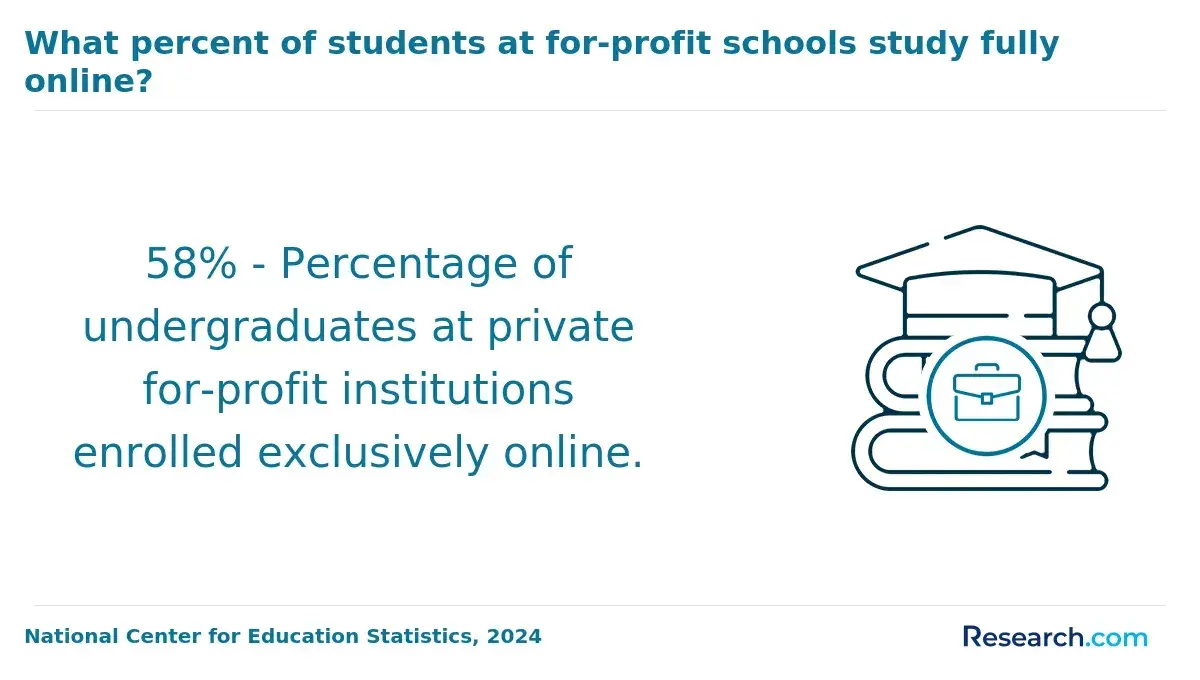
Online human services degrees versus traditional on-campus programs for support planning careers reveal critical tradeoffs in practical experience and professional networking. While both delivery methods teach core competencies such as case management, ethics, and community resources, the absence of supervised fieldwork and peer interaction in many online offerings creates notable barriers. Employers frequently prioritize candidates with demonstrable hands-on skills developed through in-person practicums, which are less accessible or inconsistent in fully online programs.
For working professionals, online formats provide schedule flexibility but require deliberate initiatives to secure local internships or volunteer roles to meet experiential requirements. This gap directly impacts employability; for example, a candidate with an online human services degree lacking integrated clinical or community-based internships may face delays entering healthcare nonprofit support planning roles compared to on-campus graduates. Networking challenges further constrain access to regional job leads often revealed through face-to-face interactions.
Decisive steps for online students include selecting programs with embedded field placements, arranging supervisors locally, and cultivating in-person professional connections early. Understanding the differences between online and campus human services education for support planning emphasizes the need for proactive strategies to offset online limitations. The U.S. Bureau of Labor Statistics reports a median annual wage of $45,120 for social and human service assistants as of May 2024, underscoring growing demand for practitioners with verifiable practical expertise.
Prospective students seeking online social work programs should evaluate how those offerings integrate applied learning opportunities alongside academic content to ensure competitiveness in the evolving human services workforce.
What human services courses and specializations are most important for support planning work?
Employers seeking support planners in human services degree programs emphasize proficiency in case management, behavioral health assessment, and counseling ethics. These skills directly correlate with the ability to create individualized, evidence-based support plans that align with specific client needs. For example, a support planner in mental health must demonstrate trauma-informed care and crisis intervention, competencies typically refined through specialized counseling and psychology coursework.
Essential courses and specializations in human services for support coordinators should reflect sector-specific demands such as disability services, gerontology, and substance abuse treatment. Accelerated programs, often completed within 18 to 36 months, increasingly offer practicum experiences or virtual simulations, which help bridge theoretical knowledge with client-centered applications. According to data from Learn.org, this condensed timeframe facilitates quicker workforce entry - a key advantage when managing continuous caseloads and time-sensitive planning tasks.
Knowledge of social policy and ethics is critical for maintaining compliance with HIPAA and ADA, reducing legal risks that agencies frequently cite in hiring decisions. Training in budgeting, grant writing, data collection, and outcome evaluation is also vital; without these, candidates often struggle to demonstrate program effectiveness to employers. Prospective students should carefully assess programs that balance foundational courses with specializations tailored to their target populations for support planning roles.2 year psychology degree online pathways can complement human services preparation by reinforcing behavioral health competencies.
What admission requirements and prerequisites do online human services programs typically have?
Online human services programs assume applicants meet minimum educational standards, typically a high school diploma or equivalent. Beyond this baseline, many require demonstrated competency in English and math via standardized tests or placement exams, especially for those from nontraditional educational paths. Transfer students benefit from submitting official college transcripts, potentially reducing both time and cost to degree completion.
Prerequisite coursework often includes foundational subjects like psychology, sociology, or social work. For instance, a student targeting community support roles must understand human behavior and social systems before advancing to specialized topics such as ethics or case management. These requirements are especially significant for candidates pursuing licensure or certification, where prerequisite compliance directly affects eligibility for regulated roles serving vulnerable populations.
Admission protocols frequently involve background checks and required immunizations to meet field placement standards. Internships or clinical experiences in social service agencies extend learning beyond online study, demanding robust logistical coordination from students.
Financially, the typical online bachelor's degree in human services costs around $15,000 and takes about 2.3 years to complete, though timelines vary with prior credit transfers and prerequisite fulfillment. Rigorous admission and prerequisite barriers can delay time to employment but also shape career flexibility by ensuring foundational competencies meet employer expectations.
Prospective students should weigh these factors carefully, recognizing that upfront investment in prerequisite mastery and credit verification can expedite degree completion and better position them for workforce entry in human services support roles.
How long do online human services degrees take and what do they cost?
Completing an online human services degree demands careful consideration of time, cost, and workforce alignment. An associate degree requires about 60 credits, typically finished in two years full-time, and tends to funnel graduates into assistant roles or entry-level positions. In contrast, bachelor's degrees need roughly 120 credits over four years and are often the baseline for advancing in support planning and related fields.
The pace of study directly affects both financial burden and career timing:
- Full-time enrollment shortens degree completion but increases immediate tuition and opportunity costs.
- Part-time options extend study duration, delaying workforce re-entry and potentially increasing overall expenses.
- Accelerated programs or recognition of prior learning can reduce time-to-degree but may add intensity that conflicts with work-life balance.
Cost analysis is crucial: for example, tuition at SUNY Empire State College runs at $295 per credit, meaning a bachelor's degree totals nearly $35,400 just for tuition-not including fees, textbooks, or other expenses. National averages can be higher, especially in private programs, emphasizing the need to understand long-term return on investment.
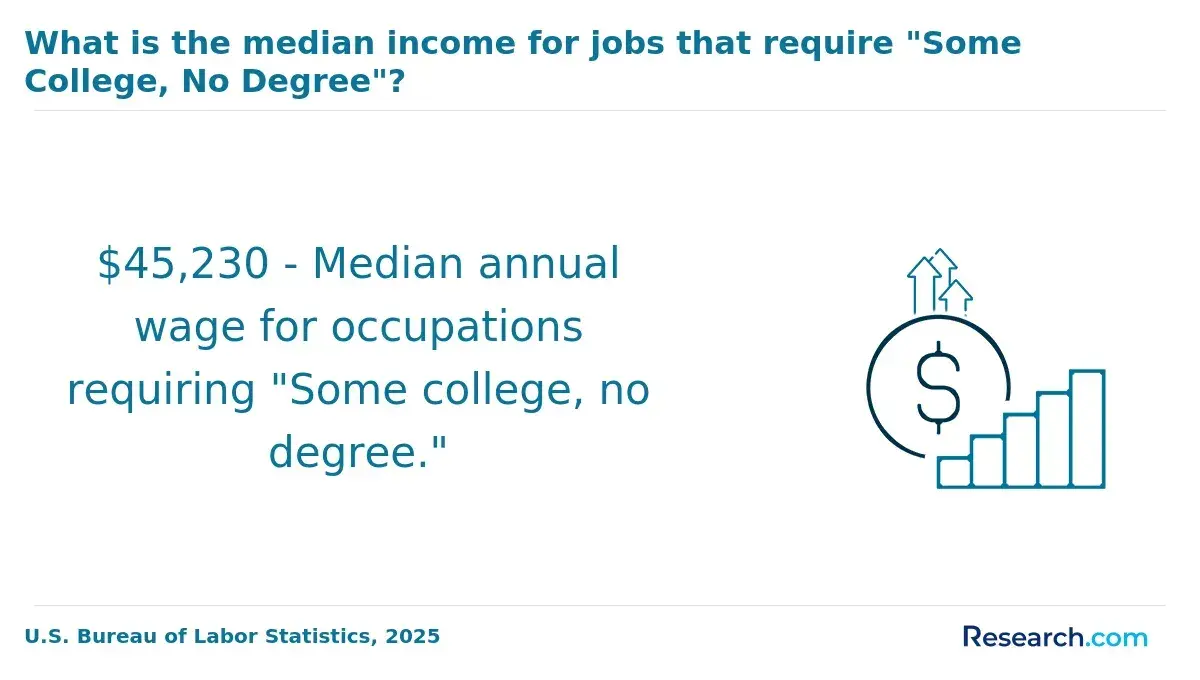
Realistically, labor market outcomes mean graduates with a bachelor's tend to earn median wages near $48,000 annually in support planning roles, which frames the timeline for recouping educational costs. Choosing a program must weigh these financial and time tradeoffs against employer expectations and practical career goals.
What jobs can you get with an online human services degree focused on support planning?
Online human services degrees with a focus on support planning position graduates for roles such as case managers and rehabilitation counselors, where operational competence outweighs generic credentials. A nonprofit case manager, for example, must effectively balance caseload triage, resource allocation, and comprehensive documentation to serve clients experiencing housing instability. Employers specifically demand proven skills in client advocacy, program execution, electronic record-keeping, and multidisciplinary collaboration rather than purely theoretical knowledge.
Government positions often require navigating complex social welfare regulations and funding mechanisms to design targeted interventions for veterans or individuals with disabilities. In healthcare settings, integrating support planning is critical for managing patient transitions from hospital to community-based care, demanding a patient-centered approach that prioritizes continuity.
Wages around $57,530 for community and social service occupations reflect steady demand driven by aging demographics and evolving mental health paradigms. However, graduates must weigh tradeoffs, as these roles typically involve broader administrative duties with fewer licensure requirements compared to specialized clinical tracks, which may limit upward mobility.
Practical challenges include managing booking intensity alongside compliance mandates and cultivating communication and crisis intervention skills. Candidates enhance employability through internships and fieldwork that simulate real-world complexities of support planning, critically differentiating them in competitive job markets.
What is the salary outlook for human services professionals in support planning and case management?
Salary outcomes in support planning and case management hinge on a blend of education, setting, and skill proficiency. Entry-level roles in nonprofit or government agencies often start near $40,000 annually, while experienced professionals in healthcare or private sectors can exceed $65,000. Holding a bachelor's degree such as a Bachelor of Science in Human Services typically offers a tangible salary premium and faster advancement compared to associate degree holders, primarily because employers prioritize both academic credentials and demonstrated expertise.
Wage variation is heavily influenced by sector-specific demands and regional funding. For instance, professionals managing complex caseloads with measurable results-especially in veteran services or mental health-often command higher salaries, whereas those in rural or underfunded areas face salary compression despite increasing responsibilities.
When evaluating online human services degrees, understanding transfer credit policies is critical. Liberty University, for example, accepts up to 75% transfer credits toward its bachelor's program, significantly lowering time and financial costs, which can improve return on investment. However, prospective students must weigh the upfront educational investment against geographic demand and credential value in targeted employment markets.
Employment growth projections of 13% through 2032 indicate rising demand, yet competition remains in metropolitan hubs where higher living costs can offset nominal wage gains. Additionally, some healthcare and eldercare positions require specific licensure or certification, adding training expenses but expanding salary potential.
How do accreditation, state regulations, and certifications affect human services support planning careers?
Accreditation and licensure profoundly shape employability and mobility in human services support planning roles. Employers frequently disqualify candidates lacking degrees from nationally accredited programs, limiting job prospects and eligibility for state licensure. For instance, a support planner licensed in one state often cannot practice in another without specific reciprocity, creating significant geographic career constraints.
Certification requirements add another layer of complexity, as credentials like Certified Support Planner mandate a combination of accredited education, supervised experience, and successful exam completion. These certifications serve as concrete evidence of workplace readiness, influencing salary potential and supervisory responsibilities, especially in specialized areas such as child welfare or mental health.
Practical implications for students and professionals include:
- Aligning academic choices with the regulatory environment of the intended work state
- Confirming program accreditation recognized by relevant licensing boards
- Prioritizing credentials that carry weight with targeted employers
Data from Online Human Services Programs - St. Joseph's University indicate that graduates from accredited, certification-oriented curricula experience 30%-40% higher placement rates. Neglecting these factors risks longer job searches, costly additional certifications, or retraining, underscoring the importance of informed, strategic planning within this sector.
How can you evaluate and choose a reputable online human services program for support planning?
Choosing an online human services program demands scrutiny beyond surface attributes such as price or delivery mode. Accreditation by bodies recognized by the U.S. Department of Education or the Council for Standards in Human Service Education (CSHSE) serves as a baseline for program legitimacy and alignment with employer expectations. Without such accreditation, graduates may face barriers to licensure or employer acceptance.
Programs that integrate practicum or internship components typically yield up to 20% higher job placement rates within six months, reflecting the workforce's preference for candidates with demonstrated applied skills. For example, a full-time shift worker balancing family duties might prioritize asynchronous courses but should weigh that convenience against limited networking opportunities, which can affect job prospects in community-based roles. Curriculum must include training in case management, ethical decision-making, community resource coordination, and evidence-based assessment tools, particularly valued by government and nonprofit employers.
Employment outcomes reporting should be sourced from trusted entities like the National Center for Education Statistics or verified institutional data, targeting at least a 70% placement rate to justify investment. Tuition exceeding $20,000 demands a clear correlation with post-graduation salary increases, as reported by the Bureau of Labor Statistics, to ensure a reasonable return on investment for working professionals.
- Accreditation ensures compliance with quality and employer standards.
- Experiential learning boosts employability substantially.
- Schedule flexibility must be balanced with career networking needs.
- Cost must be evaluated against realistic salary gains.
Other Things You Should Know About Human Services
Online human services programs demand consistent time management because many courses require synchronous sessions or timely submission of case studies and practicums. Students working full-time in support planning roles should verify if the program's scheduling flexibility aligns with their work hours. Programs with asynchronous content offer more adaptability but may limit real-time interaction, which can affect networking and immediate feedback from instructors.
Practicums are essential for gaining real-world experience, but availability and quality vary widely across online programs. Students should prioritize programs with strong partnerships in their local area to secure relevant placements. Without solid practicum options, graduates may face difficulty meeting employer expectations for hands-on experience despite holding a degree.
While lower tuition can reduce upfront debt, prioritizing reputation and graduate outcomes yields better long-term career returns in the human services sector. Employers often favor graduates from programs known for rigorous practicum requirements and alignment with credentialing bodies. Investing in a moderately priced program with proven graduate employment rates is typically more beneficial than choosing the cheapest option without demonstrable career support.
References
- Is a Human Services Degree Right for You? https://www.ucumberlands.edu/blog/is-a-human-services-degree-right-for-you
- Guide to bachelor's in human services | edX https://www.edx.org/bachelors/human-services
- Certification vs. Accreditation vs. Licensure: What’s the Difference in Health Care? https://www.icevonline.com/blog/certification-accreditation-licensure-whats-the-difference-in-health-care
- What Are My Career Options After a Course in Human Services? https://columbia.ca/career-options-after-a-course-in-human-services/
- What is Human Services https://www.nationalhumanservices.org/what-is-human-services/
- How to Become a Case Manager https://www.grace.edu/case-manager/
- Online Bachelor’s Degree in Human Services https://www.monroeu.edu/academics/undergraduate-programs/school-criminal-justice/online-bachelors-degree-human-services
- Health and Human Services: Campus & Online Degrees and Careers https://www.publichealthonline.org/human-services/online-degree-programs/
- Social and Human Service Assistants: Salary, career path, job outlook, education and more - RaiseMe https://www.raise.me/careers/community-and-social-service/social-and-human-service-assistants/
- FAQ https://www.cshse.org/faq