2027 Best Online Human Services Programs for Professionals Seeking Nonprofit Careers

Co-Founder and Chief Data Scientist
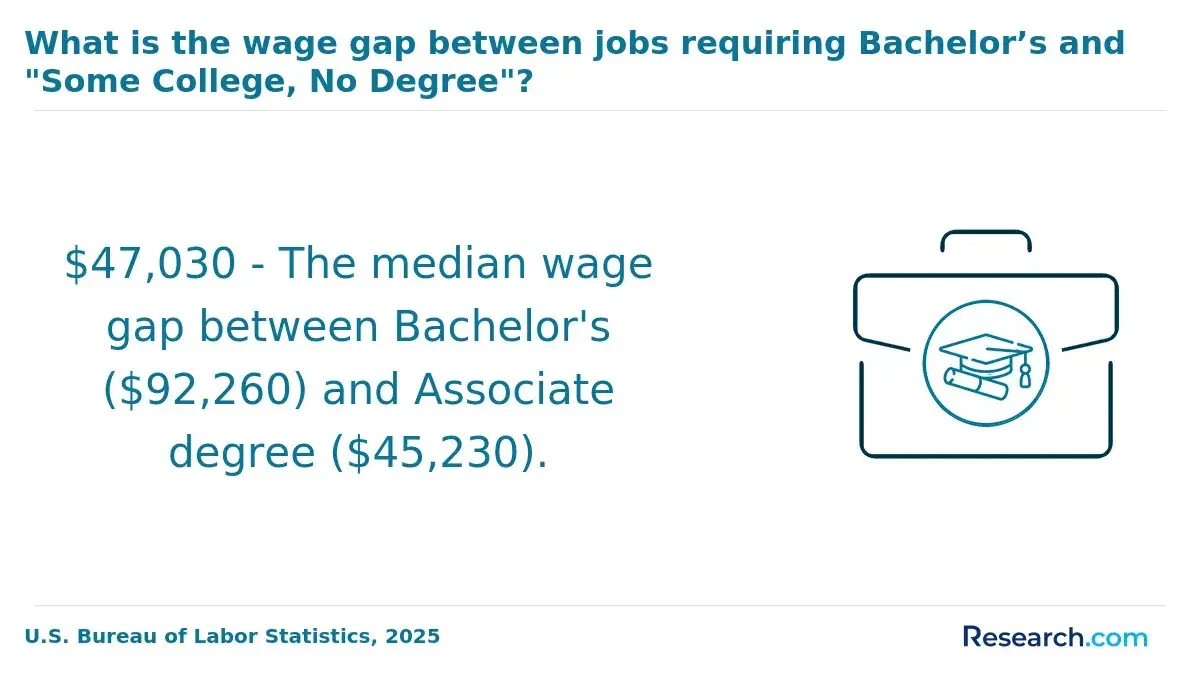
Professionals seeking to transition into nonprofit roles in human services face the challenge of balancing urgent career shifts with limited access to programs that fit work and personal obligations. Traditional degree formats often exclude working adults, yet enrollment in fully online programs surged by over 23% between 2022 and 2024, according to the National Center for Education Statistics. This trend signals a growing preference for flexible, accessible education but also intensifies competition and questions about program quality and relevance.
Navigating these options requires a clear understanding of which online human services programs offer practical skills, employer recognition, and realistic timelines. This article identifies top programs designed to meet these demands and aid effective career advancement in nonprofit human services.
Key Things You Should Know
- National Center for Education Statistics data shows that online human services degrees yield 12% lower early-career salaries compared to traditional programs, forcing candidates to weigh immediate earnings loss against long-term non-degree experience gains.
- Employers increasingly prioritize field-specific internships over purely academic credentials; 78% of nonprofit HR leaders surveyed in 2024 value applied project completion within online programs as a proxy for readiness.
- State licensing variations impose a 6- to 18-month average delay for online graduates to meet certification standards, requiring professionals to factor access timing and additional costs into educational timeline decisions.
What is an online human services degree and how does it prepare you for nonprofit work?
An online human services degree benefits for nonprofit careers by equipping students with targeted skills in social welfare policy, client advocacy, and ethical decision-making needed to navigate complex nonprofit environments. Professionals trained in these areas often manage programs for vulnerable populations, balancing compliance with regulatory requirements and outcome measurement-core demands that separate effective nonprofit workers from less-prepared peers.
Such programs prepare nonprofit professionals to address diverse client needs through interdisciplinary collaboration and evidence-based practices. The projected 7% growth in community and social service roles through 2032, adding roughly 281,600 jobs, underscores persistent sector demand. However, these opportunities come with expectations: employers seek candidates who transform remote studies into practical competencies, including data handling and program evaluation, which challenge online learners without structured experiential components.
Online delivery sacrifices in-person interaction, making internships or practicum placements essential for skill acquisition and network building. Evaluating programs for accredited curricula and nonprofit partnerships becomes critical for students aiming to fulfill those real-world functions. The median annual wage of $52,000-above many entry-level positions lacking specialized training-reflects the financial viability of this education path despite these hurdles. For prospective students weighing program options, referencing established resources like the best online MFT programs can provide comparative insight into online human services degree structures and outcomes.
Which online human services programs are best for launching or advancing a nonprofit career?
Programs that emphasize practical leadership, nonprofit management, and community engagement provide a clearer trajectory for nonprofit careers than broadly defined human services degrees. Employers increasingly prioritize candidates with skills directly applicable to nonprofit challenges, such as grant writing, nonprofit finance, and policy advocacy. Considering the projected 8% employment growth for social and community service managers through 2032, with about 17,800 annual openings and a 2023 median salary of $77,030, the alignment of curriculum with workforce expectations is critical.
For mid-career professionals-such as those transitioning from healthcare administration-choosing a top online human services degree for nonprofit professionals with nonprofit-specific coursework (including financial management and law) offers more tangible benefits than generic human services programs. Experiential learning components like internships or practicums within nonprofits are key to mastering stakeholder relations and operational nuances in sectors ranging from social welfare to education.
Flexibility and affordability also influence outcomes. Programs that provide asynchronous coursework paired with career support focused on nonprofit sector placement cater well to working adults. Candidates should seek offerings with accreditation and measurable, outcomes-based training rather than purely theoretical content to maximize return on investment. For those evaluating cost options, resources such as cheapest CACREP-accredited programs online can offer comparative tuition insights while maintaining quality standards.
How do you choose an accredited online human services program that employers trust?
Employers in nonprofit sectors consistently prioritize candidates holding an accredited online human services program recognized by regional accrediting bodies or the Council for Standards in Human Service Education (CSHSE). Such accreditation verifies that programs adhere to rigorous academic and applied training standards, directly influencing hiring outcomes and workforce readiness. Conversely, credentials from non-accredited institutions often result in significant hiring challenges, as employers seek verified competency aligned with sector demands.
Curriculums balancing theory with hands-on experience-such as field practicums or internships-are essential. For example, professionals focused on community outreach must confirm the presence of specialized coursework in cultural competency and program evaluation, as these skills are frequently stipulated in job descriptions. This practical emphasis ensures immediate operational capability in roles involving client interaction, case management, and compliance administration.
Data from OnlineU shows graduates from well-chosen accredited human services programs earn a median salary of $44,149 within a year, substantially outpacing those without higher education, which underscores the economic value of trusted human services degree programs for nonprofit careers.
Flexibility in course delivery, such as asynchronous formats, combined with strong student support and career advising, addresses real-world barriers faced by working professionals. Students balancing multiple responsibilities benefit from such structures, improving completion rates and long-term employability. For individuals evaluating accelerated MSW programs as a complementary or advanced pathway, reviewing comprehensive resources ensures informed decisions aligned with career objectives in social service fields. See accelerated MSW programs for further analysis.
What are the key differences between online and campus human services programs?
Choosing between campus and online formats for a human services degree reveals distinct practical tradeoffs affecting career trajectories. Online human services program differences primarily center on delivery, cost, and networking structures. Online options typically cost $30,000 to $48,000 for a 120-credit degree, with tuition between $250 and $400 per credit, notably more affordable than many private nonprofit campus programs. This cost efficiency supports working professionals balancing job demands with education but demands higher self-discipline and proactive fieldwork placement efforts.
Campus versus online human services education benefits diverge significantly in experiential learning. Campus programs offer structured access to hands-on practicums and face-to-face mentorship essential for client-centered roles such as nonprofit case management. For instance, on-campus students targeting leadership in community outreach often gain internships directly facilitated by staff, an advantage less accessible to online peers who must independently navigate local placement challenges.
Employer preference varies by organizational priorities: agencies focused on proven practical experience may lean toward campus graduates, while those valuing demonstrated time management and tech-savviness often accept online candidates. Students analyzing these differences should consider their job flexibility, availability of nearby internships, and specific nonprofit roles sought.
Those seeking adaptable schedules and lower costs might find online programs better aligned, especially when supported by effective networking strategies. For a broader perspective on flexible career options, explore work from home degrees that pay good money.
What courses and specializations do online human services programs offer for nonprofit careers?
Advanced human services programs focused on nonprofit career paths demand more than foundational knowledge; they require mastering skills directly linked to sector-specific outcomes. Graduates who integrate program development, grant writing, and data-driven evaluation are positioned to meet employer expectations for measurable impact and funding acquisition. For instance, roles in youth-serving nonprofits prioritize grant writing and outcome measurement to secure federal resources, while homelessness-focused organizations emphasize crisis intervention and case management, demanding different specialized competencies.
These programs often include coursework in organizational leadership, budgeting for nonprofits, compliance, and ethics, closely aligned with operational realities nonprofit managers face. Practical training in stakeholder engagement and volunteer coordination prepares students to navigate resource constraints and diverse community needs effectively.
Salary data illustrates the market differentiation: master's-level professionals in community and social service management command a median income of around $74,240 annually, compared to $52,000 for the broader sector. This wage gap reflects employer valuation of advanced budgeting, leadership, and analytic skills that influence hiring and promotion decisions.
Specializations such as mental health counseling, substance abuse, or social justice advocacy enable targeted expertise development, increasing employability in specific nonprofit niches. However, students must weigh the tradeoffs between broad program versatility and focused skill sets aligned with their career goals to maximize operational effectiveness and long-term impact.
What are the typical admission requirements for online human services bachelor's and master's programs?
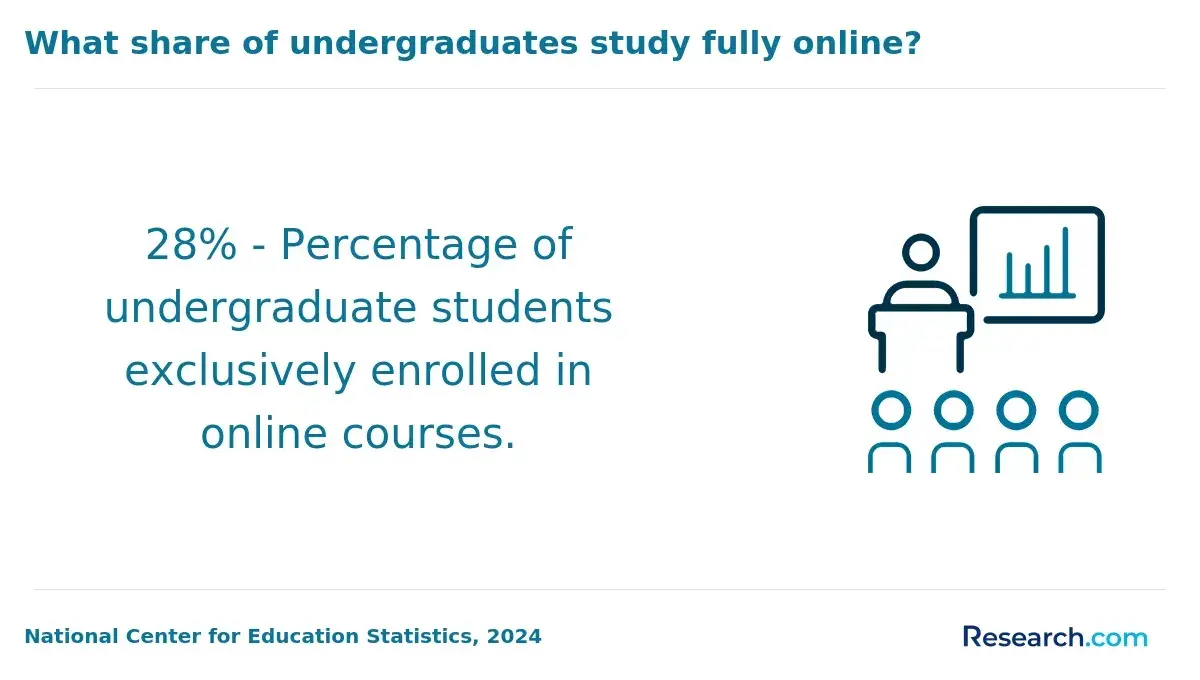
Admission to online human services bachelor's and master's programs requires navigating a balance between academic readiness and practical experience, a critical consideration for candidates targeting workforce applicability. Bachelor's programs generally ask for a high school diploma or GED, official transcripts, and a GPA threshold usually between 2.5 and 3.0. Although some schools still request SAT or ACT scores, a growing number have waived these requirements post-2024, altering traditional admissions dynamics.
At the master's level, candidates must hold an accredited bachelor's degree, commonly with a GPA near 3.0 or higher. Programs often demand evidence of relevant work or volunteer experience and prior study in social sciences or human services, but some accept varied undergraduate backgrounds supplemented by professional exposure. Letters of recommendation and resumes play a decisive role, reflecting practical involvement in behavioral health, aging, or disability sectors. Moreover, clinical clearances or background checks can delay entry depending on program requirements.
Working professionals considering a pivot into human services must evaluate prerequisites closely, as unmet requirements frequently postpone enrollment. The U.S. Bureau of Labor Statistics projects a 6% growth in employment for social and human service assistants through 2034, emphasizing the sector's growing demand. Prospective students should align applications with job-specific competencies rather than merely academic metrics to maximize employability in this competitive labor market.
How long do online human services degrees take and what do they cost?
Choosing an online human services degree involves weighing time commitment against career goals and financial realities. Associate degrees, usually two years, fit those aiming for support roles like case aides with quicker workforce entry but limited upward mobility. Bachelor's degrees stretch to four years full time, opening doors to entry-level social work and nonprofit management, though accelerated tracks cutting duration to three years demand a heavier workload and may hinder concurrent employment.
Cost is highly variable: associate programs through community colleges or online providers often stay between $8,000 and $20,000, appealing for budget-conscious students, while bachelor's degree tuition can total $18,000 to $64,000 based on credit costs that range from $300 to $800 per credit at public and private institutions. Employer tuition assistance or scholarships may alleviate expenses but need upfront planning.
Master's degrees usually require 18 to 24 months and target specialized roles or administration but are less commonly fully online, restricting access. OnlineU identifies over 150 accredited programs nationwide, offering choice but also introducing concerns around program quality and regional licensure acceptance, critical for regulated human services roles.
Students balancing work and study must consider how accelerated programs may necessitate foregoing employment temporarily, while part-time study extends completion time but preserves income. Choosing a credential must align with realistic timelines, employer credential expectations, and sector-specific demands for human services professionals.
What nonprofit and human services jobs can you get with an online degree?
Human services and nonprofit management online degrees provide practical qualifications for diverse nonprofit roles, from grant writing to volunteer management. However, employment outcomes hinge on integrating hands-on experience, as many programs require field placements that must align with local agencies to satisfy licensure or certification standards.
Sector-wide workforce shortages-vacancy rates above 20% in many nonprofits-amplify demand for credentialed professionals but also expose varied employer expectations. Smaller nonprofits often value adaptability and broad skill sets without insisting on formal credentials, while larger entities prioritize documented experience and specialized training.
For instance, a community outreach specialist trained online can leverage strategic communication paired with data analysis to boost donor engagement in health nonprofits, emphasizing the need for applied competencies. Conversely, case managers educated in social work principles through online channels help human services organizations meet rising client demands without geographic relocation.
Prospective students should rigorously assess program accreditation and the availability of practical placements alongside theoretical curricula to ensure market alignment. Plans lacking strong field components risk limiting employability given the sector's growing preference for candidates able to demonstrate relevant applied skills.
How much can you earn with an online human services degree in nonprofit roles?
Professionals with an online human services degree working in nonprofit roles generally earn between $40,000 and $60,000 annually, though this varies widely by position, location, and organization size. Entry-level roles like case managers and program coordinators often start near $40,000, while experienced grant writers and nonprofit managers can command salaries at the upper end or above. Public agencies and larger nonprofits tend to offer better compensation and benefits compared to smaller organizations.
Financing decisions heavily influence overall return on investment in these programs. Public universities commonly provide discounted tuition rates for in-state students, sometimes under $300 per credit for human services majors. Such cost structures can significantly reduce debt loads, an essential consideration for career changers balancing education costs against future earnings.
Employers in the nonprofit sector value practical experience and certifications alongside degrees. Candidates who accumulate relevant internships or volunteer roles during their studies increase their hiring potential and salary expectations. A notable tradeoff exists between the nonprofit sector and for-profit social services, where starting salaries may be 10-20% higher but organizational missions and career trajectories differ.
Students must weigh program expenses against realistic earning prospects and leverage state tuition subsidies when available. Strategic work experience combined with cost-effective degree options leads to more sustainable employment outcomes in nonprofit human services careers.
Do human services professionals need licenses or certifications to work in nonprofits?
Licensing and certification requirements in nonprofit human services vary widely based on role and state regulations, directly shaping employability and career progression. Many entry-level positions in community and social services accept a bachelor's degree without mandatory licenses, though employers often favor certifications like Certified Human Services Professional (CHSP) or specialties in substance abuse or mental health counseling to validate skills and regulatory knowledge.
Roles providing clinical or therapeutic services demand licensure-such as Licensed Professional Counselor (LPC) or Licensed Clinical Social Worker (LCSW)-which require graduate education and supervised clinical experience. This distinction means bachelor-level graduates typically occupy coordination or outreach roles, while licensed clinicians manage direct care.
Advancement into nonprofit leadership commonly requires graduate degrees coupled with administration-related certification, a pathway correlated with a median salary increase near 40%. Small nonprofits may prioritize practical experience and volunteer contributions, but larger organizations with government contracts often mandate recognized credentials for compliance and funding.
Professionals must weigh tradeoffs between educational investment and workforce expectations. An unlicensed candidate may enter the field quicker but face a ceiling in direct-service or managerial positions, while pursuing licensure involves considerable time and cost with the payoff of expanded responsibilities and higher wages. Strategic planning is essential to navigate nonprofit licensing landscapes effectively.
Other Things You Should Know About Human Services
Rigor varies significantly among online human services programs, affecting employer perception. Employers in nonprofit sectors often prioritize candidates who completed programs with substantial applied learning, such as internships or capstone projects, which some online options lack. When evaluating programs, prioritize those with structured fieldwork components and strong employer connections, as these enhance practical readiness and credibility.
A master's degree provides deeper expertise and is increasingly required for leadership and management roles within nonprofits, especially for positions involving grant writing, program development, or policy influence. However, if you have substantial field experience, a bachelor's degree combined with targeted certifications can suffice for many mid-level roles. Prioritize a master's program that emphasizes leadership skills and nonprofit sector strategy if your goal is executive advancement.
Securing internships through online programs often hinges on the school's network and geographic flexibility of placements. Graduates limited to local regions may encounter fewer quality options, especially if their programs do not provide placement support or virtual practicum alternatives. For career entry, choose programs with active internship placement services or those allowing remote practicum to maximize field experience and nonprofit exposure.
References
- Graduate-level Certificate Program | Providers' Council https://providers.org/alex/academic-programs/graduate-level-certificate-programs/
- Human Services Degree Online https://gardner-webb.edu/programs/human-services/
- Nonprofit Management in Florida Social Work - Specialized MSW https://floridasocialworkedu.org/msw-specialties/nonprofit-management/
- Guide to bachelor's in human services | edX https://www.edx.org/bachelors/human-services
- Online Human Services Degree | Programs & Career Options https://www.learnhowtobecome.org/best-online-bachelors-in-human-services-degree-programs/
- What Careers Can You Pursue with a Human Services Degree? - Grace Christian University https://gracechristian.edu/blog/what-careers-can-you-pursue-with-a-human-services-degree/
- Health and Human Services: Campus & Online Degrees and Careers https://www.publichealthonline.org/human-services/online-degree-programs/
- What is the Difference Between Human Resources and Human Services? - Human Resources Degrees https://www.humanresourcesmba.net/faq/what-is-the-difference-between-human-resources-and-human-services/
- Why trust GlobalHealth Education? https://globalhealtheducation.com/au/resources/online-vs-on-campus-courses
- Most Affordable Online Human Services Degrees https://www.affordablecollegesonline.org/degrees/best-online-bachelors-in-human-services-programs/