2027 Best Cities for Human Services Careers by Pay, Cost of Living, and Job Openings

Co-Founder and Chief Data Scientist
Faced with stagnant wages but rising living costs, many human services professionals grapple with choosing where to build or advance their careers. A 2024 U. S. Bureau of Labor Statistics projection estimates a 12% growth in human services roles over the next decade, intensifying competition for quality positions and forcing candidates to weigh salary against affordability.
Meanwhile, expanding online program options accommodate adult learners balancing work and family but vary widely in regional employer recognition, impacting mobility and long-term prospects. This article analyzes metropolitan areas by pay scales, cost of living, and job availability to guide human services workers toward smarter, location-based career decisions.
Key Things You Should Know
- Metro areas like Austin report 15% higher median human services wages but face a 25% above-average cost of living, forcing candidates to weigh net earnings against housing and transportation expenses, as per 2024 BLS and HUD data.
- Massive 20% job opening growth in Midwestern cities with low salary ceilings suggests employers prioritize volume over pay, pressuring professionals to balance career stability with long-term wage stagnation.
- Shorter training pipelines in Southern states reduce entry delays but correlate with below-average credential recognition nationally, limiting mobility for career advancement within human services networks, verified by 2024 NASW workforce studies.
Which U.S. cities offer the best overall opportunities for human services careers today?
Milwaukee, WI stands out as the leading metropolitan area among the best U.S. cities for human services careers, balancing competitive wages with abundant job openings and a reasonable cost of living. This combination supports sustainable career growth without the financial strain that often accompanies urban employment. Professionals with practical experience in community-based programs and trauma-informed care will find Milwaukee's agencies aligned with holistic, multi-disciplinary approaches preferred by employers.
In contrast, the Las Vegas and Henderson, NV areas offer promising opportunities with starting salaries that often outpace living costs, creating stronger purchasing power for entry and mid-level workers. However, competition in these markets can fluctuate alongside demographic shifts and client demands.
Candidates should weigh regional requirements such as licensing reciprocity and additional certifications when considering relocation, as some states impose extra hurdles. These top metropolitan areas for human services job opportunities also differ in continuing education support. Milwaukee and southern Nevada provide pathways that reduce barriers to meeting state credential standards, important for maintaining career momentum.
Candidates prioritizing long-term employability must consider these factors alongside salary and job security. Decision-makers seeking to pivot or advance in this field may explore the best MSW programs online to align their qualifications with evolving employer expectations and broaden practical impact across diverse populations.
How do pay, cost of living, and job openings compare across top human services cities?
Salary and cost of living disparities among leading human services cities create critical tradeoffs for candidates balancing financial goals with job availability. For instance, San Jose-Sunnyvale-Santa Clara, CA, offers salaries ranging from $64,340 to $140,030, the highest on DigitalDefynd's 2026 rankings for pay scale and job availability in leading human services cities.
However, entry-level workers earning near the lower bound face housing and utility costs consuming over 45% of gross income, sharply diminishing disposable income. Conversely, cities such as Cleveland, OH, and Memphis, TN provide median salaries between $40,000 and $55,000 but benefit from a cost of living 30% to 50% lower than Silicon Valley, effectively preserving purchasing power for essentials and family needs.
These areas also present more accessible hiring for candidates without advanced credentials, reflecting local agency growth and nonprofit expansion. Employers in high-pay regions prioritize specialized certifications and 3-5 years of experience, limiting rapid entry but rewarding advanced qualifications. In contrast, lower-cost cities emphasize community engagement with faster hiring yet slower salary progression.
Decision-makers must assess net income after housing, taxes, and transportation, aligning with market fluidity to decide whether immediate salary premiums justify higher living expenses or if steady growth in affordable markets is preferable. Prospective students and professionals should also consider pathways with more manageable upfront costs. Exploring options like the cheapest counseling degree online can reduce educational friction while maintaining practical employability in this sector.
Which human services roles are most in demand and where are they growing fastest?
Case managers, social and community service specialists, and behavioral health counselors represent the human services careers with highest job growth in US cities by 2026. Case managers top the list, driven by the growing complexity of healthcare and social assistance systems requiring skilled coordination for vulnerable populations. Social service specialists see rapid expansion in metropolitan areas fueled by public and private funding shifts toward equity programs.
Behavioral health counselors grow fastest nationally, reflecting increased mental health awareness and healthcare policy changes. Urban centers like New York, Los Angeles, and Chicago serve as growth hotspots with robust healthcare infrastructure and social services. For instance, the average annual pay for human services roles in New York was $48,405 in mid-2025, balancing competitive salaries against high living costs.
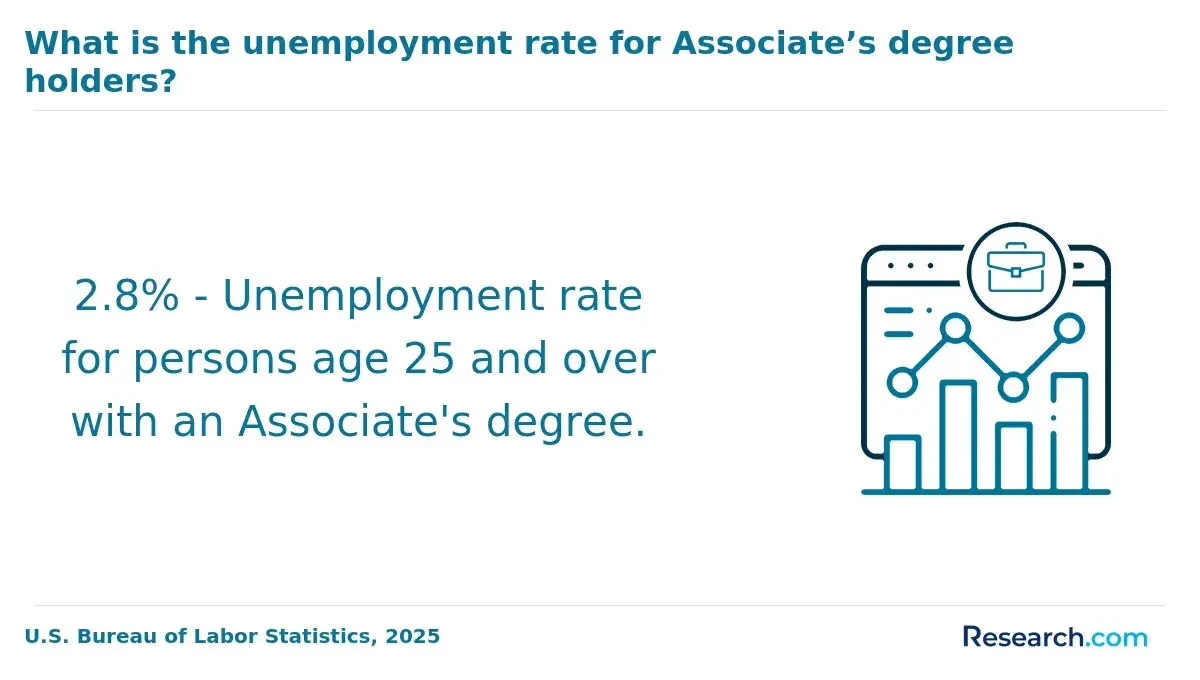
Employers in these areas require advanced credentials and licensure, illustrating how the fastest growing human services roles in top US regions demand targeted educational alignment. Job seekers should weigh tradeoffs: behavioral health roles demand ongoing credentialing that delays earning potential, while social service specialists can enter with associate degrees but face competition and funding uncertainties.
Strategic choices around local labor markets, licensing laws, and sustained professional development reduce transition downtime and influence employment stability. Prospective students aiming to pivot quickly might explore an accelerated social work degree to meet these market pressures effectively.
What degrees or majors prepare you for human services careers in these cities?
Choosing the right degree for human services careers in top US cities requires weighing immediate employability against long-term advancement potential. Bachelor's programs in social work, psychology, sociology, or human services align closely with entry-level employer demands, particularly in metropolitan areas grappling with urban poverty where trauma-informed care skills are essential.
In contrast, master's degrees in social work (MSW) open doors to clinical licenses and specialized roles, often commanding higher salaries but limiting initial openings in regions dominated by healthcare hubs or nonprofit headquarters. Majors such as public health, criminal justice, and counseling target niche sectors like substance abuse intervention or juvenile justice, but these paths typically necessitate additional certification or supervised experience, thereby increasing both time and financial commitments.
The Bureau of Labor Statistics projects 64,000 new social work positions annually through 2031, reinforcing the need for accredited programs that meet regional licensing standards. Practical considerations for students also include format choices; online or hybrid options-for example, a 2 year psychology degree online-offer flexibility but might limit necessary practicum experiences vital for licensure in competitive urban markets.
Regional cost-of-living variations relative to salary growth compel careful evaluation: associate degrees or certificates can accelerate workforce entry but may cap upward mobility compared to advanced degrees. Prospective students should integrate majors leading to human services jobs by region into their decision-making to optimize alignment between educational credentials and local market demands.
How do salaries for key human services jobs vary by city and employer type?
Compensation for key human services roles varies sharply by city and employer type, with New York City providing the highest salaries for common positions in accounting and human resources, per Revelio Labs' 2024 pay analysis reported by Bloomberg Law. Candidates weighing job offers must factor in how local living costs dilute nominal wages; for example, a social worker relocating from a midwestern city to New York might see a significant salary increase but confront housing costs nearly 80% higher, reducing net financial gain.
Employer type further influences pay structure and job stability. Nonprofit social work roles in smaller metros often pay 20-30% less than similar urban roles, while government agencies-such as those in Washington, D.C. or Chicago-offer steadier income and benefits but usually less wage growth and flexibility. Private sector jobs linked to grant funding exhibit more wage volatility, affecting long-term earnings predictability.
Job openings cluster in metropolitan hubs, yet the most lucrative opportunities concentrate in specialized functions like compliance or human resources administration rather than frontline casework. Pursuing roles tied to governmental grant administration or fund management typically yields stronger salary trajectories. Navigating wage disparities effectively requires understanding both regional economics and sector-specific compensation trends to align expectations with realistic career progression.
What education, licensing, and certification requirements apply to human services careers by state?
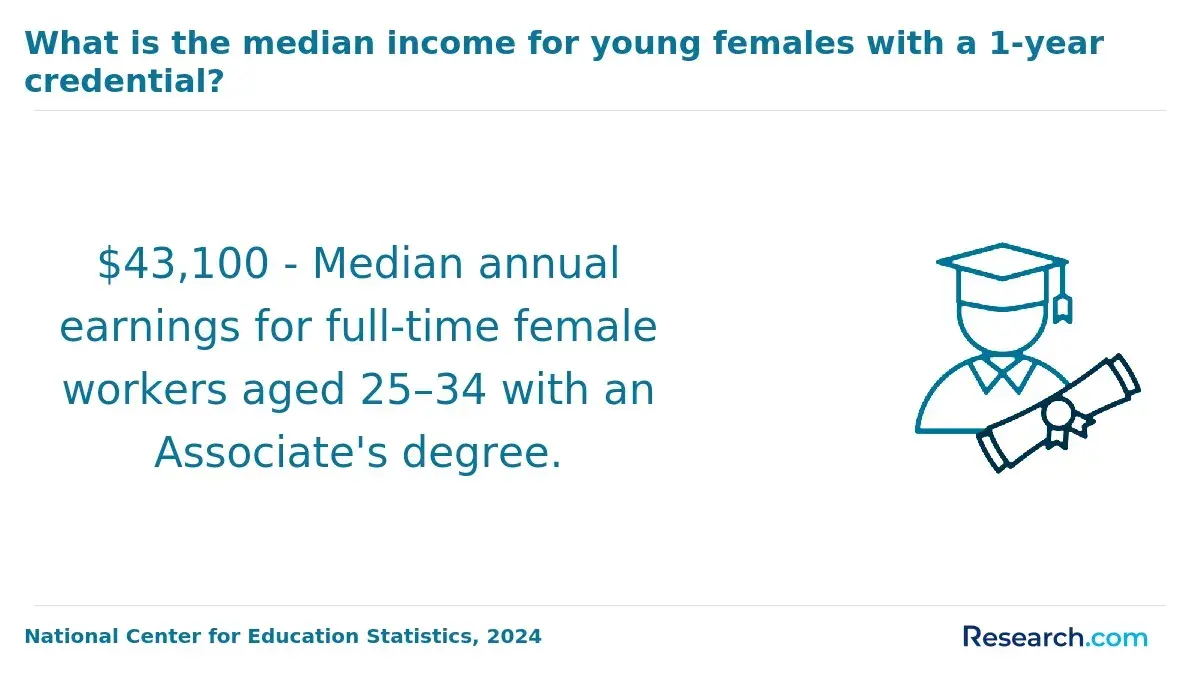
Licensing and certification requirements in human services reveal a complex landscape where regional variation impacts both entry routes and career mobility. While most states require a bachelor's degree in human services, social work, or related fields for professional roles, states like North Carolina permit associate degree holders to fill paraprofessional positions under supervision. The critical tradeoff emerges in licensure for clinical roles, which demands 2,000 to 4,000 supervised hours alongside passing state exams, imposing substantial time and financial burdens on candidates.
Certification credentials such as the Certified Human Services Professional (CHSP) add another layer, often voluntary but influential for employing organizations seeking specialized skills in areas like addiction counseling or child welfare. These credentials typically necessitate documented hours and a minimum of a bachelor's degree, affecting advanced practice eligibility in specific states.
In markets like Raleigh, NC, where approximately 24,146 human services job openings exist alongside median home values near $198,400 and average salaries around $50,950, employers heavily weigh the combination of formal education and certification. This market context forces candidates to weigh the practical returns on extended education and certification investments.
Key considerations for prospective professionals include:
- Aligning degree choices with state licensure paths and reciprocity agreements.
- Balancing supervised experience requirements with employment and financial constraints.
- Understanding employer preferences in competitive, localized job markets.
Strategically selecting programs with integrated field placements and clear regulatory pathways often determines readiness for diverse workplace demands and long-term credential maintenance in evolving policy environments.
How can you compare online and campus human services programs for urban job markets?
Selecting between online and campus human services programs for urban employment hinges on how well each pathway integrates with local job market dynamics and employer expectations. Campus programs in cities like San Antonio offer a distinct advantage by providing embedded practicum placements with nearby agencies, which enhances hiring prospects amid nearly 30,000 reported local job openings. This proximity facilitates not only skill application but also essential networking within a dense service sector.
In contrast, online programs offer schedule flexibility but typically require students to self-initiate internships and community engagement to develop comparable real-world experience. This challenge intensifies in urban markets where employers prioritize familiarity with regional standards, clinical licensing, and certifications tied specifically to state or city requirements. Without structured practicum integration, remote learners risk weaker employer connections and slower transition into local roles.
Additional tradeoffs include cost of living implications: campus students in urban centers may face higher expenses but gain immediate access to local opportunities, whereas online students save on housing costs but may need concerted effort to build employer relationships. Campus-based study optimizes hands-on experience and direct employer engagement.
Online study demands self-management to secure experiential learning and licensing alignment. Regional accreditation and state-specific certifications remain decisive for employer recognition. A strategic blend of online coursework with organized local internships can partially mitigate experiential gaps but requires advanced planning. Ultimately, program selection demands assessing how each mode aligns with one's capacity for self-directed fieldwork, cost constraints, and immediate job market immersion.
What should you look for in an accredited human services program linked to local employers?
A human services program's value is defined less by credentials alone and more by its direct employer integration and graduate employment outcomes. Programs partnered with local agencies that provide internships or co-op placements enable students to gain relevant experience aligned with regional labor demands.
For instance, completing a program connected to social service employers in a metro area such as Raleigh-Cary, NC-a city scoring 84.2 in Checkr's 2025 rankings for job availability and wages-significantly improves access to competitive positions. Prospective students should prioritize programs with documented graduate placement rates exceeding 70%, verified through authoritative sources like the U.S. Bureau of Labor Statistics or state labor reports.
Equally important is credentialing that grants eligibility for certifications recognized by employers, as this influences both licensure and earning potential. Flexibility and delivery format also impact adult learners balancing work and study. Programs under two years, offering hybrid or online coursework combined with local field placements, minimize opportunity costs while addressing scheduling challenges.
Tradeoffs exist between theoretical depth and hands-on skills. Employers seek candidates proficient in crisis intervention and data management, reflecting a blend of interpersonal and technological competencies. Programs that incorporate applied technology alongside casework better prepare graduates for evolving job demands.
How do tuition, fees, and living expenses differ when studying human services in major cities?
Cost disparities across major U.S. cities fundamentally reshape the accessibility and outcomes of human services education. San Francisco's high living expenses consume much of a student's financial aid or salary, with CBS News' 2024 analysis showing a mere 11% cost-of-living ratio relative to income. This leaves minimal disposable income post-essential expenses, forcing many students to juggle multiple jobs, which detracts from academic focus and critical experiential learning.
In contrast, Pittsburgh's 39% cost-of-living ratio allows students to stretch both tuition and living budgets further. The affordability of local public institutions paired with manageable housing costs enables students to minimize debt and fully engage in unpaid internships or practicum experiences essential for human services career pathways.
Educational and workforce planners must weigh tuition and cost of living combined rather than relying solely on program prestige. Attending a high-tuition San Francisco program with an expensive urban environment leads to heavier debt loads and delayed workforce entry compared to more affordable regions like Pittsburgh. These real-world nuances critically influence strategic planning for prospective students targeting sustainable routes in human services careers.
How can internships, practicum placements, and networking in your city boost human services careers?
Practicum placements and local internships serve as critical filters in the human services job market, transforming academic credentials into workplace-ready skills that employers demand. For instance, completing a practicum in a metropolitan mental health clinic not only involves client interaction but also requires adapting to administrative protocols, which can shorten hiring timelines by demonstrating tangible job readiness.
Geographic salary disparities, like the Bureau of Labor Statistics figures showing social worker earnings averaging around $61,000 annually, emphasize the strategic value of region-specific experience. Candidates who build local reputations through internships and networking are seen as lower-risk hires due to their familiarity with community resources and regulatory environments.
Effective networking in city-based agencies expands access beyond posted vacancies, revealing part-time opportunities essential during credentialing periods. However, it is important to prioritize placements offering supervisory evaluations aligned with licensure requirements to ensure progress toward professional credentials.
Maximizing investments in these opportunities often requires setting measurable goals such as targeted client hours or administrative competencies that reflect real job demands. Joining local professional groups further improves access to emerging funding streams and program trends, which can directly influence employment security in a sector often subject to shifting policy landscapes.
Other Things You Should Know About Human Services
In 2027, top cities for human services careers include Austin, TX, Portland, OR, and Minneapolis, MN. These cities offer competitive pay, reasonable cost of living, and plentiful job openings, making them ideal destinations for professionals in the field.
Advancement opportunities vary significantly by region, mostly reflecting local organizational size and public funding levels. Larger metro areas offer more specialized roles and supervisory openings, while smaller markets may provide quicker promotion into management but with narrower scope. Candidates aiming for leadership should prioritize cities with diverse agencies and stable funding streams, as these environments foster skill development and salary growth more reliably than high-turnover or underfunded locations.
Accreditation ensures the program meets industry standards, but the value of fieldwork components is often decisive for employability. Practical placements expose students to real employer expectations and offer networking advantages critical for entering the workforce. Choosing a program with robust local practicum opportunities is more beneficial than one with broader accreditation but weak experiential learning, especially for candidates targeting specific urban job markets.
Job stability in human services correlates closely with policy shifts in healthcare, welfare, and social programs. Funding fluctuations tied to legislative cycles create periods of expansion and contraction, affecting hiring and resource availability. Professionals should consider cities with diversified funding sources and agencies less vulnerable to political changes to minimize employment risk, rather than focusing solely on current job openings or salary figures.
References
- Why Choose a Career in Human Services? https://sunriseservicesinc.com/why-choose-career-human-services/
- Top U.S. Cities and States for Healthcare Jobs - Goodwin Recruiting https://www.goodwinrecruiting.com/top-u-s-cities-and-states-for-healthcare-jobs
- Ignis International Education | Study Abroad, Overseas Education Consultant https://ignisedu.com/blog/cost-of-living
- 49 of the best careers in helping people & making a difference https://www.iah.edu.au/blog/careers-jobs-for-helping-people
- Humanity in Action: Understanding Human Services Degrees https://www.ucumberlands.edu/blog/humanity-in-action-understanding-human-services-degrees
- Salaries in These Cities Make Up for the High Cost of Living | Revelio Labs https://www.reveliolabs.com/news/business/salaries-in-these-cities-make-up-for-the-high-cost-of-living/
- Study Abroad Costs: Tuition, Living & Hidden Expenses https://zylentrix.net/study-abroad-cost-breakdown/
- Internship Opportunities | Human Resources Services – Orange County, California https://hrs.oc.gov/careers/volunteer-intern/internships/internship-opportunities
- Costs of a degree in the US https://fulbright.nl/en/advice/bachelor/step2/costs/
- Why recruiters should understand the difference between cost of living and cost of labor | Compa Technologies Inc. https://www.compa.ai/blog/why-recruiters-should-understand-difference-cost-living-labor