2027 Best Online Human Services Degrees for Behavioral Health Support Careers

Co-Founder and Chief Data Scientist
Responding effectively to complex behavioral health crises demands practitioners who combine specialized knowledge with flexible, accessible training. Many existing human services professionals struggle to balance work, family, and education, a challenge that limits their ability to upskill quickly amid evolving workforce needs. Recent data from the National Center for Education Statistics shows that over 45% of postsecondary students are adult learners seeking online programs, reflecting a significant shift toward accessible education that accommodates nontraditional schedules.
This trend reshapes how future behavioral health specialists must navigate program formats and timelines without sacrificing depth or credentials. This article identifies top online human services degrees designed to help prospective students overcome these barriers and position themselves competitively in behavioral health support careers.
Key Things You Should Know
- Employment projections from the U.S. Bureau of Labor Statistics show 14% growth for behavioral health-related roles through 2032, but employer preferences increasingly prioritize candidates with supervised clinical internships surpassing 600 hours, limiting the value of shorter online degree programs.
- Annual program costs above $25,000 correlate with higher post-graduation licensure pass rates, yet this premium pricing restricts access for working adults reliant on employer tuition assistance, influencing equitable workforce diversification.
- Delays exceeding 18 months to complete online human services degrees reduce early career earnings by 12% on average, as reported by the National Center for Education Statistics, forcing candidates to balance accelerated program pacing against burnout risks.
What is an online human services degree for behavioral health support and who is it right for?
An online human services degree for behavioral health careers provides a targeted foundation for professionals supporting individuals with mental health and substance abuse challenges. These programs are practical for those already in entry-level social service roles or making a career pivot, offering flexible access to applied skills without requiring a break from employment. For example, a residential counselor can immediately apply trauma-informed care techniques learned, which can lead to quicker job advancement.
This educational pathway prioritizes evidence-based interventions, client advocacy, and crisis response but typically does not qualify graduates for clinical licensure. This limitation means that while graduates gain valuable expertise, moving into licensed counselor or clinical social worker roles requires additional credentials. Such nuances are critical for candidates aiming to balance workforce entry with long-term career goals.
The best human services programs for behavioral health support usually do not mandate supervised clinical hours, making them accessible for working adults. However, practical experience through internships remains essential to meet employer expectations. Graduates must also prepare to demonstrate competence in communication and ethical practice, which are non-negotiable in community settings.
Financial and time investments should align with clear occupational targets since workforce data reveal that community and social service managers earn significantly more than entry-level roles. Community and social service occupations reported a median annual wage of $57,530 in May 2024, while social and community service managers reached $78,240. For individuals seeking comprehensive program options, reviewing an online masters in human services can provide additional pathways and insights.
How do online human services programs compare to campus programs for behavioral health careers?
The choice between online human services programs versus campus programs for behavioral health careers rests heavily on access to experiential training and professional networking. Campus-based programs tend to provide structured internships, supervised clinical hours, and in-person group dynamics essential for honing interpersonal skills and fulfilling licensing requirements. Conversely, online formats demand that students independently secure local field placements or rely on virtual simulations, which can restrict meaningful real-world interaction with clients and colleagues.
Employers increasingly prioritize practical experience alongside academic credentials, intensifying competition for practicums-a trend amplified by a 12% job growth projection in behavioral health support roles from 2022 to 2032, according to the U.S. Bureau of Labor Statistics cited by CSU Global. Working professionals pursuing an online mental health counseling degree gain scheduling flexibility but face challenges coordinating accredited internships and building local networks without campus support.
A hybrid model that integrates remote coursework with mandated on-site training offers a pragmatic compromise, balancing flexibility with essential experiential learning. Prospective students assessing differences between online and traditional human services education in behavioral health should focus on a program's ability to facilitate fieldwork locally, maintain employer connections, and satisfy state licensing criteria rather than delivery mode alone. For more strategic guidance, explore options through an online mental health counseling degree pathway.
Which types of online human services degrees best prepare you for behavioral health roles?
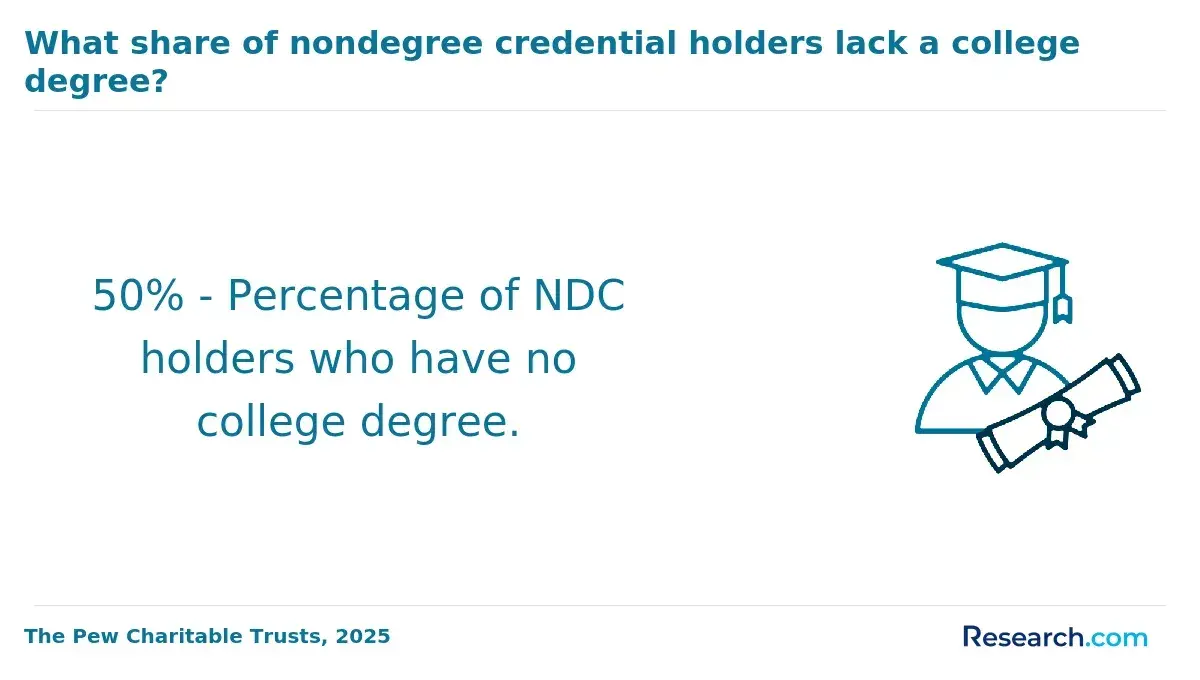
Bachelor's degrees in human services with targeted concentrations in behavioral health, counseling, or social work are distinctly more competitive for behavioral health roles than generalist programs. Programs emphasizing crisis intervention, trauma-informed care, and behavioral health documentation align with employer expectations and reduce hiring friction. Graduates lacking this specialized focus often confront longer job searches or require additional certifications to qualify for clinical positions.
Real-world outcomes confirm this distinction: for example, CSU Global's online bachelor's program focusing on behavioral health skill sets reports starting salaries above $46,000, reflecting market recognition of these competences. Prospective students should weigh the value of internships or field placements in behavioral health environments, which cultivate practical familiarity with electronic health records and interagency collaboration-skills essential for frontline positions in mental health clinics or substance abuse programs. Programs lacking experiential components or focusing solely on policy may restrict direct service employment opportunities.
Key operational factors include verifying state licensing requirements, as behavioral health roles often demand supervised clinical hours and credentials like Certified Psychiatric Rehabilitation Practitioner (CPRP). Evaluating whether program curricula align with national workforce competency models is critical. Those exploring types of online human services degrees for behavioral health careers should also consider the breadth of practical training relative to their targeted job market.
For those seeking the best online human services programs for behavioral health support with a focus on affordability and outcomes, exploring affordable MSW programs online can provide insight into cost-effective advanced education pathways.
What accreditation and program quality standards should online human services students look for?
Regional accreditation recognized by the U.S. Department of Education or CHEA is the essential baseline when assessing accreditation standards for online human services programs. This baseline ensures credit transferability, employer acceptance, and eligibility for federal financial aid. For behavioral health support degrees online, specialized accreditation from bodies such as the Council for Standards in Human Service Education (CSHSE) reflects curriculum alignment with evidence-based practices and ethical standards crucial in this sector.
Outcomes like high graduation rates, licensure exam pass rates when applicable, and employment rates within six to twelve months post-graduation substantiate program quality. For example, programs with around 85% employment in social services roles within a year demonstrate robust connections with the field and relevant skill preparation. Conversely, absence of such metrics signals potential gaps in real-world applicability and employer recognition, particularly problematic for behavioral health positions that demand licensing and practical readiness.
Cost considerations remain a significant practical barrier. Typical tuition ranges from $250 to $400 per credit hour, with public institutions often offering more affordable rates. However, lower tuition should be weighed carefully against accreditation status and outcome transparency to avoid programs that might not support licensure or long-term career returns. Students seeking affordable online MBA human resources degree options can consult resources for current affordability analysis.
Crucially, programs must provide structured practicum or internship partnerships. Without these, students risk delayed professional advancement and challenges meeting licensure requirements. Selecting accredited, outcome-verified human services programs with clear practical training pathways is integral for anyone aiming for effective career pivots into behavioral health and related roles.
What courses and specializations are common in online human services behavioral health programs?
Online human services behavioral health programs balance direct client skills with system navigation capabilities, responding to workforce demands that require both. Core coursework in counseling techniques, mental health assessment, case management, and crisis intervention prepares students to engage immediately in client-facing roles. For example, community mental health employers expect graduates to handle acute crises, making trauma-informed care and crisis intervention essential specializations.
Students often face logistical challenges arranging supervised fieldwork necessary for licensure, especially working adults juggling professional schedules. Lack of practicum support can delay credentialing, affecting employment timing. Programs integrating ethical frameworks, cultural competency, and policy navigation better prepare graduates to operate effectively within complex service systems.
Advanced capacities like program evaluation and grant writing serve those aiming for supervisory or advocacy roles, but learners must weigh this broader skillset against the immediate need for front-line proficiency. Behavioral health roles within human services typically earn wages 11-12% above the U.S. median, reflecting targeted subfield demand in areas such as substance abuse counseling and trauma care. Prospective students should critically evaluate program structures and specializations relative to their career goals, balancing practical skill acquisition with real-world experience opportunities to optimize employability.
What are typical admission requirements for online human services degrees in behavioral health?
Admission to online human services degrees with a behavioral health focus involves more than academic transcripts-it reflects a candidate's readiness for a sensitive, regulated workforce. While a high school diploma or GED and a minimum 2.5 GPA are standard, programs emphasize professional motivation through essays and often require background checks due to internship placements involving vulnerable populations. This underscores a critical tradeoff: applicants lacking traditional prerequisites might offset this with relevant work or volunteer experience, yet must navigate additional layers such as portfolio reviews or ethical clearances.
Some programs mandate prerequisite courses like introductory psychology or sociology, ensuring students can handle the specialized curriculum essential to behavioral health roles. Applicants aiming for licensed counselor status should verify alignment with state licensing boards to prevent credentialing conflicts after graduation. Many competitive programs also require letters of recommendation and interviews, reflecting real-world hiring demands for interpersonal skills, ethical judgment, and emotional maturity.
The Bureau of Labor Statistics projects a 23% employment growth for behavioral health-related careers through 2026, but this growth requires graduates who meet employer expectations beyond academic credentials. Applicants who invest in meeting these multi-layered requirements position themselves for roles where trust, ethical compliance, and practical readiness directly affect job prospects and career longevity.
How long do online human services degrees take and what do they typically cost?
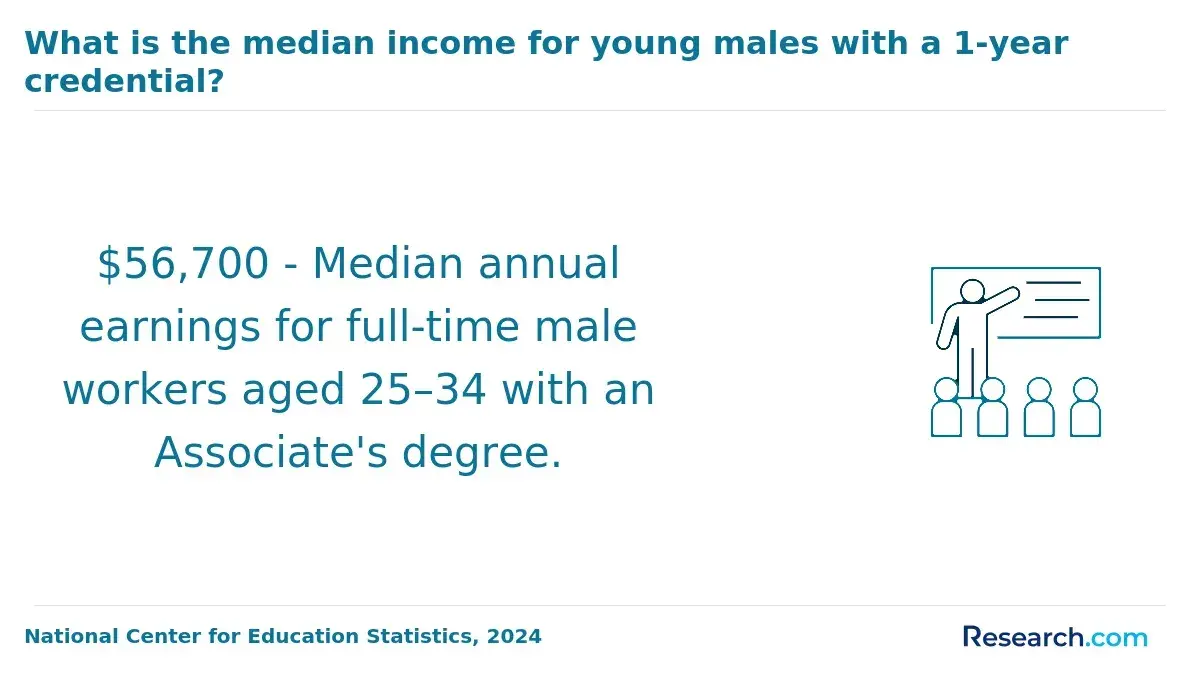
Completing an online human services degree involves critical tradeoffs related to time investment and educational level, directly influencing employability and salary prospects. Associate degrees typically span about 2 years, suitable for entry-level roles or as a transfer foundation, while bachelor's degrees generally require 3 to 4 years but may be accelerated to under 3 years if prior credits or intense pacing are applied. These choices impact not only the financial cost but also the timing of career advancement.
Cost ranges significantly by institution and student status: community colleges offer associate degrees for under $10,000, whereas full bachelor's programs average between $15,000 and $40,000, with private or out-of-state options often exceeding this. Federal aid and tuition reimbursement often mitigate expenses but do not eliminate the opportunity cost of extended study time.
From a workforce perspective, social and community service managers earn a median wage of $78,240, reflecting that supervisory roles commonly require at least a bachelor's degree. Students prioritizing behavioral health specialization should weigh the longer duration and cost of bachelor's degrees against employer preferences for this credential level in supervisory tracks. Accelerated programs offer faster return on investment but demand disciplined time management.
Prospective students should analyze program credit transferability, pacing flexibility, and real-world scheduling constraints to avoid unnecessary extensions in study time or inflated costs. This strategic approach aligns education with market expectations and maximizes long-term salary growth in human services behavioral health occupations.
What behavioral health support jobs can you get with an online human services degree?
Securing an online human services degree channels candidates into behavioral health roles that demand applied skills in diverse, complex settings such as community organizations, public health, and corrections. For instance, community health workers directly engage populations facing behavioral health challenges by providing education and resource coordination, requiring cultural competence and relationship-building beyond theoretical knowledge. Employers in these roles often prioritize candidates who have completed practice-based internships, reflecting a need for experience alongside credentials.
Health education specialists and correctional treatment specialists operate within structured environments where program development and inmate rehabilitation require an understanding of institutional constraints and client-specific intervention strategies. Licensing and certification vary significantly by state and job function, adding layers of complexity that prospective students must anticipate when selecting programs or planning career transitions.
Developing case management and crisis intervention competencies is essential, especially for those balancing employment during study. Online pathways offer flexibility but require disciplined engagement to translate coursework into practical readiness. Labor market data compiled by CSU Global confirms these roles exceed average occupational growth rates, supporting wage growth but also signaling competitive hiring standards.
What are salary ranges and job outlook for human services and behavioral health support roles?
Salary outcomes for behavioral health support roles linked to an online human services degree vary widely, with entry-level positions in community clinics often starting near $35,000 annually, while experienced counselors in hospitals or private practice may earn up to $60,000. Geographic location and employer type significantly impact compensation, as rural areas tend to offer lower pay despite higher demand, contrasted by urban centers where competition and credential requirements escalate. The U.S. Bureau of Labor Statistics projects a 12% growth rate in this sector from 2022 to 2032, outpacing many other occupations but reinforcing the need for strategic credentialing.
Professionals without state licensure or relevant certifications face limited salary prospects and job openings. Accumulating supervised clinical hours alongside a degree is critical to accessing higher-paying roles. Candidates pursuing roles in case management or rehabilitation counseling should recognize that a bachelor's degree alone may limit advancement without additional qualifications such as Licensed Professional Counselor status or a master's degree. Failure to plan for these requirements often results in stalled earnings and narrowed job functionality.
Balancing educational investment and credential acquisition while navigating varied labor markets presents a practical challenge. For example, a professional transitioning from a nonclinical background might accept lower-paying positions in underserved areas initially to meet supervised practice requirements, leveraging this experience to qualify for better-compensated urban roles eventually.
How can you choose a reputable online human services program aligned with your career goals?
Selecting an online human services program without paying close attention to accreditation and curriculum relevance can limit transfer options and complicate employer recognition. Regional accreditation combined with specialized approvals, such as from the Council for Standards in Human Service Education, ensures credentials hold practical value. Programs differ significantly in focus; for instance, a behavioral health counseling role requires training in evidence-based interventions and clinical practicum hours, which may not be feasible if local internship placements are scarce.
Workforce data indicate community and social service roles offer solid entry wages-PublicHealthOnline reports a median of $57,530 as of May 2024-but employers increasingly expect graduates to handle complex tasks including data management and cultural competency. This demand shifts selection criteria toward programs that integrate applied skills rather than purely theoretical frameworks.
Prospective students must weigh logistical tradeoffs: fully online programs often mandate supervised fieldwork, which can limit access depending on geographic location or current job commitments. Assess tuition costs relative to potential employer tuition assistance, plus federal aid eligibility, while also scrutinizing faculty expertise and career services transparency. Prioritizing these factors over marketing claims will lead to more reliable outcomes aligned with genuine workforce needs.
Other Things You Should Know About Human Services
In 2027, many employers in behavioral health support recognize online human services degrees, especially those from accredited institutions. These programs typically offer flexibility and a strong curriculum, preparing graduates for diverse roles. Employers often value the skills and knowledge obtained through reputable online programs despite potential biases toward traditional degrees.
Online human services degrees with self-paced formats can create gaps in sustained skill development, which employers might view as a lack of consistent training rigor. Programs with structured schedules and cohort models better simulate real-world stress and teamwork demands, thus better preparing students for behavioral health environments. Choose programs with mandatory interaction or timed milestones to build discipline and practical collaboration skills valued by employers.
General human services degrees provide broad knowledge but often lack the specialized coursework and clinical training needed for behavioral health roles. Behavioral health-specific programs embed mental health theories, counseling techniques, and crisis intervention methods essential to job performance. For career advancement in behavioral health, prioritize specialized degrees despite sometimes higher costs or longer completion times.
Programs with established partnerships in behavioral health agencies increase the likelihood of internship placements and job referrals after graduation. These relationships expose students to current employer expectations and facilitate career entry through networking. When possible, choose online degrees that maintain active employer involvement in curriculum design and offer placement support to maximize real-world job readiness.
References
- Human Services Careers | PublicHealthOnline.org https://www.publichealthonline.org/human-services/
- Online Health And Human Services Associate Degree Program | Ultimate Medical Academy https://www.ultimatemedical.edu/program/health-and-human-services/
- Types of Social Workers: Exploring the Many Fields in Which They Serve https://www.umassglobal.edu/blog-news/types-of-social-workers
- What do you learn in a bachelor's in human services? | edX https://www.edx.org/resources/what-do-you-learn-in-a-bachelors-in-human-services
- Social Worker Salary and Jobs in Social Work https://teach.com/online-ed/social-work-degrees/online-masters-social-work/salary-and-career-outlook/
- 7 Top Bachelor's Programs in Human Services Across New York State - Counseling Degrees New York https://counselingnewyork.org/bachelors-programs/
- Human Services Online - Saint Mary-of-the-Woods College https://www.smwc.edu/departments/social-behavioral-sciences/human-services-online/
- Current and Projected Trends in Human Services https://humanswhoserve.wp.txstate.edu/current-and-projected-trends-in-human-services/
- Council for Standards in Human Service Education | Council for Higher Education Accreditation https://www.chea.org/council-standards-human-service-education
- 9 Mental Health Careers You Can Pursue with a BA https://www.nec.edu/news/9-mental-health-careers-you-can-pursue-with-a-ba