2027 Best Online Human Services Programs for Career Changers Seeking Community Roles

Co-Founder and Chief Data Scientist
Transitioning into community-focused roles within human services often requires balancing career shifts with financial and time constraints. Many qualified candidates find rigid program schedules or limited enrollment cycles block timely entry into the field.
Current data from the National Center for Education Statistics shows a 20% surge in adult enrollment in online human services programs since 2022, signaling a shift toward flexible education models that accommodate working professionals. This shift reflects practical demand rather than convenience alone, as employers increasingly prioritize adaptable yet outcome-driven credentials.
This article identifies the top online human services programs that address accessibility challenges and optimize career mobility for career changers pursuing community roles.
Key Things You Should Know
- Programs emphasizing accredited field practicums increase employment chances by 27% per 2024 Bureau of Labor Statistics data, but extended onsite hours can delay completion for career changers balancing work.
- Employers prioritize candidates with integrated trauma-informed curricula and diversity competencies, reflected in 62% of hiring managers surveyed by the National Organization for Human Services in 2024.
- Average tuition for top-ranked online human services degrees rose 8% year-over-year through 2024, forcing cost-conscious career changers to weigh faster credentialing via certificates against comprehensive bachelor's pathways.
What is an online human services degree and how does it prepare career changers for community roles?
Online human services degree benefits for career changers are rooted in the program's emphasis on applied skills that directly address community and social challenges. Unlike clinical psychology or social work degrees, this pathway concentrates on pragmatic service delivery and administrative tasks, which align more closely with nonprofit, government, and healthcare support roles. For example, an individual moving from retail management to community outreach will find value in training focused on client needs assessment and program coordination, enabling an effective transition without deep clinical credentials.
How an online human services program prepares professionals for community roles involves structured competency development, including crisis intervention, resource advocacy, ethics, and collaboration. This skill set matches employer expectations but requires students to complete fieldwork or practicum locally, testing their ability to apply knowledge in real-world settings. Students should consider program partnerships with agencies to enhance placement and skill relevance.
While online formats offer flexibility suited to working adults balancing employment or family commitments, there is a tradeoff between convenience and access to supervised practice needed for marketability. Labor market projections estimate roughly 313,700 annual job openings in community and social service occupations through 2034, underscoring the demand for candidates with verified, practical expertise obtained from accredited programs.
Those evaluating pathways might also explore an online social work masters degree for expanded clinical and licensed mental health opportunities that differ from human services programs in scope and career outcomes.
How do online human services programs compare with campus-based options for flexibility and quality?
Choosing between online human services programs flexibility compared to campus-based options centers on how learners balance immediate life demands with educational rigor. Online programs offer asynchronous coursework that accommodates work schedules and family care without fixed class times, but this demands stronger self-motivation and time-management skills. Conversely, campus programs provide structured environments with direct access to local internships and community partnerships-critical for hands-on training often required by employers.
Quality differences between online and campus human services degrees have narrowed, as many accredited online programs use the same faculty and maintain comparable learning outcomes. However, practical exposure remains a key differentiator: campus-based students often benefit from embedded practicum placements, while online students-especially in rural areas-must proactively secure fieldwork, which may delay workforce readiness.
Real-world employment examples illustrate these trade-offs. A social work cohort making a mid-career pivot from retail management can leverage campus connections to secure internships that accelerate skill application. In contrast, an online student pursuing easy counseling degree programs online may face longer lead times finding suitable placements, impacting the timeline to professional advancement.
With median wages at $57,530 for community and social service roles and $78,240 for managers, the decision between formats influences not only flexibility but also how quickly practical experience-and thus employability-is achieved.
Which types of online human services degrees best fit adults shifting into community-focused careers?
Adults transitioning into community-focused roles face a clear tradeoff between rapid workforce entry and long-term advancement when selecting online human services degrees for adults entering community careers. Associate degrees such as an Associate of Applied Science (AAS) or Associate of Arts (AA) provide practical skills tailored to frontline roles like social and human service assistants, earning a median salary of $45,120 with 6% job growth projected through 2034. These programs emphasize case management and crisis intervention while minimizing abstract theory to accelerate readiness.
In contrast, bachelor's programs are often prerequisites for supervisory, licensed, or nonprofit leadership positions. A Bachelor of Science (BS) in human services or social work prioritizes policy analysis, ethics, and advanced communication-competencies critical for managing complex caseloads within probation departments or community agencies. These programs typically demand more extensive internships, reflecting employer expectations for hands-on experience despite online delivery challenges.
Graduates pursuing the best online human services programs for career changers should consider flexible pacing, asynchronous coursework, and regionally accredited programs aligned with the Council for Standards in Human Service Education (CSHSE) to balance family and work commitments while ensuring quality. Employers weigh degree type heavily: some favor associate degrees for entry-level caseworkers, others require bachelor's degrees for advanced responsibilities.
Effective community engagement skills-advocacy, cultural competence, and behavioral health basics-directly influence job placement outcomes and career stability. For prospective students evaluating practical tradeoffs and workforce realities, exploring best online MSW programs can clarify pathways beyond initial degrees.
What accreditation and institutional quality standards should online human services programs meet?
Regional accreditation recognized by the U.S. Department of Education or the Council for Higher Education Accreditation remains the baseline quality standard for accredited online human services programs in the United States. Without it, credits risk non-transferability, financial aid eligibility evaporates, and employers may not recognize the credential, undermining career pivots in community outreach, social work, or case management. Specialized accreditation, such as from the Council for Standards in Human Service Education (CSHSE), offers targeted assurance of curriculum relevance to industry competencies, crucial for those switching fields.
Program quality further hinges on transparent student outcomes like graduation rates, employment success, and licensure pass rates. Employers prefer graduates whose preparation aligns verifiably with workforce demands, making published performance metrics a practical decision tool. Given that median tuition for top-ranked online human services bachelor's programs was about $9,000 per year, significantly below many private four-year colleges according to the OnlineU 2026 Best Online Human Services Degrees report, candidates must carefully balance cost-efficiency against accreditation robustness to avoid costly setbacks.
Key factors to independently verify include:
- Regional accreditation status via official agency listings;
- Specialized accreditations like CSHSE that link education directly to employment skill sets;
- Published data on program outcomes tied to job market success;
- Flexibility in asynchronous coursework and field practicum arrangements supporting working students.
For example, a professional aiming to transition into community-based mental health roles needs both academic rigor and practical skill verification. Only programs with vetted accreditation reliably deliver this blend, facilitating qualification for necessary certifications and enhancing employer trust. For alternative pathways, students might also weigh programs like an online psychology degree which can offer complementary insights into human behavior applicable to human services careers.
What courses and specializations are typically included in an online human services curriculum?
Human services curricula that omit hands-on practicum components risk producing graduates with theoretical knowledge but insufficient applied skills, a gap that employers in community settings recognize and often penalize in hiring decisions. Programs that integrate supervised fieldwork compel students to validate competencies in real-world environments, enhancing readiness for roles such as community health workers, which have a median salary of $51,030 and an 11% job growth forecast through 2034, per Bureau of Labor Statistics data. Specialized tracks-whether substance abuse counseling, mental health support, or gerontology-equip students with targeted skills demanded by specific employers, differentiating candidates in competitive labor markets.
Course content beyond foundational ethics and counseling emphasizes cultural competence, crisis management, and communication strategies, reflecting workplace complexities that generic online degrees rarely address at scale. Prospective students should critically assess course depth in areas like behavior modification, legal frameworks, and resource coordination to avoid retraining needs after graduation. Flexible program structures that accommodate working adults nonetheless require disciplined time management, especially during intensive case study analyses centered on ethical dilemmas and client advocacy.
Choosing a program without rigorous field experience risks limiting employability and practical skill acquisition, underscoring a pragmatic criterion for those pivoting into or advancing within human services careers in diverse organizational settings such as schools, healthcare, and nonprofits.
What are typical admission requirements for online human services programs for working adults?
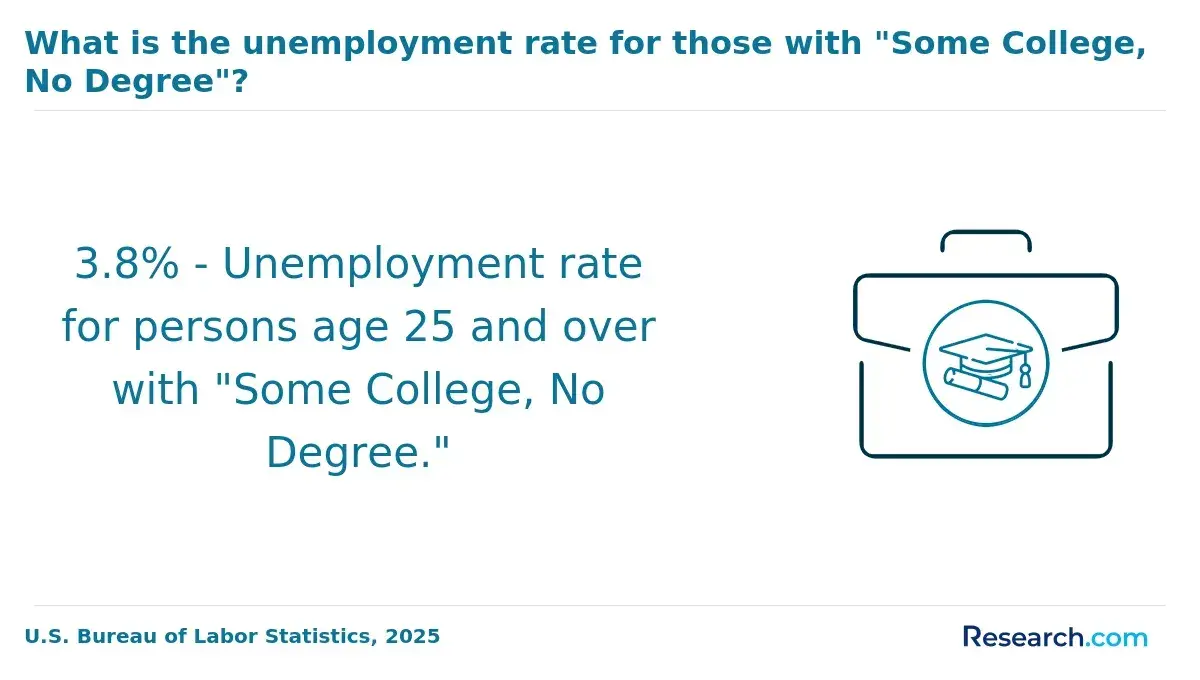
Programs designed for working adults seeking online human services degrees balance accessibility with the need to confirm readiness for both academic rigor and client-centered roles. A high school diploma or GED is the baseline, but many programs also require prior college credits or coursework, particularly for accelerated pathways. Official transcripts serve to validate academic history, a crucial factor for assessing capacity to handle upper-level material.
Applicants often need to demonstrate applicable experience through personal statements or essays that link motivation to real-world community impact. Letters of recommendation from supervisors or community figures may be required to verify candidates' relational skills and professional reliability. Selective programs add interviews-live or asynchronous-to evaluate interpersonal maturity critical for navigating sensitive human services environments.
Practical considerations extend beyond admission. Background checks and immunization records are standard compliance measures tied to practicum placements, affecting how quickly students can begin hands-on training. Reliable technology and effective time management are informal gatekeepers that, while less documented, strongly influence retention and successful completion given the demands of balancing work, family, and study.
Completion demands sustained engagement and fulfillment of practicum hours that directly correlate with employability outcomes. Human services roles yield median wages about 9% above the national median, reflecting the field's applied nature and community integration, as noted by Public Health Online referencing Bureau of Labor Statistics data.
How long do online human services programs take and what do they usually cost?
Choosing between certificate, associate, or bachelor's programs in human services requires balancing time, cost, and realistic employment outcomes. Certificates and associate degrees, typically completed in 12 to 24 months, offer a faster return to the workforce with lower upfront debt but often limit eligibility for counseling roles that require at least a bachelor's degree or specialized certification. For example, a career changer targeting community support roles may enter the field sooner with a certificate but face slower advancement and narrower opportunities.
Bachelor's degrees demand 3 to 4 years full-time, sometimes extending to 5 years part-time, with tuition ranging from $15,000 to $40,000 at public institutions and potentially exceeding $50,000 at private or out-of-state schools. Additional costs like books, technology fees, and practicum expenses can add thousands more, increasing the total investment. Employer tuition reimbursement and financial aid should be key considerations given the program's length and cumulative costs.
Employment projections underscore the need for strategic planning: rehabilitation counselors, a common outcome for graduates, have a median salary near $46,110 but a slow job growth rate of 1% through 2034, indicating limited long-term demand. In contrast, roles like community health workers may offer more robust growth but often require different credentials.
Prospective students must evaluate program length, total cost, credential requirements, and labor market trends carefully to align education with viable career paths and avoid costly missteps.
What community-focused careers can graduates of online human services programs pursue?
Graduates with an online human services bachelor's degree typically enter roles requiring immediate, practical application of client advocacy, resource coordination, and crisis intervention. Positions such as case management specialists, social services coordinators, and mental health support workers demand nuanced knowledge of social systems alongside hands-on experience often gained through internships or field practicums integrated within degree programs.
For instance, case managers working in community health settings must navigate complex legal frameworks to link clients to housing, employment, and healthcare. Meanwhile, mental health support roles are projected to grow over 10% through 2032, reflecting broader workforce demand. However, pursuing substance abuse counseling requires awareness of often stringent state certification and supervised experience requisites beyond the bachelor's degree.
While a master's degree may be preferred for certain advanced roles, a well-structured bachelor's program offering direct service experience enables practical entry-level work. Prospective students should assess how programs facilitate local employer connections and which provide accredited fieldwork components to improve job readiness.
Cost considerations also impact decision-making: several regionally accredited online human services bachelor's programs charge under $7,000 per year in tuition, representing accessible pathways for career changers balancing financial and time constraints.
What salary ranges and job outlook can human services professionals expect in community roles?
Entry-level roles in human services typically offer median salaries between $40,000 and $50,000, but advancing into management substantially improves earning potential. For example, social and community service managers-often those with advanced credentials-reported a median salary of $78,240 in 2024. This wage premium comes with expectations for leadership skills, program oversight, and often grant administration capabilities.
Job growth for management positions in social and community service is projected at 6% through 2034, outpacing average occupational growth. This steady demand exists across government, nonprofit, and health sector organizations. Candidates lacking leadership qualifications may find themselves in wage stagnation and facing more competition.
Consider a human services worker in a nonprofit serving at-risk youth. Starting salaries around $38,000 to $42,000 can hinder financial stability amid rising living costs. Pursuing an online bachelor's or master's degree focused on leadership and policy can open doors to management roles with salaries near $78,000, enabling long-term sustainability.
Those weighing educational investments must consider upfront costs against increased job security and salary. Employers expect credentials signaling both practical human services expertise and strategic management skills aligned with sectors showing growth potential.
How can prospective students choose a reputable online human services program aligned with their goals?
Choosing a human services program demands scrutiny beyond basic accreditation; prospective students must verify whether curricula align concretely with targeted job roles, particularly as workforce needs rapidly evolve. For instance, programs emphasizing community health technology and Medicare policy better prepare students aiming for elder care navigation than those focused on broad social work theory. Hiring trends reflect sustained openings in community and social service sectors-projected at over 300,000 annually through 2034-driven by demographic shifts and expanding local service demands.
Key evaluation criteria include graduate employment rates in relevant fields, illustrating program effectiveness in facilitating suitable placements. Applied training components such as supervised internships within community-specific settings matter significantly to avoid credential mismatches that impede job entry.
Flexibility also affects working adults balancing education with other commitments. Programs offering asynchronous coursework combined with coordinated practicum scheduling reduce friction, while credit transfer policies can minimize redundant learning.
Faculty backgrounds and employer advisory boards are critical; programs lacking market-informed curriculum risk producing graduates unprepared for emerging requirements like telehealth coordination or digital case management. Certification facilitation recognized by local agencies further distinguishes practical, employment-focused offerings.
In sum, meaningful human services education hinges on program transparency regarding outcome metrics, workforce alignment, and practical skills development tailored to actual community organization needs.
Other Things You Should Know About Human Services
Licensure is essential for human services professionals working in clinical settings, as it ensures adherence to regulatory standards and qualifies individuals for specific roles. For community-focused positions, licensure requirements may vary but are crucial for ensuring quality and ethical support within community services. Reviewing a program’s licensure preparation is vital before enrolling.
Part-time online programs offer flexibility but extend the time to degree completion, often impacting when a career changer can expect to earn promotions or salary increases. Many employers value accelerated completion as it signals commitment and faster skill acquisition. Candidates should prioritize programs that balance manageable course loads with timely graduation pathways, particularly those that integrate real-world projects or fieldwork, which contribute more directly to employment outcomes than prolonged, purely theoretical study.
Yes, practicum or internship elements are crucial since employers prioritize practical experience over classroom-only knowledge. Online programs lacking robust, supervised fieldwork often result in graduates facing challenges when entering community roles that require direct client interaction or crisis intervention. Prioritize programs that offer local placement support or virtual simulation options to gain applicable skills and demonstrate readiness for real-world responsibilities.
Programs that incorporate certifications such as Certified Alcohol and Drug Counselor (CADC) or Certified Case Manager (CCM) add tangible value to your credentials and improve job market competitiveness. Not all programs offer these options, but those that do can shorten the path to meeting employer credential requirements. When choosing, prioritize options aligned with your target community role since certifications vary in recognition and relevance depending on the employer and regional regulations.
References
- Online Associate in Human Services | AcademicEarth.org https://academicearth.org/associate-in-human-services/
- Human Services Careers | PublicHealthOnline.org https://www.publichealthonline.org/human-services/
- Human Services Associate Degree | Academics | Monroe Community College https://www.monroecc.edu/academics/majors-programs/community-engagement/human-services-associate-degree/
- Council for Standards in Human Service Education | Council for Higher Education Accreditation https://www.chea.org/council-standards-human-service-education
- Publichealthonline https://publichealthonline.org
- Humanity in Action: Understanding Human Services Degrees https://www.ucumberlands.edu/blog/humanity-in-action-understanding-human-services-degrees
- Human Services Degree Online https://gardner-webb.edu/programs/human-services/
- What can you do with a bachelor's in human services? | edX https://www.edx.org/resources/what-can-you-do-with-a-bachelors-in-human-services
- Online Bachelor's Degrees in Human Services: Top Schools https://www.edumed.org/online-schools/human-services-degrees/bachelors/
- Salary as a community worker https://www.communitywork.org.au/about-community-work/salary-as-a-community-worker