2027 First Human Services Roles for People-Focused Students

Co-Founder and Chief Data Scientist
Graduates entering entry-level human services roles frequently confront a paradox: employers require practical experience and situational judgment, yet academic programs often prioritize theory over applied skills. This mismatch complicates early career decisions, especially as 68% of adult learners in workforce-oriented programs now prioritize flexible online options, according to a 2024 National Center for Education Statistics report. The growing preference for hybrid and part-time learning reflects systemic access constraints and highlights how timing and delivery modes influence employability outcomes. Navigating these tradeoffs demands careful selection of program structures that align both with current labor market needs and with experiential immersion. This article examines the first human services roles suited for people-focused students and evaluates educational pathways geared toward optimizing career entry and mobility in this evolving landscape.
Key Things You Should Know
- National data from the U.S. Bureau of Labor Statistics shows human services roles grew 12% from 2022 to 2024, making immediate employment likely but often limited to entry-level pay below $35K annually, signaling slower wage growth.
- Employers increasingly require practical certification over degree length; a Community Services Block Grant report notes 68% prioritize field experience, pressuring candidates to balance credential acquisition with affordable, accelerated training.
- Completion times averaging 18-24 months for associate-level pathways create opportunity costs; students face tradeoffs between low tuition short programs with less specialization versus costly bachelor's degrees with stronger upward mobility.
What are common first human services jobs for people-focused students and career changers?
Entry-level human services roles for students and career changers typically include social and human service assistants, case management aides, community outreach workers, and healthcare support specialists. These positions require not only strong interpersonal skills but also the ability to manage diverse client needs, often involving vulnerable populations such as the elderly or at-risk youth.
Employment for social and human service assistants is forecasted to grow 6% from 2024 to 2034, with approximately 50,600 openings annually and a median wage of $45,120 (May 2024, U.S. Bureau of Labor Statistics).
Career options in human services for people-focused changers without formal degrees often involve assistant roles that provide essential on-the-job training in casework and program coordination. However, many agencies now expect at least an associate degree or certifications due to the increasing demand for skills in data management software and electronic health records alongside traditional interpersonal competencies.
For example, nonprofit community outreach workers must accurately document client data while maintaining rapport across culturally diverse populations, intensifying competition for these jobs and shaping educational priorities.
Human services students should weigh the tradeoff between immediate employment with minimal credentials and investing time in education. Programs that emphasize internships or practicum placements help bridge this gap, offering practical experience essential to demonstrating readiness for the role.
Prospective candidates seeking advanced credentials might consider exploring MSW best programs that integrate these practical skills with broader policy and counseling techniques.
Which human services degrees or certificates best prepare you for entry-level roles?
Associate degrees in human services provide a balanced foundation of theory and practical skills tailored for entry-level positions, typically requiring 60 to 70 credit hours. Graduates equipped with this credential are positioned for roles in case management, community outreach, or support coordination, where employers expect demonstrated proficiency in client assessment, ethical standards, and familiarity with social service systems.
For instance, a candidate holding an associate degree tends to outcompete those with only certificates when applying for caseworker positions within public welfare agencies, due to broader training in policy and resource navigation.
Certificate programs, while valuable for immediate skills in areas like crisis intervention or substance abuse counseling, usually offer narrower curricula. These best human services certificates for career starters serve professionals pivoting into specialized niches but often require additional experience to sustain long-term growth. In contrast, bachelor's degrees boost advancement potential and autonomy but are not prerequisites for many frontline roles where direct community engagement matters most.
Given the 7.8% projected growth in community and social service occupations from 2024 to 2034, with over 300,000 annual openings and a median wage near $57,530, pursuing an associate degree optimizes employability and salary prospects in this competitive labor market. Students seeking affordable pathways might consider a cheapest online counseling degree as part of their educational strategy.
How do online human services programs compare with campus programs for first-role preparation?
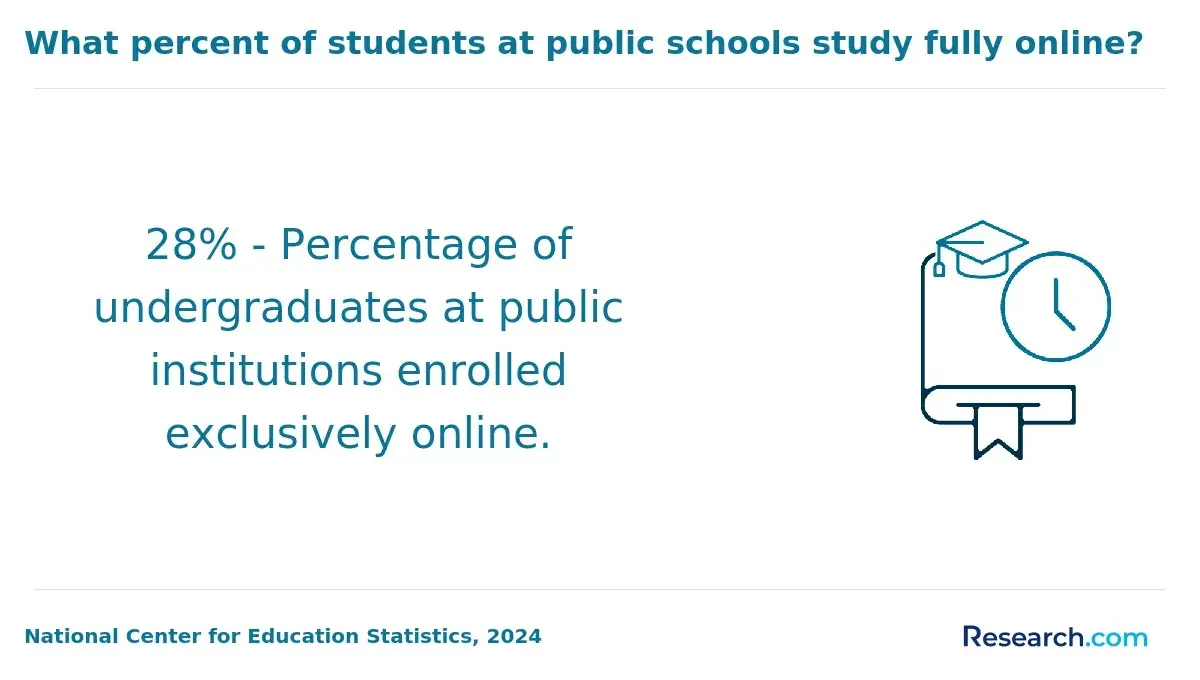
Comparing online human services programs vs campus programs for first-role readiness reveals a critical difference in practical experience acquisition and employer engagement. Campus-based education typically integrates structured internships or fieldwork, fostering direct client interaction and situational judgment development essential for entry-level roles such as case managers. In contrast, online students must independently secure practicum placements, which can delay hands-on experience and limit employer networking during their studies.
Employment for social and community service managers is projected to grow 12% from 2023 to 2033, reflecting strong labor market demand that favors candidates with verified practical competencies. For those pursuing effective preparation for entry-level human services positions through online and campus education, this means online learners should proactively validate their field experience's relevance and consider supplementary certifications or volunteer work to match employer expectations.
Practical tradeoffs include the flexibility online programs offer for those balancing work or personal commitments, counterbalanced by the responsibility to coordinate external practicum hours and ensure employer recognition of online credentials. A candidate completing fieldwork onsite at a community mental health center can demonstrate adaptability and direct client engagement more readily than one who relies solely on online coursework.
Prospective students seeking the cheapest online MSW should weigh these operational realities carefully to align their educational choice with realistic workforce integration pathways.
What admissions requirements and prerequisites do beginner-friendly human services programs usually have?
Entry requirements for human services careers often prioritize accessibility but carry significant tradeoffs in career trajectories. Beginner human services program admissions criteria typically require at least a high school diploma or equivalent; however, some community colleges also accept candidates with relevant work experience or a GED. Associate degrees rarely demand previous social science coursework, making them viable options for those pivoting from unrelated fields.
In contrast, selective bachelor's programs commonly expect foundational courses in English, psychology, and sociology, aligning with employer preferences for communication and behavioral insights.
Programs incorporating fieldwork or internships frequently require clear background checks and immunizations, reflecting the sensitivity of client-facing roles. These prerequisites ensure compliance with safety and confidentiality standards crucial for positions such as social work aides and community health workers.
Applicants should anticipate essays or personal statements that assess motivation and empathy, traits correlated with success in roles reporting median wages around $45,120 for human services assistants and $63,780 for marriage and family therapists, according to the U.S. Bureau of Labor Statistics.
Minimum GPAs between 2.0 and 2.5 are common, affecting eligibility for financial aid and program continuation. More accessible programs may limit direct entry to clinical roles with higher wages, such as substance abuse counselors earning near $59,190, underscoring the need to balance admissions fit with career objectives.
Prospective students comparing pathways might also explore related fields and programs to maximize employability, for example by consulting lists of best colleges for social media marketing, which may offer complementary skills in communication and outreach relevant to human services professions.
How long do human services programs take, and what tuition and financial aid can you expect?
Choosing an educational path in human services involves balancing immediate work entry against long-term occupational growth and cost. Certificate programs, typically around six months, offer accelerated access to roles like personal care aides or social service assistants. These programs often provide flexible scheduling and local financial aid, accommodating working adults but limiting upward mobility.
In contrast, associate degrees require up to two years and include broader training such as case management and foundational counseling skills. This credential better positions students for mental health counselor roles, which the College Board projects will grow by 13.76%. However, associate degrees come with higher tuition, ranging from $6,000 to $15,000 depending on residency status.
Employers consistently value practical experience alongside credentials. Internships embedded within these programs substantially enhance employability in fields experiencing nearly 9% job growth, such as social and human service assistants.
The financial burden escalates sharply for bachelor's degrees, which often exceed $20,000 annually at public institutions and require full-time commitment, a significant consideration for those balancing work and family.
- Certificate programs: 6 months, $1,000-$5,000, workforce-ready
- Associate degrees: 2 years, $6,000-$15,000, broader scope
- Bachelor's degrees: 4 years, $20,000+ per year, advanced roles
For example, a working parent may opt for a certificate granting immediate employment with flexible hours rather than a costly bachelor's degree demanding full-time study and debt. Financial aid in the form of Pell Grants, state assistance, and federal loans can mitigate costs but may not offset lost income during longer programs.
What core courses and skills will you learn for starting a people-focused human services career?
Effectively entering the human services workforce requires more than theoretical knowledge; practical skills in crisis response, individualized client planning, and interagency coordination define employability. For instance, professionals working with vulnerable populations must quickly assess immediate needs and navigate community resources-competencies built through scenario-based training rather than broad social services education alone.
Foundational coursework integrates psychology, social welfare policy, case management, and ethics, but the field rewards proficiency in documentation accuracy and data literacy, as client outcomes directly influence funding and service continuity. Human development courses provide essential frameworks for understanding diverse client contexts, allowing for nuanced, empathetic approaches critical in practice.
Workforce realities in regions like Australia, where welfare support roles are growing steadily with competitive wages, illustrate the demand for graduates combining soft skills-communication, empathy-with hard skills in legal compliance and resource coordination. Students must weigh specialization trade-offs: focusing on areas such as substance abuse or youth services increases targeted job prospects but may reduce versatility in fluctuating labor markets.
Early exposure to real-world challenges-through internships or simulated assessments-is indispensable for adapting theory to practice under workplace pressure, especially in high-turnover environments. This training contributes to sustained employability by fostering resilience and operational competence essential for navigating complex human behaviors.
What are typical salaries and starting pay ranges for first human services roles?
Starting salaries for entry-level social and human service roles typically range from $30,000 to $39,000 annually, with a median wage near $41,410 according to U.S. Bureau of Labor Statistics data. These positions face steady demand due to workforce turnover and an 8% projected growth over a decade, translating to about 48,400 openings annually. However, compensation often requires supplementation through benefits or credentials to reach a sustainable income.
Consider a community mental health support worker in a metropolitan setting earning close to the median wage. This individual must balance expenses like certification and travel against a rural assistant role, where lower wages may be offset by reduced living costs but offer fewer advancement options. Employers typically expect at least an associate degree or relevant certification, significantly affecting pay scales.
Those entering without postsecondary qualifications usually start below median wages, delaying financial progress. Skill development areas prioritized by employers include communication, legal compliance, and cultural competency. Focusing on advanced certifications in areas such as substance abuse counseling or youth services presents a clearer path to accelerated wage growth compared to general assistant roles.
Students and career changers should anticipate early-career compensation constraints combined with high emotional and workload demands. Preparing for these realities is necessary for sustained advancement in human services professions.
What is the job outlook and demand for entry-level human services professionals in the U.S.?
Despite nearly 800,000 annual openings in personal care and service roles-the primary entry point into human services-median wages remain low at around $34,260, limiting financial sustainability for frontline workers. Employers often face high turnover due to this wage compression and the emotional demands of the work. For example, a community elder care provider may hire quickly yet offer little wage progression or predictable scheduling, complicating work-life balance and retention efforts.
Given these market realities, candidates must weigh immediate access to employment against the practical limitations of entry-level positions. Advancing beyond frontline roles typically requires targeted skill development that opens pathways into related occupations like case management or counseling where compensation and stability improve.
Key considerations for prospective human services professionals include:
- Prioritizing programs that teach transferable skills adaptable to specialized roles
- Seeking certification or further credentials to mitigate initial low pay
- Balancing flexible scheduling demands while accumulating experience in high-need settings
This strategic approach better positions individuals for upward mobility in an environment where demand is steady but wage growth and career sustainability depend heavily on additional qualifications and experience.
Do you need licensure, certification, or background checks for common early human services roles?
Licensure, certification, and background checks impose distinct barriers in many entry-level human services roles and vary widely by occupation and state. Social and community service managers, for instance, must secure relevant credentials evidencing accountability for client welfare and program oversight-particularly in healthcare or social work contexts.
Mental health counselors face state licensure requirements following graduate education and clinical supervision. Fitness trainers typically require accredited certifications to ensure liability coverage and credibility, especially when working with vulnerable populations.
Background checks are almost universal in early human services positions due to frequent interaction with minors, vulnerable adults, or sensitive data. Employers usually demand fingerprinting alongside state and federal criminal history reviews, which can delay start dates by weeks and disqualify candidates with adverse records.
Consider a social service coordinator applicant in a public agency who must allocate 6 to 12 months and additional costs for licensing, encompassing education proof and exam scheduling. By contrast, entry-level community outreach roles without clinical duties generally require only basic background screening, enabling faster onboarding but offering lower wages and less job stability.
Among the ten fastest-growing positions in human services, six-including mental health counselors, fitness trainers, and social and community service managers-each project growth above 9%, signaling expanding opportunities across diverse people-centered roles.
How can you choose an accredited, reputable human services program aligned with your career goals?
Choosing a human services program without scrutinizing accreditation and tangible outcomes risks limiting licensure eligibility and employment prospects. Programs accredited by recognized bodies, especially those validated by the U.S. Department of Education, ensure curriculum rigor and practicum placements critical for fields like healthcare and social work. For example, candidates targeting clinical healthcare settings must prioritize programs offering behavioral health field experiences rather than generic human services curricula.
Employment demand in human services extends across government, nonprofit, and healthcare sectors, but job entry often hinges on demonstrated competencies and connections. Programs linked to established community organizations or government agencies provide stronger networks and clearer pathways to positions, as evidenced by labor market analyses from sources such as Southern New Hampshire University's review of U.S. Bureau of Labor Statistics data projecting substantial sector growth through 2034.
Flexible scheduling and modality-online versus in-person-are practical considerations, especially for working adults pivoting careers. However, accelerated or specialized tracks must be evaluated for content depth and licensure alignment rather than convenience alone. Lack of transparent outcome data and accreditation clarity should be red flags impacting your decision.
Employer expectations vary markedly: government roles typically require accredited certifications, while nonprofits may value broader, diverse field experience. Aligning program features with regulatory requirements and on-the-ground job tasks is vital for sustained career mobility and realistic workforce integration.
Other Things You Should Know About Human Services
Employers in human services prioritize demonstrated practical experience as much as formal education, especially for entry-level roles. Programs that offer supervised internships or practicums carry more weight than purely academic credentials because they prove readiness to handle caseloads and client interactions. Focus on educational paths that require practical field hours to enhance employability, since many organizations screen first-role candidates specifically for applied, not just theoretical, competence.
Starting in a human services assistant role before pursuing a bachelor's degree can provide critical insight into actual job demands and client dynamics that coursework alone may not offer. This approach allows early income and professional networking but may limit initial responsibilities and salary growth. If financial resources allow and career acceleration is a priority, enrolling directly in a bachelor's program that integrates fieldwork is advisable to access supervisory and specialized positions faster.
Nonprofit agencies tend to offer more client-centered flexibility but may have less consistent funding and higher job instability. Government roles generally provide more structured career paths and benefits but involve heavier administrative workloads and bureaucratic constraints. Prospective workers should weigh personal tolerance for organizational constraints against the volatility of funding sources; prioritizing government roles suits those seeking stability, while nonprofits appeal to candidates willing to navigate uncertain conditions for greater programmatic influence.
References
- FAQ https://www.cshse.org/faq
- Humanity in Action: Understanding Human Services Degrees https://www.ucumberlands.edu/blog/humanity-in-action-understanding-human-services-degrees
- How to Start A Career in Human Resources (HR) | DLC Training - DLC Training https://www.distancelearningcollege.co.uk/blog/how-to-start-a-career-in-human-resources-hr-dlc-training/
- 22 Best Associate Degree in Human Services - Social Work Degree Center https://www.socialworkdegreecenter.com/best-human-social-services-associate-degrees/
- Health and Human Services: Campus & Online Degrees and Careers https://www.publichealthonline.org/human-services/online-degree-programs/
- Know Your Rights Guide: Chapter 4 - Post Secondary Education and Training | Juvenile Law Center https://jlc.org/resources/know-your-rights-guide-chapter-4-post-secondary-education-and-training
- What is Human Services https://www.nationalhumanservices.org/what-is-human-services/
- How People Pay for College [2026]: Financing Statistics https://educationdata.org/how-do-people-pay-for-college
- DHHS Criminal Background Checks https://ncchildcare.ncdhhs.gov/Whats-New/dhhs-criminal-background-checks
- Choosing a bachelor's in human services | edX https://www.edx.org/resources/how-to-choose-a-bachelors-in-human-services