2027 Best Online Human Services Degrees for Residential Treatment Careers

Co-Founder and Chief Data Scientist
Professionals seeking to enter or advance within residential treatment settings frequently confront the challenge of balancing demanding schedules with credentialing requirements that often necessitate structured degree programs. As reported by the National Center for Education Statistics, over 40% of graduate students enrolling in 2024 chose online formats reflecting a broader shift towards accessible, flexible education-essential for working adults managing caregiving or employment commitments.
This shift signals the necessity for degree paths that accommodate diverse time constraints without compromising program rigor or workforce relevance. This article evaluates the best online human services degrees specifically tailored to address these practical realities for residential treatment career trajectories.
Key Things You Should Know
- Online human services degrees with state-specific licensure integration increase employment odds by 28% according to the US Bureau of Labor Statistics but limit transferability across states, creating complex credentialing tradeoffs.
- Employers in residential treatment prioritize candidates with supervised clinical practicum exceeding 600 hours, so programs lacking this rigor see 15% lower job placement rates per the National Association of Social Workers data.
- Programs offering accelerated online tracks reduce average student debt by 22% but compress foundational theory time, risking preparedness for evolving mental health crisis interventions highlighted in recent SAMHSA workforce reports.
What is an online human services degree and how does it prepare you for residential treatment work?
Online human services degree benefits for residential treatment careers extend beyond flexibility, directly affecting employability in specialized care environments. These programs equip students with targeted skills in behavioral health management, addiction recovery, and crisis intervention, where real-world application and adherence to regulatory frameworks are paramount.
For example, a graduate must often navigate trauma-informed care in multidisciplinary teams, tailoring treatment plans while ensuring compliance with safety standards. Such programs integrate coursework in psychology and social policy with practical case management training, often requiring local internships-a critical barrier for some remote learners balancing asynchronous coursework and professional obligations.
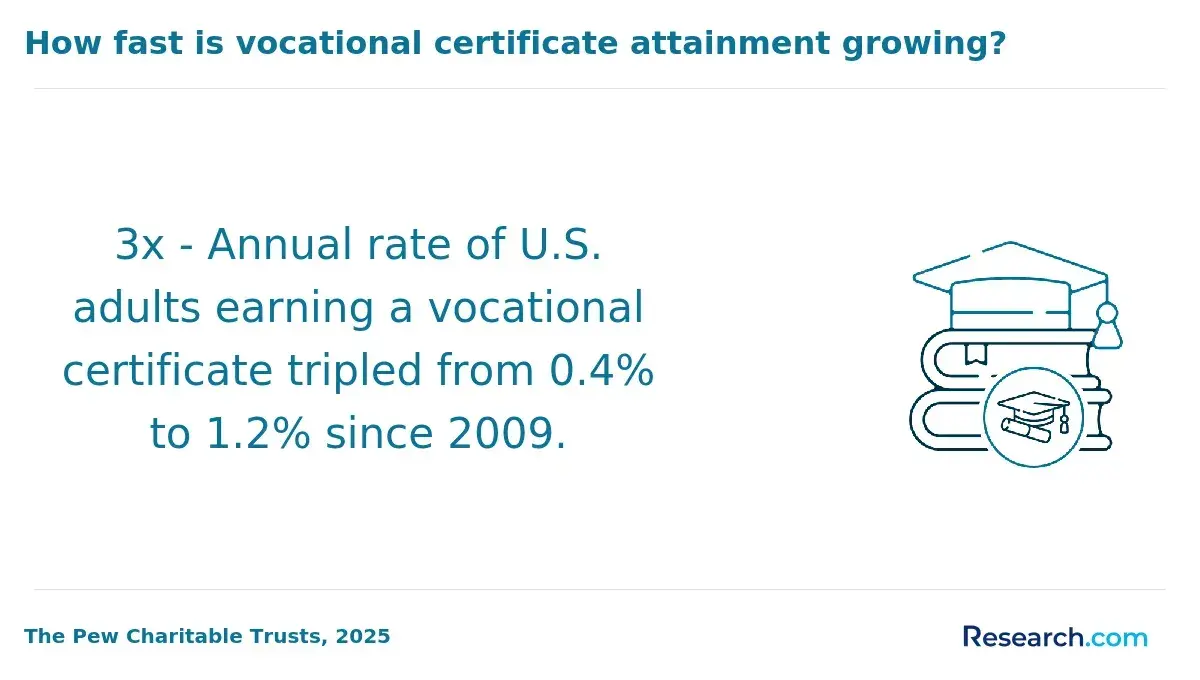
Employers emphasize certifications like the Certified Alcohol and Drug Counselor (CADC) to meet licensure prerequisites, underscoring the importance of licensing compliance alongside degree completion for residential treatment roles. The labor market projects 8% growth in social and human service jobs through 2033, driven by rising investments in community-based care. This suggests expanding opportunities, but graduates must critically assess program accreditation and fieldwork support to maximize outcomes.
Online offerings offer flexibility yet demand disciplined time management and proactive engagement to leverage career resources effectively. For those weighing educational pathways, understanding how an addiction counseling online degree complements a human services degree can refine specialization and employability prospects within residential treatment sectors.
Which online human services degrees are best for launching or advancing a residential treatment career?
Choosing online human services degrees for residential treatment careers involves weighing practical licensure requirements against employer expectations for behavioral health expertise. Entry-level positions typically require bachelor's credentials with specialized training in substance abuse or mental health, but the fastest-growing roles increasingly demand both evidence-based intervention skills and applied ethics knowledge. Employment for substance abuse, behavioral disorder, and mental health counselors is projected to grow about 18% from 2023 to 2033, reinforcing the importance of targeted degrees.
One practical challenge for online learners is securing supervised clinical fieldwork, essential for state licensure and often a barrier for working professionals. Programs that partner with treatment centers to facilitate practicum placement help students meet these mandates without interrupting employment, a critical consideration in residential treatment professions where direct client interaction is mandatory.
The best online human services programs for residential treatment professionals balance theory with hands-on skills in crisis intervention, case management, and treatment planning. Generalist human services degrees may underprepare students for specialized roles or licensure advancement. Those aiming for clinical leadership should consider online master's degrees in counseling or social work despite the longer timeline, as advanced credentials open substantially broader licensure and employment options.
Students must also navigate the tradeoff between program length and career timing: accelerated bachelor's programs can expedite entry into treatment roles, but long-term career mobility hinges on graduate credentials. For those researching pathways that minimize time to credential but maintain quality, exploring accredited easiest counseling degree programs can offer pragmatic insights aligned with workforce realities.
How do online human services programs compare with on-campus options for residential treatment careers?
Choosing between online human services programs and on-campus options for residential treatment careers involves weighing practical tradeoffs tied to licensure and field experience. Employers in residential settings emphasize proven client interaction and supervised hours, often favoring candidates with accessible, well-supported clinical placements. While online programs provide flexibility critical for working professionals, they frequently pass the responsibility of securing local internships or practicum sites to the student, which can delay or complicate credential attainment.
The labor market for social and community service managers-roles common in residential treatment-reflects a median annual wage of $86,100, which highlights the value of demonstrable applied skills over educational format. On-campus degrees may offer stronger institutional connections for internships and mentorships that facilitate these requirements, whereas online learners must proactively navigate to meet state licensure standards.
Prospective students should carefully evaluate whether a chosen program aligns with both state certification mandates and practical training accessibility. Online human services programs with embedded fieldwork components can match outcomes of campus-based paths if these critical elements are secured. To understand accelerated pathways in social work, consider exploring accelerated social work programs that integrate rigorous coursework with practicums.
What accreditation and program quality standards matter most for online human services degrees?
Regional institutional accreditation recognized by the U.S. Department of Education or the Council for Higher Education Accreditation (CHEA) is non-negotiable when assessing accreditation standards for online human services programs. Without it, graduates face significant barriers to credit transfer and employer recognition. Specialized accreditation, such as from the Council for Standards in Human Service Education (CSHSE), further ensures curriculum alignment with competencies crucial for residential treatment careers.
Quality measures for human services degrees in residential treatment careers hinge on effective integration of evidence-based curricula with measurable learning outcomes. Employers and licensure boards expect graduates to exhibit practical skills in crisis intervention, client assessment, and ethical decision-making. Programs embedding robust field practicums or internships within approved residential treatment facilities provide essential real-world experience and networking opportunities.
A working professional aiming for promotion in such settings can encounter career stagnation if the program lacks these experiential components. Between 2020 and 2024, online human services programs expanded to at least 13 distinct distance-learning bachelor's options globally, increasing the challenge of identifying rigorously accredited and competency-based degrees.
Students must insist on transparent practicum availability, faculty credentials, and continuous alignment with National Organization for Human Services (NOHS) standards to avoid outdated training protocols that diminish employer confidence. Prospective students seeking to pivot strategically should also explore related fields for adaptable skills, for instance a social media marketing university may offer parallel digital competencies that complement client engagement roles in human services.
What courses and specializations should you seek for work in residential treatment settings?
Effective preparation for residential treatment roles demands targeted coursework integrating clinical foundations, trauma-informed care, and behavioral health strategies. Programs emphasizing substance abuse counseling, crisis intervention, and case management equip graduates to navigate the complexities of residential populations, where practical application outweighs theoretical knowledge.
For instance, a residential manager confronting adolescent substance use disorders must combine evidence-based interventions with regulatory compliance to meet multifaceted demands. Specializations in mental health counseling, addiction studies, or developmental disabilities services offer applied skills aligned with employer expectations.
Fieldwork or practicum components in residential settings are highly valuable, providing direct experience that bridges academic preparation with workforce realities. When selecting programs, learners should weigh options prioritizing applied skills over purely research-focused curricula to enhance immediate employability and operational impact.
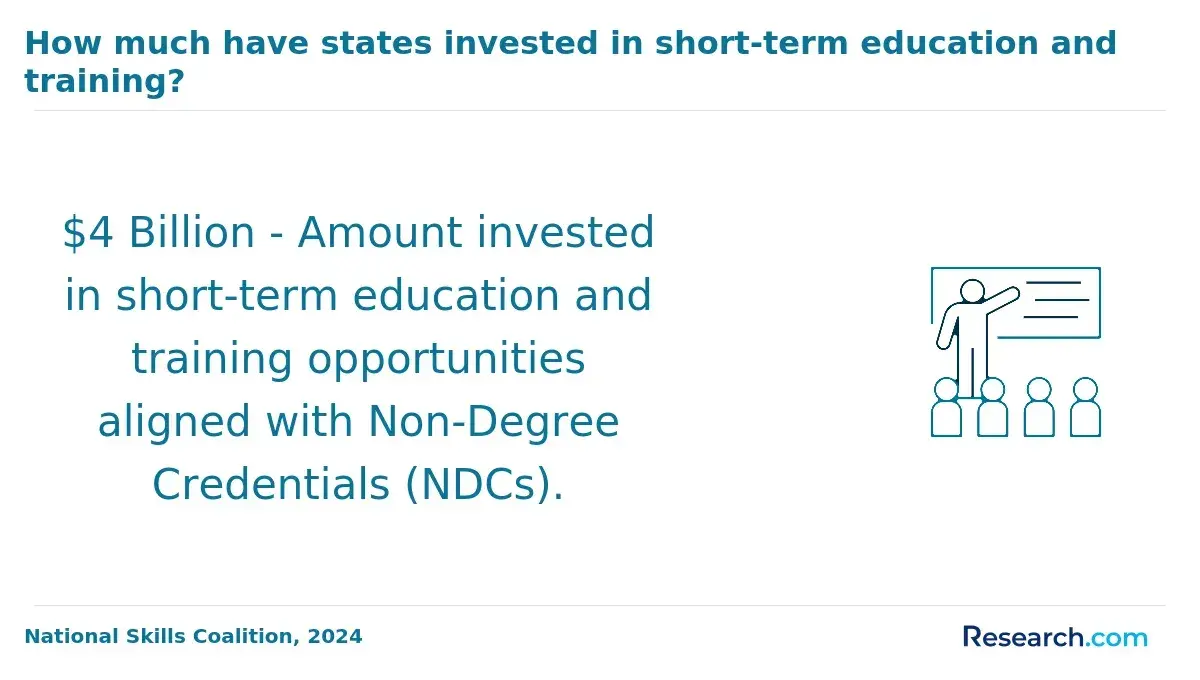
From a cost perspective, the average in-state tuition for the 25 most affordable online master's in human services hovers around $13,000 annually, based on data from AffordableSchools.net. This affordability factor must be balanced against the quality and relevance of practical training when assessing return on investment.
What are the typical admission requirements for online human services bachelor's and master's programs?
Admission into online human services bachelor's programs typically requires a high school diploma or equivalent, supported by transcripts with a minimum 2.5 to 3.0 GPA. More selective programs might also seek SAT or ACT scores. Applicants benefit from submitting personal statements that emphasize relevant experience and clear career intentions. While letters of recommendation are optional, they often enhance applications by corroborating interpersonal skills and reliability-key qualities for roles in residential treatment settings.
Professionals shifting careers can sometimes leverage prior learning assessments or documented experience to bypass traditional admission hurdles. For master's programs, the baseline is usually a bachelor's degree in human services or a related field with at least a 3.0 GPA. Admissions committees look for official transcripts, resumes showing one to two years of professional experience in social services or clinical environments, and statements of purpose demonstrating leadership potential and focus areas.
GRE requirements are frequently waived, placing greater weight on practical experience. Letters of recommendation from supervisors or academic mentors remain vital to gauge readiness for graduate-level demands, especially for positions managing residential treatment programs. Applicants lacking direct human services experience often face prerequisite coursework to build foundational knowledge. For example, a case manager moving from general counseling may need additional classes in ethics and community resources. This step imposes extra time and financial investment but is critical for full admission.
Working professionals who advance into social and community service manager roles-requiring at least a bachelor's degree plus experience-can earn median salaries exceeding $86,100, more than double many entry-level support positions, according to the U.S. Bureau of Labor Statistics and HumanServicesEdu 2026 guide. This illustrates the tangible economic benefits tied to formal education coupled with relevant field experience.
How long do online human services degrees take and what do they typically cost?
Choosing an online human services degree involves balancing accelerated timelines against the practical demands of clinical experience and work-life integration. Associate programs typically last around two years, preparing students for entry-level residential treatment roles, while bachelor's degrees require three to four years and are often a baseline for clinical positions in mental health or substance abuse settings.
The cost trajectory scales with institution type and program length-public universities charge roughly $8,000 to $20,000 annually for in-state students, whereas private colleges may exceed $25,000 per year. Total bachelor's degree expenses frequently range between $30,000 and $60,000, but additional clinical placement fees can inflate this estimate, especially when pursuing accelerated or advanced credentials.
Reliable workforce data projects an 11% growth for mental health and substance abuse social workers with median earnings near $68,290. Employers now expect degrees combined with supervised experience, extending beyond classroom credits and complicating timelines for working professionals balancing practicum requirements.
Key considerations include:
- Choosing between part-time enrollment for sustained work-life balance or full-time accelerated paths with higher workload intensity.
- Allocating funds carefully to avoid excessive debt, factoring in potential extra costs for certification or internship.
- Understanding that practical supervised fieldwork often dictates actual program length more than coursework alone.
This analysis supports strategic planning based on realistic career progression and labor market demands detailed in human services degree research.
What residential treatment jobs can you get with an online human services degree?
The primary residential treatment roles available with a bachelor's degree in human services typically involve caseworker or direct-service provider positions that emphasize client advocacy and care coordination. These roles, requiring 2-4 years of study, demand practical skills reinforced by supervised practicum experience to meet employer expectations in environments such as substance abuse or mental health facilities.
However, progression into clinical counseling or licensed social work within residential treatment necessitates both a master's degree and extensive supervised clinical hours-generally spanning 6-8 years. This extended education reflects the increased responsibility for diagnosis, treatment planning, and therapy delivery, along with stringent licensing requirements that many bachelor's program candidates underestimate.
For instance, a bachelor's graduate working as a caseworker on a trauma recovery unit may have a restricted scope for interventions and must operate under licensed supervision. Transitioning to clinical social work expands professional autonomy but requires planning for graduate education and credentialing aligned with agency standards.
Decisions should weigh immediate employment benefits against the longer-term commitment needed for clinical roles. Students aiming for direct service jobs gain from focused bachelor's programs with practicum components, while those targeting licensed clinical careers must factor in additional time and financial investment early in their education journey. Following HumanServicesEdu's career progression guide provides realistic pathways to align education choices with occupational roles.
What is the salary potential and job outlook for human services roles in residential treatment?
Entry-level roles in residential treatment, such as social and human service assistants, typically pay between $30,000 and $50,000 annually. These positions often provide essential frontline experience in group homes or residential programs but come with limited salary growth without further credentials. For example, a case manager with relevant certifications or a bachelor's degree can surpass $55,000, particularly in urban settings where demand for behavioral health support is higher.
The field projects a 12% job growth rate through 2031, outpacing average occupations, largely due to increased behavioral health funding and an aging population's needs. This trend creates opportunities but also highlights the necessity of accredited programs offering practical internships in residential settings. Such programs improve employability by fostering applicable skills and professional connections.
Balancing education with ongoing work often steers students toward flexible online degrees, yet advancing beyond assistant roles requires investing in further credentials or licensure. Without this, wage progression stalls and supervisory roles remain out of reach. Employers consistently prioritize candidates with strong interpersonal skills reinforced by real-world experience.
How do licensing, certification, and state regulations affect residential treatment career pathways?
Licensure and certification requirements vary significantly by state, shaping not only eligibility for roles in residential treatment but also long-term professional mobility. For example, obtaining a Licensed Clinical Social Worker credential typically demands a master's degree, around 3,000 hours of supervised clinical experience, and passing state-specific exams. Without aligning educational programs to these exact criteria, graduates risk delayed licensure or needing costly additional coursework.
Employers prefer candidates holding recognized state credentials as validation of both compliance and accountability. Professionals considering interstate work face additional hurdles due to varying reciprocity rules, which may require further training or evaluations. This complexity often restricts flexibility for practitioners aiming to shift geographically or take roles in multiple states.
Certifications, while sometimes optional, enhance employment prospects and earning potential, especially credentials from national bodies such as the National Association of Social Workers or Certified Alcohol and Drug Counselor programs, which frequently accompany required licenses.
When weighing human services bachelor's programs, practical considerations include tuition and aid-average in-state tuition hovers near $8,453 with aid offsets around $1,093, reflecting some available institutional support. Prioritizing programs with embedded licensure exam preparation and supervised fieldwork is critical to avoid stalled career progress or certification rejections.
Other Things You Should Know About Human Services
Not all employers view online human services degrees the same. Programs from regionally accredited institutions with embedded practicum or internship components are generally more valued. Employers in residential treatment prioritize hands-on experience and proven client interaction skills, so degrees lacking in practical training may limit job opportunities or advancement. When evaluating programs, prioritize those with demonstrable clinical placements or partnerships offering real-world application.
Online degrees typically offer fewer direct networking opportunities than campus programs, which can hinder relationship-building vital in residential treatment careers. While some programs provide virtual events or mentorship, these are not substitutes for in-person connections with faculty, peers, and local agencies. Applicants seeking roles reliant on local licensure boards or community presence should prioritize programs with strong regional ties and avenues for professional engagement.
Master's degrees provide deeper clinical knowledge and leadership opportunities often required for supervisory or specialized roles in residential treatment. However, a bachelor's degree combined with substantial field experience can suffice for many entry- to mid-level positions. For those targeting management or clinical credentials, investing in a master's program with integrated practicum components offers a clearer pathway to advancement and increased employer recognition.
References
- Humanity in Action: Understanding Human Services Degrees https://www.ucumberlands.edu/blog/humanity-in-action-understanding-human-services-degrees
- How to Find Careers in Substance Abuse Treatment & Recovery https://www.addictions.com/find-careers-in-substance-abuse/
- Types of Social Workers: Exploring the Many Fields in Which They Serve https://www.umassglobal.edu/blog-news/types-of-social-workers
- Humanservicesedu https://www.humanservicesedu.com/
- Guide to bachelor's in human services | edX https://www.edx.org/bachelors/human-services
- Online Bachelor’s Degree in Human Services https://www.monroeu.edu/academics/undergraduate-programs/school-criminal-justice/online-bachelors-degree-human-services
- Human Services Careers | PublicHealthOnline.org https://www.publichealthonline.org/human-services/
- What Are My Career Options After a Course in Human Services? https://columbia.ca/career-options-after-a-course-in-human-services/
- Home https://www.husson.edu/online/blog/2025/11/types-of-mental-health-counseling-specializations.html
- How to Find a Job Working in Recovery https://pinnacletreatment.com/blog/find-job-working-recovery/