2027 Family Services Roles You Can Target With a Human Services Degree

Co-Founder and Chief Data Scientist
Facing an urgent shortage of qualified professionals to support vulnerable families, many aspiring human services degree holders struggle to identify roles that align with evolving workforce demands and their unique schedules. The U. S. Bureau of Labor Statistics projects a 13% growth in family-related social service jobs over the next decade, but access barriers remain high, especially for adult learners balancing work and caregiving.
A recent National Center for Education Statistics report shows that 45% of students pursuing human services degrees enroll part-time or online, signaling a fundamental shift in how education accommodates this sector's practical constraints and career timelines. This article clarifies key family services positions accessible with a human services degree and guides strategic choices tailored to real-world employment trajectories and educational flexibility.
Key Things You Should Know
- Labor projections from the U.S. Bureau of Labor Statistics show a 12% growth in family service roles through 2032, pressuring candidates to balance extended credential requirements against immediate workforce entry.
- Employers increasingly prioritize candidates with multidisciplinary skills, pushing human services degree holders toward roles demanding trauma-informed care and data literacy, limiting specialization but broadening practical impact.
- Average program costs exceeding $35,000 combined with uneven state funding create geographic inequities in access, compelling candidates to consider local job markets' saturation when targeting family services roles.
What family services jobs can you get with a human services degree?
Securing roles in family services with a human services degree requires navigating complex licensure and experience demands that directly influence employability and career trajectory. While foundational for child and family social worker positions, a human services degree alone rarely suffices for clinical roles, which mandate supervised experience and licensure. This distinction matters: case managers and family support specialists often rely on their degree to coordinate resources and services without entering clinical social work, balancing employability against credentialing costs and timelines.
Employment growth for child, family, and school social workers is projected at 7% through 2034, indicating steady demand primarily within public and nonprofit sectors. Real-world work involves managing bureaucratic systems such as Medicaid eligibility and school interventions, requiring both organizational acumen and policy fluency. Employers expect graduates to demonstrate practical skills in client advocacy, documentation, and ethical judgment, all tailored to family-centered service models.
Choosing between program coordination or clinical social work roles entails evaluating tradeoffs: additional certification can unlock licensure-dependent positions but demands time and financial investment, influencing long-term career advancement. For those weighing further education, exploring the cheapest online DSW programs can inform strategic decisions about advanced credentials.
Human services degree family support job opportunities emphasize non-clinical pathways that capitalize on advocacy and resource coordination, while family services careers with a human services degree must consider the practical limits imposed by licensure demands and emotional workload variability.
What education do family services employers require?
Employers in the family services sector generally require at least a bachelor's degree in human services, social work, psychology, or a related discipline to ensure candidates possess the technical knowledge and practical skills needed for effective client advocacy. For instance, a family services case manager must navigate complex legal frameworks and family dynamics-competencies built through targeted coursework and supervised fieldwork, which many employers consider essential for immediate job performance. The qualifications needed for family services careers often extend beyond education: certifications such as Certified Case Manager (CCM) or Licensed Social Worker (LSW) are frequently mandatory or strongly preferred, aligning with regulatory standards in healthcare and public agencies.
Projected annual national openings near 313,700 through 2034 reflect a growing demand favoring candidates with comprehensive training beyond an associate degree. While associate degrees may qualify individuals for entry-level support roles, they typically limit upward mobility and salary potential. Pursuing a master's degree can accelerate progression into supervisory or specialized treatment roles but requires significant time and financial investment. Prospective students must weigh these tradeoffs in light of employer demand for programs incorporating evidence-based practices, cultural competence, and crisis intervention techniques.
Flexibility is critical for many working professionals. Hybrid or evening bachelor's programs tied to local social service agencies provide alternative pathways for those unable to engage in traditional full-time study. Evaluating programs that emphasize practical skills and meet regional employer needs is advisable. In researching options, students may explore CACREP accredited counseling programs to identify quality, affordable pathways aligned with these workforce realities.
Is human services accreditation important for family services careers?
Accreditation directly influences employability and practical readiness in family services roles, where employers expect validated competencies in areas like case management, ethics, and community engagement. For example, a community health worker addressing family health must adeptly navigate healthcare systems while demonstrating cultural competence and interdisciplinary coordination-skills honed through accredited human services programs. This practical alignment explains why the importance of accredited human services programs for family support roles extends beyond academic formality to measurable job-market advantage.
Graduates from non-accredited programs face concrete obstacles such as limited eligibility for licensure, restricted access to internships, and challenges securing positions at agencies reliant on federal or state funding. The economic impact is clear: community health workers earned a median annual wage of $51,030, outpacing the U.S. median wage, a disparity rooted in the standardized training accredited degrees provide.
Students must consider tradeoffs between upfront costs and long-term returns. A lower-cost, non-accredited online degree might reduce initial expense but often limits professional networking and credential pathways. In contrast, accredited programs integrate experiential learning and certification alignment, enhancing career trajectories in family services. Those evaluating educational options should also explore MSW programs with high acceptance rate as potential pathways.
Can you earn a human services degree online?
Online human services degree accredited programs provide coursework focused on case management, counseling techniques, and social policy, tailored for working adults managing job and family commitments. The flexibility of these programs supports advancement without income disruption but demands careful planning to fulfill local supervised practicum requirements essential for hands-on competence.
Employers prioritize candidates with verified experience in client intake, crisis intervention, and community resource coordination, which cannot be fully replaced by virtual learning alone. For instance, a working parent pursuing a role as a family support specialist benefits from online study flexibility but must arrange in-person client interactions to avoid incomplete credentialing or graduation delays.
Key tradeoffs include balancing remote coursework with real-world skill application and dedicating time to local internships. Programs that integrate simulation tools and case studies help, but students retain primary responsibility for securing supervised practicum placements. This dynamic points to the value of programs with strong fieldwork support networks when selecting human services degree programs online.
Labor market data projects a 6% job growth for social and human service assistants over the next decade, with approximately 50,600 annual openings, emphasizing sustained frontline demand. Prospective students should approach their education decision strategically, weighing the operational challenges and employer expectations inherent to online formats. Those seeking expedited pathways might consider a fast track psychology degree as a complementary or alternative option within related fields.
What courses are in a human services program?
Programs in human services for 2026 must be assessed through their alignment with tangible employer expectations and evolving workforce needs. Core courses like human behavior, social welfare policy, and case management establish baseline competencies but must be complemented by targeted training in crisis intervention to handle urgent family or community challenges-a frequent real-world demand.
The emphasis on ethical practice, cultural competency, and grant writing corresponds with the funding complexities and diverse demographics that professionals confront in fieldwork roles. Students should weigh the inclusion of program evaluation and data analysis skills, which are not just academic but increasingly dictate eligibility for roles involving outcome accountability.
For those aiming at positions such as Social and Community Service Manager, whose median national salary is $86,100 with a roughly 9% job growth forecast, prioritizing leadership and administrative coursework is a practical decision. Programs lacking these components often restrict upward mobility given the managerial scope of such roles.
Specialization electives-for example, in substance abuse or child welfare-present meaningful tradeoffs; course choices here directly influence employability and role suitability within family services. Practical experience, typically via internships or practicums, remains decisive, with its absence producing measurable gaps in job readiness.
How long does a human services degree take?
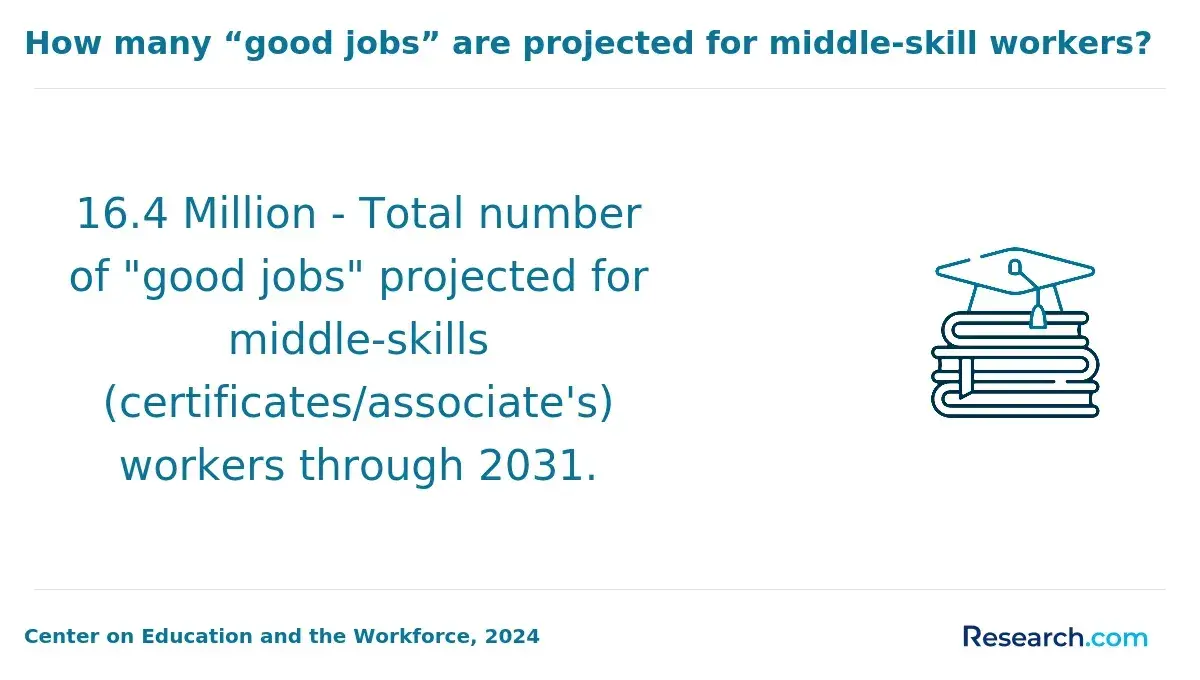
Choosing between an associate and a bachelor's degree in human services significantly shapes career trajectories, especially in family-focused fields. An associate degree, typically completed in two years, enables entry-level roles like support specialists but often correlates with slower wage growth and fewer advancement opportunities. Conversely, a four-year bachelor's degree is increasingly the minimum credential for professional roles such as social workers or family counselors, with many specialized positions in mental health and substance abuse counseling requiring this level or higher.
For someone balancing work and family, part-time or online programs extend completion time beyond four years, which can delay starting a career or achieving pay raises. This flexibility, however, allows managing employment alongside education, a practical tradeoff for many.
Consider a mental health social worker earning a median annual wage of $68,290, facing an 11% job growth outlook, where employers prioritize candidates with solid academic backgrounds and relevant credentials. These metrics reinforce that investing the extra time for a bachelor's degree directly aligns with higher-paying, in-demand roles that offer greater long-term security. Prospective students should weigh immediate workforce entry against the potential for enhanced professional resilience and access to licensure or graduate opportunities that a bachelor's degree more readily facilitates.
How much does a human services degree cost?
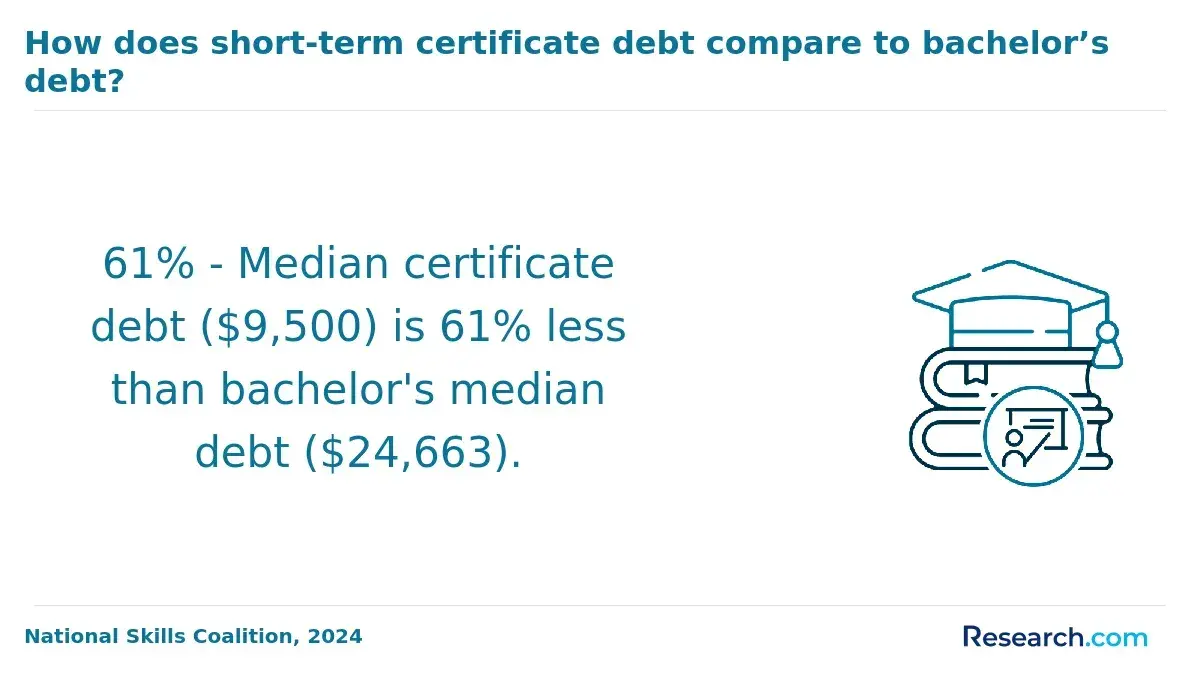
The cost of earning a human services degree varies substantially and influences both access and outcomes in the field. Public community colleges offer associate degrees for $4,000 to $8,000 annually for in-district students, but bachelor's degrees at public universities cost between $10,000 and $25,000 per year in-state. Private institutions escalate costs to $30,000-$50,000 annually. Online programs may seem economical but often add technology or material fees, which can offset savings.
Consider a working professional pursuing an online bachelor's degree part-time to maintain employment. Although tuition rates might be lower, the extended completion timeline raises total expenses and delays entry into roles like marriage and family therapy, where a bachelor's degree is generally the minimum requirement. Licensure commonly demands a master's degree, adding two years and $15,000 to $40,000 yearly in costs.
Key financial considerations include:
- Balancing debt load against median annual wages: marriage and family therapists earn $63,780, notably above the $49,500 median for all occupations according to the Bureau of Labor Statistics.
- Potential lost wages during full-time graduate study.
- The strategic value of employer tuition assistance or scholarships to mitigate expenses.
Decisions to invest in graduate education should weigh licensing's impact on long-term earnings against immediate economic constraints and workforce re-entry timing, particularly when pursuing roles emphasizing clinical credentials.
Do family services roles require licensure or certification?
Licensure and certification decisively shape career trajectories within family services, especially for roles involving clinical duties or legal accountability. Positions such as Licensed Clinical Social Workers (LCSWs) or Certified Family Life Educators (CFLEs) require meeting rigorous ethical and competency standards essential for vulnerable clients and court-related responsibilities. By contrast, probation and Family Court Services officers often rely on state certifications rather than clinical licensure, navigating specialized justice system protocols. For example, probation officers and correctional treatment specialists had a median annual wage of $64,520 in May 2024, illustrating how credentialing directly connects with workforce valuation.
Employers prioritize certifications verifying adherence to confidentiality rules, regulatory compliance, and evidence-based intervention skills. Candidates without these credentials frequently encounter limitations such as exclusion from court testimony roles or clinical assessments and are often confined to administrative functions. This restriction affects long-term career mobility and professional scope.
Prospective students must carefully weigh the substantial time, financial investment, and supervised experience required for licensure. Transitioning, for instance, into probation officer roles demands state certification and specialized legal training, affecting eligibility and salary tiers. Early verification of state-specific requirements helps avoid credentialing delays and enhances competitiveness in the family services labor market.
What salaries do family services roles pay?
The median annual salary for family services roles linked to a human services degree stands at approximately $57,530, about 16% higher than the overall U.S. median wage of $49,500. This premium reflects the demand for specialized competencies in educational settings, juvenile justice, and child welfare sectors. For instance, caseworkers supporting at-risk youth in nonprofits typically earn near this median, while general community social service workers may earn less.
This wage advantage is tied to employers' preference for candidates with hands-on experience in crisis intervention, family counseling, and multidisciplinary collaboration. However, salary levels vary regionally and by employer type, with urban school districts and state agencies offering compensation at or above median figures, while rural nonprofits might provide lower wages but compensate through benefits like loan forgiveness and flexible schedules.
Prospective students should consider these tradeoffs: roles in education may offer steady earning potential with gradual growth tied to licensure and advanced degrees, whereas entry-level community outreach positions could provide quicker employment but at lower starting pay. Strategic job selection based on certification and specialization directly influences earning capacity given documented wage disparities.
What is the job outlook for family services careers?
Entry-level roles in family services, such as social and human service assistants, are experiencing tangible wage growth driven by increased employer demand for practical skills and foundational degrees. Median wages rose by nearly 14% from $41,410 to $47,090 within a year, reflecting how essential hands-on experience and specialized training-like trauma-informed care or substance abuse counseling-can influence employability and compensation.
Organizations in child welfare, elder care, and community outreach expand rapidly, largely fueled by public funding and social focus shifts. Yet, advance into higher-level case management remains constrained by limited positions and stringent certification requirements, making targeted credentials critical for upward mobility.
Other Things You Should Know About Human Services
Family services roles often involve managing heavy caseloads that exceed academic training scenarios. Recent human services graduates should anticipate emotionally taxing work combined with administrative duties that require strong time-management skills. Employers prioritize candidates who demonstrate resilience and capacity to balance direct client interaction with documentation and coordination tasks, impacting job satisfaction and burnout risk.
Specializing in areas such as child and family welfare or counseling can significantly enhance employability in family services roles in 2027. These specializations provide targeted knowledge and skills that align with the demands of the field, making graduates more competitive candidates.
Community colleges may offer lower costs and quicker completion but often lack advanced coursework and extensive field placement options that four-year institutions provide. Employers in family services increasingly expect broader theoretical knowledge and supervised practice, which four-year programs are more likely to deliver. Candidates should weigh immediate affordability against long-term employability and access to higher-level positions, where a bachelor's degree often becomes a minimum requirement.
While entry-level family services positions may not mandate certifications, obtaining credentials like Certified Family Life Educator (CFLE) substantially enhances promotion potential and salary prospects. Graduates should assess employer expectations within their target region or agency and prioritize certifications that complement their degree specialization. Investing time and resources in relevant certifications early maximizes career advancement opportunities and distinguishes candidates in competitive hiring pools.
References
- Humanity in Action: Understanding Human Services Degrees https://www.ucumberlands.edu/blog/humanity-in-action-understanding-human-services-degrees
- What Qualifications Do You Need for a Family Support Worker in the UK? | Royal Open College https://royalopencollege.org/blog/healthcare/what-qualifications-do-you-need-for-a-family-support-worker-in-the-uk/
- Together we improve lives https://www.centerffs.org/careers
- Guide to bachelor's in human services | edX https://www.edx.org/bachelors/human-services
- Become a Child and Family Social Worker https://socialworklicensemap.com/social-work-careers/child-family-social-worker/
- Social Work Jobs That Don’t Require A License | Pacific Oaks https://www.pacificoaks.edu/voices/social-work/social-work-degree-careers-dont-require-license/
- What is Human Services https://www.nationalhumanservices.org/what-is-human-services/
- Human Services Careers | PublicHealthOnline.org https://www.publichealthonline.org/human-services/
- How to Become a Child Welfare Specialist (And Why It’s Worth It) | Rasmussen University https://www.rasmussen.edu/degrees/human-services/blog/how-to-become-a-child-welfare-specialist/
- How to Become a Family Preservation Specialist in IL: Essential Requirements Guide 2026 - Illinois Social Work https://illinoissocialwork.org/careers/family-preservation-specialist/