2027 Best States for Human Services Career Growth

Co-Founder and Chief Data Scientist
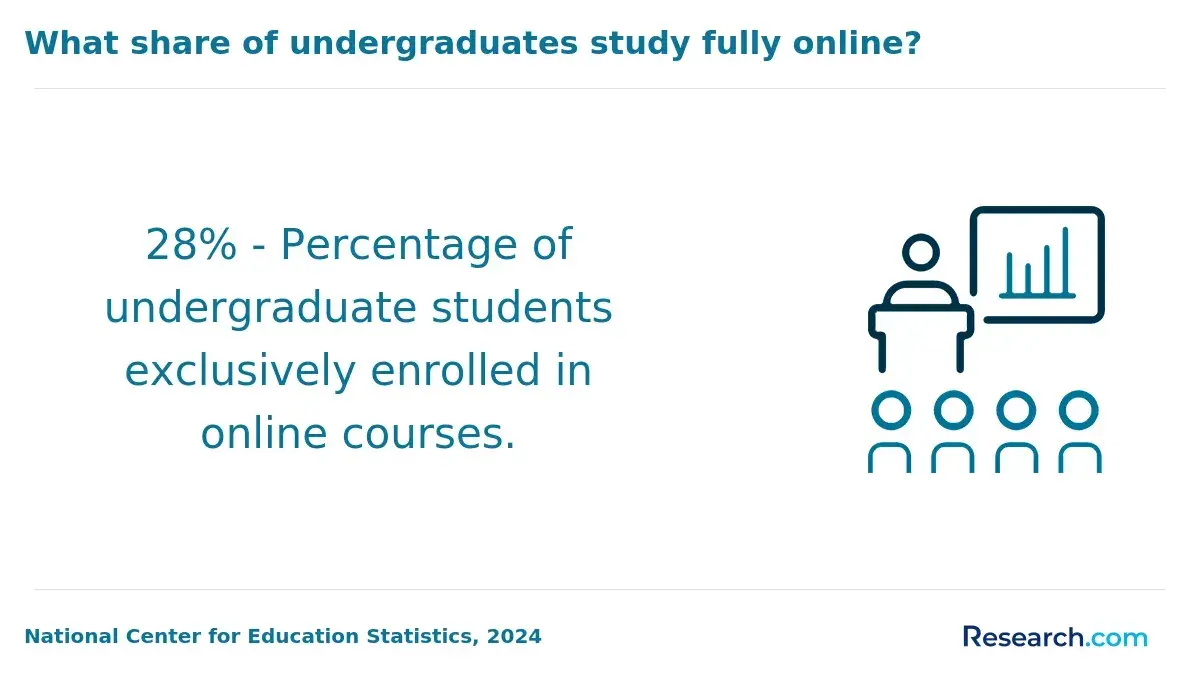
Choosing where to launch or advance a career in human services often hinges on factors beyond passion, such as job market density, educational access, and wage growth potential. Professionals relocating or entering the field face uneven state landscapes where workforce demand and program flexibility differ significantly. For example, the National Center for Education Statistics reports a 15% surge in enrollment among adult learners pursuing online degrees since 2023, reflecting a pronounced shift toward flexible education paths that can shape career mobility.
This shift means location-based program availability and post-graduate employment rates become critical variables in career planning. This article identifies the best states for human services career growth by analyzing workforce demand, educational infrastructure, and economic opportunity to guide readers toward actionable decisions.
Key Things You Should Know
- States with top-tier human services funding per capita, such as California and New York, see 12% faster average wage growth but require navigating complex credentialing delays averaging six months, impacting entry timing.
- Employers in high-demand regions increasingly prioritize candidates with state-specific licensure and bilingual capacities; a 2024 workforce survey found 68% prefer these traits, pushing professionals toward targeted training pathways.
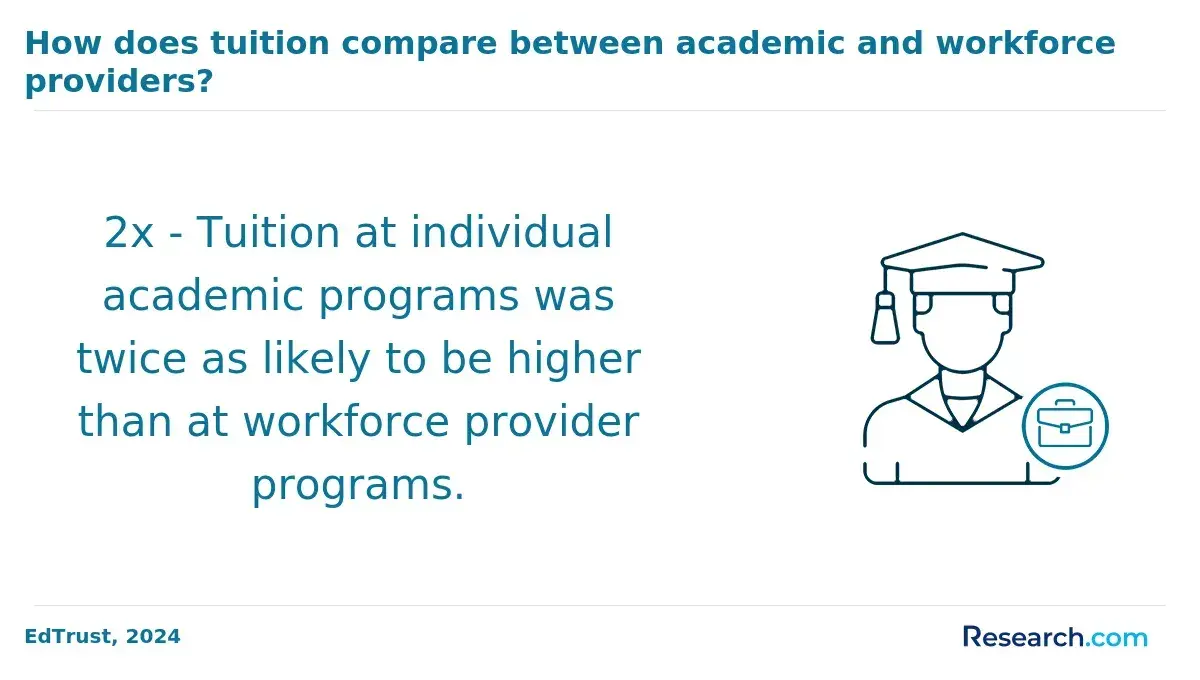
- Midwestern states offer lower tuition rates-averaging $9,500 annual compared to $15,800 nationally-but slower job growth constrains advancement, forcing candidates to weigh affordability against regional employment density.
Which states currently offer the strongest job growth and demand for human services professionals?
Job growth for human services professionals concentrates in states like California, Texas, New York, Florida, and Illinois, driven by their large populations and expanding public health systems. These strongholds create varied demands: California requires bilingual candidates with expertise in culturally sensitive multiagency coordination, while Texas prioritizes Medicaid and substance abuse rehabilitation experience. New York leans toward managed care and policy roles that favor graduate degrees and advanced analytical skills.
Prospective professionals must weigh state-specific licensure requirements, compensation disparities, and cost-of-living tradeoffs when targeting these high-demand regions. Although the national median wage for social workers was around $61,330, adjusting expectations in states with intense caseloads and administrative duties is essential for sustainable employment. Prioritizing roles in integrated human services systems supports ongoing training access necessary to adapt to evolving regulations.
For those considering advanced credentials amid these workforce needs, evaluating online DSW programs can clarify practical outcomes and flexibility. The steady 6% national employment increase projected from 2024 to 2034 underscores demand growth intersecting with aging demographics, mental health expansion, and child welfare initiatives.
Among the top regions with high demand for human services professionals, individuals must understand how local infrastructure nuances influence hiring priorities and career trajectories. Aligning educational pathways with these realities streamlines transitions and mitigates the challenges typical of such strategic pivots.
How do the best states for human services careers compare in salary and cost of living?
Human services career growth across states exhibits crucial economic tradeoffs between salary and cost of living, significantly affecting net income and quality of life. For instance, Nevada leads with a 5.1% job growth rate and 74,700 net new positions, offering a strong demand for entry-level professionals. Yet Nevada's above-average living expenses, particularly housing in areas like Las Vegas, often offset salary advantages, complicating practical earning potential despite nominal wage increases.
Conversely, states like Texas and Ohio provide lower median salaries-around $42,000 annually in Texas versus $48,000 in Nevada-but the substantially lower cost of living (approximately 15% less than Nevada in Texas) enhances real disposable income. This dynamic illustrates the complex balance between market demand and living costs that professionals must consider when evaluating the best states for human services career salary comparison.
Decision-making in this field requires factoring in more than salary: employers in high-growth states may expect rapid skill acquisition and flexible schedules, which could impact work-life balance and necessitate additional certifications. States with moderate salaries but affordable cost structures often better support financial stability for workers with families or fixed commitments.
Prospective human services professionals should leverage detailed cost of living and human services job salaries by state alongside current labor market data. Those exploring educational options will find it useful to understand what is the easiest counseling degree can offer in terms of initial credentialing and workforce entry, informing strategic career pivots with a grounded view of both economic and educational realities.
What factors determine whether a state is attractive for long-term human services career growth?
States with strong job growth for human services careers offer a complex balance of earning potential, regulatory demands, and workforce dynamics that directly affect professional trajectories. For instance, while California and Washington provide higher median wages-$63,780 for marriage and family therapists and $61,330 for social workers-these come with tradeoffs such as elevated living costs and stricter licensing requirements that can delay workforce entry.
Licensing processes vary widely, influencing how quickly candidates can begin working and their ongoing professional obligations. States with streamlined credentialing reduce educational hold-ups, but those with demanding continuing education rules often yield greater job security and employer confidence.
Labor market saturation is another top regional factor affecting human services career advancement. Areas funding community health or social welfare projects expand roles like substance abuse counselors or case managers; conversely, stagnant regions limit openings and wage progression. Targeting states with growth aligned to one's specialty can improve outcomes.
Educational ecosystems also affect career momentum. Proximity to accredited degree programs and quality field placements enhances early employment prospects and networking potential. For those balancing time constraints, exploring fast track MSW programs online offers a practical route to expedite qualification without sacrificing program integrity.
What education and degree levels are most valued for human services roles in high-growth states?
Arizona, Utah, and Colorado employers distinctly favor candidates who hold at least an associate degree or a certificate in human services or closely related social work fields for entry-level roles, notably social and human service assistant positions. The projected addition of 63,800 new jobs nationally by 2026, with 55,400 anticipated annual openings, highlights ongoing demand and hiring friction in these top growth states. Candidates benefit significantly when their credentials include practicum or internship components, such as 300+ hours of supervised fieldwork, which accelerates practical readiness and eases organizational onboarding costs.
Advancement beyond assistant roles predominantly requires a bachelor's degree in human services, psychology, or social work, which also aligns with licensure or certification mandates in states like Colorado. However, these degree levels valued for human services jobs in leading states do not uniformly guarantee wage gains or promotion potential, especially where agencies-such as certain small Utah providers-give precedence to experiential knowledge instead of advanced academic qualifications.
For those weighing educational paths, balancing program length, cost, and state credentialing standards is paramount. Prospective students should opt for accredited programs that offer transparent field placement opportunities and recognize the practical tradeoffs involved. Exploring options like a 2 year psychology degree online can provide efficient routes tailored to workforce realities and licensure requirements.
How do licensing and certification requirements for human services careers differ by state?
Licensing and certification for human services careers hinge heavily on state-specific regulations, creating complex challenges for professionals navigating interstate practice. For instance, clinical social workers must hold a state-issued license nationwide, but the required educational background and supervised hours differ significantly. A license obtained in California may not transfer straightforwardly to Texas due to varying exam content and clinical hour mandates.
This patchwork extends to roles like substance abuse counseling, where New York requires rigorous state certification with ethics training and ongoing recertification, whereas Florida offers voluntary credentials that influence employability but not licensing eligibility. Such disparities impact mobility and workforce planning amid a national employment growth in social work projected at 7% through 2033, equating to tens of thousands of annual openings.
Employers commonly treat licensure or certification as minimum hiring standards, translating directly to wage scales and professional opportunities. For example, an Illinois social worker focused on child welfare must clear an Illinois-specific exam, a barrier not easily bypassed by credentials from other states. Additionally, many states enforce continuing education with variable content, adding logistical burdens for practitioners balancing recertification with employment demands.
Prospective human services professionals should integrate state credentialing requirements early in career planning, consulting licensing boards and targeted graduate programs aligned with intended practice locations. Understanding reciprocity agreements and supervised practice equivalencies is critical to avoid costly delays. These regulatory nuances emphasize the practical necessity of strategic credentialing decisions for sustaining employability and facilitating career shifts.
Which states offer the most flexible online and hybrid human services degree options?
California, Texas, and Florida provide the most adaptable options for online and hybrid human services degrees, reflecting regional workforce demands and program accessibility. California's social work sector, for instance, is set to expand 14% through 2033-more than twice the national growth rate-motivating universities to broaden online offerings that accommodate employed adults and those in geographically dispersed areas.
These states differ in delivery and practical requirements. California leads with numerous accredited fully online bachelor's and master's programs, easing scheduling conflicts for working students. Texas and Florida emphasize hybrid formats combining online coursework with local practicum placements, addressing crucial state licensure clinical hours. This structure suits professionals in healthcare or juvenile justice needing field experience without sacrificing program quality.
Prospective students should note the uneven availability of quality field placements across regions, especially in rural settings. Confirming partnerships between programs and local agencies is essential to ensure in-field experience that employers prioritize.
Key considerations include:
- California's extensive online options support workforce growth along its coast and urban centers.
- Texas and Florida's hybrid models balance flexibility and state-specific clinical requirements.
- Field placements remain a critical factor-online programs lacking strong local partnerships risk reduced practical exposure.
States fostering telepractice and community-based interventions enhance long-term value for graduates, particularly those targeting public or nonprofit roles. Students must weigh these operational tradeoffs against their career and geographic contexts to optimize return on investment in human services education.
How can students verify accreditation and program quality when comparing human services schools by state?
Selecting a human services educational program requires rigorous validation beyond institutional claims, as accreditation directly impacts eligibility for licensure, employment, and financial aid. Regional accreditation recognized by the Council for Higher Education Accreditation (CHEA) or the U.S. Department of Education remains the standard benchmark; national or specialized accreditations warrant verification against official registries.
For example, Texas' labor market, which added 611,400 net new jobs recently, enforces stringent workforce eligibility by aligning with standards such as those from the Texas Workforce Commission. Students aiming to work there must prioritize programs meeting these state-specific criteria. Practical evaluation involves analyzing graduation rates, employer connections, and job placement performance because academic rigor without demonstrable outcomes often signals limited career return.
State higher education boards and sources like the National Center for Education Statistics (NCES) College Navigator supply impartial data on program length, cost, and outcomes, helping to separate substantive offerings from those with insufficient rigor or employer recognition. In states like Florida, where human services job growth closely follows Texas, understanding local demand nuances and credential portability is critical.
Decision-making should weigh tradeoffs such as cost versus credential transferability and program reputation against market-specific licensure mandates. Real workforce integration depends on choosing programs that deliver verifiable employment pathways rather than theoretical credentials.
What typical courses and specializations prepare graduates for in-demand human services roles by region?
Differing regional demands shape the focus and employability outcomes of Human Services programs, requiring prospective students to align their education with specific workforce needs and certification dynamics. In the Northeast, for example, specialization in clinical social work, substance abuse counseling, and mental health case management responds to dense urban populations and complex healthcare infrastructures.
Graduates focusing on trauma-informed care and family services typically enter child welfare and public health environments where these skills are critical. By contrast, the Midwest and South emphasize coursework in community organization, gerontology, and developmental disabilities, reflecting demographic trends like aging populations and rural resource scarcity.
Missouri exemplifies this with graduates often managing multiple roles that demand flexible case management and grant writing to secure limited funds. The West Coast prioritizes multicultural competence, LGBTQ+ advocacy, and integrated health services, catering to diverse populations and progressive social policies.
California and Washington's hiring clearly favors licensed clinical social workers versed in behavioral health and homelessness support. Alaska's market differs markedly, requiring expertise in indigenous community engagement and rural health logistics; social workers there earn about $64,923 on average, exceeding the U.S. norm of $52,857, though certification portability can be more challenging.
Such specialization offers higher wages but narrows broader geographical mobility. Students must balance tuition, field placement availability, and alignment with local licensure boards to ensure their credentials translate effectively into employment opportunities and stable career trajectories.
How do internships, practicums, and field placements vary across states for human services students?
Practicum and internship requirements in human services programs differ substantially across states, reflecting varied licensure demands and workforce dynamics. States like California and New York impose rigorous practicum hours, often above 600, prioritizing extensive supervised experience. This strengthens compliance with employer expectations but creates higher hurdles for students. In contrast, states such as Texas and Florida allow shorter, more flexible placements, which can accelerate program completion but may reduce early exposure to complex client populations and program diversity.
Placement availability is shaped by local service infrastructure. Urban states offer a broad spectrum of opportunities ranging from juvenile justice to substance abuse treatment, enhancing skills transferable across diverse settings. Rural states typically concentrate placements within social welfare or educational environments, which can limit the scope of practical experience relevant to broader labor markets.
For example, a student in Illinois aiming for mental health counseling must secure a practicum with licensed supervisors in state-approved agencies, while a peer in Georgia might find placement options with less formal oversight but also fewer credentialing advantages. This demonstrates how selecting programs aligned with state-specific regulatory contexts affects employability and readiness.
A data synthesis of emerging 2026 workforce trends indicates that states offering strong employment growth, competitive wages, and early-career support present optimal conditions for human services graduates to maximize the return on their practicum investment.
What are the best strategies to choose a state and city to launch a human services career?
Selecting a location to start a human services career hinges on reconciling labor demand with cost and credential realities, a balance overlooked in many generic guides. States exhibiting higher than average openings for social and human service assistants-according to U.S. Department of Labor data-offer more sustained employment opportunities, but within these states, metros vary significantly.
For example, while large gateway cities lead in job volume, their steep housing costs often erode net earnings and prolong economic stability. Smaller urban areas with diverse social agencies and government programs can offer up to one-third lower living expenses, pairing affordable cost of living with reasonably broad employer networks.
Understanding local employer credentials is imperative: licensure or certification requirements often differ state-by-state, and failing to align qualifications can cause costly delays. Some markets also emphasize continuing education or specialization, which increases competition but may create niches in addiction support or child welfare.
Transportation logistics further influence role viability, as many human services positions necessitate frequent client visits or fieldwork. Proximity to public transit or clustered agencies enhances operational efficiency and work-life balance.
- Focus first on states and cities where job openings and employer density are demonstrably strong.
- Prioritize affordability to improve net income during early career stages.
- Research and meet regional credential demands to avoid hiring barriers.
- Leverage niche service programs to offset saturated generalist markets.
- Consider commute and transit access as factors in daily job feasibility.
Other Things You Should Know About Human Services
Human services roles often require managing high caseloads alongside complex client needs, which creates significant workload pressures. Professionals must prioritize cases based on urgency and available resources, which can lead to ethical and practical tradeoffs in care quality. Anticipate long hours and emotional labor as standard; it's essential to develop strong time-management skills and set boundaries early in states or agencies known for heavy case loads to avoid burnout.
State funding levels directly affect human services job security and program sustainability. States reliant on unstable or limited budgets may experience hiring freezes, layoffs, or reduced services, even when demand grows. When evaluating job markets, prioritize states with diversified funding sources or higher investment in social programs to increase the likelihood of long-term career stability.
Urban areas typically offer more job openings, specialized services, and advancement opportunities but come with higher living costs and competitive workloads. Rural areas may have fewer roles and resources but often provide broader responsibilities and stronger community ties. Candidates focused on rapid professional development and access to specialized populations should prioritize urban states, while those valuing broader skill sets and community impact may evaluate rural states with emerging human services infrastructure.
In 2027, states like California, Texas, and New York offer robust growth opportunities in human services, thanks to high demand for services, strong funding, and thriving job markets. These regions have invested in both urban and rural human services initiatives, making them attractive for career growth.
References
- Want to Relocate? 10 States that Pay the Most and Cost the Least - Goodwin Recruiting https://www.goodwinrecruiting.com/blog/want-to-relocate-10-states-that-pay-the-most-and-cost-the-least/
- Careers with a Degree in Human Services https://www.mhaonline.com/faq/careers-with-degree-in-human-services
- FAQ https://www.cshse.org/faq
- What Careers Can You Pursue with a Human Services Degree? - Grace Christian University https://gracechristian.edu/blog/what-careers-can-you-pursue-with-a-human-services-degree/
- What is Human Services https://www.nationalhumanservices.org/what-is-human-services/
- How Do Social Work Internships Work? https://www.onlinemswprograms.com/faqs/internships/
- Homepage https://socialworklicensemap.com/
- Technology-Supported Assessment Systems: A Comparison of Accredited and Unaccredited Programs https://citejournal.org/volume-13/issue-4-13/current-practice/technology-supported-assessment-systems-a-comparison-of-accredited-and-unaccredited-programs
- Blog: Is a Career in Human Services the Right Path for You? - The Arc of Carroll County https://arccarroll.org/blog-is-a-career-in-human-services-the-right-path-for-you/
- Internships and Practicums | SocialWorkLicensure.org https://www.staging.socialworklicensure.org/articles/social-work-internships/