2027 Human Services Specializations With the Strongest Employer Demand

Co-Founder and Chief Data Scientist
Midcareer professionals seeking to pivot into human services often confront a fragmented labor market demanding precise specializations that guarantee steady employment. Despite an expanding need for social support roles, many candidates struggle to identify which credentials align with the most robust employer demand. The Department of Labor projects a 12% growth in social and community service management positions over the next decade, reflecting widespread organizational shifts toward specialized client care.
Yet, limited flexible pathways and uneven program accreditation complicate timely entry for adult learners balancing work and education. This article breaks down human services specializations with the strongest hiring prospects and practical implications to guide informed career decisions.
Key Things You Should Know
- Demand for addiction counseling specialists grew 17% between 2022 and 2024 per Bureau of Labor Statistics data, yet licensing timelines extend training costs by 20-30%, affecting mid-career reentry decisions.
- Employers prioritize candidates with crisis intervention credentials, with 68% of surveyed agencies preferring certifications that combine trauma-informed care and telehealth competencies, reshaping hiring criteria.
- Workforce shortages in geriatric support roles correlate with 35% higher wage growth nationally, but program availability remains limited geographically, imposing relocation or commutes for many candidates.
What are the most in-demand human services specializations employers are hiring for now?
Demand is accelerating for human services case management jobs in the United States, particularly within behavioral health roles such as substance abuse and mental health counseling. Employment for these counselors is expected to increase by 20% from 2024 to 2034, outpacing most occupations. This rapid expansion stems from the opioid epidemic, rising mental health awareness, and broader acceptance of behavioral health interventions in healthcare, education, and corrections.
Employers prioritize candidates who demonstrate proficiency in evidence-based therapeutic models, hold relevant licensure, and can navigate complex funding and regulatory environments. For example, community health centers favor counselors certified in trauma-informed care alongside substance abuse treatment, as this combination measurably improves patient outcomes and mitigates relapse.
Positions targeting vulnerable groups like children, veterans, and the homeless often require mastery of government assistance programs and cross-agency coordination-skills that can deter applicants without direct field experience or local network familiarity.
Choosing a specialization involves weighing quicker entry-level roles against lengthier certification paths that lead to higher salaries and demand. Substance abuse counselors earning certifications usually begin with better pay but contend with exam and supervision requirements, which introduce time and cost challenges. Those researching pathways may consider an online substance abuse counseling degree for a more flexible route.
Technology competence, including electronic health records and telehealth platform use, is increasingly non-negotiable across all specializations to maintain care continuity in dispersed settings. These realities shape which high demand human services counselor positions near me will remain competitive and sustainable going forward.
How do different human services specializations translate into specific job roles and workplaces?
Specializations within human services directly influence job roles and work environments, and this alignment profoundly shapes career trajectories. For example, marriage and family therapy programs lead to clinical counseling positions where emotional and relational expertise is essential, often commanding higher median wages-$63,780 compared to the broader U.S. median of $49,500-due to the specialized skills required in healthcare settings. This wage differential illustrates the market value employers associate with clinical competencies versus more generalized roles.
Social work specializations divide between school-based roles focused on educational barriers and clinical social work with treatment responsibilities, each demanding distinct licensure and adapting to different institutional cultures. Behavioral health careers emphasize interdisciplinary collaboration and crisis intervention, frequently within substance abuse or psychiatric rehabilitation centers, conditions that affect work schedules and professional expectations.
Administrative and policy-oriented human services pathways prioritize analytical skills and grant writing over direct client contact, placing graduates in government and nonprofit sectors where networking and data-driven decisions are paramount. Such roles often lack the clinical intensity of counseling but offer alternative routes to impact at organizational or systemic levels.
Prospective students assessing human services career paths and workplace settings must weigh practical considerations: clinical credentials provide higher pay but involve emotionally demanding work; administrative roles offer stability with less client exposure but different qualification demands. Accessing guidance on educational options like the easiest counseling degree programs can clarify these tradeoffs and streamline decision-making.
Employers continuously evaluate candidates based on licensure, certification, and adaptability to specific environments, underscoring the importance of matching human services specializations to realistic job roles and employment opportunities in human services specializations.
What education and degree levels are required for high-demand human services careers?
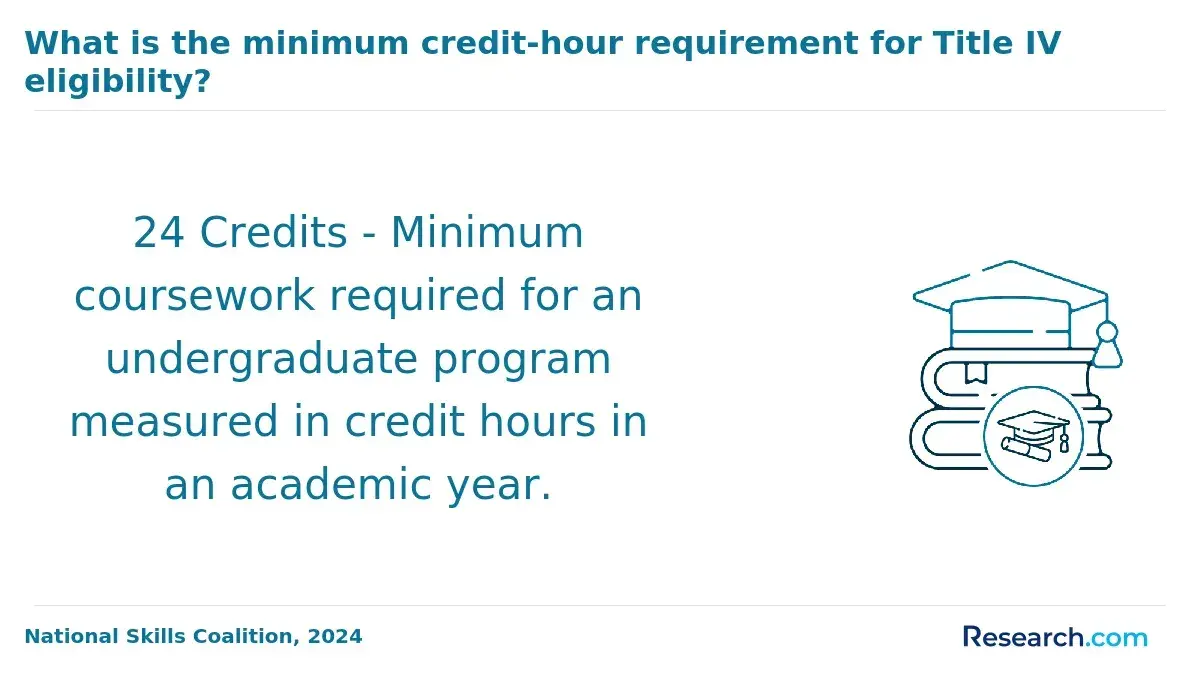
Meeting labor market demand in human services requires recognizing the critical role of a master's degree for counseling roles, especially school and career counseling, where state licensure mandates graduate education, supervised clinical hours, and passing rigorous exams. For instance, states require specialized credentials that a bachelor's degree alone cannot fulfill, illustrating the importance of understanding nuanced educational qualifications needed for high-demand human services jobs before committing to a program.
Entry-level roles such as case management assistants or community outreach coordinators may accept a bachelor's degree in related disciplines like psychology or sociology, but employers increasingly prioritize candidates with certifications or relevant experience alongside their degree. Those aiming for roles with clinical responsibilities or leadership tracks generally must pursue a master's or higher, often in social work or public administration.
Ongoing professional development, including workshops and supervision hours, is non-negotiable for maintaining licenses and adapting to changing regulations. Given that credentialing standards and market demand vary widely by state and specialization, early verification is essential. For professionals balancing work and study, programs offering flexible paths such as bridge options or part-time study align well with real-life constraints. Individuals can explore the benefits of an accelerated MSW program online to minimize time-to-licensure while meeting human services degree requirements for in-demand careers.
How do salaries compare across leading human services specializations and career stages?
Salary trajectories in human services specialization salary differences hinge heavily on the particular role, sector, and experience level, which shape compensation outcomes and career stage earnings in human services fields. Entry-level social workers, both clinical and non-clinical, typically range from $45,000 to $55,000 annually, but those taking on supervisory or specialized clinical responsibilities can see earnings climb to $65,000-$75,000 within five to seven years. Case managers and community service managers start closer to $50,000 but may surpass $80,000 as they acquire sector-specific expertise.
Employment growth of approximately 7% over a decade emphasizes ongoing demand in government, healthcare, and educational settings-areas that usually offer noticeably higher salaries than nonprofit environments. For instance, a clinical social worker employed in a hospital may earn 15-25% more than peers in community agencies due to heightened employer emphasis on licensure and crisis management skills.
Decisions about pursuing advanced education, like master's degrees or specialized certifications, require balancing initial costs and delayed workforce entry against long-term income potential. Employers favor candidates who combine credentials with demonstrable field experience and continuous professional development. Roles without clinical licensure requirements enable faster hiring but often have slower wage growth and limited advancement.
Professionals weighing a shift toward clinical social work must consider the demanding licensing path and its payoff in mid-career earning power. Aligning education with realistic employer expectations and job market demands is critical. Those evaluating options may benefit from exploring online masters in human resource management programs for alternative pathways that complement human services specialization salary differences and career diversification.
What is the current job outlook for major human services fields and related occupations?
Projected job openings for substance abuse, behavioral disorder, and mental health counselors will outpace other human services roles through 2034, with about 45,000 annual vacancies driven by increasing demand for addiction recovery and mental health support. This segment's growth contrasts with the steadier, more modest expansion in case management and social work, where funding constraints in government and nonprofit agencies emphasize the need for professionals who combine licensure with specialized skills in trauma or crisis intervention.
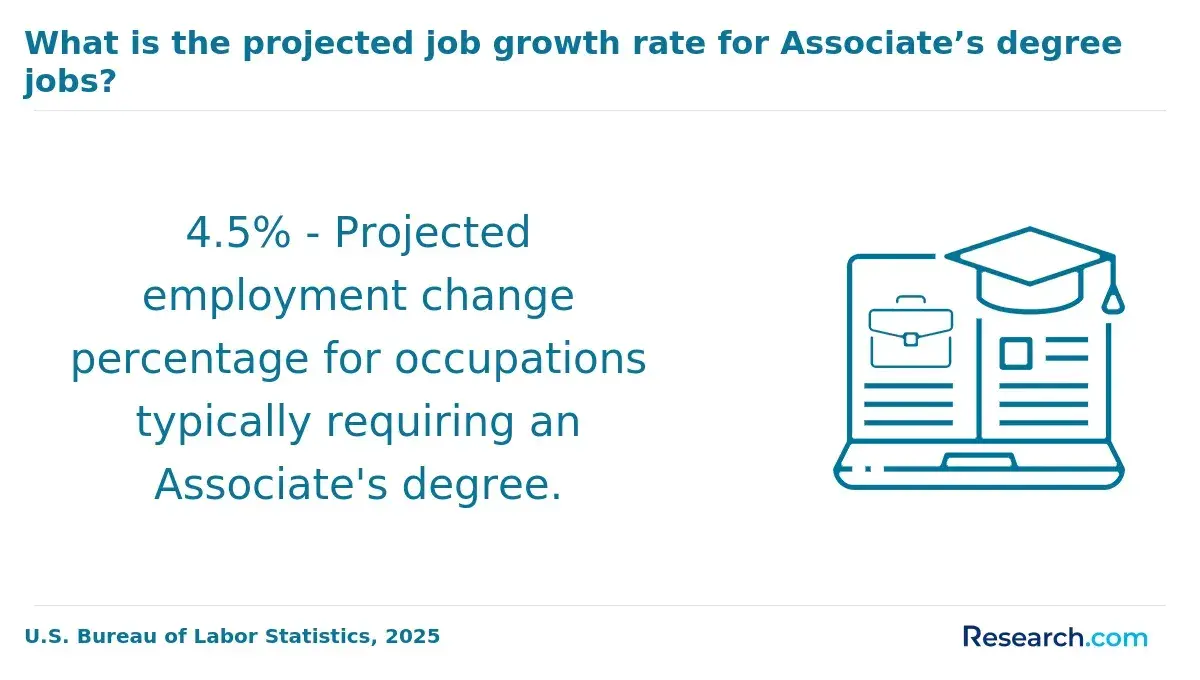
Graduates pursuing school-based or juvenile justice human services should note that demand varies regionally and often favors candidates skilled in data literacy and client engagement, reflecting urban centers' emphasis on evidence-based interventions. Navigating credential timelines is a critical workforce consideration; many high-demand roles require state licensing beyond initial certification, impacting time-to-employment and career flexibility. This landscape rewards candidates who understand and adapt to regulatory complexity and sector-specific employer priorities rather than pursuing broad, generalized human services credentials.
What courses and skills are emphasized in human services programs aligned with employer needs?
Human services programs that align tightly with employer demands concentrate on practical, multidisciplinary skills essential for community engagement, behavioral health, and resource coordination. Coursework blends public health principles, social policy analysis, and data collection methods, addressing specific roles like health education specialists and community health workers. Employers prioritize candidates capable of culturally competent communication and crisis intervention, responding to increasingly diverse and complex client populations.
Instruction time heavily favors needs assessment and program evaluation, equipping students to formulate outreach strategies that enhance community well-being. For instance, professionals in urban health departments must interpret demographic data while earning trust among underserved groups-skills cultivated through targeted coursework.
Tech proficiency in electronic health records and digital tools is expected, ensuring efficiency and regulatory compliance within digital health infrastructures. Collaboration skills also receive focused training to prepare students to partner with medical, mental health, and social service providers.
Projected employment growth of 13% for health education specialists and community health workers (U.S. Bureau of Labor Statistics) outpaces most fields, reflecting market preference for scalable prevention and outreach capabilities. However, the intensity of certification requirements and hands-on training length can create barriers.
Programs offering field placements reduce onboarding lag and improve employment outcomes by providing real-world exposure. Students should carefully assess tradeoffs between program duration, costs, and post-graduation credentialing demands to optimize employability in this evolving sector.
How do online human services degrees compare with campus programs for career outcomes?
Employers prioritize demonstrated practical skills and verified field experience in human services roles, which influences the comparative value of online versus campus degree paths. Despite online human services programs offering flexibility for working adults, their graduates often face challenges securing quality practicum placements without embedded partnerships, potentially delaying graduation or limiting hands-on learning.
In contrast, campus programs typically provide direct access to internships and face-to-face mentorship, elements highly valued by employers who look for site-specific, supervised fieldwork. For instance, a social service assistant studying online while working full-time might struggle to coordinate supervised practicum hours with local agencies, risking inconsistent supervision and geographic mismatch. This often translates into longer job searches despite holding accredited credentials.
Job prospects remain strong in this sector, with a projected 6% employment growth and median assistant wages of $45,120 annually. However, employability depends less on whether education is online or campus-based and more on the quality of clinical hours, employer connections, and real-world experience embedded in the program structure. Prospective students must critically evaluate these factors to mitigate risks associated with less supported online options and leverage programs with strong fieldwork integration.
Which accreditations and program quality indicators matter most in human services education?
Employers prioritize graduates from programs accredited by bodies such as the Council for Standards in Human Services Education (CSHSE) and the Council on Social Work Education (CSWE), as these credentials validate curriculum rigor and ensure graduates meet licensure and ethical standards. For example, candidates from CSWE-accredited social work programs are favored because they possess evidence-based intervention skills and are prepared for state certification exams.
In fields like gerontology and aging services, where home health and personal care aide roles are projected to grow by 15% over the next decade-adding roughly 804,000 jobs according to the U.S. Bureau of Labor Statistics-training aligned with state certification requirements provides a distinct hiring advantage.
Beyond accreditation, key quality indicators include comprehensive field placements and demonstrable outcomes such as job placement and retention rates. Students should evaluate whether curricula balance theory with practical skills like case management, crisis intervention, and culturally competent communication, especially when targeting specialties such as substance abuse or developmental disabilities.
Programs emphasizing academic research over applied skills may leave graduates underprepared for front-line roles which demand regulatory knowledge and interpersonal competence. Working professionals benefit from programs offering stackable credentials that shorten the time to workforce re-entry while aligning with employer needs. Most critically, failure to complete programs that prepare for state licensure or certification exams often restricts employment opportunities despite holding formal degrees.
What licenses or certifications are required for specific human services specializations?
Licensure and certification requirements pose significant practical constraints for those pursuing careers in human services specializations, with clear implications for employability and reimbursement eligibility. For example, rehabilitation counselors-projected to grow 9% over the decade with approximately 11,000 job openings annually-must obtain the Certified Rehabilitation Counselor (CRC) credential. This not only demands a master's degree and supervised clinical experience but also a state-recognized certification process confirming competency in disability advocacy.
Social workers aiming for clinical roles confront similarly stringent prerequisites, including accredited graduate education, 2-3 years of supervised practice, and passing a state licensing exam to become Licensed Clinical Social Workers (LCSWs). Substance abuse counselors navigate an equally regulated landscape, often requiring state licensure like Licensed Chemical Dependency Counselor (LCDC), which involves prescribed training, exams, and fieldwork tailored to addiction services.
In contrast, entry-level roles such as direct support professionals or case managers within developmental disability services may not mandate advanced licensure but benefit from certifications like the Certified Developmental Disabilities Professional (CDDP) to enhance salary and job competitiveness.
Failing to secure required licensure restricts access to clinical work and external funding sources, underscoring the necessity of aligning educational choices with licensure tracks and state requirements. Prospective students must also consider reciprocity and maintenance demands, especially when geographic mobility is a factor, to avoid costly retraining or licensing gaps.
How can prospective students choose a human services specialization that fits their goals?
Choosing a Human Services specialization requires aligning career objectives with labor market realities and credential demands. For example, focusing on Youth and Family Services offers an advantage given the U.S. Bureau of Labor Statistics projects a 6% growth and roughly 25,000 new openings annually for child, family, and school social workers between 2024 and 2034. Such growth data should directly influence how students prioritize their educational investments.
Prospective students must weigh the distinct professional pathways: clinical roles often require licensure and advanced degrees, increasing both time and cost commitments, while community outreach positions may value certifications and hands-on experience more heavily. This tradeoff determines program selection and practical readiness.
Employer expectations extend beyond academic credentials. Specialized training-such as trauma-informed care or case management software proficiency-and practical internships within relevant settings often separate competitive candidates from others. These real-world skills offer tangible employment advantages.
Geographic context and program logistics matter significantly. For instance, students in rural areas should verify local job market saturation and availability before committing, while considering whether online or in-person formats better fit their life circumstances.
Other Things You Should Know About Human Services
The workload in high-demand human services specializations typically involves managing complex caseloads, often with individuals facing acute social or psychological challenges. Employers expect strong time management and prioritization skills since burnout rates can be high without structured support. Candidates should seek programs that include realistic fieldwork or internships to prepare for this intensity and confirm the availability of employer supports like supervision or manageable client ratios.
Specializing increases employability in targeted sectors such as substance abuse counseling or gerontology but may limit lateral movement across areas. A generalist credential offers broader job options but sometimes at the cost of lower starting roles and wages. For rapid entry and employer preference, prioritize specialization aligned with regional labor market demand while maintaining some cross-sector skills for flexibility.
Employers in high-demand human services fields often require supervised experience or internships, even for entry-level roles. Programs that integrate practicum components tend to improve job placement rates because they reduce onboarding time for employers. Candidates without field experience should focus on educational pathways with mandatory hands-on training to meet employer standards and overcome typical "experience required" barriers.
In 2027, the human services specializations with the strongest employer demand include behavioral health, social work, and community outreach. These areas are driven by increased awareness of mental health needs, expanded healthcare access, and heightened community support programs.
References
- What is Human Services https://www.nationalhumanservices.org/what-is-human-services/
- Choosing a bachelor's in human services | edX https://www.edx.org/resources/how-to-choose-a-bachelors-in-human-services
- Humanity in Action: Understanding Human Services Degrees https://www.ucumberlands.edu/blog/humanity-in-action-understanding-human-services-degrees
- Addressing the Human Services Workforce Crisis Through Training and Professional Development https://behavioralhealthnews.org/addressing-the-human-services-workforce-crisis-through-training-and-professional-development/
- 3 Reasons to Venture Into the Human Services Industry https://columbia.ca/three-reasons-to-venture-into-the-human-services-industry/
- Health and Human Services: Campus & Online Degrees and Careers https://www.publichealthonline.org/human-services/online-degree-programs/
- High-demand social work careers in California: trends and opportunities https://socialwork.pacific.edu/blog/high-demand-social-work-careers-california-trends-and-opportunities
- Careers with a Degree in Human Services https://www.mhaonline.com/faq/careers-with-degree-in-human-services
- What Careers Can You Pursue with a Human Services Degree? - Grace Christian University https://gracechristian.edu/blog/what-careers-can-you-pursue-with-a-human-services-degree/
- Human Services Credential https://sites.highlands.edu/human-services/human-services-credential/