2027 Best Online Human Services Degrees for Community Resource Coordination Careers

Co-Founder and Chief Data Scientist
Facing the challenge of coordinating community resources amid rising caseloads and intricate social service networks demands more than passion-it requires targeted expertise and flexible, accessible education. With the U. S. Bureau of Labor Statistics projecting a 12% growth in human services employment by 2032, professionals must often juggle work and study, making traditional program schedules impractical. The National Center for Education Statistics reports a 15% uptick in online degree enrollment by adult learners over the past two years alone, indicating a shift toward education models that accommodate complex lives. This article evaluates the best online human services degrees optimized for those aiming to transition or advance in community resource coordination, highlighting program structures and outcomes relevant to realistic career timing and mobility.
Key Things You Should Know
- Growth projections for community resource coordinators outpace general human services jobs by 12% through 2032, but programs emphasizing practical certifications yield 18% higher placement in nonprofit sectors, driving critical hiring preferences.
- Employers overwhelmingly require multi-sector internship experience; 67% of top agencies list it as a prerequisite, significantly narrowing program choices with inadequate fieldwork integration despite similar degree titles.
- Programs with affordable tuition under $12,000 annually typically extend completion time beyond five years due to part-time pacing, constraining timely career transitions in a fast-evolving service ecosystem.
What is an online human services degree for community resource coordination and who is it best for?
An online human services degree for community resource coordination specifically develops administrative and coordination skills essential for managing complex multi-agency networks. This focus distinguishes it clearly from counseling or social work degrees, which concentrate on clinical practices. Candidates pursuing the best online human services degrees for community support careers should anticipate roles demanding proficiency in referral system management, strategic outreach, and data-driven program evaluation.
For example, a coordinator employed remotely by a public health department might integrate disparate client datasets across providers to enhance case management efficiency. These practical abilities meet rising employer expectations for candidates who combine interpersonal foundations with technological fluency in digital resource coordination tools.
The financial tradeoff between out-of-state tuition-averaging $28,736-and in-state rates near $10,048 is significant, especially for working adults balancing education and unpaid fieldwork. With over 1,478 U.S. colleges offering human services programs as of 2025, candidates must weigh these direct costs against long-term career implications and role suitability.
This degree pathway is most effective for career changers or advancement seekers aiming to fill administrative gaps within community systems. It is less suitable for those targeting clinical practice; individuals should consider an online mental health counseling masters for that focus.
How do online human services programs prepare graduates specifically for community resource coordination roles?
Online human services degree programs for community resource coordination focus heavily on applied skills that enable graduates to manage fragmented service ecosystems efficiently. Students learn to assess client needs using demographic and socioeconomic data, then coordinate multi-agency collaborations involving nonprofits, government bodies, and private organizations. This practical emphasis prepares graduates to construct individualized service plans, whether addressing at-risk youth cases or supporting elderly clients with multiple health challenges.
Skills gained from online human services programs for coordinating community resources include regulatory compliance with confidentiality and eligibility rules, hands-on case management simulations, and advocacy for community funding through data-driven strategies. These competencies reflect employer expectations in social service roles, which increasingly demand managerial abilities such as budgeting, team leadership, and program evaluation to move beyond entry-level coordination.
Practical scenarios embedded in curricula, like crisis intervention logistics that differ between urban and rural contexts, hone adaptability and problem-solving-critical given the 6% projected employment growth for social and community service managers from 2024 to 2034. This workforce reality means graduates must navigate systemic disparities and logistical complexity to be effective.
For those considering a strategic shift, exploring specialized options such as CACREP-accredited online counseling programs may provide complementary skillsets relevant to nuanced community coordination roles.
What accreditation and institutional approvals should online human services degrees have in the U.S.?
Regional or national accreditation recognized by the U.S. Department of Education or CHEA is a non-negotiable criterion for online human services degree programs. Employers and state agencies often eliminate candidates holding degrees without proper regional accreditation, regardless of program specialization. For instance, a state agency hiring community resource coordinators may reject applicants lacking this accreditation, directly limiting their job eligibility and mobility.
Specialized accreditation from bodies like the Council for Standards in Human Service Education (CSHSE) adds a layer of program credibility but cannot substitute for institutional accreditation. This distinction impacts licensure eligibility, employer recognition, and access to federal financial aid. Prospective students evaluating online human services degree accreditation in the U.S. should prioritize programs with both regional and programmatic approvals to avoid diminished career prospects.
Cost considerations further complicate decision-making. Accredited programs show higher average annual tuition-the last reported figures are $14,688 for bachelor's and $20,513 for master's degrees-reflecting the investment required for quality education and field placement opportunities, which are often restricted by state authorization reciprocity agreements.
Students pursuing an online master's degree in counseling or related fields must scrutinize these elements carefully. Without confirmed institutional and programmatic accreditation, graduates risk impaired career advancement pathways and reduced credentials value.
What are the different degree pathways for community resource coordination careers (AA, BA, MA)?
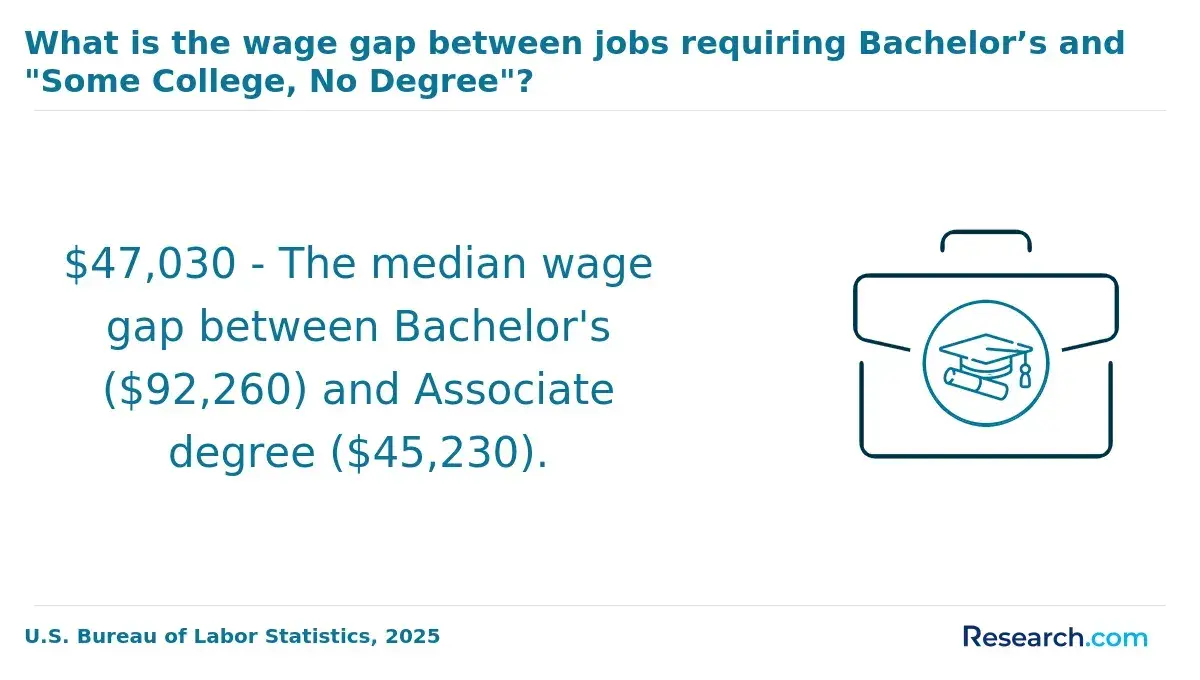
Community resource coordination careers demand clear alignment between educational investment and job role expectations, with degree level exerting decisive influence on employability and functional scope. An associate degree (AA) provides foundational skills suitable for immediate entry as case aides or program support personnel, yet it inherently restricts advancement without further qualification. Individuals seeking rapid workforce entry might consider exploring options like a 2 year psychology degree online for comparable foundational human services training accessible through accelerated formats.
Bachelor's degrees (BA) integrate comprehensive social policy and client advocacy coursework, typically expected for coordinator roles requiring navigation of complex service systems and interagency collaboration. These programs often include practical internships, critical for proving ability in real-world coordination tasks. This makes them the standard for those targeting sustainable community careers within nonprofit management or local government sectors.
The master's degree (MA) elevates expertise with specialization in policy analysis, leadership, and advanced assessment techniques. In fields such as healthcare resource coordination or urban planning, this qualification correlates directly with positions of leadership, program design responsibility, and funding acquisition. However, the extended time and financial investment for the MA must be balanced against immediate employment needs.
Choosing among these pathways depends on weighing practical tradeoffs: the faster entry but limited upward mobility of the AA versus the longer, costlier education for advanced policy influence available through the MA, with the BA serving as a pivotal midpoint. For those researching reliable online options, understanding the nuances among online human services degree pathways for community careers is essential to align education with realistic career prospects.
How do online human services programs compare with campus-based options for quality and outcomes?
Online human services programs deliver comparable educational quality and workforce outcomes to campus-based options when students enroll in accredited institutions with evidence-based curricula. However, a significant operational difference lies in fieldwork coordination: campus students typically benefit from assigned practicum sites and networking that ease access to client engagement and professional mentorship, while online learners must independently secure externships, requiring proactive local outreach and self-management. This distinction heavily influences licensure eligibility and employability in community resource coordination roles.
Employers prioritize demonstrated practical experience alongside academic credentials, so inadequate fieldwork completion can delay entry into human services roles regardless of delivery mode. Research indicates that online programs integrating synchronous instruction and cohort models narrow completion and placement disparities compared to traditional pathways, contributing to stronger collaborative skill development critical for complex, community-focused work.
Program specialization affects readiness: approximately 64% of public policy and social services majors focus on social work, aligning more clearly with employer demand, while 16% concentrate on human services and community organization, which requires deeper engagement with cross-agency collaboration and local policy navigation. Online formats may limit access to these nuanced community-based projects prevalent on campuses, potentially affecting graduates' ability to navigate real-world resource coordination challenges.
Prospective students must weigh these tradeoffs: working professionals gain schedule flexibility online but face extra burden securing practicums; traditional students receive structured support but less timetable adaptability. Outcomes depend on program structure, student initiative in field placements, and integration of applied learning rather than on whether instruction is virtual or in-person.
What courses and skills are typically included in an online human services curriculum for resource coordinators?
Effective online human services programs for resource coordinators demand more than foundational knowledge; they must deliver applied skills tailored to complex community dynamics. Employers expect graduates who can manage caseloads involving diverse populations, including clients facing housing insecurity or substance abuse, while balancing agency protocols and funding constraints.
Key coursework blends case management, crisis intervention, and organizational behavior with targeted competencies such as grant writing and program evaluation. These elements are essential given that securing sustainable funding often dictates program viability. Additionally, students develop data analysis capabilities to track outcomes and adjust service delivery, responding to increasing reliance on evidence-based practices.
Practical skill development prioritizes communication strategies, conflict resolution, and advocacy, reinforced through simulations and field practicum. This approach prepares students to navigate stakeholder negotiations and address culturally sensitive situations effectively.
Graduates contending with roughly 313,700 projected annual job openings in social and community services must also master virtual collaboration tools and specialized software for case management, enhancing efficiency in distributed service teams.
- Multicultural competence and ethical decision-making are non-negotiable for maintaining compliance with regulatory frameworks.
- Balancing coursework with real-world experience often challenges students but equips them for operational complexities across government, nonprofit, and healthcare sectors.
- Employers prioritize candidates who demonstrate both interpersonal adaptability and technical proficiency in resource coordination.
For further detailed program structures and workforce outcomes, review resources at research.com.
What are typical admission requirements, program length, and schedules for online human services degrees?
Admission requirements for online human services degrees vary notably by level and impact students' ability to enter and progress efficiently. Associate programs tend to require only a high school diploma or equivalent with minimal documentation, while bachelor's programs often enforce GPA thresholds between 2.5 and 3.0. For master's degrees, relevant undergraduate degrees, letters of recommendation, professional experience, and sometimes GRE scores are common prerequisites. Applicants should prepare a statement of purpose clearly demonstrating commitment to community resource coordination to meet selective program expectations.
Time to completion is a critical factor for working professionals balancing employment with study. Associate degrees normally take two years full-time, bachelor's degrees four years, though many students extend this to five or six years to manage work and life demands. Master's degrees average around two years but can be accelerated to 12-18 months for qualified candidates with prior experience or coursework.
Course delivery is largely asynchronous, offering flexibility yet some programs require synchronous sessions for essential practicum coordination and real-time discussion. Field placements, vital for bridging theory and practice within community contexts, require flexible scheduling tailored to individual situations.
Salary data for social and community service managers, a common career outcome, indicates a median annual wage of $78,240. This underscores the practical advantage of selecting programs that integrate hands-on training and hold employer credibility, as timely completion combined with relevant practicum experiences materially influences job market competitiveness and potential earnings.
How much do online human services degrees cost, and what financial aid options are available?
Investing in an online human services bachelor's degree requires balancing upfront costs against realistic post-graduation employment prospects and financial aid options. Tuition typically ranges from $15,000 to over $40,000, with public universities charging $300 to $500 per credit for in-state students and private or out-of-state rates exceeding $700 per credit. These figures represent significant financial commitments that must be weighed against potential salary gains and job requirements.
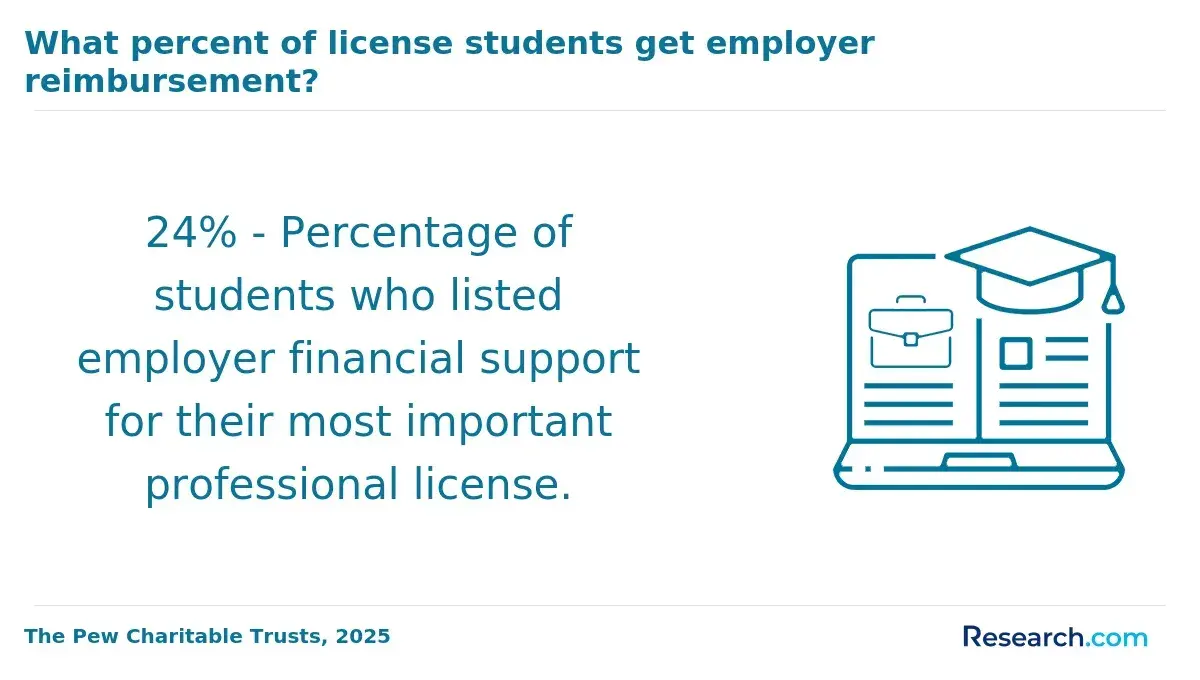
Financial aid can substantially mitigate costs but demands strategic planning. Federal Pell Grants, offering up to $7,500 annually, depend on FAFSA eligibility, which should be filed early. Federal student loans offer income-driven repayment plans that can ease monthly payments, typically around $200 for a $20,000 loan at 4% interest over 10 years. Employer tuition assistance may offset expenses for working adults already engaged in community resource roles, though criteria and availability vary widely.
Employment data indicate that 63% of public policy and social services degree holders secure positions requiring at least a bachelor's degree, validating the credential's relevance but highlighting the need to avoid excessive debt. Students should consider credit transfer options to reduce program length and costs.
- Early FAFSA filing maximizes federal aid access
- Employer tuition programs can lower financial burden but often require job alignment
- Loan repayment plans make borrowing manageable but increase long-term cost
Prospective students must weigh these financial realities against workforce demands to ensure a sustainable, pragmatic educational investment in human services.
What jobs, work settings, and advancement opportunities exist for community resource coordination graduates?
Community resource coordination graduates enter fields where managing access to housing, healthcare, and employment services directly impacts client stability and well-being. Their roles, often embedded in government, healthcare, nonprofit, or educational settings, require nuanced understanding of localized resource landscapes. For instance, a coordinator working in a hospital focuses on post-discharge patient support, contrasting with homeless services roles prioritizing immediate housing interventions-each demanding distinct skills and network capacities.
Advancement typically depends less on time served and more on measurable outcomes in resource mobilization and client impact. Employers increasingly value specialized certifications or graduate degrees in social work, public administration, or counseling to qualify for leadership positions such as program directors or policy analysts. With over 69% of employers signaling plans to raise salaries for bachelor's degree holders, combining academic credentials with practical expertise is a strategic necessity.
Operational challenges like heavy caseloads and evolving regulatory standards shape daily workflows and can constrain growth if not proactively managed. Developing grant writing, data analysis, and cross-sector networking skills substantially improve prospects for supervisory roles within complex social service ecosystems.
- Employment typically spans urban social service centers to rural clinics, with each context requiring adaptable solutions.
- Advancement paths rely on demonstrated outcomes rather than tenure, emphasizing continuous learning and strategic skill development.
What salary ranges, job outlook, and certification or licensing options apply to this career path?
The salary range for community resource coordinators in human services is shaped heavily by geography, employer type, and credentials, with median annual earnings between $40,000 and $60,000. Entry-level roles often begin near $38,000, especially in nonprofits or local governments, but experienced professionals with advanced credentials may surpass $65,000 in metropolitan or specialized settings. This wage variance illustrates a key tradeoff: rural coordinators encounter more job availability but lower pay ceilings, while urban practitioners face higher wages paired with more rigorous certification and a demanding pace.
Certification notably influences marketability and earnings. Credentials such as Certified Community Resource Specialist (CCRS) or Human Services-Board Certified Practitioner (HS-BCP) are increasingly favored by employers, particularly for positions requiring client interaction or case management. These roles frequently mandate state licensure, supervised experience, and exam completion, which affect timelines and feasibility of entry.
Practical expertise often trumps formal qualifications in employer selection criteria, making internships and hands-on program involvement vital. Notably, 17% of public policy and social services degree holders balance part-time employment, reflecting either strategic flexibility or underemployment risk. This dynamic requires prospective entrants to carefully weigh their financial planning and work-life parameters.
- Rural vs. urban job market tradeoffs impact certification prioritization and growth potential.
- Balancing part-time work is common, influencing income stability and career progression.
- Mandatory licensing and credential complexity vary widely across states and roles.
Other Things You Should Know About Human Services
Prioritize programs that require on-site field placements over fully remote practicums when possible. Employers in community resource coordination value direct client interaction and practical experience in real environments. While remote practicums offer flexibility, they often lack the depth of community engagement and networking critical to building skills and job connections. If balancing work or family limits your options, seek hybrid models that combine face-to-face practice with online coursework.
When selecting an online human services degree for community resource coordination, consider program accreditation, specialization options, program flexibility, faculty expertise, and alumni success rates. Ensure the program offers practical experiences like internships and fieldwork to enhance real-world skills, crucial for effective community engagement and resource coordination.
Specialization tracks in areas like mental health or case management provide targeted skills and clearer employer alignment in community resource coordination, increasing immediate job market relevance. Generalist degrees offer flexible career options but may require additional training or certifications to compete for specialized roles. If you have a defined career focus, choose a program with relevant concentrations to reduce the need for costly post-degree education.
Faculty experience in community resource coordination ensures curriculum relevance and practical insights that reflect current employer expectations. Instructors without real-world backgrounds may deliver theory-heavy content with limited application. Students should prioritize programs that feature faculty with recent, hands-on experience to gain skills aligned with community needs, increasing employability and confidence in professional settings.
References
- 10 Careers for Social Work Majors https://www.umassglobal.edu/blog-news/careers-for-social-work-majors
- FAQ https://www.cshse.org/faq
- What is Human Services https://www.nationalhumanservices.org/what-is-human-services/
- 12 top careers in community services built for people who care | Acknowledge Education https://www.acknowledgeeducation.edu.au/knowledge-hub/careers-community-services-opportunities
- Health and Human Services: Campus & Online Degrees and Careers https://www.publichealthonline.org/human-services/online-degree-programs/
- Human Services Online - Saint Mary-of-the-Woods College https://www.smwc.edu/departments/social-behavioral-sciences/human-services-online/
- Human Services Degree Online https://gardner-webb.edu/programs/human-services/
- Is a Human Services Degree Right for You? https://www.ucumberlands.edu/blog/is-a-human-services-degree-right-for-you
- Social Work Career Pathways https://socialworklicensemap.com/social-work-careers/pathways/
- What do you learn in a bachelor's in human services? | edX https://www.edx.org/resources/what-do-you-learn-in-a-bachelors-in-human-services