2027 Human Services Specializations for Social Work and Counseling Preparation

Co-Founder and Chief Data Scientist
Balancing the urgent need for specialization with the constraints of employment and personal commitments creates a critical dilemma for social work and counseling aspirants. Nearly 60% of adult learners now prioritize programs that offer flexible, online modalities, according to the National Center for Education Statistics, signaling a shift toward adaptability rather than traditional full-time study. This trend reshapes how candidates evaluate specializations within human services, weighing practical accessibility against evolving workforce demands.
Selecting the right focus area influences not only licensure eligibility but also long-term career viability amid tightening professional standards. This article examines human services specializations, comparing program structures and workforce alignment to guide students and professionals toward informed, strategic decisions.
Key Things You Should Know
- Specializing in trauma-informed care boosts employability by 27% in high-demand sectors like juvenile justice and veteran services, but requires costly clinical hours, delaying full workforce entry by an average of 9 months according to 2024 NASW workforce data.
- Employers increasingly prioritize candidates with multi-modal counseling skills merging digital and in-person approaches, creating a competence gap for traditional-only trained professionals that narrows advancement opportunities in urban nonprofit agencies.
- Programs emphasizing certification over broader policy or administrative training align with immediate frontline roles but limit mid-career leadership prospects, impacting salary growth trajectories per BLS wage analysis through 2025.
What are the main Human Services specializations that prepare students for social work and counseling?
Choosing a specialization within human services directly influences employability and day-to-day responsibilities. For instance, child and family services specialization places professionals in direct contact with vulnerable groups like foster children and at-risk families, requiring a mix of case management and therapeutic intervention. Such roles, including child, family, and school social workers, had a median wage of $62,920 in 2024 with moderate projected growth. This specialization is markedly different from community advocacy, which emphasizes organizational leadership, policy analysis, and grant writing to address systemic issues like poverty and homelessness.
Human services counseling specializations and career paths such as mental health and substance abuse counseling demand strong clinical skills for crisis intervention and managing complex emotional disorders, often in treatment centers. Gerontology responds to the aging population's needs by focusing on elder care coordination and abuse prevention, a field growing alongside demographic shifts.
Each specialization involves unique certification requirements and practical experiences that impact job readiness and career trajectory. When deciding, prospective students must weigh whether they prefer frontline social work or system-level program development, considering workforce demands and personal aptitude.
Those aiming for advanced credentials might explore options like an online PhD in counseling, which can enhance qualifications for leadership or specialized clinical roles within human services.
How does a Human Services degree differ from a social work or counseling degree?
The critical distinction between a human services degree and social work or counseling degrees lies in licensure and role specificity, shaping the practical career pathways that graduates can pursue. Those holding a human services degree often enter roles focused on coordination, advocacy, and connecting clients to resources rather than clinical diagnosis or therapy. In contrast, social work and counseling programs require advanced clinical coursework and supervised hours that enable state licensure, qualifying graduates for therapeutic interventions and direct mental health treatment.
Employers typically separate candidates by credential status; for example, a licensed counselor can assess and treat behavioral disorders, while a human services professional facilitates access to services and community programs. This division significantly influences salary potential and job scope within healthcare and nonprofit settings.
The 18% projected growth in employment for substance abuse, behavioral disorder, and mental health counselors from 2022 to 2032 emphasizes demand for licensed clinicians, a trend not equally reflected for generalist human services roles. Prospective students considering career paths in human services and counseling programs must weigh these workforce realities against their willingness to invest in additional licensure requirements or aim for more immediate entry-level positions.
Additional certification or education is often necessary for human services graduates to transition into licensed counseling or social work roles, introducing logistical and financial challenges. Research on CACREP accredited schools can guide those aiming for clinical counseling licensure to identify programs aligned with state requirements and career goals.
Which Human Services specializations best align with specific counseling and social work careers?
Specializing in substance use and addiction, mental health counseling, or family and youth services distinctly shapes human services careers by aligning skill sets with labor market demand. For instance, addiction services roles require certification beyond standard licensure but offer a median annual wage of $68,290, with employment growth projected at 11%, according to BLS data compiled by HumanServicesEdu. This specialization suits candidates targeting rural areas with pressing substance abuse needs, whereas mental health specializations-favoring licensed counseling in outpatient or community settings-often concentrate on comorbid disorders prevalent in urban centers.
Human services specializations aligned with social work careers demand attention to licensing pathways and employer expectations. Mental health tracks might expedite entry via Licensed Professional Counselor (LPC) or Licensed Clinical Social Worker (LCSW) credentials, while addiction counseling introduces additional certification steps. Practical training through internships is non-negotiable, as it influences both licensure eligibility and readiness for complex case management jobs.
Family and youth services center on systemic approaches with interagency collaboration, critical to roles in child welfare and juvenile justice. Choosing a track hinges on balancing credential requirements, location-specific demand, and long-term employability. Prospective students can further evaluate program options by reviewing the most affordable online MSW programs to identify pathways that support both specialization and cost efficiency.
Effective counseling careers in human services fields require strategic specialization decisions rooted in these operational realities, not generic credential acquisition. Aligning educational choices with well-defined career objectives directly impacts licensure efficiency, job placement potential, and sustainable income trajectory.
What courses and skills are emphasized in Human Services specializations related to counseling and case management?
Specializations in human services counseling and case management prioritize practical skills that align directly with workforce demands, focusing on clinical assessment, intervention strategies, and ethical decision-making. A critical element is client engagement, which involves techniques like motivational interviewing and trauma-informed care to serve diverse populations effectively.
Core curricula reflect real-world complexities by integrating psychology, social policy, and healthcare system knowledge. For instance, counselors working in gerontology must merge understanding of age-related cognitive decline with case management skills to navigate programs such as Medicaid efficiently. This illustrates how human services counseling and case management courses prepare students for specialized roles where interdisciplinary competence is essential.
Key skills emphasized in human services specializations include diagnostic evaluation, service coordination, and crisis management. These are reinforced by training in electronic health records and client management software, addressing the rising need for digital proficiency in this field.
Employers often require a master's degree-especially in healthcare settings-where social workers earn a median salary near $63,000. About 70% of these roles demand advanced preparation, reflecting the sector's competitive nature. Professional success depends not only on technical skills but also on capacity for advocacy and navigating fragmented social systems.
Prospective students seeking cost-effective educational routes should explore the cheapest online human resources degree, which can provide flexible access to foundational human services education.
How do online Human Services specializations compare with campus programs for social work preparation?
Online human services specializations often replicate core social work knowledge found in campus programs but rarely match the depth of hands-on field practicum essential for licensure and effective employment. Campus programs usually incorporate supervised practicum embedded within local agencies, enabling direct client interaction. In contrast, online students-especially those outside metropolitan areas-must independently locate quality placements, which can delay completion and limit practical exposure.
For example, candidates targeting school social work roles must accumulate field hours in educational settings, a process streamlined by on-campus partnerships but frequently burdened by logistical challenges for online learners. Employers consistently favor applicants with verifiable, in-person training over those whose experience depends primarily on simulations or remote coursework.
The flexibility of online formats benefits working professionals or geographically isolated students but sacrifices critical networking and immersive problem-solving opportunities. Limited synchronous engagement and technological disparities may hinder skill development in areas like crisis intervention or advocacy. Prospective students should carefully evaluate programs for practicum support, including placement vetting and supervision aligned with local social service mandates.
- Campus programs provide structured, proximate field experiences tied to employment networks.
- Online pathways require greater student initiative to secure relevant practicum sites.
- Employers valuing contextual, hands-on experience may view online-only credentials as less competitive.
Decision-makers balancing convenience with workforce demands should recognize that robust supervised fieldwork correlates strongly with employability and licensing readiness in high-need segments like school and youth services, which represent significant portions of the 463,000-strong professional social work landscape documented by the Social Work Census.
What accreditation and program quality indicators matter for Human Services counseling pathways?
Employers in human services prioritize candidates from programs accredited by the Council for Standards in Human Service Education (CSHSE) or regionally accredited institutions recognized by the U.S. Department of Education due to verified curriculum rigor and licensure alignment. For example, social and community service managers-with a median salary of $86,100 and a projected growth rate of 9%-benefit from education that integrates ethics, evidence-based counseling techniques, and administrative skills essential for effective agency leadership.
Beyond accreditation, the volume and quality of supervised practicum hours strongly influence employability and readiness. A candidate completing over 300 supervised hours by credentialed professionals demonstrates capacity for managing complex caseloads, significantly reducing employer training burden and time to productivity.
Program quality also depends on faculty expertise, curriculum relevancy to evolving social challenges, and transparent student outcomes such as licensure exam pass rates and job placements. Programs lacking trauma-informed care or culturally competent approaches risk graduating underprepared professionals especially in mental health and substance abuse sectors.
Prospective students must weigh these trade-offs carefully. Non-accredited or shortcut programs limit licensing eligibility and constrain access to leadership roles where long-term labor market data show highest demand and stability.
What are typical admission requirements, program length, and costs for Human Services specializations?
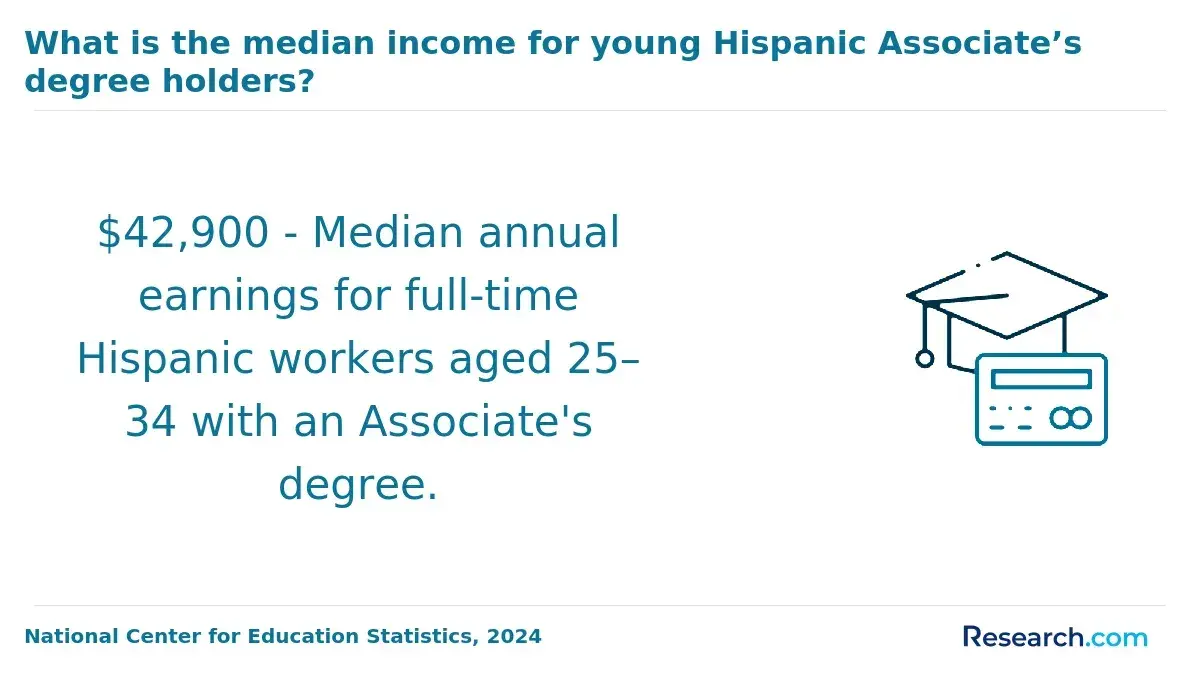
Admission into human services programs hinges on the credential level, with entry requiring a high school diploma or equivalent for certificates and associates, while bachelor's degrees demand standardized test scores or prior college coursework. Graduate programs raise the bar with related bachelor's degrees, minimum GPAs, recommendations, and often relevant experience. Careers in corrections or forensic social work add layers of complexity, including mandatory background checks and prerequisite courses in psychology or criminal justice.
Program durations impact workforce entry and financial burden: shorter certificate or associate programs span 1-2 years, bachelor's programs 4 years, and master's degrees an additional 2 years. Accelerated programs may speed entry but risk insufficient practicum exposure-essential for licensure and competitiveness-whereas longer pathways integrate fieldwork that improves employability at the cost of time and money.
Financially, public institutions average $7,000 to $15,000 annually for in-state students, while private or forensic-focused programs can exceed $25,000, excluding additional clinical or licensing fees. The labor market outlook projects 6% growth annually with roughly 74,000 yearly openings in corrections and forensic social work, reflecting steady public sector demand. However, those without prior experience should prioritize programs offering substantive internships or agency partnerships to develop applied skills and strengthen job prospects.
What entry-level and advanced job roles can Human Services graduates pursue in social services?
Choosing to enter human services without additional credentials largely confines graduates to support roles such as social and human service assistants, who earn a median wage of about $47,090 annually and face a steady employment growth of roughly 9%. These roles involve frontline assistance in community outreach and disability programs but offer limited upward mobility without further investment in education or certification.
Progression typically requires either targeted certifications or a master's degree to qualify for positions like case managers or clinical support specialists. These jobs demand stronger client assessment abilities, individualized care planning, and coordination across healthcare or social service teams. For instance, a case manager in substance abuse recovery must navigate complex insurance details, local resource networks, and compliance mandates, surpassing basic entry-level tasks.
Clinically licensed professionals (e.g., LCSW, LPC) can assume therapist or licensed counselor roles, gaining autonomy in diagnostics and treatment, higher earnings, and increased professional stability. However, such roles require substantial field experience and mastery of specialized interventions before supervisory responsibility becomes feasible.
Prospective entrants must balance the economic and time costs of advanced education against practical job security and income gains. Some graduates may opt to maintain entry-level roles for immediate income, while others pursue administrative or outreach positions within nonprofit or government sectors where clinical licenses are not mandatory but case management and interpersonal skills are critical.
What salary ranges and job outlook can Human Services graduates expect in counseling-related fields?
Salary prospects for graduates in counseling within human services vary significantly by specialization, experience, and location. Entry-level counselors and social service specialists generally start near $40,000 annually, while licensed clinical social workers or counselors with geriatric expertise, particularly in metropolitan or healthcare environments, can earn $65,000 or more. Specializing in aging and end-of-life care often demands additional certifications but yields higher compensation, responding to a rising need driven by an aging population.
The job market expansion for community and social service roles, including counseling, predicts roughly 313,700 openings annually through 2034. However, candidates focusing on aging services must balance gaining practical experience, such as internships with complex cases involving end-of-life emotional support, against potentially slower initial wage growth in more generalist roles like nonprofit or government agencies.
Strategic credentialing aligned with aging services unlocks access to higher-paying hospitals and hospice positions, while generalist counseling jobs tend to offer broader availability but capped earnings. Employers prioritize applicants with interdisciplinary team experience and certifications relevant to geriatric mental health, underscoring real-world tradeoffs between specialization and job market volume.
Decisions around education paths should weigh:
- Higher salaries through specialized credentials versus larger job pools in generalist roles
- Required practicum hours or internships for market competitiveness
- Long-term stability tied to demographic trends in aging populations
How can students choose the right Human Services specialization based on their licensure goals?
Specializing in human services demands alignment with licensure requirements that vary by career path and state. For clinical counseling, students must engage in coursework and supervised hours compliant with LPC or LMHC standards, ensuring eligibility for licensure boards that prioritize diagnosis and psychotherapy skills. In contrast, social work aspirants pursuing LCSW licensure focus on competencies in policy, case management, and mental health interventions as dictated by state regulations.
Certification considerations extend beyond licensure, particularly in domains like nonprofit management or community advocacy where traditional licensing is limited. Certifications such as Certified Case Manager (CCM) emphasize program management skills that reflect employer preferences in these sectors.
A practical example involves a student targeting mental health counseling who must confirm a program's clinical practicum aligns with licensing mandates to avoid delays or ineligibility. Alternatively, those aiming for community advocacy roles benefit from programs with established nonprofit partnerships and policy foundations, supporting paths that correspond with a median wage exceeding the national average, as reported by the Bureau of Labor Statistics in May 2024.
Choosing between specialization depth and licensure breadth involves tradeoffs: over-specializing may narrow job prospects, while pursuing broad licensure might necessitate additional certifications to access niche roles. Early review of state-specific licensure regulations and direct contact with credentialing boards are critical to ensuring selected specializations sustain employability within the human services labor market.
Other Things You Should Know About Human Services
Human services can provide a solid foundation for counseling careers but often lacks the clinical depth required for independent licensure. Programs focused on human services emphasize broad case management, advocacy, and community resources rather than specialized therapeutic techniques. Students seeking counseling licensure should prioritize programs with targeted practicum hours and coursework in mental health assessment to meet state requirements for clinical roles.
Human services roles typically involve high caseloads and significant emotional labor without the clinical autonomy found in counseling or social work. Job stress stems from managing complex client needs across systemic barriers with limited resources. Candidates should be prepared for potential burnout and advocate for ongoing training and supervision to maintain effectiveness and well-being in this field.
A 2027 human services specialization for social work and counseling emphasizes skills in crisis intervention, case management, and client assessment. Students also enhance their cultural competency, communication skills, and empathy, aligning their training with current trends and the complex needs of diverse populations.
Advancing to a master's or higher is often necessary to access licensed counseling or social work positions with higher pay and responsibility. Bachelor's-level human services specializations rarely meet requirements for clinical licensure or supervisory roles. For career growth and expanded practice scope, students should plan on graduate education aligned with their intended licensure and employer expectations.
References
- Human Services Careers | PublicHealthOnline.org https://www.publichealthonline.org/human-services/
- Choosing a bachelor's in human services | edX https://www.edx.org/resources/how-to-choose-a-bachelors-in-human-services
- Types of Social Workers: Exploring the Many Fields in Which They Serve https://www.umassglobal.edu/blog-news/types-of-social-workers
- Social Work vs. Counseling https://socialworklicensemap.com/social-work-resources/comparing-social-service-degrees/social-work-vs-counseling/
- Is a Human Services Degree Right for You? https://www.ucumberlands.edu/blog/is-a-human-services-degree-right-for-you
- Human Services Degree Online | Bachelor in Human Services https://www.montreat.edu/online/human-services/
- Counselor Salary https://onlinecounselingprograms.com/become-a-counselor/salary/
- Social Work vs Counseling vs Psychology https://www.onlinemswprograms.com/careers/social-work-vs-counseling-vs-psychology/
- Introduction to Behavioral Health | Behave Health https://behavehealth.com/blog/introduction-to-accreditation-in-behavioral-healthcare
- The difference between social work and other behavioral health degrees https://socialwork.pacific.edu/blog/difference-between-social-work-and-other-behavioral-health-degrees