2027 Best Online Human Services Degrees for Helping-Profession Career Mobility

Co-Founder and Chief Data Scientist
Professionals in the human services field often confront a critical challenge: advancing their careers amid demanding schedules and geographical constraints. Over 40% of adult learners now prioritize flexible online programs, according to a 2024 National Center for Education Statistics report, signaling a shift toward accessible education that accommodates full-time employment and family commitments. This trend reflects not just convenience but a strategic response to employers' growing emphasis on credentials obtained without interrupting workforce contributions.
Navigating program quality, accreditation, and alignment with sector-specific licensure poses additional hurdles for career mobility. This article evaluates top online human services degrees, focusing on their capacity to enhance practical skills and meet real-world employment requirements efficiently.
Key Things You Should Know
- Nationwide demand for human services professionals grew 12% from 2022 to 2024 per the Bureau of Labor Statistics, driving employer preference toward candidates with accredited degrees validated by direct community impact metrics.
- Programs emphasizing practicum-based learning show 18% higher job placement rates but extend average program length by 6 months, forcing candidates to balance accelerated completion against market readiness.
- Tuition growth outpaces median wage increases in social service roles by 4:1 since 2023, making public and nonprofit funding eligibility a critical filter when selecting online human services degrees for sustainable ROI.
What is an online human services degree and how does it prepare you for helping careers?
Online human services degree programs for helping careers require careful assessment of practical experience offerings and regulatory implications, which heavily influence employability in fields demanding certification or licensure. While foundational coursework covers psychology, counseling techniques, case management, and ethics, the true differentiator lies in a program's capacity to provide meaningful practicum or supervised fieldwork; without this, graduates may struggle to meet employer expectations or state requirements.
Deciding between accelerated and traditional pacing affects the ability to network and secure local placements critical for advancing social support roles. How an online human services degree prepares you for social support roles depends partly on integrating applied techniques like crisis intervention and culturally competent planning with virtual simulations or remote internships. The variability in such offerings means students must prioritize programs aligned with their career targets.
Career progression-from entry-level caseworker to social and community service manager-hinges on mastering advanced problem-solving and leadership skills available in bachelor's or master's degrees. Market data shows median wages of $57,530 for community and social service workers and $78,240 for managers, illustrating the financial impact of strategic educational choices.
For those considering research-based doctoral options, evaluating an online doctorate in counseling may offer additional specialization. Awareness of accreditation relevance and state licensing nuances remains essential when navigating these pathways.
How do online human services programs work compared with on-campus options for busy adults?
Online human services programs for working adults prioritize flexibility, allowing learners to manage coursework around unpredictable schedules without sacrificing academic rigor. Unlike on-campus degrees bound to fixed times, asynchronous online formats enable a full-time case manager, for example, to complete assignments during off-hours, preserving ongoing employment and family commitments. However, this freedom requires self-discipline and reliable technology to maintain steady progress-challenges less prevalent in traditional campus settings.
The differences between online and on-campus human services degrees become pronounced in practicum requirements. Many online programs arrange virtual simulations or partnerships with local agencies to meet hands-on fieldwork mandates crucial for skill development and licensure eligibility, addressing employer expectations for practical experience despite distance learning.
With the human services field experiencing approximately 313,700 annual job openings due to growth and turnover, according to PublicHealthOnline's analysis of Bureau of Labor Statistics data, choosing a program with strong advising and career placement services directly influences employment outcomes. Online formats expedite entry or advancement in roles such as social work and substance abuse counseling without relocation or unpaid leave, yet candidates must weigh the tradeoff between remote learning autonomy and the structured environment of campus attendance.
Prospective students should also consider costs and program value carefully; resources like most affordable online counseling degrees provide data to assess financial feasibility alongside educational quality.
What types of online human services degrees are available and which level do you need?
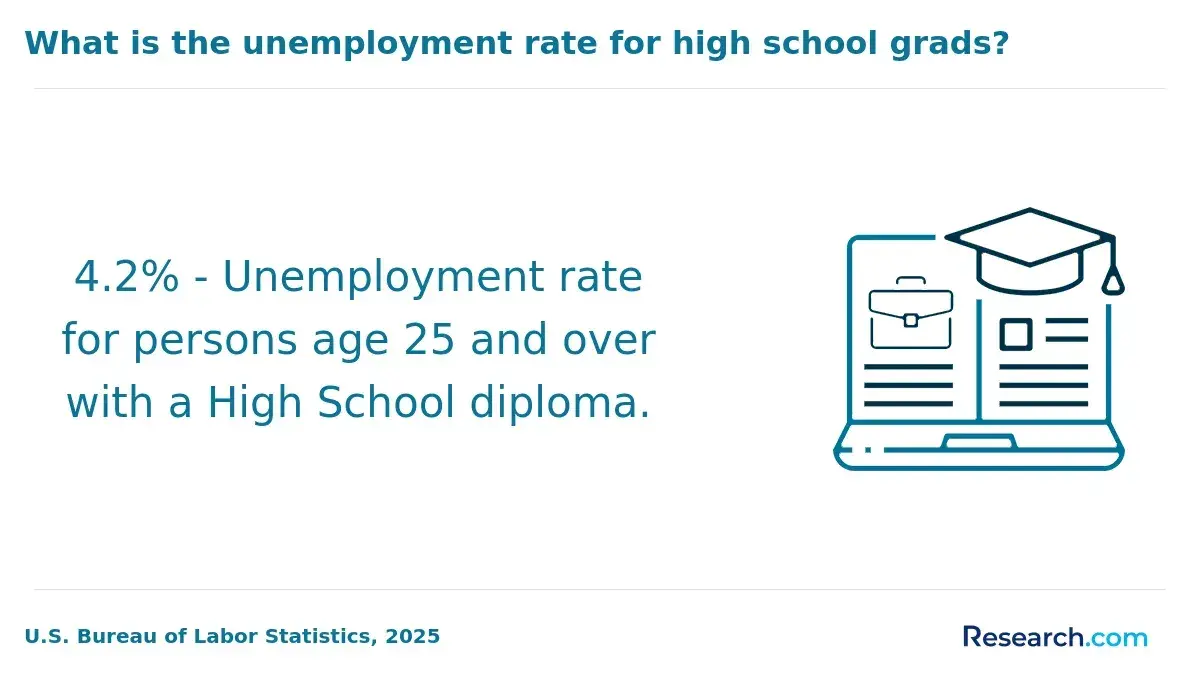
Career progress in human services demands clear alignment between educational credentials and labor market expectations. Entry-level opportunities in case management, community outreach, or social support typically require at minimum an associate degree or certificate, but these credentials limit upward mobility beyond foundational roles. Employers in healthcare, government, and nonprofit sectors commonly require a bachelor's degree for direct client services or program oversight, making it the best degree level for human services careers aimed at sustained advancement.
Those targeting clinical supervision, counseling, or social work administration must obtain master's credentials and relevant licensure, which online programs increasingly accommodate through flexible scheduling. For instance, a community support specialist pursuing licensed social worker status should opt for an online master's with clinical practicum options rather than stopping at a bachelor's. In contrast, aspiring program coordinators may strategically choose associate degrees or certificates for quicker entry with lower costs, though they should weigh these against limited advancement.
Cost considerations impact choices significantly. The average out-of-state cost for an off-campus four-year degree stood near $15,200 for 2022-2023, yet certain online human services degree programs can reduce expenses substantially. For example, the University of Arizona charges about $460 per credit, cutting annual tuition by over $1,000 compared to the national average according to BestColleges. This difference matters for working adults managing time and finances.
Practical decision-making also involves exploring options like affordable MSW programs online that align with licensure requirements without excessive debt, ensuring educational investment translates to viable workforce outcomes.
How can you verify accreditation and program quality for online human services degrees?
Accreditation status directly influences the practical value of online human services degrees, particularly for candidates targeting roles in regulated or publicly funded sectors. Prioritizing programs recognized by the U.S. Department of Education (USDE) or the Council for Higher Education Accreditation (CHEA) avoids pitfalls related to credit transfer limitations and employer skepticism. Regional accreditation consistently provides a more reliable signal of academic rigor and institutional oversight than many national alternatives.
Students checking program quality and accreditation for human services degrees online should assess whether schools transparently report outcomes such as graduation rates, licensure exam pass percentages, and employment metrics. For example, despite a median tuition near $5,370, OnlineU's analysis of 2,026 programs revealed median graduate salaries barely exceeding $24,000 annually, underscoring the importance of evaluating return on investment when selecting a degree pathway.
Practical components like supervised internships or fieldwork are frequently mandatory for state licensure and significantly affect employability in frontline positions. Confirming faculty expertise in relevant human services fields also provides insight into instructional quality. Additionally, accreditation eligibility impacts access to federal financial aid, which is often necessary to support sustained enrollment.
Programs aligned with industry-defined competencies better prepare graduates for employer expectations and certification standards. Prospective students may also consider comparable pathways, such as an accelerated psychology bachelor's degree, depending on specific career aims and state requirements.
What do you study in an online human services program and what skills will you build?
Online human services programs equip students with practical skills to manage complex cases within constrained institutional settings, balancing client needs, regulatory mandates, and funding limits. Graduates are expected to not just deliver direct services but also navigate program design and interagency collaboration-for example, coordinating resources to support homeless populations effectively.
Key competencies include assessing clients, applying social policy, and using behavioral health methods informed by data-driven decision-making. Employers increasingly demand measurable outcomes, requiring proficiency in client documentation, statistical reporting, and grant writing. Communication skills tailored to diverse demographic groups are critical as workforce diversity expands.
These skills translate into roles beyond entry-level, enabling advancement into supervisory or administrative positions. According to OnlineU's 2026 data, salaries for master's graduates typically range from the high $40,000s to nearly $70,000 annually, with institutions like Liberty University and Wilmington University reporting starting salaries around $48,000-$50,000. This range reflects both the value of specialized training and the ongoing challenge of aligning education with labor market realities.
Prospective students should weigh the practical focus and employer expectations of these programs against career versatility and salary trajectories, considering how well curricula prepare them for both frontline and managerial functions in diverse human services environments.
What are the typical admission requirements for online human services degrees?
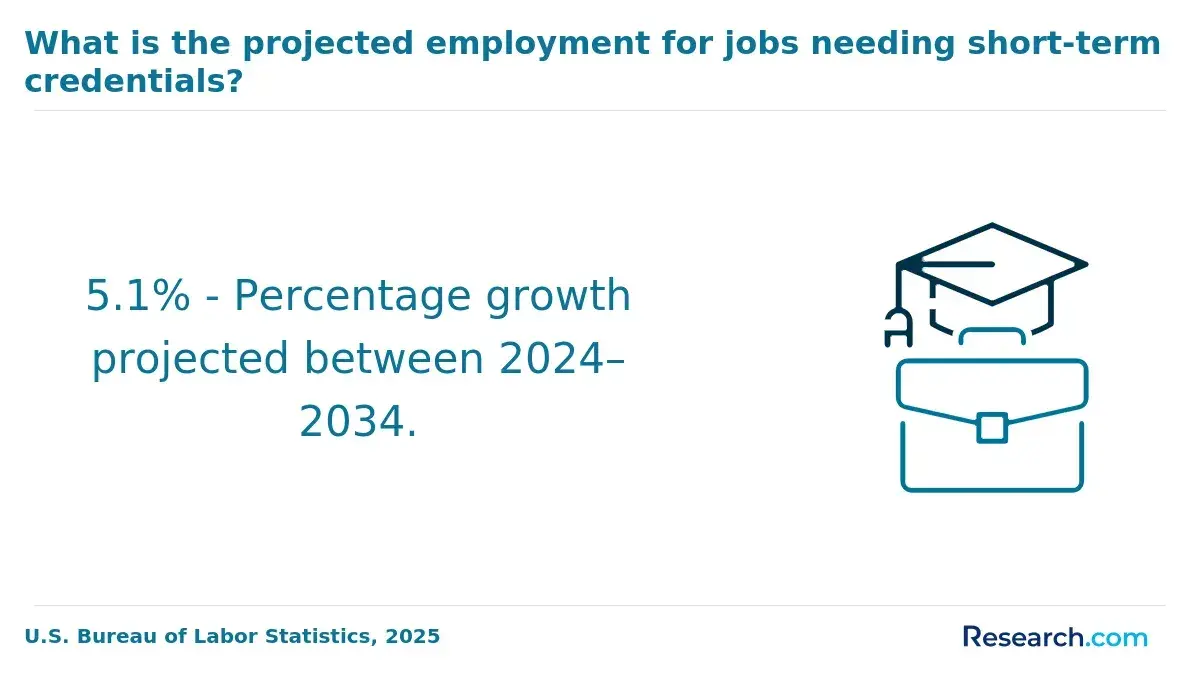
Admission standards for online human services degrees prioritize relevant academic background combined with field experience, reflecting the sector's emphasis on applied competence rather than standardized testing. For bachelor and associate levels, a high school diploma or equivalent suffices, while master's programs necessitate an accredited bachelor's degree in a related discipline and prerequisite coursework in areas like psychology or sociology to ensure foundational knowledge.
GRE or similar exams have largely been phased out, shifting focus toward demonstrated professional or volunteer experience in social service environments. This practical experience is critical, especially for master's admission, as it signals readiness for client-facing responsibilities that require strong interpersonal skills evaluated through recommendation letters from employers or faculty.
Technical aptitude for managing online coursework also factors into admissions, necessitating reliable internet access and digital literacy. Candidates with a relevant bachelor's degree and at least two years of community outreach experience can often bypass entrance exams by leveraging portfolios and recommendations, as seen in cost-efficient programs such as the University of North Georgia's $5,843 annual tuition master's program.
Applicants should anticipate rigorous selective processes that weigh academic records, practical experience, and learner autonomy, reflecting the diverse demands of roles in mental health, substance abuse counseling, or nonprofit management.
How long do online human services programs take and what do they typically cost?
Choosing between an associate or bachelor's degree in human services involves a critical tradeoff between time, cost, and employment outcomes. Associate programs can be completed within 18 to 24 months full-time, facilitating quicker reentry into the workforce at entry-level positions. Bachelor's degrees require closer to 30 to 36 months, often part-time for working students, but better align with employer preferences for supervisory or coordinator roles.
Annual tuition ranges broadly from $7,000 to $20,000 at public institutions, with private colleges often exceeding this. Total program costs between $15,000 and $60,000 should be analyzed against expected salary gains and job demand. Median salaries for occupations linked to these degrees vary: social and human service assistants earn roughly $45,120 annually with moderate job growth, while community health workers report higher median salaries near $51,030 and stronger growth projections.
Accelerated options shrink duration but necessitate heavier course loads, which can challenge balancing work and study. Financial aid availability significantly influences net cost, effectively determining affordability for many candidates.
For example, a full-time employee aiming to become a community health coordinator will benefit from a bachelor's program blending experiential learning and flexible pacing over 30 to 36 months. Conversely, professionals targeting assistant-level roles may prefer associate degrees for faster completion and lower upfront investment.
What careers can you pursue with an online human services degree and how do roles differ by level?
The value of an online human services degree hinges on how well graduates meet varied role demands across career stages, with practical experience often critical despite the program format. Entry-level jobs-such as case managers and substance abuse counselors-prioritize client-facing skills, crisis intervention, and knowledge of social systems, while mid-level roles require supervisory capabilities and interdisciplinary coordination, frequently necessitating field experience alongside academic credentials.
At senior levels, professionals transition to leadership roles involving policy design, funding acquisition, and regulatory compliance. These positions require advanced competencies in budgeting and community needs assessment, which are rarely addressed fully within a bachelor's curriculum.
For working adults, accelerated online programs represent a pragmatic compromise, enabling degree completion in about 2.3 years for approximately $15,000 in tuition (Purdue Global data), a considerable factor in attracting career-changers aiming to pivot quickly or step into supervisory roles without extended time or expense.
However, prospective students should recognize that licensure in counseling and related specialties typically demands graduate study and structured practicums. Despite the risk of gaps in hands-on training, such online degrees can serve effectively as foundational credentials supporting career mobility when paired with targeted field experience.
What salary ranges and job outlook can you expect with a human services degree?
Salary outcomes for individuals with a human services degree depend heavily on job function and responsibility level. Entry- to mid-tier roles such as caseworkers, counselors, and outreach coordinators typically earn a median wage near $57,530, reflecting direct client interaction without managerial duties. In contrast, moving into leadership roles, for example, social and community service managers, raises median salaries to approximately $78,240. This wage differential underscores the value of advanced credentials or relevant experience for accessing supervisory positions.
Consider a human services graduate aiming to shift from frontline counseling to a program director role within a nonprofit. Without further education or certification, wage growth may plateau near the $57,500 mark. However, acquiring a master's degree or management training aligns with the higher $78,000+ median associated with administrative positions. This scenario illustrates the tradeoff between earlier workforce entry and greater long-term earning potential tied to educational advancement.
Variability in compensation also relates to geographic location, employer type, and specialized skills. Employers prioritize competencies like grant writing, community needs assessment, and interagency coordination, which contribute directly to salary negotiation leverage and job stability.
Job prospects for human services professionals remain steady, driven by ongoing demand across healthcare, government, and nonprofit sectors. Higher-level roles frequently require combining academic credentials with hands-on experience in social work, behavioral health, or nonprofit administration to meet complex program and policy challenges.
How do licensing, certification, and state requirements affect human services career mobility?
Licensing and certification requirements impose tangible limits on the career mobility of human services professionals, often complicating geographic relocation and cross-sector transitions. For instance, an LCSW credential awarded in one state may require additional supervised hours or exam reciprocity to practice elsewhere, delaying opportunities for telepractice or interstate work. Employers tend to favor credentials that align closely with state licensure mandates for roles involving counseling, case management, or mental health support, making these certifications critical determinants in hiring and compensation.
Professionals pivoting within the field must navigate varying licensure paths: a community outreach worker shifting to substance abuse counseling needs to secure a different, specialized license. States commonly enforce background checks, mandated coursework, and clinical supervision, which extend both time and cost compared to non-licensed roles. Selecting an accredited program with a curriculum meeting state standards can streamline this process.
Programs under $8,000 annually, such as University of Illinois Springfield ($6,216 tuition), demonstrate that affordable options with strong alignment to licensure prerequisites can yield graduate earnings exceeding $60,700, balancing cost and credential utility. Ignoring licensing complexity risks stalled progression and reduced access to the full range of job markets, ultimately impacting long-term earning potential despite initial degree completion.
Other Things You Should Know About Human Services
Balancing practicum requirements with a full-time job in 2027 poses time management challenges, as both demand significant hours. Carefully choosing online programs with flexible scheduling options can help, but students may still face stress and potential conflicts with their employers when meeting practicum commitments.
Employers increasingly recognize accredited online degrees but often scrutinize the depth of field experience and applied skills demonstrated by candidates. Graduates who complete rigorous practicum components and relevant internships tend to be more competitive. Choosing programs with strong employer partnerships and opportunities for hands-on learning is critical, as purely theoretical online study without experiential elements may reduce employment prospects.
Specialized tracks (e.g., substance abuse, gerontology, or counseling) provide targeted knowledge that can enhance employability in niche sectors but may limit flexibility if career goals shift. Generalist degrees offer broader workforce applicability and easier transitions across various helping professions, which supports long-term career resilience. For most students seeking mobility and diverse opportunities, a generalist human services program better balances immediate employability with future adaptability.
Part-time enrollment extends program duration by one to two years on average, which may delay entry into higher-level roles or promotions. However, it enables working adults to maintain income and reduce burnout. Full-time students complete degrees faster, positioning them for quicker advancement but face higher workload demands that can strain work-life balance. Candidates should weigh financial stability against time-to-degree impact when selecting enrollment intensity.
References
- Human Services Degree Online | Bachelor in Human Services https://www.montreat.edu/online/human-services/
- How States Are Opening Pathways to Occupational Licensure https://www.wes.org/resource-library/blog/global-mobility/how-states-are-opening-pathways-to-occupational-licensure/
- Associate Degree - Human Services - Online | Monroe University https://www.monroeu.edu/academics/undergraduate-programs/school-criminal-justice/online-associate-degree-human-services
- Bachelor of Human Services Online https://www.grace.edu/programs/human-services/
- What Classes Should You Take for Health and Human Services? https://www.ultimatemedical.edu/blog/health-human-services-classes/
- Humanity in Action: Understanding Human Services Degrees https://www.ucumberlands.edu/blog/humanity-in-action-understanding-human-services-degrees
- Guide to bachelor's in human services | edX https://www.edx.org/bachelors/human-services
- Human Services Associate Degree | Academics | Monroe Community College https://www.monroecc.edu/academics/majors-programs/community-engagement/human-services-associate-degree/
- Human Services (Online Program) https://www.simpson.edu/academics-programs/all-programs/human-services-online-program/
- Bachelor of Arts in Human Services | Whitworth Online https://online.whitworth.edu/human-services/