2027 Online Human Services Degrees With Community Services Concentrations

Co-Founder and Chief Data Scientist
Facing the urgent need to expand community support networks, professionals in human services must balance advanced training with demanding schedules and financial constraints. Nearly 60% of adult learners now prefer online classes, per the National Center for Education Statistics, reflecting a shift driven by the necessity for flexibility and immediate applicability in education. This trend signals not only changing enrollment patterns but also a broader adaptation of workforce development strategies that emphasize practical skill acquisition over traditional on-campus experiences.
Understanding this dynamic helps potential students evaluate programs that offer relevant community services concentrations while accommodating career and life commitments. This article examines online human services degrees with community services concentrations, providing practical guidance to navigate program options, align education timing with career goals, and optimize outcomes in evolving service sectors.
Key Things You Should Know
- Online human services degrees with community services concentrations average 30% lower tuition than traditional programs but extend completion times by 6-12 months, increasing total opportunity cost for career changers per National Center for Education Statistics 2024 data.
- Employers prioritize candidates with fieldwork-integrated online degrees showing 15% higher placement in social work and counseling roles, signaling practical experience as a hiring differentiator per the U.S. Bureau of Labor Statistics 2024.
- Programs must balance comprehensive service skills versus specialization tradeoffs; broader curricula improve adaptability but may dilute preparation for certifications demanded by 62% of community services employers, according to the National Association of Social Workers 2024.
What is an online human services degree with a community services concentration?
Online human services degree programs with a community services focus offer targeted expertise beyond generalist curricula, equipping graduates for roles that demand nuanced understanding of social ecosystems. Employers in nonprofit, local government, and health service agencies increasingly seek candidates with concentrated experience in community programs and advocacy, valuing practical skills such as case management paired with cultural competence.
Practical fieldwork or internships embedded in these programs are essential; without verifiable community engagement experience, graduates face obstacles in licensure and employment. This requirement adds complexity for online learners who must verify local or partner-based practicums aligned with their geographic area.
The median annual wage for community and social service occupations stood at $57,530 in May 2024, indicating steady demand for professionals with robust interpersonal, crisis intervention, and policy navigation skills. Examples of typical roles include managing outreach programs for substance abuse recovery or coordinating support at homeless shelters, scenarios where theoretical knowledge and community-specific insights directly impact program effectiveness.
Students weighing the best accredited human services degrees featuring community services concentrations should anticipate the self-directed rigor of online study and confirm access to career advising and virtual networking to maintain momentum.
For those considering adjacent fields, it is instructive to compare pathways such as online marriage and family therapy programs, which emphasize clinical counseling over community-centered advocacy and may lead to different licensure and employment landscapes.
How do online community services concentrations compare to on-campus human services programs?
Choosing between online community services degree programs versus on-campus human services courses hinges largely on practical experience and networking access. On-campus programs typically offer direct internships and fieldwork opportunities within local agencies, enabling students to develop the interpersonal skills and professional connections employers seek in client-focused roles. For instance, graduates entering mental health or child welfare fields often rely on these trusted networks for job placements.
In contrast, online students pursuing human services community concentrations face challenges securing practicum sites independently, which can delay training progression and limit specialization options such as gerontology or substance abuse counseling. Some certification requirements also mandate in-person components, complicating a fully remote pathway. However, online formats provide significant scheduling flexibility, crucial for working professionals balancing employment or family obligations.
Industry projections from the U.S. Bureau of Labor Statistics indicate roughly 313,700 annual openings in community and social service occupations between 2024 and 2034. Hiring managers prioritize candidates with proven field experience and established local networks-a key advantage for on-campus students leveraging campus-affiliated placements.
When considering differences between online and traditional human services community concentrations, weigh the tradeoff between immersive, employer-linked experience and the adaptable timeline online options afford. For those seeking insights on affordable alternatives within counseling degrees, including LPC online programs offer a strategic option without geographic constraints.
What accreditation and quality standards should online human services programs meet?
Online human services programs that lack accreditation from recognized bodies such as the Council for Standards in Human Service Education (CSHSE) or regional accreditors like the Higher Learning Commission risk producing graduates whose qualifications may not be valued by employers. Accreditation standards for online human services programs serve as a critical filter ensuring curriculum rigor, alignment with workforce competencies, and credible preparation for practical challenges. Employers-particularly in government and nonprofit sectors-often disqualify candidates from unaccredited programs during hiring or promotion decisions.
Programs must also integrate applied learning opportunities, such as supervised internships or practicums, to meet quality criteria for community services degree accreditation. For example, an online student seeking to manage client services within municipal health agencies needs direct experience handling confidentiality protocols and service coordination, which purely theoretical curricula rarely provide. Without such experience, graduates face steep learning curves at work and diminished competitiveness.
Faculty credentials further influence outcomes. Programs staffed by instructors with professional human services experience or advanced degrees demonstrate stronger connections between theory and practice. Lack of qualified faculty can leave graduates underprepared, limiting their ability to navigate complex workforce scenarios where the median annual wage reached $78,240 in May 2024, per the U.S. Bureau of Labor Statistics.
Transparency about outcomes such as graduation rates, job placement, and licensure success is non-negotiable. Students should be cautious about programs that do not disclose this data, as the absence signals potential deficiencies in equipping learners for real-world demands. Prospective candidates seeking well-structured paths may explore the most affordable MSW programs online as part of their broader evaluation.
What courses and specializations are typically included in a community services concentration?
Community services concentrations within human services degrees demand a curriculum that balances theory with applied skills directly relevant in high-pressure settings. Core coursework for community services concentration in human services often includes case management, counseling techniques, crisis intervention, and social welfare policy, reflecting the operational knowledge needed for roles requiring benefits coordination and client advocacy. For example, substance abuse counseling specializations train students to manage outpatient treatment referrals and execute relapse prevention, addressing a common workforce need in addiction services.
Practical elements such as ethics in community care and multicultural competence are essential to prepare graduates for diverse client populations. Fieldwork experiences in community centers or government agencies afford students an opportunity to navigate complex mental health and family crisis interventions with real clients, enhancing interpersonal and decision-making skills that employers prioritize. Proficiency in documentation, assessment tools, and outcome evaluation is frequently honed through specialized training embedded within these courses.
Job markets indicate a median wage of $45,120 for social and human service assistants, with 6% projected growth over the coming decade, underscoring the tangible returns on focused educational investments. Those evaluating this pathway should consider how specialization choices impact practical versatility and regulatory knowledge, which influence employability and long-term career trajectories. Prospective students may also investigate an accredited online masters degree in human resource management to complement or pivot their skill set within this broad service sector.
What are the admission requirements for online human services degrees in community services?
Admission to online human services degrees with community services focuses typically requires more than a high school diploma, combining academic benchmarks with experiential credentials. Most programs expect official transcripts showing a GPA between 2.5 and 3.0, verifying foundational communication and social science skills. A personal statement detailing career goals in community services often guides admissions to assess applicant motivation and field alignment.
Standardized testing requirements such as SAT or ACT scores are becoming less common, particularly for applicants with prior college credits or relevant work history. Practical experience is a significant differentiator; for example, two years as a community health worker can satisfy experiential prerequisites and increase the likelihood of acceptance by demonstrating real-world competence.
Online formats demand technological aptitude and self-directed discipline, sometimes verified by interviews or tech proficiency evidence. International applicants face additional hurdles including English proficiency tests (TOEFL/IELTS) and credential reviews, which can affect timeline and preparedness.
Balancing academic qualifications with meaningful community engagement is essential to avoid admission delays and to position well for job markets where community health workers earn a median wage of $51,030, with projected 11% growth according to EduMed.org citing BLS data. This blend of criteria reflects employer preference for candidates who combine theoretical knowledge with applied experience in dynamic human services environments.
How long do online human services programs take and what do they cost?
Choosing between an associate, bachelor's degree, or certificate in human services means navigating clear tradeoffs in time, cost, and employability. Bachelor's degrees, typically four years full-time, are often the baseline for supervisory roles, whereas associate degrees and certificates usually limit advancement opportunities and may not fulfill employer expectations for managerial responsibilities. Part-time study, common among working adults, extends duration beyond four years but allows balancing work and family.
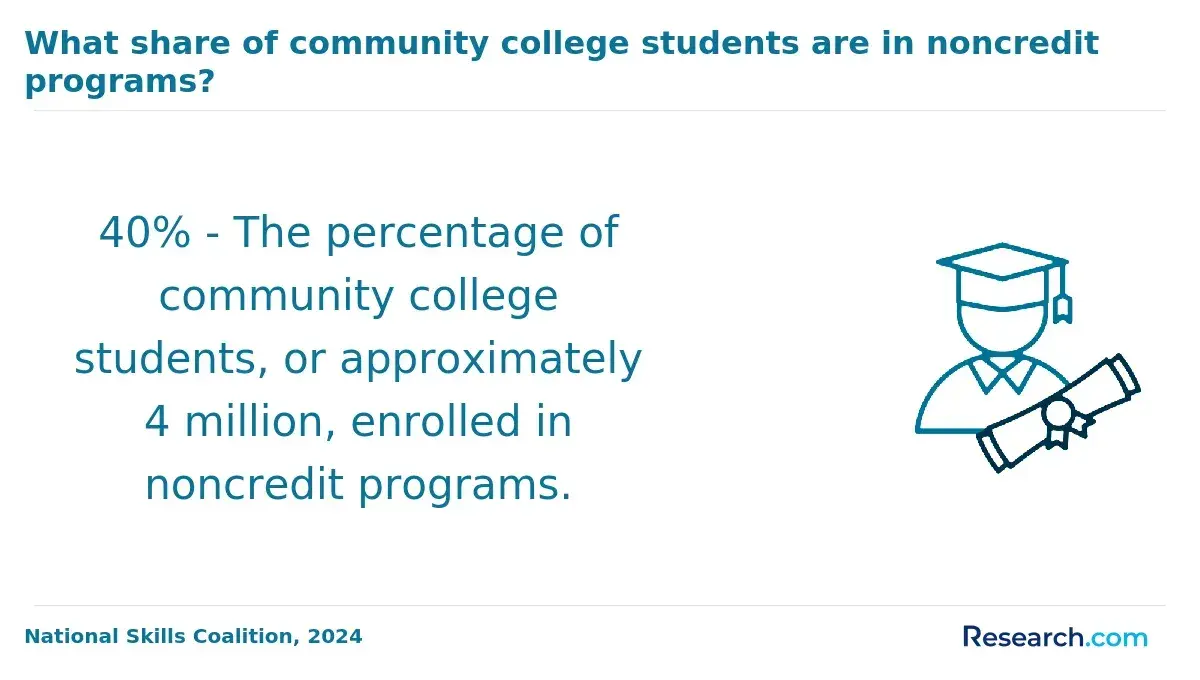
Cost structures reflect these choices. A four-year public in-state degree averaged $15,200 for off-campus students in 2022-2023, but online learners face extra expenses like technology fees and required practicums that may be unpaid and extend time-to-completion. These hidden costs can offset savings from eliminated commuting and housing.
Working professionals considering accelerated or competency-based programs should weigh higher per-credit costs against faster entry into roles such as case management or community outreach. Conversely, longer part-time enrollment may prolong workforce delay and total tuition outlay but can offer a manageable pace for those with significant personal responsibilities.
Prospective students must analyze how program length, financial commitments, and employer recognition intersect with their career timing and responsibilities to avoid delayed advancement or underemployment.
What careers can you pursue with an online human services degree in community services?
An online human services degree with a community services concentration presents nuanced tradeoffs between educational cost, practical skill development, and workforce readiness. Graduates commonly step into roles such as case managers or community outreach coordinators, where success hinges on effectively connecting clients to resources while navigating complex social systems. For instance, a case manager serving at-risk populations must simultaneously manage housing, healthcare, and employment referrals, tracking outcomes through technology tools often overlooked in theory-heavy programs.
Employers expect applied experience and technical competencies like case management software proficiency and grant writing alongside fundamental knowledge. Without integrating these skills, graduates risk stalling at entry-level roles in often competitive nonprofit or government sectors. Many positions also require additional state certification or supervised hours that extend beyond degree completion, influencing candidate timelines and financial planning.
The University of Arizona's online program charges $460 per credit as of October 2024, which reflects a notable investment that must be balanced against program rigor and graduate employment metrics. Employment outlook data from the U.S. Department of Education and the Bureau of Labor Statistics projects a 12% growth rate for social and community service managers through 2030, underscoring viable demand but also the necessity for graduates to meet evolving employer expectations.
What is the salary potential and job outlook for community and human services roles?
Wage variation within community and human services reflects a blend of credentialing, regional market factors, and employer sector differences. Median salaries range approximately from $40,000 to $55,000, rising for roles like social and community service managers who earn around $70,000. Starting points for social workers and counselors often hover near $45,000, but growth depends heavily on certification and supervisory experience. For example, a community health coordinator in an urban setting could start at $48,000 and grow toward $65,000 with the right credentials, while mental health aides may remain below $40,000 due to limited licensing paths.
Educational cost-efficiency directly affects workforce reentry timelines and debt load. Institutions such as Southern New Hampshire University recognize prior learning credits-up to 90 for its human services bachelor's degree-reducing tuition to about $15,930 and enabling faster, more affordable degree completion. This model particularly suits non-traditional students and career changers who need to minimize financial friction.
Employers frequently prioritize candidates with relevant licenses or certifications in counseling, social work, or case management. Absence of these credentials often correlates with lower initial earnings and slower advancement opportunities. Salary scales and benefits differ markedly between nonprofit and government employers, influencing long-term financial outcomes.
Do community services roles require licensure or certification, and how does a degree help?
Licensure and certification in community services are highly contingent on state regulations and job roles, with clinical social workers or substance abuse counselors often requiring formal credentials to practice. Conversely, roles such as case management or advocacy may not mandate licenses but benefit from certifications that validate relevant skills. For many positions, a degree in human services is foundational-it not only provides critical knowledge and skills but also meets many states' minimum education standards for licensure eligibility.
For instance, an online Bachelor's in human services, charging $371 per credit and averaging 3.5 years to completion, prepares students to navigate certification exams and licensed practice more efficiently. However, students must consider that state licensing boards typically require supervised practicum hours, which vary significantly and can be a barrier if the degree program lacks structured partnerships.
Employers increasingly prioritize credentialed professionals who pair their degree with certification for roles in grant writing, clinical casework, or program management, directly affecting responsibilities and compensation. Prospective students should budget time and finances beyond tuition for exam fees, background checks, and supervised experience needed for licensure or certification compliance.
How can prospective students evaluate and choose a reputable online human services program?
Choosing an accredited online human services program directly impacts employability and career trajectory, especially as federal financial aid eligibility depends on accreditation recognized by the U.S. Department of Education or the Council for Higher Education Accreditation. Among the 13 programs available in 2025, prioritizing those with curricula aligned to community services competencies and industry standards sharpens practical relevance.
Employers value applicants with supervised internship experience; programs lacking this risk leaving graduates underprepared for direct client engagement roles. For example, a public health agency recruiting case managers typically favors candidates from programs with strong practicum placements and demonstrable field readiness. Additionally, state licensure requirements and credit transferability toward graduate degrees can determine long-term advancement feasibility, shaping whether a program fits a student's strategic goals.
Flexibility in course delivery presents tradeoffs: asynchronous formats suit self-motivated learners but may not replicate the interpersonal training essential for certain community services roles, where synchronous or hybrid models might better simulate real-world interactions.
Assessing post-graduation outcomes requires analysis of graduation rates, job placement data, and salary trends from sources like the National Center for Education Statistics. Tuition costs must be weighed against expected income growth and debt service burdens, with attention to programs that maintain strong employer connections facilitating smoother transitions into the workforce.
Other Things You Should Know About Human Services
Online human services programs are designed for flexibility, but the workload is substantial, especially in upper-level courses requiring research, case studies, and fieldwork coordination. Working full-time while enrolled often demands strong time management, prioritization, and sometimes part-time enrollment to maintain quality learning and avoid burnout. Students pursuing career pivots should realistically assess their capacity for coursework alongside job demands since slowing progress can extend time to degree completion and delay employment benefits.
Yes. Many programs require a criminal background check before practicum placement, and some agencies also require a drug screen and immunization records. Students may need clearance 2 to 6 weeks before the placement starts, following the site’s and university’s fieldwork rules.
Employers look for candidates who demonstrate successful application of theory to practice, sound ethical judgment, and effective communication skills-traits built through program structure and hands-on experiences. They also check for accredited credentials and relevant community services specialization. Candidates who can articulate their field experience and skills during interviews consistently outperform others, making practical skill demonstration and program relevance critical hiring factors beyond holding the degree itself.
References
- High-demand social work roles in California: trends and opportunities https://socialwork.pacific.edu/blog/high-demand-social-work-roles-california-trends-and-opportunities
- Online Bachelor’s Degree in Human Services https://www.monroeu.edu/academics/undergraduate-programs/school-criminal-justice/online-bachelors-degree-human-services
- Choosing a bachelor's in human services | edX https://www.edx.org/resources/how-to-choose-a-bachelors-in-human-services
- 12 top careers in community services built for people who care | Acknowledge Education https://www.acknowledgeeducation.edu.au/knowledge-hub/careers-community-services-opportunities
- Human Services Concentration https://live-capecod.cleancatalog.io/social-sciencesbehavioral-sciences-and-human-services/associate-in-arts/human-services
- What is the Career Outlook and Salary for Social Work? - Social Work Degree Center https://www.socialworkdegreecenter.com/what-is-the-career-outlook-and-salary-range-for-social-workers/
- Health and Human Services: Campus & Online Degrees and Careers https://www.publichealthonline.org/human-services/online-degree-programs/
- Council for Standards in Human Service Education | Council for Higher Education Accreditation https://www.chea.org/council-standards-human-service-education
- Human Services Degree Online https://gardner-webb.edu/programs/human-services/
- FAQ https://www.cshse.org/faq