2027 Human Services Specializations That Best Match Stable Human Services Careers

Co-Founder and Chief Data Scientist
Choosing a specialization within human services while balancing the unpredictability of workforce demands poses a critical challenge for many professionals. The U. S. Bureau of Labor Statistics projects a 12% growth in human services-related roles over the next decade, yet the rise of online degree offerings-from 20% of all enrollments in 2023 to nearly 30% in 2024 according to the National Center for Education Statistics-adds complexity in assessing which fields offer both stability and accessible credentialing. This growth signals a shift toward flexible learning but requires careful evaluation of each specialization's long-term employment prospects and practical training alignment. This article identifies human services specializations that align best with stable career trajectories and strategic educational choices to guide informed decisions in this evolving landscape.
Key Things You Should Know
- The fastest wage growth (7.9% CAGR through 2028) appears in behavioral health specializations, yet this requires 2-3 years of graduate study, creating a tradeoff between advanced credentials and delayed workforce entry, per BLS data.
- Employers increasingly prioritize certification in trauma-informed care and cultural competency, with 62% of surveyed agencies (2024 NAHSE report) linking these skills directly to improved client retention, pressuring candidates to invest in targeted micro-credentials.
- Community outreach tracks with associate degrees show 15% placement growth but face diminished federal funding relative to clinical roles, translating to lower starting salaries despite shorter, more affordable training pathways, according to the 2024 CSWE workforce report.
What are the main human services specializations that lead to stable, long-term careers?
Specializations in case management, social and community service management, behavioral health counseling, and program coordination lead to the most stable, long-term careers in human services. Employer demand for professionals who can navigate complex client care, agency operations, and interdisciplinary coordination fuels these roles. For instance, social and community service managers command a median annual wage of $78,240, with top earners exceeding $100,600, reflecting the premium placed on advanced management skills.
While direct care roles often fluctuate with variable public funding and caseload volatility, focusing on case management or agency leadership significantly lowers employment risk. Behavioral health counseling, particularly with substance abuse specialization, maintains steady demand due to sustained mental health and addiction recovery funding streams.
Graduates with program coordination abilities also find consistent work balancing client interactions with administrative responsibilities in youth or family services.
Decision-makers must weigh the tradeoffs of clinical-only tracks versus programs integrating applied case management and organizational leadership. Progressing to supervisory roles requires skills in compliance, policy enforcement, and staff oversight rarely emphasized in purely counseling curricula.
Students seeking human services career specializations with long-term stability should prioritize educational pathways that combine these competencies. For those exploring options, an online addiction counseling degree can offer relevant clinical foundations while supporting advancement toward leadership.
Top human services fields leading to stable employment often demand practical experience complemented by targeted education to balance client-facing work with administrative acumen.
Which human services careers currently offer the most stable employment and advancement potential?
Long-term stability and advancement in human services career paths with strong job stability notably favor mental health and substance abuse counseling fields. Employment growth for substance abuse, behavioral disorder, and mental health counselors is projected above average through 2034, driven by urgent societal needs. The 2024 median wage of $59,190 signals a sustainable earning capacity that outpaces many other human services roles.
Positions in clinical, community, and correctional settings typically require accredited counseling credentials coupled with supervised clinical hours, emphasizing formal education and licensure as gatekeepers for job security and upward mobility.
For example, counselors in state-funded addiction recovery programs must meet state licensure standards and accumulate internship experience before progressing into supervisory or program leadership roles.
By contrast, broader human services occupations such as social work and case management present steadier but often lower-wage opportunities with limited promotion potential unless one attains advanced degrees or certifications. This distinction underscores the importance of targeted credentialing in choosing a career path.
Key tradeoffs include the financial and time burdens of graduate education versus the long-term job market benefits. Many working adults face pressures balancing family and expenses as they pursue further credentials.
Choosing mental health and substance abuse counseling provides a clearer pathway measured by credential-driven stability and promotion, while other supportive roles frequently require extensive networking and varied experience to sustain growth.
Prospective students evaluating programs should consider affordable online counseling programs to mitigate costs without sacrificing essential accreditation or supervised practice components.
How do different human services specializations align with in-demand community and social service roles?
Specializing within human services shapes career trajectories by matching employer expectations and labor market demand with targeted client needs. For instance, healthcare social workers face a 10% job growth rate through 2032, outpacing average sectors, largely due to complex care coordination and expanded mental health coverage. Aligning human services careers with social service demands means navigating credentialing and licensure hurdles that differ significantly by specialization.
Child & family social work positions require trauma-informed practice and legal system knowledge, typically involving protective services and community resource coordination roles.
Clinical social workers addressing mental health and substance abuse see comparable growth, with a median 2024 salary near $61,330, reflecting market recognition of specialized clinical skills. This distinction influences whether candidates invest in clinical certification or prioritize case management credentials for community-based roles.
Career pivoters should evaluate these educational pathways pragmatically. For example, entering healthcare social services often demands rigorous clinical supervision and passing licensure exams, while community-focused roles might emphasize certifications in evidence-based interventions without clinical licensure. Such decisions influence job placement and advancement potential.
The availability of MSW online programs offers practical routes to meet these requirements, but choosing programs aligned with market realities and licensing boards remains crucial for avoiding underemployment or stalled progression.
Human services specializations for community service jobs reflect this complexity and should be approached with precise attention to real-world employer expectations and long-term career impact.
What degrees do you need for top human services specializations and career paths?
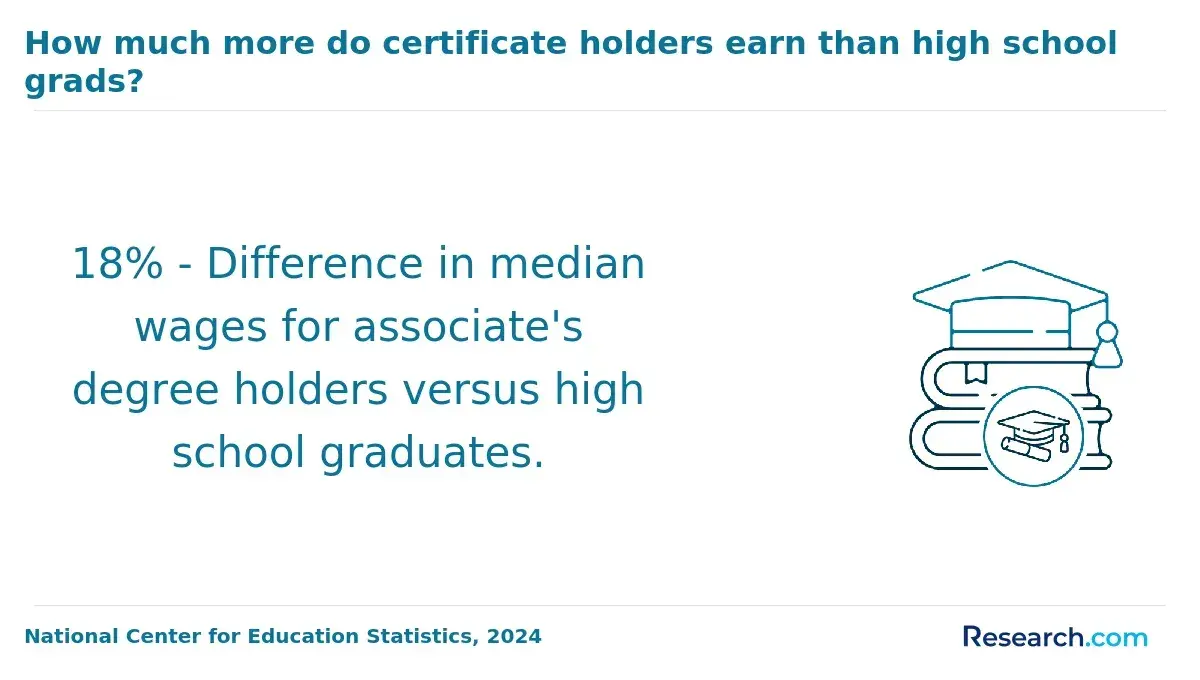
Entry into the human services workforce often hinges on degree selection, balancing speed of access against long-term career flexibility. Associate degrees in human services, social work, or psychology enable rapid entry into roles such as social and human service assistants, which command a median wage of $45,120 with 6% job growth projected through 2034.
However, advancement into specialized or licensed positions-like licensed clinical social workers-mandates a bachelor's degree in social work or related fields, followed by a master's and supervised clinical practice. Such credentials are prerequisites in clinical and mental health environments, defining practice scope and compensation.
Choosing degrees appropriate to specific pathways directly affects mobility and job security. For instance, one might pursue a bachelor's degree in gerontology or substance abuse counseling paired with certification to work in eldercare or rehabilitation centers. Leadership roles in nonprofit management or program coordination typically require a master's degree in human services administration, public administration, or social work.
Employers demand demonstrated capability in client assessment, case management, and regulatory compliance, skills not always fully developed in undergraduate studies. These expectations illustrate the practical nuances behind best human services career paths and required degrees.
Tradeoffs between expedited entry and expanded qualifications must guide decision-making. While associate degrees reduce time and costs, they limit advancement potential. Bachelor's and graduate programs broaden career opportunities but impose significant time and financial demands, often managed through part-time study or employer tuition assistance.
Prospective students should explore flexible programs like the best online human resource management masters degree to align with career goals and life circumstances.
How do online human services programs compare with campus options for key specializations?
Online human services programs offer theoretical foundations but fall short in delivering the supervised clinical practice essential for licensure and employment in fields such as substance abuse counseling or child welfare. Unlike online formats, campus-based programs integrate fieldwork directly with coursework, providing structured, agency-partnered practicum experiences valued by employers.
For instance, a mental health specialization pursued online requires students to independently secure local internships, a process that introduces logistical challenges and inconsistent supervision, potentially affecting readiness and licensure compliance.
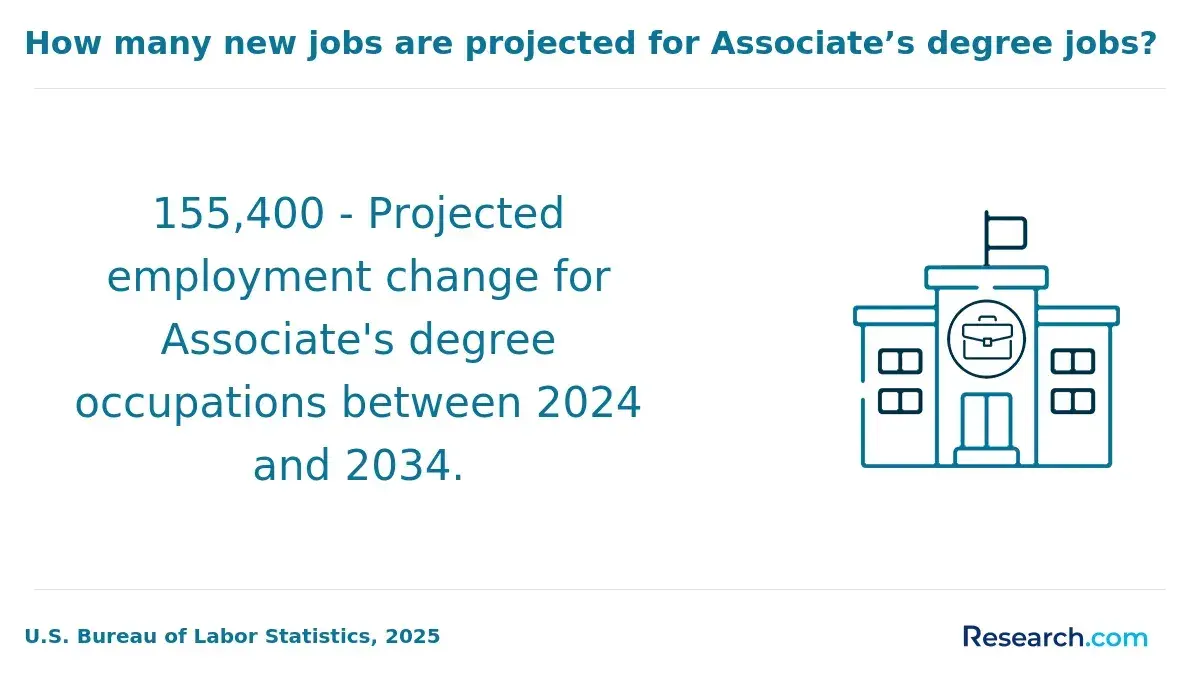
Employers prioritize candidates who demonstrate hands-on experience alongside academic credentials, particularly given projected openings of over 300,000 community and social service roles through 2034. Online learners gain flexibility and access but must navigate these critical gaps:
- Finding and vetting practicum sites without institutional support
- Developing client interaction skills in largely remote settings
- Meeting complex state licensure rules that mandate in-person elements
Campus programs sustain peer networks and faculty mentorship, which directly enhance job market integration in a competitive human services landscape. Those balancing full-time work or remote life must weigh these tradeoffs carefully, understanding that convenience in online learning can come at the cost of fewer structured practicum opportunities and potentially diminished workforce alignment.
What courses and skills are emphasized in leading human services specialization tracks?
Higher-level specialization in human services tends to separate administrative leadership tracks from direct client service roles, a distinction with tangible workforce and salary implications. For instance, social and community service managers earned a median salary of $78,240 as of May 2024, significantly outpacing assistant-level positions at $45,120 according to the Bureau of Labor Statistics via HumanServicesEDU.
This gap arises because managerial roles require advanced expertise in strategic planning, compliance, budgeting, and stakeholder communication-skills not emphasized in frontline support tracks.
Human services curricula targeting nonprofit leadership emphasize budgeting, grant writing, and program evaluation to prepare graduates for navigating complex funding environments. Conversely, tracks aimed at direct intervention deliver critical training in crisis management and client casework, equipping students to handle sensitive challenges such as domestic violence or homelessness with evidence-based approaches.
Students must weigh these pathways carefully, as administrative tracks demand additional coursework in organizational behavior and policy analysis, while clinical-support roles focus more on counseling theories and mental health fundamentals. This decision affects not only day-to-day responsibilities but also long-term employability and career trajectory.
Essential to both paths are interpersonal skills such as conflict resolution and culturally responsive communication, along with digital literacy needed for managing evolving client data systems and remote service platforms.
What are the typical admission requirements, program length, and costs for human services degrees?
Admission to human services degree programs often reflects a balance between accessibility and selectivity that directly affects how quickly students can enter or advance in the field. Most associate degrees feature open admissions, making them a practical option for working adults requiring rapid credentialing.
Bachelor's programs, especially selective ones, generally require a high school diploma with a GPA between 2.0 and 3.0 plus letters of recommendation or personal statements, which adds to entry friction but aims to ensure candidate commitment.
Program durations align strictly with credential levels, creating a strategic time investment decision for students: associate degrees take about two years, bachelor's degrees about four, and master's programs require an additional 1-2 years.
Certificate programs lasting six months to a year offer a targeted, efficient route for frontline workers wanting core skill upgrades without pause to work schedules. However, internships or required fieldwork can extend completion time, especially for part-time students balancing employment.
Cost remains a critical consideration in human services education due to persistent wage stagnation in the sector. Community colleges provide the most financially viable path, typically under $8,000 total, while public bachelor's programs may surpass $20,000 per year without aid.
Federal aid and targeted grants are often essential because typical human services workers have seen only a 3% real wage increase compared to the private sector's 12%.
This disparity is especially marked in rapidly growing roles like home health care services, which have faced a 10% wage decline, widening a roughly $20,000 living wage gap. Prospective students must weigh program costs against these economic realities to avoid compounding debt amid limited earnings growth.
What are the salary ranges for major human services specializations across the United States?
Salary outcomes in human services vary widely based on specialization, credentials, and location, impacting both entry-level and experienced professionals. For example, social and community service managers with limited experience generally start between $45,000 and $60,000 annually; however, those holding advanced certifications or leadership roles can surpass $75,000. Licensed clinical social workers, who often require state licensure, see salaries ranging from $55,000 to $85,000, reflecting regional funding and demand disparities.
Counselors specializing in substance abuse or rehabilitation illustrate another practical tradeoff: these roles offer entry salaries near $38,000 but can exceed $65,000 in metropolitan areas where intensive expertise is needed. Meanwhile, aging-related personal care roles face high turnover yet present steady demand with roughly 794,500 annual openings through 2033, according to the Bureau of Labor Statistics.
Wage growth here depends heavily on certifications in gerontology or elderly care specialization, typically ranging from $27,000 to $36,000.
- Entry-level social/community service managers: $45,000-$60,000
- Experienced managers and certificated professionals: $75,000+
- Licensed clinical social workers: $55,000-$85,000
- Substance abuse counselors: $38,000-$65,000+
- Personal care occupations for aging: $27,000-$36,000, growing with certification
- Gerontology specialists in metropolitan areas: Often above $70,000
Professionals pursuing gerontology with agency or clinical experience often earn beyond $70,000, but must navigate certification expenses and nonstandard work hours, which require weighing immediate financial return against long-term career sustainability. Management and counseling paths demand more education but provide broader sector mobility and resilience amid workforce fluctuations.
Which human services roles require licensure or certification, and how do requirements vary by state?
Licensure requirements impose a significant timeline and geographic constraint on human services professionals aiming for clinical roles. For example, mental health counselors must complete master's degrees plus between 2,000 and 4,000 supervised clinical hours depending on the state-California requires 3,000 post-master's hours, whereas Texas counts practicum hours toward its 3,000-hour mandate. This extended supervised practice delays full workforce entry by 2 to 4 years, making timely planning essential.
In contrast, some roles like prevention specialists only require certification, which can accelerate employability but limits eligibility for clinical positions and reimbursement options. Licensed clinical social workers (LCSWs) face state-by-state variability, with New York offering provisional licenses to expedite supervised practice but still requiring a master's degree and clinical exam for full licensure.
Portability of licenses remains a practical barrier; professionals moving states often navigate cumbersome re-licensing processes that may involve additional coursework or exams, further postponing career transitions.
Employers, particularly in education and community health, favor candidates with relevant state credentials due to liability and funding requirements, and licensed roles command higher salaries reflecting their additional qualifications.
Strategic candidates should early consult their state licensing boards to assess supervisory capacity and exam timelines. Certification versus licensure distinctions shape both hiring pathways and career sustainability in human services.
How can you evaluate and choose an accredited, reputable human services program in your specialization?
Employer preference for accredited human services programs directly affects graduate eligibility and liability concerns. For instance, social service agencies often exclude candidates lacking credentials from bodies like the Council for Standards in Human Service Education (CSHSE) or regional accreditors, as accreditation confirms adherence to competency standards.
Beyond institutional approval, programs demonstrating graduate placement rates above 70% within six months provide reliable indicators of alignment with labor market demand and practical skill development.
Curriculum relevance must be weighed against projected sector growth-around 12% for social and human service careers according to the Bureau of Labor Statistics and Goodwin University data. Prioritizing programs that embed internships or fieldwork in high-need areas such as mental health or child welfare enhances employability by converting theory into occupational experience valued by employers.
Assess faculty backgrounds for current, applied experience or research engagement, as this influences the quality of instruction and networking access. Delivery flexibility also matters: full-time workers balancing education benefit from online or hybrid formats, which can impact timely completion and on-the-job advancement.
Financial considerations include tuition cost relative to potential salary growth. Choosing a program without understanding its market positioning and employer expectations risks investing in credentials that underperform in real-world hiring dynamics.
Other Things You Should Know About Human Services
Human services careers, especially in fields like mental health or substance abuse counseling, often involve heavy caseloads and emotional strain. Employers expect professionals to manage multiple clients while handling complex social issues, which increases the risk of burnout. Prioritizing specializations with structured supervision and manageable client loads, such as case management or program coordination, can reduce burnout risk and improve long-term career sustainability.
Employers typically demand broader skill sets and flexibility from generalists but expect deeper expertise and credentialing from specialists. Specialist roles often require certification or advanced training tied directly to a specific population or intervention method. When choosing a specialization, consider that specialists may face narrower job markets but higher authority and better pay, while generalists have more diverse job options but less role clarity.
Shorter certificate or associate programs offer quicker entry but limit eligibility for advancement and specialized roles requiring licensing. Bachelor's and master's programs are longer but align better with employer demands for case management, clinical supervision, and leadership positions. Prioritize programs that balance duration with strong practicum experiences and clear pathways to licensure to maximize career stability.
Geographic location significantly impacts securing stable human services employment in 2027, as demand for services and funding can vary widely by region. Urban areas often have more job openings, while rural locations can face shortages in qualified professionals. Proximity to social services and local policies also influence employment opportunities.
References
- High-demand social work roles in California: trends and opportunities https://socialwork.pacific.edu/blog/high-demand-social-work-roles-california-trends-and-opportunities
- Homepage https://socialworklicensemap.com/
- Types of Social Workers: Exploring the Many Fields in Which They Serve https://www.umassglobal.edu/blog-news/types-of-social-workers
- Careers with a Degree in Human Services https://www.mhaonline.com/faq/careers-with-degree-in-human-services
- What is Human Services https://www.nationalhumanservices.org/what-is-human-services/
- Bachelor's in Human Services https://www.monroeu.edu/academics/undergraduate-programs/school-criminal-justice/bachelors-human-services
- Is a Human Services Degree Right for You? https://www.ucumberlands.edu/blog/is-a-human-services-degree-right-for-you
- FAQ https://www.cshse.org/faq
- Why Choose a Career in Human Services? https://sunriseservicesinc.com/why-choose-career-human-services/
- Bachelor of Human Services Online https://www.grace.edu/programs/human-services/