2027 Social Services Support Roles You Can Target With a Human Services Degree

Co-Founder and Chief Data Scientist
Facing a surge in demand for social support staff amid a nationwide workforce shortage, career changers and recent graduates often struggle to identify which social services roles align with a human services degree and provide sustainable employment. The U. S. Bureau of Labor Statistics projects a 17% growth rate for social and human services assistants over the next decade, reflecting expanding community needs but also signaling increased competition for entry-level positions.
Moreover, flexible online program options have doubled in enrollment since 2023 according to the National Center for Education Statistics, reshaping when and how candidates can upskill without sacrificing income. This article explores targeted social services roles that optimize career mobility and educational investment for human services graduates, helping readers navigate critical opportunities and challenges in workforce entry and advancement.
Key Things You Should Know
- Employment projections for 2024-2034 by the U.S. Bureau of Labor Statistics show a 17% growth in specialized support roles requiring a human services degree, but credentialing delays extend average job entry by 6 months, reducing short-term ROI.
- Employers in public and nonprofit sectors prioritize candidates with practical internship hours exceeding 500 annually, creating a tactical gap for online-only learners lacking in-field exposure essential for competitive hiring.
- Tradeoffs between associate versus bachelor's level credentials persist: bachelor's holders earn 22% higher median wages per the National Association of Social Workers, yet the increased tuition and time-to-completion often constrain adult learners balancing work and study.
What jobs can you get with a human services degree?
Human services support roles in social work confront a professional landscape where advanced case management and advocacy deliver measurable career value. Social and community service managers earn a median wage of $86,100 annually, with a projected 9% job growth through 2034-outpacing many fields. However, entry-level jobs such as case workers or program coordinators often require mastering complex skills like client assessment alongside navigating funding fluctuations and bureaucratic hurdles.
Employers expect candidates to demonstrate leadership abilities, compliance expertise, and proficiency in data tracking to validate program outcomes. This is particularly true in public or nonprofit sectors, where managing caseloads under strict grant restrictions can limit operational flexibility. Transitioning into healthcare settings brings additional challenges, including collaboration with clinical teams and understanding insurance frameworks.
A pragmatic approach involves targeting roles with clearer advancement paths, for example, moving from client advocacy toward service directorship. Employers often prioritize experience combined with continuing education, sometimes in specialized areas such as trauma-informed care or addiction counseling. Those complexities underscore why career opportunities with a human services degree demand more than foundational knowledge; they require ongoing skill refinement and contextual awareness.
Prospective students should also explore interdisciplinary options like clinical mental health counseling programs, which can enhance versatility in a competitive job market.
Which support roles fit a human services degree?
Support roles tied to a human services degree routinely involve balancing client interaction, administrative duties, and resource coordination within constrained service environments. Entry-level social services support roles for human services graduates include positions like social and human service assistants, case aides, community outreach coordinators, and client support specialists. These roles demand practical skills beyond coursework, such as navigating bureaucratic systems and maintaining client confidentiality.
For example, a social and human service assistant working in a mental health clinic typically conducts outreach and facilitates client intake processes, requiring a blend of clinical insight and administrative competence. In contrast, educational settings see case aides managing documentation and coordinating between families and school counselors, reflecting employer-specific role variation centered on fundamental human services training.
Employment projections indicate a 6% growth rate for social and human service assistants from 2024 to 2034, with median pay around $45,120, highlighting steady demand paired with attainable earnings. However, tradeoffs exist between certification levels: some employers accept associate degrees or certifications but favor bachelor's degrees for higher-level roles or pay. Prioritizing applied experience through internships is essential since employers value demonstrated skills over credentials alone.
Students seeking a human services degree career options in social support should consider programs emphasizing practicum components and local agency ties, which improve job placement outcomes. To evaluate program costs effectively, reviewing most affordable online school counseling degrees can provide comparative insight for candidates balancing education investment against workforce returns.
What credentials do human services employers expect?
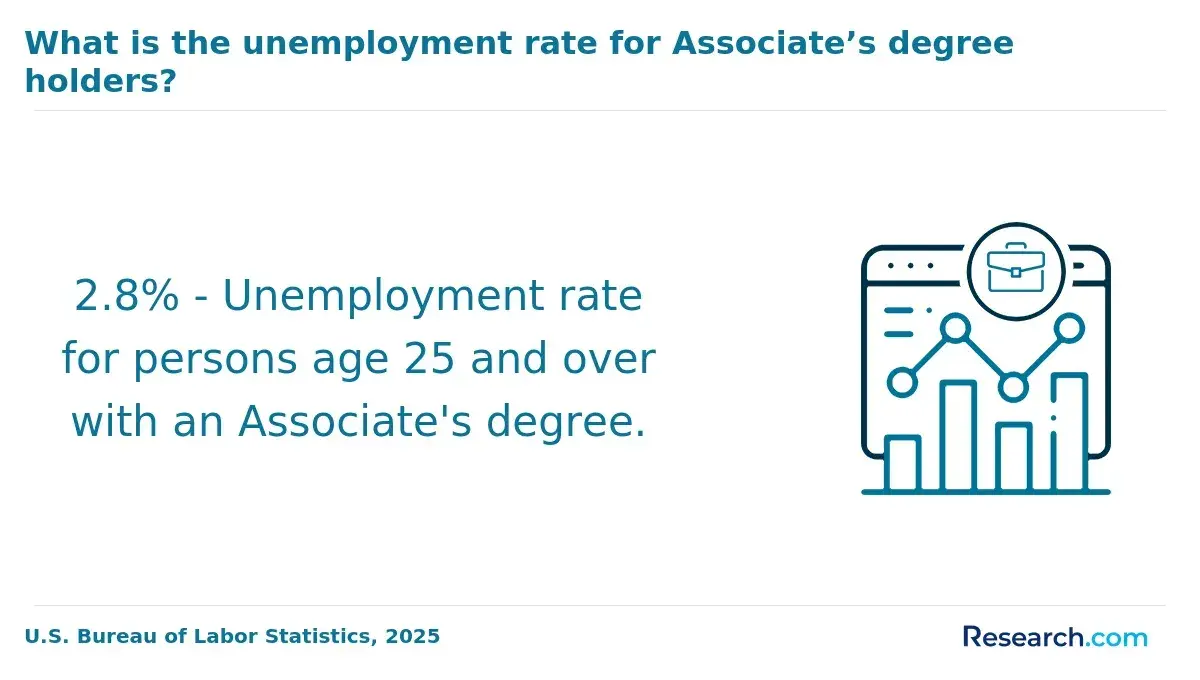
Entry-level roles in human services typically mandate at least a bachelor's degree in human services or a related field, with advanced positions such as program directors and clinical supervisors requiring a master's degree coupled with relevant licensure or supervised experience. For instance, social and community service managers in leadership demand not only graduate-level education but also demonstrated operational proficiency. The median annual salary for these managerial positions was $86,100 in May 2024, underscoring how credentials and management expertise directly influence earnings and job stability.
Essential credentials for human services job candidates vary by role and agency focus. Certifications like the Certified Human Services Practitioner (CHSP) and Licensed Clinical Social Worker (LCSW) often become prerequisites for specialized functions involving counseling or mental health interventions. For frontline workers, an Associate degree combined with professional certificates may suffice, but upward mobility almost always requires additional degrees and targeted credentials.
Employers prioritize certifications linked to their service orientation-for example, child welfare agencies lean toward social work licenses, while community organizations value outreach credentials. Candidates without graduate degrees may secure supervisory roles if they present significant field experience and certifications, though this path is narrowing as credential standards evolve. Practical planning for degree and credential acquisition should consider intended specialization and organizational expectations to avoid career stagnation in a tightening workforce.
Students evaluating advanced human services education should analyze options based on real-world outcomes, including employer hiring trends and role requirements. For those seeking graduate pathways, exploring online masters programs for counseling can provide flexible, cost-effective avenues aligned with industry demands.
Do human services jobs require licensure or certification?
Licensure requirements in human services vary substantially by role and jurisdiction, impacting career pathways and timing. Positions involving clinical counseling, such as Licensed Clinical Social Workers (LCSWs), mandate state licensure, which includes graduate education, supervised clinical experience extending two to three years post-degree, and passing standardized exams. This extended preparation delays full salaried practice but is legally required for regulated clinical roles. Conversely, many non-clinical roles-like case managers or community outreach coordinators-often do not require licensure, although certifications like Certified Human Services Professional (CHSP) increasingly influence employer hiring decisions.
Employment data from the U.S. Bureau of Labor Statistics illustrates that child, family, and school social workers, who typically require state licensure due to handling sensitive, mandated services, earned a median annual wage of $62,920 in May 2024 with a projected growth rate of 5% through 2034. Those without licensure face constraints, frequently limited to assistant or support roles with less autonomy and lower compensation. This dichotomy underlines a practical tradeoff between rapid job entry versus long-term professional independence.
For professionals weighing educational choices, understanding do human services roles require licensure in the United States is critical. Non-licensed tracks benefit from pursuing recognized certifications to boost competitiveness and potential advancement. Prospective students should also consider flexible options, such as a 2 year psychology degree online, which can expedite foundational knowledge acquisition while planning for subsequent license requirements if aiming at clinical practice.
Strategically identifying certification requirements for human services professionals in North America enables informed career navigation, especially when verifying state-specific licensure prerequisites and the associated financial and time investments. Early alignment of academic programs with these professional standards significantly influences employability and career trajectory.
What human services courses prepare you for support roles?
Effective coursework in human services is defined by its alignment with employer demands and real-world tasks rather than abstract theory. Core subjects like case management and crisis intervention develop essential skills for client assessment and resource navigation, directly supporting frontline work. Human behavior classes provide nuanced context for designing interventions suited to varied populations, while addiction studies and mental health training prepare graduates for an expanding subsection of social work, where median wages reached $68,290 annually as reported by the U.S. Bureau of Labor Statistics and referenced in the HumanServicesEDU 2026 guide.
Program quality pivots on integrating ethics and cultural competence into coursework, essential for managing confidentiality, bias, and multi-system coordination-skills critical when serving vulnerable clients. For example, counselors addressing substance use disorders must combine clinical knowledge with legal compliance and trauma-informed approaches to ensure effective practice and risk mitigation.
Students face a clear tradeoff if their courses omit practicum or internship components, critical for gaining supervised client interaction experience valued by employers. This omission often delays certification and independent practice. Complementary coursework in program evaluation and policy knowledge empowers graduates to advocate effectively within complex agency environments, which often define human services roles.
Such comprehensive training produces candidates equipped with practical competencies responsive to labor market shifts, sustaining relevance in a competitive sector where adaptability and demonstrable experience outweigh generic educational credentials.
How do online and campus human services programs compare?
Choosing between online and campus human services programs hinges on how well a student can navigate tradeoffs in flexibility, networking, and hands-on experience essential for workforce readiness. Online formats suit those balancing work or geographic constraints but limit daily informal interaction with peers and supervisors, often crucial for practical skill-building. Campus-based programs typically embed direct client engagement through practicum or internships, which many employers in community health roles prioritize when hiring.
For example, a student aiming to become a community health worker gains distinct advantages from campus internships with local health agencies, opportunities often unavailable or diluted in fully online curricula. While some online programs offer virtual internships, these experiences tend to lack the immediacy and intensity of on-site placements, which can affect employability in roles requiring demonstrated field competence.
The occupational outlook is strong, with a U.S. Bureau of Labor Statistics projection of 17% job growth for health education specialists and community health workers between 2020 and 2030. However, actual hiring preference leans toward candidates who combine academic credentials with tangible practicums. Online students must proactively secure local placements to remain competitive.
Cost and time savings in online study come from reduced commuting and increased scheduling flexibility, yet campus students benefit from structured environments, immediate career counseling access, and stronger professional networking linked to emerging community health events and job markets.
How long does a human services degree take to finish?
Choosing between a two-year associate and a four-year bachelor's degree in human services hinges on clear career outcomes rather than academic timelines alone. An associate degree generally prepares candidates for entry-level welfare support roles, while a bachelor's degree often serves as a prerequisite for supervisory or clinical positions. For example, someone targeting case management should anticipate committing to four years of full-time study, whereas those focused on assistant or outreach work might find two years sufficient.
This distinction has direct labor market implications. Australian data forecasts 7,300 new welfare support jobs by mid-2024, with median weekly earnings around $1,688. These figures underscore that higher qualifications commonly correlate with better pay and job stability. However, the added duration and complexity of bachelor's programs can strain working professionals managing jobs and family demands, stretching completion from three up to six years if pursued part-time.
Licensure and certification requirements vary significantly by state and role, making it imperative to verify specific coursework or supervised experience needs before committing. Employers also prioritize real-world experience gained through internships or practicums incorporated into degree programs.
Prospective students should weigh:
- Immediate employability with an associate degree versus long-term advancement tied to a bachelor's
- The feasibility of balancing part-time study against delayed workforce entry
- The importance of state and employer credential standards on career mobility
How much does a human services degree cost?
Choosing a human services degree requires weighing costs against realistic job market returns. Public community colleges offer associate degrees between $3,000 and $10,000 annually for in-state students, while four-year public universities charge $9,000 to $15,000. Private institutions often exceed $25,000 per year. Online programs may reduce some expenses but mirror these general price brackets. Additional fees-textbooks, certification tests, and practical training-add $500 to $1,500 yearly, pushing total costs higher.
In practice, students relying solely on federal aid often incur $15,000 to $30,000 debt from a two-year program. Balancing this against average starting wages of $30,000 to $35,000 nationwide highlights the importance of selecting affordable, accredited programs with employer networks or internships that improve employment prospects and reduce financial risk.
Workforce data from North Carolina illustrate this tradeoff well: social and human service assistant roles grow at a steady 0.9% annually, with roughly 1,013 openings per year. This modest growth means competition remains firm, underscoring the value of cost-effective education paired with practical experience.
Considerations for prospective students include:
- Long-term debt balanced with expected entry-level earnings
- Program accreditation and recognized certification pathways
- Financial aid availability and part-time study to maintain income streams
These factors shape a pragmatic approach to human services education planning, aligning investment with regional labor demands and career viability.
What salary can human services support roles offer?
Human services roles often require balancing multiple client needs within complex regulatory environments, which directly impacts earning potential and professional stability. Salaries for these positions generally range from $40,000 to $70,000 annually, with social and community service managers earning median wages near $69,600. These managerial roles involve overseeing programs focused on coordinated care in areas such as mental health and chronic disease management, where employment growth is projected at 12% through 2033, surpassing average labor market expansion.
Entry-level assistants typically start between $34,000 and $42,000, advancing to case manager or specialist positions can raise salaries above $50,000, particularly when combined with specialized certifications in behavioral health or substance abuse. Geographic disparities are significant; candidates in urban or higher cost-of-living areas generally command salaries closer to or above the national median.
Nonprofit and government employers expect human services degree holders to navigate funding instability and increased caseload complexity, demanding not only technical expertise but resilience and adaptability. For individuals prioritizing long-term income growth and job security, targeting sectors with integrated service models or managerial pathways is a pragmatic strategy.
- Salary ranges vary based on specialization and location
- Certifications in niche areas increase earning prospects
- Workload intensity and funding challenges affect job conditions
What is the job outlook for human services support roles?
Choosing to enter human services support roles without further certification can fast-track employment but often caps salary growth near $47,090 median for social and human service assistants. These positions primarily involve direct client interaction, typically requiring supplemental credentials to access higher pay or responsibilities. For those targeting specialized counseling areas like substance abuse or mental health, median earnings rise to around $65,100, reflecting employer demands for state certification, clinical training, and hands-on case management skills. This stage necessitates balancing upfront education costs and supervised practice against stronger job market competitiveness.
Advancement into social or community service management roles-earning a median $86,100-demands leadership capabilities, program oversight experience, and usually a bachelor's degree plus five or more years in relevant roles. This tier excludes candidates lacking formal qualifications, emphasizing that entry-level experience alone is insufficient for such positions.
Key practical considerations include:
- Starting as an assistant enables quicker labor market entry but risks stagnation without further education.
- Licensure and specialized credentials enhance employability but extend preparation time and financial investment.
- Managerial roles require significant accumulated experience paired with formal degrees, limiting accessibility for those without targeted academic and field commitments.
Prospective students should weigh these tradeoffs carefully, aligning career objectives with realistic timelines and employer expectations documented by Human Services EDU and the U.S. Bureau of Labor Statistics data.
Other Things You Should Know About Human Services
The job market for human services support roles is moderately competitive, especially for entry-level positions with a general human services degree. Employers often favor candidates who combine their degree with relevant internships or specialized experience, which means practical placements within the program can significantly impact employability. Prioritizing programs with strong fieldwork components or established employer partnerships improves your chance of securing a role in a crowded market.
Human services support work involves significant emotional labor, including managing client crises and system complexities, which can lead to burnout if not managed proactively. Programs that integrate stress management training and realistic field experiences prepare graduates better for these demands. When evaluating degree options, select those that emphasize resilience-building and offer mentorship opportunities to increase long-term career sustainability.
A broad human services degree offers versatility and access to various support roles but may limit advancement in clinical or licensed positions. Choosing a specialized social work track often involves higher academic rigor and clinical placements but results in clearer pathways toward licensure and higher earning potential. Prioritize your long-term goals: if you aim for direct clinical practice or supervisory roles, a social work-focused program will provide stronger outcomes; for diverse entry-level roles or community-based work, a general human services degree suffices.
References
- CourseCareers https://coursecareers.com/blog-posts/human-resources-credentials-compared
- Become a Social Worker in North Carolina https://socialworklicensemap.com/social-work-licensure/become-a-social-worker-in-north-carolina/
- What can you do with a bachelor's in human services? | edX https://www.edx.org/resources/what-can-you-do-with-a-bachelors-in-human-services
- Human Services Careers | PublicHealthOnline.org https://www.publichealthonline.org/human-services/
- What Degree Might You Need to Pursue an HR Career Path? The Requirements to Know https://www.trident.edu/what-degree-do-you-need-for-hr-requirements-to-know/
- Current and Projected Trends in Human Services https://humanswhoserve.wp.txstate.edu/current-and-projected-trends-in-human-services/
- Health and Human Services Career Guide https://www.ultimatemedical.edu/blog/hhs-guide/
- Human Resources (HR) Education Blog https://hrcertification.com/blog
- Types of Social Workers: Exploring the Many Fields in Which They Serve https://www.umassglobal.edu/blog-news/types-of-social-workers
- Human Services Credential https://sites.highlands.edu/human-services/human-services-credential/