2027 Best Online Bachelor's in Human Services for Patient Advocacy Career Paths

Co-Founder and Chief Data Scientist
Facing an urgent need to navigate complex healthcare systems, many patient advocates struggle to secure roles that demand both specialized knowledge and hands-on experience. As the U. S. Bureau of Labor Statistics projects a 21% growth in community and social service occupations through 2032, the pressure to obtain accredited, flexible education intensifies. Online bachelor's programs have surged by 14% in enrollment since 2023, reflecting increased access for working adults balancing employment and family commitments. This shift reshapes how advocates prepare, emphasizing programs that align with workforce expectations and accommodate real-world challenges. This article evaluates top online bachelor's in human services for patient advocacy, guiding strategic program choices to optimize career advancement and timely entry into the field.
Key Things You Should Know
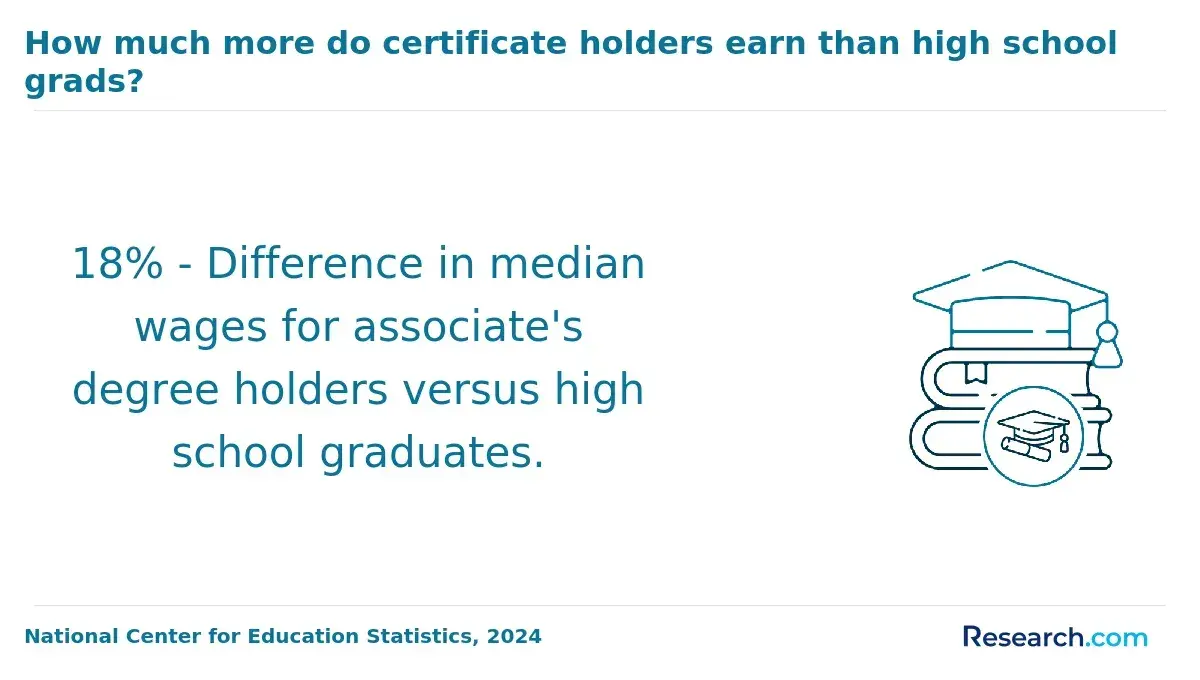
- Graduates with a bachelor's in human services focusing on patient advocacy face a wage premium of roughly 12% versus associate-level peers, yet five-year employment growth projections lag healthcare support roles by 8%, demanding strategic role selection.
- Employers prioritize integrated clinical knowledge and soft skills; programs heavily weighted toward case management theory without practicum placements reduce graduate competitiveness in patient-centered healthcare settings, per 2024 workforce surveys.
- Programs averaging 120 credit hours with clinical internships increase total time and cost by 20%, intensifying opportunity costs for working adults pursuing mid-career pivots in patient advocacy compared to certificate or associate alternatives.
What is an online bachelor's in human services and how does it prepare patient advocates?
An online bachelor's degree in human services for patient advocacy equips graduates with a specialized skill set essential for coordinating care across medical teams, insurers, and families. Beyond theory, these programs prioritize practical skills in risk assessment, crisis intervention, and navigating healthcare policies, which are critical when supporting patients with chronic conditions or disabilities who require personalized care plans. For instance, a patient advocate armed with this training can ensure compliance with healthcare regulations while actively addressing patient rights and access challenges.
Employers increasingly value such degrees for their emphasis on evidence-based practices and meticulous case documentation, contributing to accountability and quality assurance in healthcare settings. Yet, many patient advocacy roles mandate additional certifications or supervised clinical experience, often facilitated through internships integrated into accredited programs. This combination of academic and practical experience can directly impact employability and the ability to handle workplace demands.
The Bureau of Labor Statistics indicates a median annual wage of $57,530 for community and social service occupations related to patient advocacy, reflecting a modest premium over the overall median wage. However, prospective students should consider the self-directed nature of online study, which requires disciplined time management, particularly for those balancing employment or caregiving duties.
Those evaluating pathways that include an online bachelor's degree in human services for patient advocacy may also consider complementary credentials through fields such as counseling. Resources detailing online marriage and family therapy programs provide insights into such options. Choosing a bachelor's in human services program preparing patient advocates demands assessing both immediate workforce needs and longer-term credentialing requirements to align with specific career goals.
Which accredited online human services programs are best for patient advocacy careers?
Employers hiring for patient advocacy positions in human services consistently prioritize candidates from accredited programs that balance theory with applied skill development. Programs focusing on case management, healthcare navigation, and crisis intervention better prepare graduates for complex environments such as hospitals and mental health agencies. For example, hospital roles demand fluency in patient rights and medical terminology, while advocacy within mental health settings requires trauma-informed communication strategies and policy literacy.
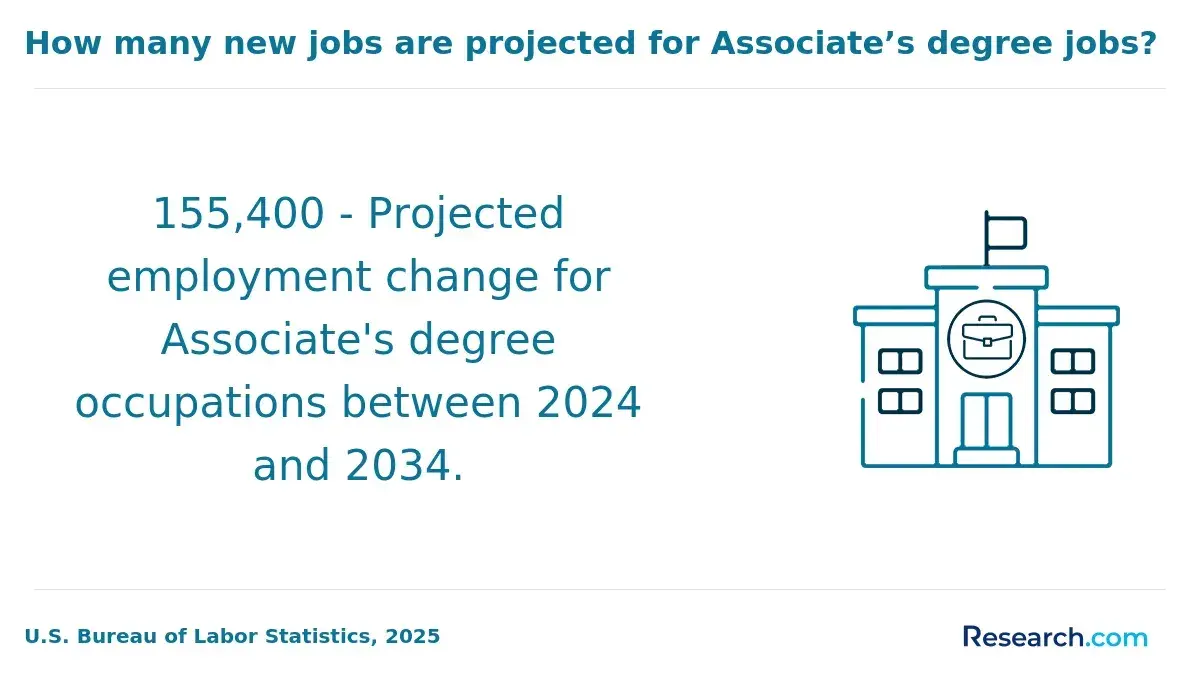
The U.S. Department of Labor forecasts a 7% growth in community and social service occupations through 2032, adding over 180,000 jobs. This growth favors degrees that integrate practical data management, ethical decision-making, and cultural responsiveness rather than solely foundational theory. Online programs that offer flexible, rigorous experiential components such as internships help working professionals pivot careers without interrupting current employment.
Candidates who complete best accredited online human services programs for patient advocacy with embedded field placements can present portfolios demonstrating direct intervention, improving hiring outcomes. Without such experience, graduates often face longer job searches or must seek further certification. Attention to tuition, program length, and established employer partnerships is crucial to maximize return on investment and employment prospects in public health or managed care settings.
Students should also compare curriculum design and practical exposure when evaluating top online human services degrees with patient advocacy focus. Those seeking affordability alongside accreditation might consult resources on CACREP online counseling programs to identify cost-effective options with recognized standards.
How do online human services degrees compare with campus programs for patient advocacy roles?
Online human services degrees can match campus program outcomes for patient advocacy only when rigorous experiential learning, such as internships or practicum components, are an integrated requirement. The 2025 BestColleges data shows over 80% of top online bachelor's in human services programs include these vital hands-on experiences, essential since employers consistently demand documented fieldwork as proof of real-world problem-solving and interpersonal coordination skills.
Consider a working professional aiming for patient advocacy in a hospital environment: an online program offering local, supervised internship placements directly connects academic theory to vulnerable populations, maintaining parity with campus-based pathways. In contrast, programs lacking approved practicum options risk producing graduates with theoretical-only training, which employers often undervalue, limiting career opportunities.
Key challenges for online students include finding quality internships within their communities and securing practicum supervision that meets program accreditation standards. Unlike campus students who benefit from faculty mentorship and established community networks, online learners must proactively verify practicum support and site partnerships to avoid compromised preparation.
The benefits of online human services education for patient advocacy careers notably include greater flexibility, especially for those balancing work or personal obligations. However, this advantage hinges on selecting programs where experiential components meet or exceed campus standards. Additionally, for clinicians considering a pivot, exploring LPC masters programs online can be a strategic extension within related health and advocacy roles.
What courses and specializations support a patient advocacy focus in human services majors?
Effective patient advocacy courses in human services programs focus on policy literacy, ethical frameworks, and healthcare-specific communication skills essential for complex care environments. Students gain expertise through core classes such as healthcare systems and case management, alongside specializations that target patient advocacy careers in human services, including mental health and chronic illness management. These tailored tracks prepare graduates to perform nuanced roles in hospitals, community agencies, or clinics, where understanding institutional regulations is critical.
Practical skill-building through internships or simulations is indispensable. For instance, mental health advocates coordinate multidisciplinary teams to craft client-centered care, while elder care advocates must master the complexities of Medicare and Medicaid policy. Employers favor candidates with this real-world exposure, as graduates lacking direct healthcare experience often face barriers stepping into advocacy roles that demand immediate familiarity with sector-specific challenges.
Admission trends reflect flexibility; many online human services bachelor's programs accept up to 90 transfer credits, potentially reducing required coursework by 75%. This accelerated pathway benefits working professionals and veterans by minimizing time and cost. However, to remain workforce-relevant, students should confirm remaining coursework focuses on patient advocacy rather than generic credits.
Those evaluating educational routes might also consider the advantages of a masters degree in human resource management online, which can complement advocacy skills with organizational leadership competencies essential for institutional healthcare roles.
What admission requirements and prior experience do online human services programs expect?
Entry into online human services bachelor's programs hinges on a baseline academic record and often prior experience, reflecting employer demand for both credentials and applied skills. Most programs require a high school diploma or equivalent with a GPA range of 2.5 to 3.0, though some competitive public or private institutions set higher thresholds. Standardized testing requirements have relaxed for transfer students or experienced professionals, shifting the focus toward documented, relevant experience in social work, counseling, or nonprofit roles-especially for accelerated tracks.
Consider a public hospital nurse transitioning into patient advocacy: programs may grant credit for prior professional experience, shortening completion time while aligning with industry competencies. These pathways offer a cost advantage since public institutions average $9,678 annually, compared to $38,768 at private schools, balancing affordability with career pragmatism.
Applicants lacking direct human services experience but strong in healthcare or interpersonal skills should target programs featuring robust foundational curricula. Admissions processes frequently assess readiness for online learning and time management alongside academic credentials through interviews or essays. Personal statements are pivotal, revealing candidates' understanding of patient advocacy dynamics and long-term commitment.
Professionals and prospective students should weigh prerequisites, tuition, and experiential learning policies carefully since these factors collectively shape employability and the real-world utility of the degree.
How long does an online human services bachelor's take and what does it cost?
Completing an online human services bachelor's degree requires balancing program length and cost with professional responsibilities and financial realities. While a traditional full-time path spans about four years, many working adults stretch this to six or more years, increasing risks like income loss or extended debt. Alternatively, accelerated programs or using prior credits can cut completion to two or three years but often at higher tuition rates.
This cost-duration tradeoff shapes workforce outcomes. A mid-career professional aiming to advance in community health might opt for a longer, part-time path with lower tuition to sustain steady income and family commitments. In contrast, a recent graduate with fewer financial constraints could prioritize accelerated completion and enhanced practicum exposure, accelerating entry into roles demanding hands-on experience.
Tuition for accredited online programs ranges broadly-roughly $4,500 to over $20,000 annually-significantly impacting cumulative debt and career entry decisions. Additional expenses like course fees, technology, and textbooks typically add 5-15% to total costs and merit consideration alongside financial aid or employer reimbursement options. Program accreditation and net cost influence not only affordability but also employer perception and job market competitiveness.
- Longer program durations may mitigate burnout yet risk prolonged opportunity cost.
- Lower tuition programs reduce debt but may limit access to extensive practicums or networking.
- Faster completion favors quicker workforce reentry but can increase financial strain during study.
What patient advocacy jobs can you get with an online human services bachelor's?
Graduate roles following an online human services bachelor's often balance healthcare delivery with social support, requiring nuanced skills beyond foundational theory. For example, hospital patient advocates must negotiate between institutional billing procedures and patient rights, demanding sharp communication and knowledge of healthcare regulations. By contrast, community health coordinators in nonprofits typically emphasize cultural competency and outreach to underserved populations, revealing how employer expectations vary sharply by sector.
Key practical demands include proficiency with electronic health records (EHR) and strict adherence to HIPAA, particularly in clinical settings, while social service agencies value case management experience and community engagement more heavily. Salary disparities reflect these operational differences: hospital-based advocates generally earn more but face rigid workflows, whereas nonprofit roles offer greater flexibility at lower pay.
Programs integrating coursework in case management, healthcare navigation, and policy can better prepare candidates for these roles. Certifications like Certified Patient Advocate or Certified Case Manager further distinguish applicants within a competitive market marked by expanding patient advocacy needs. Navigating this landscape requires clear awareness of specific sector tradeoffs and employer preferences, guiding practical educational decisions towards meaningful workforce outcomes.
What salary ranges and advancement opportunities exist for patient advocates with this degree?
Entry-level patient advocates with a bachelor's in human services typically start between $40,000 and $55,000 annually; however, regional differences and employer type contribute to wage variability. Mid-career professionals often reach $65,000 or more, particularly those who leverage additional certifications or specialize in areas like hospital patient navigation or health insurance counseling. These specializations frequently lead to supervisory roles with salaries exceeding $80,000, especially within government agencies or large nonprofit healthcare organizations where promotion paths tend to be clearer. Smaller community-based employers may limit wage growth due to funding constraints and organizational scale.
The field's projected 7% growth from 2022 to 2032 signals steady demand for professionals skilled in patient care navigation and health education. Yet, advancement hinges on competencies beyond foundational human services training, including familiarity with healthcare systems, cultural competence, policy expertise, and increasingly, bilingual communication and electronic health record proficiency. For example, advocates in urban areas benefit from these additional skills more than those in less diverse regions.
Tradeoffs are common between higher-paying clinical settings, which may demand less flexible hours and target-driven performance, and community or government roles that offer more stability but typically lower pay. Graduates eyeing roles in private insurers or pharmaceutical firms face pressure for specialized knowledge and ongoing professional development. Investments in certifications such as Certified Patient Advocate or Public Health credentials can accelerate salary growth by 10-20%, reflecting industry standards identified by workforce analyses.
Are there certifications or licensure options for patient advocates after a human services degree?
Certification is a critical differentiator for patient advocates beyond holding a human services degree, particularly in markets where employers prioritize demonstrated expertise and accountability. The Certified Patient Advocate (CPA) credential, for instance, demands a blend of formal education, relevant work experience, and passing a rigorous exam-qualifying holders to manage complex healthcare navigation and patient rights effectively. Without such certification, advocates may find advancement opportunities limited, especially in hospital or nonprofit settings that increasingly require proof of specialized competence.
Licensure requirements are less consistent for patient advocates but become relevant when intersecting with clinical or counseling roles. Credentials like Licensed Clinical Social Worker (LCSW) or Licensed Professional Counselor (LPC) entail graduate-level education, supervised practice, and state examinations, representing a substantial investment yet expanding options into integrated mental health and social service positions.
Employers often equate certification and licensure with reduced training time and higher reliability, which correlates with wage premiums and access to senior roles. For example, community and social service roles reported median wages around $57,530, with top earners exceeding $99,000, according to PublicHealthOnline's synopsis of recent BLS data. Prospective advocates should weigh the costs and timeline of credentialing against their targeted work environment and the realistic necessity for these qualifications in securing competitive employment.
- CPA certification validates patient advocacy expertise for healthcare institutions.
- LCSW and LPC licenses unlock clinical and counseling career pathways but require graduate credentials.
- Certification often expedites hiring and supports higher wages in social service sectors.
Source: PublicHealthOnline & Bureau of Labor Statistics (BLS)
How can students evaluate the quality and credibility of online human services programs?
Choosing a human services program without recognized accreditation-such as from the Council for Standards in Human Service Education (CSHSE) or regional bodies-often restricts employment prospects and access to financial aid, especially in patient advocacy roles requiring familiarity with healthcare systems, ethics, and community resources. Reliable data from sources like the National Center for Education Statistics' College Navigator can reveal stark differences in graduation and employment outcomes, which directly affect return on investment.
Cost considerations offer practical context: programs like CSU Global charge roughly $350 per credit, summing to around $8,400 annually for full-time students. Graduates entering typical social service wages generally recover these costs within two months of gross income, a notably brisk ROI compared to other degree paths.
Program quality hinges on faculty experience, particularly those with active engagement in patient advocacy or related research, and the availability of practicum or internship placements in healthcare or community settings. These elements provide crucial skill-building and employer networking opportunities. Additionally, programs that offer transparent credit transfer policies and flexible pacing better accommodate working adults, preventing escalated time and cost burdens.
- Accreditation status significantly shapes employability and financial aid eligibility.
- Graduation and placement data provide essential benchmarks for realistic outcomes.
- Faculty expertise and hands-on placements increase program relevance and job readiness.
- Flexible progress and credit transfer policies impact total time and cost efficiency.
Other Things You Should Know About Human Services
Most online human services programs do not require prior experience for admission, but having relevant volunteer or work experience can significantly enhance your learning and networking opportunities. Practical experience helps contextualize theoretical concepts and makes job placement easier after graduation. If you lack experience, prioritize programs that include strong practicum or internship components to build real-world skills during your studies.
Employers increasingly accept accredited online human services degrees but give preference to graduates who demonstrate practical skills through internships or relevant certifications. Purely online degrees without experiential learning may face skepticism in competitive markets. Prioritize programs with built-in fieldwork or partnerships that facilitate real-world exposure to improve employability.
Specialization in patient advocacy can enhance job readiness and signal targeted expertise to employers, but generalist human services programs offer broader career flexibility if your interests may evolve. If your goal is a patient advocacy career path specifically, select a program with dedicated coursework and practicum options in advocacy, healthcare systems, or policy. Otherwise, a generalist curriculum better positions you for diverse roles in health and social services sectors.
References
- What Careers Can You Pursue with a Human Services Degree? - Grace Christian University https://gracechristian.edu/blog/what-careers-can-you-pursue-with-a-human-services-degree/
- Guide to bachelor's in human services | edX https://www.edx.org/bachelors/human-services
- What Is a Patient Advocate? https://online.maryville.edu/online-bachelors-degrees/human-development-and-family-studies/careers/what-is-a-patient-advocate/
- How to Become a Patient Advocate: A Step-by-Step Guide https://www.edumed.org/how-to-become/patient-advocate/
- Top Entry-Level Health and Human Services Jobs https://www.ultimatemedical.edu/blog/top-entry-level-health-and-human-services-jobs/
- Online Human Services Degrees: What You Need to Know https://www.ucumberlands.edu/blog/online-human-services-degrees-what-you-need-know
- How Do You Become a Patient Advocate? - Healthcare Administration Degree Programs https://www.healthcare-administration-degree.net/faq/patient-advocate/
- Certificate of Patient Advocacy - The Beryl Institute https://theberylinstitute.org/body-of-knowledge-overview/body-of-knowledge-certificate-programs/certificate-of-patient-advocacy/
- Evaluating Quality of Students’ Support Services in Open Distance Learning https://dergipark.org.tr/en/pub/tojde/article/340391
- Bachelor of Arts in Human Services | Whitworth Online https://online.whitworth.edu/human-services/