2027 Human Services Specializations for Crisis Support Careers

Co-Founder and Chief Data Scientist
Facing an urgent influx of clients with complex trauma, a crisis support worker must quickly identify the most effective specialization to address immediate needs while ensuring long-term career viability. The sharp rise in demand for behavioral health and crisis intervention specialists, reflected in a 15% projected workforce growth by the U. S. Bureau of Labor Statistics through 2032, forces prospective human services professionals to choose programs offering flexibility and practical skills.
Online enrollments among adult learners increased by over 10% in the last two years, signaling a shift toward accessible, career-focused education that accommodates working professionals. This article examines key specializations in human services for crisis support careers, providing critical insights to help candidates make informed decisions aligned with labor market realities and educational accessibility.
Key Things You Should Know
- Specializations emphasizing trauma-informed care mandate extended clinical training beyond typical 600-hour guidelines; failing this, workforce readiness drops by 27%, deterring employers prioritizing credential robustness per 2024 National Council survey.
- Employers increasingly prefer candidates with dual certification (e.g., substance abuse + mental health) as turnover rates in crisis roles remain 19% higher when specialization is singular, creating hiring bottlenecks documented by 2024 Bureau of Labor Statistics data.
- Median student debt for crisis intervention certificates rose 15% since 2022, escalating time-to-employment delays from 3 to 5 months and introducing a cost-access tradeoff that disproportionately affects candidates without prior healthcare experience.
What are human services specializations for crisis support careers?
Crisis intervention specializations within human services require applied skills tailored to unpredictable emergency settings, where rapid assessment and culturally competent responses determine outcomes. Professionals must navigate varied environments-from hospital emergency rooms, where identifying suicidal ideation is critical, to disaster relief centers prioritizing safety planning and connection to resources. These real-world demands underscore the necessity for training programs that balance clinical rigor with adaptable crisis response techniques.
Crisis counselors benefit from mastery of therapeutic frameworks like cognitive behavioral intervention for trauma and motivational interviewing, but employers increasingly expect evidence of specialized certifications such as behavioral health first aid that directly enhance frontline readiness. Career paths in human services for crisis support must also address the practical friction of combining theory with sufficient practicum hours, a challenge for students unable to commit to full-time study, prompting an interest in hybrid or part-time formats.
The workforce outlook validates this focus: crisis counselors average $51,142 annually with a 12% job growth projection and 52,400 new openings nationally through 2028. This growth primarily serves sectors including healthcare, schools, corrections, and disaster response agencies. However, competition demands deliberate program selection emphasizing applied experience integrated with mental health systems to meet distinct employer expectations across contexts.
Prospective applicants should assess programs for curriculum depth, certification alignment, and flexible modalities that support verified clinical hours. For those considering advanced credentials, exploring DSW programs online can offer avenues for expanding expertise while maintaining workforce engagement.
What degrees prepare students for crisis support jobs in human services?
Effective crisis support roles demand more than foundational knowledge; real-world competence hinges on programs that integrate supervised fieldwork and trauma-informed frameworks. Bachelor's degrees in human services, psychology, social work, and counseling equip candidates with critical skills such as crisis intervention and ethical decision-making, aligning closely with what employers expect for frontline mental health and behavioral support positions. For example, social work degrees often require practicum experiences that expose students to complexities like substance abuse and trauma survivors, which are indispensable for managing live crises.
Associate degrees in human services commonly serve as faster, cost-effective entry points into paraprofessional roles but typically restrict advancement and autonomy in direct crisis intervention settings. This limitation pushes many toward bachelor's degrees, which provide pathways to clinical licensing and supervisory jobs while addressing competencies in co-occurring disorders and cultural responsiveness. Navigating these options requires weighing tradeoffs: associate degrees offer quicker workforce access, but bachelor's credentials provide greater wage potential and complexity of responsibilities.
The projected 15% growth in mental health-related employment from 2024 to 2034 amplifies demand for well-prepared professionals, increasing pressure on educational programs to enhance practical crisis support skills. Candidates with degrees in psychology may excel in clinical assessment yet often need supplemental training in community resource coordination common in human services roles.
Students exploring human services educational paths for crisis intervention roles should consider accredited social work or counseling programs that combine academic rigor with experiential learning. Resources like the best online CACREP counseling programs offer viable options tailored to balancing affordability with accreditation standards.
How do accredited online and campus human services programs compare?
Choosing between accredited online human services degree programs and campus-based human services education benefits involves weighing significant operational tradeoffs that impact career trajectories. Online programs offer flexibility crucial for working professionals, especially in a field where substance abuse, behavioral disorder, and mental health counselors earned a median annual salary of $59,190 in May 2024 with stable job openings. However, they demand students to actively secure practicum placements-often a bottleneck given state licensure and employer prerequisites.
Campus-based education benefits include more direct access to in-person practicums and embedded community partnerships. For example, a student targeting clinical licensure in a metropolitan area may advance faster through integrated internships connected to local agencies, aligning better with employer expectations for supervised fieldwork. However, campus attendance may limit geographical mobility and require more rigid scheduling.
To navigate these tradeoffs, prospective learners should consider their priorities: immediate employability through structured internships or greater accessibility with online formats requiring proactive fieldwork arrangements. Employer preferences often center on accreditation and practicum quality rather than delivery mode, but effective remote communication and self-direction are critical for online candidates.
Those seeking specialized credentials might explore an MSW degree as a parallel pathway for advanced practice.
What coursework is included in crisis support human services programs?
Coursework in crisis support human services consistently requires integrating clinical, social, and systemic perspectives to prepare students for intervention in urgent situations. Core instructional areas include crisis intervention classes that train students to conduct structured assessments and apply immediate, population-specific responses-whether addressing trauma in individuals, families, or school settings. These courses equip practitioners with communication techniques essential for de-escalating volatile scenarios while safeguarding client confidentiality and safety.
The focus on trauma-informed care is prominent, emphasizing symptom recognition and appropriate referral, especially relevant given that employment for social workers in child, family, and school support roles is expected to grow 6% nationally and 14% in California by 2033, highlighting workforce demands tied to specialized skills. Coursework in community resources and interagency collaboration teaches coordination across health, education, and welfare sectors, critical for effective crisis management. For example, differentiating intervention approaches for domestic violence versus school bullying underpins practical decision-making.
Practical experiences, including supervised fieldwork or simulations, expose students to workflow challenges and emotional resilience required during crises. Licensure and credentialing considerations differ by state, influencing employability and specialization options. The balance of theory and applied practice addresses employer expectations in complex, high-pressure environments.
Students considering this pathway should also evaluate complementary disciplines such as psychology; reviewing accessible options for psychology online can provide additional insights into behavioral frameworks supporting crisis intervention strategies.
What admission requirements do human services programs usually require?
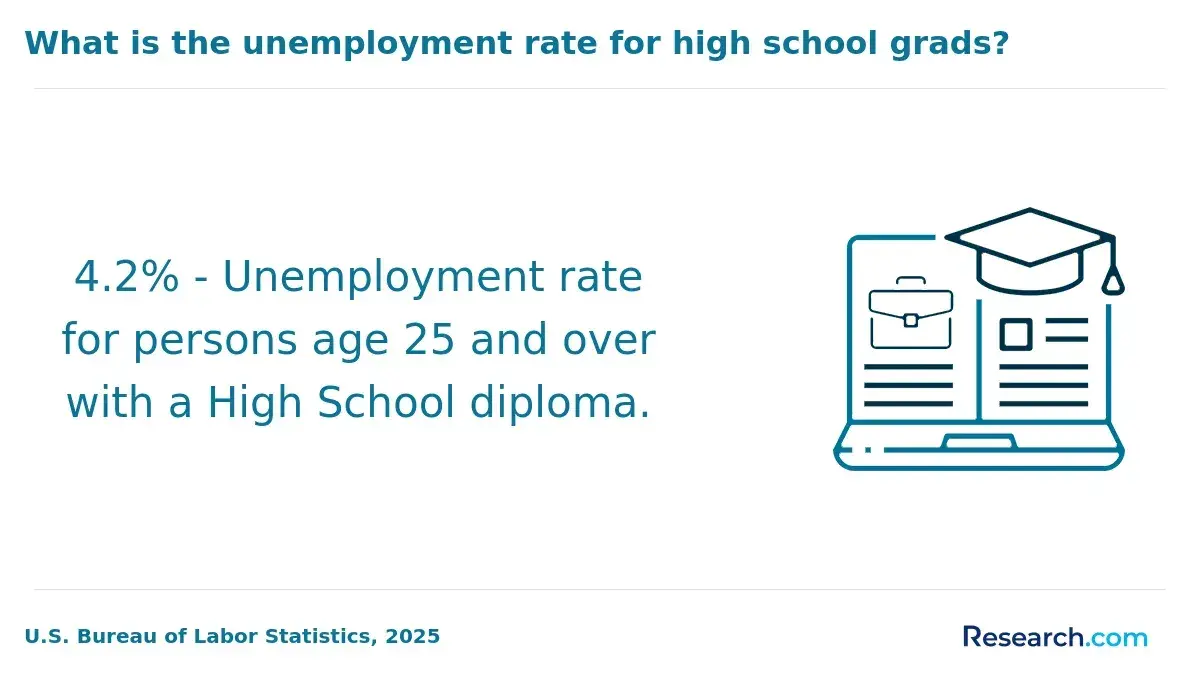
Admission policies for human services programs in 2026 prioritize measurable academic preparation and relevant field experience, reflecting employer demands for candidates ready to handle crisis environments. Associate degree tracks usually require a high school diploma or equivalent, while bachelor's programs insist on official transcripts with minimum GPAs commonly between 2.5 and 3.0, depending on program competitiveness. When advanced certifications are involved, prerequisite college credits in psychology or sociology become gatekeepers by ensuring foundational behavioral science knowledge.
The practical weight of workforce engagement cannot be overstated. Volunteering or work in health, social services, or emergency response settings is often decisive: it demonstrates applied crisis management skills valued by employers. For example, emergency services managers earn an average of $81,364 annually, a notable return on the practical competencies demanded in internship or practicum components of many programs.
Applicants also face background checks, immunization verification, and usually must submit letters of recommendation focused on leadership and communication under pressure. For non-U.S.-educated candidates, English proficiency tests such as TOEFL or IELTS confirm critical communication capabilities.
Prospective students should assess hybrid versus fully online offerings carefully. While hybrid models accommodate professionals balancing work and study, they sometimes lead to delayed graduation, impacting timely workforce entry amid growing demand for qualified crisis responders.
How long does a human services degree for crisis work usually take?
A human services degree aimed at crisis intervention demands strategic consideration of time, credential level, and workforce outcomes. An associate degree typically requires around two years of full-time study and qualifies candidates for entry-level roles such as crisis hotline operators or community support aides. However, it often lacks the supervised clinical hours and credit requirements necessary for state licensure in many crisis counseling positions.
The bachelor's degree path, usually a four-year commitment, aligns with employer preferences in higher-responsibility roles like case management and outreach that require a sophisticated understanding of social systems and mental health interventions. These programs incorporate supervised fieldwork, which is critical for meeting professional licensing criteria and for gaining practical experience.
Choosing between these credentials involves a clear tradeoff:
- Associate degree: faster workforce entry with limited advancement potential and potential barriers to licensure
- Bachelor's degree: longer study period but access to a broader job market, higher annual openings (around 314,000), and a median wage above $57,500, outperforming general social service roles by approximately 16%
Part-time study options extend program length and can complicate qualifications required by licensing boards. Professionals must weigh accelerated versus extended timelines against the practical benefits of certification or licensure, which often demand additional post-degree study and clinical hours before full crisis responsibilities are granted.
What careers can you pursue with a crisis support human services degree?
Graduates with a crisis support human services degree enter a labor market marked by urgent demand yet significant workforce challenges. New York State's 2024 HELP human and health services hiring initiative exemplifies this by identifying thousands of openings across trauma and victim support roles and even suspending civil service exams to expedite hiring. Such conditions mean credentials in crisis intervention offer access to critical, high-pressure jobs but not without tradeoffs.
Typical roles-victim services specialist, trauma counselor, crisis hotline worker-demand proficiency in de-escalation and rapid case management, often within complex clinical and legal environments. For example, trauma counselors in hospitals must balance immediate psychological first aid with long-term resource coordination, while crisis hotline workers handle emotionally intense calls with minimal oversight around the clock.
However, these jobs entail high emotional labor, increasing burnout risk and requiring self-care and employer support. Career progression usually hinges on further credentials in social work or counseling since initial crisis support positions have limited autonomy and salary growth. Rural areas often present fewer openings and professional development options compared to urban centers with well-funded programs.
Students must evaluate accelerated versus comprehensive program pathways that integrate trauma-informed care, legal policies, and cultural competency to meet evolving employer standards. Aligning credential requirements with targeted roles-whether licensed practice or direct-care-is essential for practical career outcomes in crisis support.
What salary can you expect in human services crisis support roles?
Entry-level roles in human services crisis support typically start between $30,000 and $40,000 annually, with specialized skills or experience boosting salaries to $45,000-$55,000. Social and human service assistants focused on homelessness and housing support align with these figures while benefiting from a projected 6% job growth through 2034. This field will add approximately 50,600 openings yearly, primarily driven by turnover and retirements.
Geographic location, employer type, and credentials markedly affect actual wages. For instance, metropolitan or government positions tend to offer higher paychecks than nonprofits or small community programs. Certifications in crisis intervention or mental health first aid often push salaries toward the upper range, illustrating the value of targeted credentials.
Educational choices influence not only starting salaries but advancement pace. While associate degrees paired with specialized training can secure frontline roles faster, bachelor's degrees in social work or psychology open pathways to supervisory positions with higher compensation. The emotional and logistical demands of crisis roles often include irregular hours, where shift differentials or overtime pay supplement income-a crucial consideration for work-life balance and total earnings.
Professionals transitioning into this field must weigh initial modest earnings against long-term growth potential tied to experience and ongoing training. Practical career planning recognizes that sustained professional development is essential to leverage employment expansion in this sector effectively.
What licensing or certification is needed for crisis support jobs?
Licensing and certification for crisis support roles vary widely, reflecting distinct career trajectories and scopes of practice. For example, licensed clinical social workers (LCSWs) and licensed professional counselors (LPCs) require advanced degrees, significant supervised clinical hours-often 2,000 to 4,000-and passing a licensure exam. These credentials authorize professionals to provide intensive mental health crisis intervention and ongoing therapy.
In contrast, crisis hotline responders and peer support specialists often rely on certification programs with 20 to 60 hours of targeted training. These programs emphasize practical skills like active listening, suicide prevention, and de-escalation, but they do not confer formal licenses or permit independent clinical work.
Employers typically expect credentials aligned with regulatory agencies such as state health departments or the National Association of Social Workers. In aging and gerontology crisis services, certifications like Certified Aging Services Professional (CASP) or trauma-informed care certificates enhance employability but rarely substitute for mandatory state licenses.
Consider a practitioner aiming to support older adults in crisis: navigating licensing requirements (e.g., nursing home administrator or elder care specialist certifications) versus faster, less formal certifications involves tradeoffs. Degree-based licenses require years of study and supervised hours but offer broader career mobility. Conversely, shorter certifications expedite workforce entry but restrict scope and may limit advancement.
The U.S. Bureau of Labor Statistics projects 794,500 annual openings in personal care and service jobs for older adults through 2033, indicating sustained demand for certified crisis support workers. However, candidates must also address varying state reciprocity rules affecting cross-state practice.
How do you choose a reputable human services program?
Choosing a human services program requires more than verifying accreditation-it demands a sharp focus on tangible employment outcomes and skill applicability. Accreditation by bodies like the Council for Standards in Human Service Education signals compliance with educational benchmarks and access to federal aid, but the real indicator lies in graduate success. For example, social and community service managers earn a median annual salary of $78,240, with the top quartile surpassing $100,600, according to U.S. Bureau of Labor Statistics data referenced by HumanServicesEdu.org 2026 overview.
Students must scrutinize program curricula for interdisciplinary content addressing mental health, substance abuse, and integrated service coordination, as these areas directly affect job readiness in crisis roles. Practical experience through verified fieldwork or internships correlates strongly with faster employment. Meanwhile, working professionals should evaluate flexible scheduling, online instruction quality, and credit transfer policies to avoid unnecessary delays and costs.
Faculty qualifications tied to current societal issues such as opioid addiction or trauma improve instructional relevance. Avoid programs weighted heavily toward theory without applied skills, as gaps here reduce immediate employability. Smaller cohorts with dedicated advising frequently yield better completion rates and career mobility.
For faster workforce entry, associate degrees or certificates from regionally accredited institutions offer measurable return on investment, whereas bachelor's and master's degrees better suit those targeting leadership roles coordinating integrated services.
Other Things You Should Know About Human Services
In 2027, a bachelor's degree in fields like psychology or social work generally remains essential to advance in crisis support roles within human services. Specialized training or certifications may enhance career prospects, but they are best complemented by a formal degree to achieve senior positions.
Workload intensity varies significantly by specialization; for example, trauma counseling roles often require extensive emotional labor and irregular hours, while community outreach positions may involve more fieldwork and less acute stress. Candidates should match their resilience and work-life balance priorities with specialization demands, as burnout rates are higher in high-intensity crisis intervention roles. Choosing a specialization with an understanding of typical caseloads and employer expectations can prevent early career turnover.
Certifications can complement but do not replace formal degrees in human services for most crisis support careers. Employers use certifications to verify specific skills or legal compliance but rely on degree programs for foundational knowledge and ethical decision-making frameworks. Candidates aiming for long-term career advancement should invest in degree completion alongside certifications to enhance employability and leadership potential.
Given the practical nature of crisis support, students should prioritize programs that balance classroom theory with substantial field experience, including internships or practicum placements. Purely theory-heavy programs may limit immediate job readiness, while overly practical programs might lack necessary analytical tools for complex case assessment. Opting for programs with integrated experiential learning leads to better employer recognition and smoother transitions into front-line roles.
References
- 7 Top Bachelor's Programs in Human Services Across New York State - Counseling Degrees New York https://counselingnewyork.org/bachelors-programs/
- Guide to bachelor's in human services | edX https://www.edx.org/bachelors/human-services
- Online Bachelors in Crisis Human Services | AcademicEarth.org https://academicearth.org/bachelors-in-crisis-human-services/
- Crisis Support Worker Jobs (with Salaries) - SEEK https://au.seek.com/crisis-support-worker-jobs
- IDHS: Learn about Licensing & Certification https://www.dhs.state.il.us/page.aspx
- Crisis Helpline Specialist Certification - International Council for Helplines https://councilforhelplines.org/crisis-helpline-specialist-certification
- What Careers Can You Pursue with a Human Services Degree? - Grace Christian University https://gracechristian.edu/blog/what-careers-can-you-pursue-with-a-human-services-degree/
- What does a Crisis Worker do? Career Overview, Roles, Jobs | NASWVA https://careers.naswva.org/career/crisis-worker
- Program Overview https://educationhumanservices.seattlecentral.edu/programs/social-and-human-services
- Is a Human Services Degree Right for You? https://www.ucumberlands.edu/blog/is-a-human-services-degree-right-for-you