2027 Human Services Salary by State Report

Co-Founder and Chief Data Scientist
Choosing when and where to pursue a career in human services often hinges on salary variations that directly impact both financial stability and professional growth. Recent labor market data from the U. S. Bureau of Labor Statistics shows a 4.2% employment growth rate in human services occupations through 2030, reflecting increased demand but uneven regional compensation. This disparity forces students and practitioners to weigh relocation costs, cost of living, and state-specific certification requirements against potential earnings.
Additionally, the rise of flexible online programs appeals to adult learners seeking career shifts but complicates timing decisions tied to state licensure and local job markets. This report breaks down state-by-state human services salaries to inform strategic decisions around education and employment choices aligned with regional economic realities.
Key Things You Should Know
- Median human services salaries vary by over 40% across states, with Massachusetts averaging $57K versus Mississippi at $40K, complicating relocation decisions despite persistent regional demand disparities (BLS 2024).
- Employers in states with higher human services wages increasingly require bachelor's degrees plus specialized certifications, elevating entry barriers and pressuring candidates towards costlier credentials (National Human Services Workforce Report 2024).
- States with fastest salary growth-like Colorado at 5.2% annually-often mandate more extensive supervised practicum hours, prolonging time-to-employment and increasing opportunity costs for career pivots (2024 State Labor Outlook).
What is human services, and what jobs does it include?
The human services sector presents distinct operational challenges and tradeoffs that shape career trajectories. Typical jobs in human services in the United States range from social workers and mental health counselors to social and human service assistants, whose median annual wage was $45,120 as reported by the U.S. Bureau of Labor Statistics. While paraprofessional roles offer quicker entry into the workforce, they come with comparatively limited earnings and advancement potential compared to licensed clinical social workers, who require specialized credentials.
A practical example of this dynamic occurs in child welfare agencies, where case managers coordinate care plans involving schools, healthcare providers, and foster families under bureaucratic constraints. Success demands a nuanced blend of advocacy, crisis intervention, and navigation of complex systems-skills that are best honed through targeted education with real-world internships.
Employers prioritize candidates demonstrating hands-on experience in client advocacy and community liaison work, which strongly correlates with upward mobility within the sector. Prospective students should carefully consider program offerings that include internships at public health clinics, shelters, or rehabilitation centers to enhance employability despite moderate wage baselines.
Data also reveal significant variation in human services career opportunities by state, influencing local labor markets and credential requirements. For professionals seeking advanced specialization, pursuing credentials such as the cheapest online PhD in counseling can lead to higher earning potential and greater credibility within the field.
What is the average human services salary by state?
Salary disparities across states present a critical consideration for those pursuing or advancing in human services careers. The average human services salary by state fluctuates widely, shaped by living costs, agency resources, and state funding priorities. For example, California, New York, and Massachusetts consistently report salaries in the $45,000 to $55,000 range, whereas states like Mississippi and West Virginia fall closer to $30,000 to $35,000. This uneven pay landscape demands a strategic approach to employment decisions.
Consider a worker moving from California, where earnings may reach $50,000, to Texas, which averages $37,000 but benefits from a lower cost of living. This tradeoff illustrates how professionals must weigh human services earnings across states against personal financial needs and regional labor dynamics.
Emerging professionals should also recognize that states with stronger funding and workforce development invest more in specialized training, which creates a wage premium and faster opportunities for credential attainment. Conversely, in lower-paying states, advancing often requires additional certifications or cross-training.
The sector's 6% projected job growth and roughly 50,600 annual openings underscore its stability but do not guarantee wage growth will keep pace nationwide. Employers prioritize candidates with experience and training, so those exploring pathways like an easy to get counseling degree must consider how foundational credentials align with these labor market realities.
Which states pay human services workers the most?
Workers aiming for top earnings in social and human service roles must consider how location directly affects salary and career trajectory. States like California, Washington, and Massachusetts lead in wages for social and human service assistants, with median salaries notably above the national average yearly wage of $47,582. California's median compensation nears $56,000, driven by elevated living costs and prioritization of social program funding. Washington's investment in health and human services yields comparable pay, while Massachusetts benefits from a dense ecosystem of healthcare organizations, pushing wages above $54,000.
The disparities in human services worker salaries by state illustrate important tradeoffs. For example, a professional relocating from Texas, where average pay runs about $42,000, may gain substantial income in California but face sharply higher housing and transport expenses. In states with high wages, employers frequently demand additional certifications or bilingual skills, raising entry barriers but offering defined advancement paths. Conversely, lower-paying states may supply stronger union protections or benefits, which partially compensate for salary limitations.
Those pursuing sustainable growth in human services roles should prioritize states with expanding budgets focused on specialized sectors like elder care or mental health, where recent federal funding bolsters demand. For professionals navigating educational upgrades, exploring options like the cheapest CSWE-accredited online MSW programs can balance credentialing requirements with affordability and flexibility.
What education is needed for human services careers?
Employers in social work and related fields prioritize relevant formal education combined with practical experience, particularly for roles that demand direct client interaction or case management. Entry-level positions often require at least a high school diploma, but competitive hiring strongly favors candidates with an associate's or bachelor's degree in social work, psychology, or similar disciplines. This trend is apparent across varying state requirements, reflecting the nuanced landscape of human services education requirements by state.
Possessing a bachelor's degree typically grants access to specialized roles such as counselors or community program coordinators, where technical knowledge of counseling techniques and ethics is essential. For example, a community mental health worker with a BA can effectively manage crisis situations, leveraging both academic theory and supervised internships to do so. Without this foundational preparation, advancement beyond entry-level roles becomes challenging.
Longer-term earnings are closely tied to higher credentials and experience, with social and human service assistants earning up to $63,850 according to 2024 BLS data cited by All Psychology Schools. Licensing requirements for clinical or supervisory roles, such as the Licensed Clinical Social Worker (LCSW), necessitate graduate education, representing a pivotal decision point for professionals focused on upward mobility.
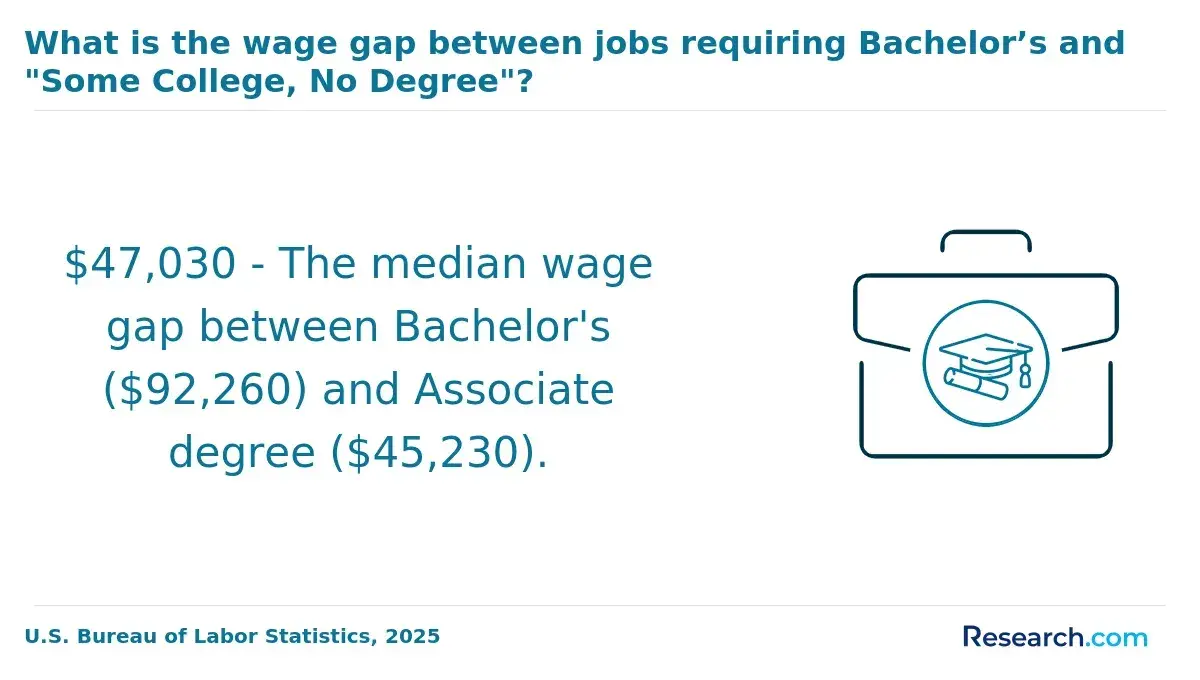
Given practical constraints, many weigh the tradeoffs between shorter, lower-cost associate degrees and the delayed but more robust investment of a bachelor's degree with internships. This decision shapes career trajectories amid the realities of balancing work, study, and financial demands common in human services career qualifications in the United States.
Programs integrating applied learning and practicum experiences not only improve employability but also align with industry demands. For professionals considering expanded scope or a pivot toward advanced roles, it may be useful to explore online human resource management masters programs as a strategic complement or alternative pathway.
Which human services degrees are best for career growth?
Specialized degrees in human services-particularly social work, counseling, and public health-offer significantly greater career mobility and earning potential than generalist associate programs. Roles requiring a Bachelor or Master of Social Work (BSW/MSW) typically include licensure eligibility, which opens pathways to clinical leadership positions with higher salaries. For instance, clinical mental health counselors with targeted certification can access expanded job markets and supervisory roles.
Associate degrees without specialization often result in lower wages and limited advancement, evidenced by the 10th percentile wage of $33,280 for social and human services assistants as reported by All Psychology Schools referencing BLS data. This wage floor illustrates structural barriers to growth that many entry-level workers face.
Employers prioritize candidates who complete degrees with applied internships in areas like healthcare or juvenile justice, as practical experience signals readiness for complex caseload management. For example, a Master's in Public Health (MPH) combined with fieldwork in community programs can outcompete generic human services degrees for policy or administrative roles.
Deciding between rapid entry through associate programs and the investment required for advanced credentials involves weighing immediate income needs against longer-term career leverage, including licensure and leadership eligibility. Navigating state-specific credentialing requirements is essential to avoid dead ends in career progression and to align educational choices with realistic job market outcomes.
Are online human services programs respected by employers?
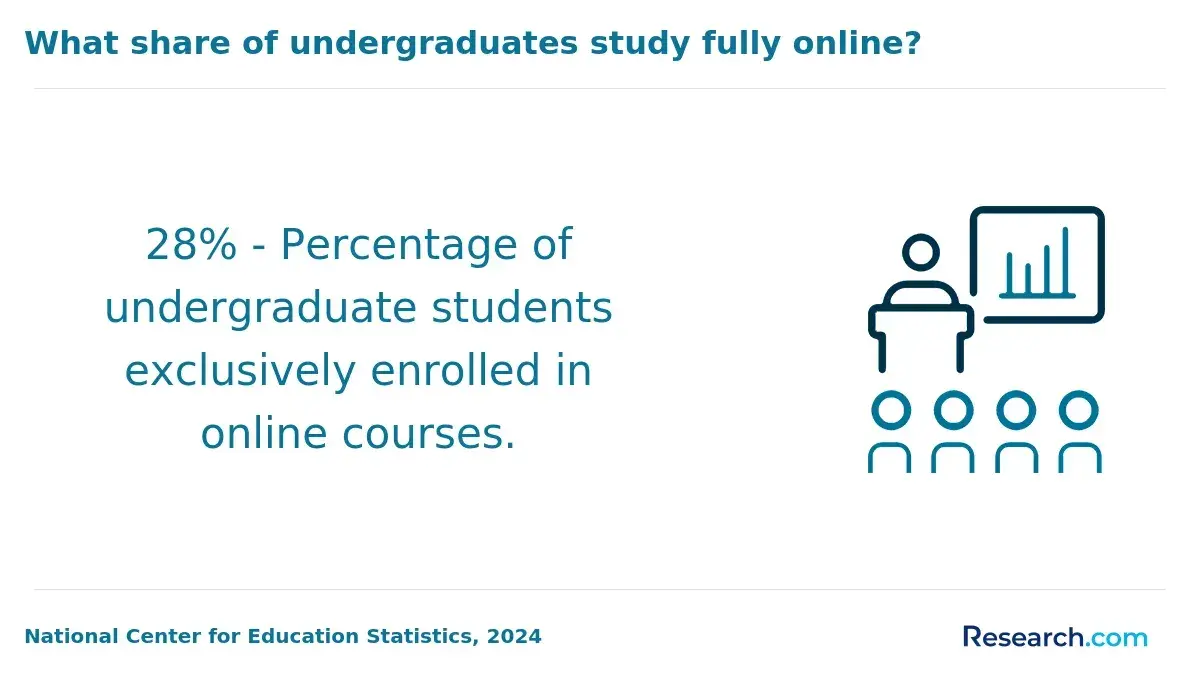
Employer preference in human services centers less on whether education is delivered online or in person and more on the program's ability to demonstrate verifiable competencies and relevant experience. For instance, in California, where the average human services worker earns $120,434, state agencies and nonprofits focus keenly on candidates' practical readiness over their education format. This creates a significant tradeoff for online graduates, who must actively secure internships or practicums to make up for fewer immediate fieldwork opportunities.
Key challenges for online students include employer scrutiny of institutional credibility-regionally accredited programs hold more sway-and the need to independently develop professional networks typically gained through campus interactions. Early-career professionals switching into human services remotely often need to supplement coursework with state certifications or supervised field hours to satisfy practical skill requirements in licensed roles such as social work or substance abuse counseling.
- Experienced workers leverage online learning strategically by blending new skills with established work portfolios and securing employer support like tuition reimbursement.
- Graduates succeed when programs integrate interactive case studies and mandatory supervised placements instead of purely asynchronous content, addressing employer skepticism.
Employers distinguish foundational knowledge from job-tested mastery, so credible evidence of both is essential. Selecting programs aligned with industry standards and offering applied experiences shapes not only employability but long-term career sustainability in human services fields.
What accreditation should a human services program have?
Graduating from a program accredited by the Council for Standards in Human Service Education (CSHSE) significantly influences employability and professional mobility in human services. Employers, especially in better-paying states like Arkansas where average salaries top $117,000, expect candidates to demonstrate competencies that only accredited programs reliably provide, such as ethics, client advocacy, and service coordination.
The absence of CSHSE accreditation often leads to regulatory and career obstacles. For instance, a social service manager position within a state health department commonly requires graduation from an accredited program to satisfy licensure rules and meet employer screening standards. Non-accredited pathways might seem cost-effective upfront but tend to limit access to federal financial aid, reduce credit transferability, and result in lower starting salaries or outright licensure denial.
Prospective students should consider whether program accreditation aligns with key certificates like the Human Services-Board Certified Practitioner (HS-BCP), which enhances credential recognition and wage potential.
- Accreditation ensures education meets employer and state regulatory expectations.
- Non-accreditation risks include reduced salary offers and restricted federal aid.
- State-specific salary variations underscore the value of recognized credentials.
Balancing educational costs against the long-term career impact of accreditation is critical. Candidates making strategic career moves or seeking advancement must weigh these tradeoffs carefully to avoid barriers that can persist regardless of work experience.
What classes are in a human services degree program?
Human services degree programs prepare graduates to manage multifaceted client needs by combining behavioral, social, and administrative expertise. Core curricula in counseling, case management, and social policy furnish foundational tools essential for practitioners dealing with issues ranging from mental health crises to substance abuse. Students must weigh the program's theoretical depth against practical demands, as many employers require supervised fieldwork that extends beyond classroom instruction.
Specializations create distinct operational focuses: for instance, an adolescent services track incorporates developmental psychology and juvenile justice, equipping workers to navigate youth-specific challenges and legal complexities; an elder care emphasis stresses gerontology and healthcare coordination, where understanding aging-related service networks is critical.
Proficiency in quantitative methods-like research design and data analysis-is increasingly sought after, enabling professionals to measure outcomes and comply with organizational reporting standards. Legal and ethical training in confidentiality and mandated reporting directly shapes daily practice and liability management across jurisdictional lines.
The average hourly wage for a human services worker is about $27.15, indicating moderate compensation relative to the responsibilities involved. Candidates should consider regional licensing requirements and certification pathways, as these impact employability and may require ongoing education. Overall, human services programs demand a balance between academic rigor, practical experience, and compliance knowledge to meet diverse employer expectations effectively.
What certifications or licenses help human services graduates?
Licenses and certifications directly shape employability and wage potential for human services graduates, especially in regulated or client-focused roles. For example, the Certified Human Services Professional (CHSP) credential often acts as a baseline for state agency employment, confirming essential competencies across diverse social assistance functions. Graduates pursuing counseling or clinical practice face a tradeoff: while licenses like Licensed Clinical Social Worker (LCSW) or Certified Alcohol and Drug Counselor (CADC) typically increase salaries by 15%-25%, they also demand ongoing supervision and continuing education, which can delay independent practice.
State-specific licensure requirements significantly affect workforce flexibility. A candidate aiming for child protective services may need a Child Welfare Specialist credential in one jurisdiction but not another, complicating mobility. In addition, roles adjacent to healthcare increasingly require specialized certifications such as Certified Case Manager (CCM) or Certified Rehabilitation Counselor (CRC), opening access to higher-paying positions in response to industry demand.
Employer hiring preferences reflect regulatory and funding demands, favoring professionals with active licenses. Graduates lacking certifications often compete only for entry-level or assistant positions, limiting income growth and advancement. The Bureau of Labor Statistics reports rising wages in state and local health and social assistance sectors, driven by investment in credentialed staff, emphasizing that valid certifications are not just formalities but practical economic differentiators.
- Certifications optimize employment options but require commitment beyond initial education
- Licensure portability varies widely, influencing career planning and geography
- Without certifications, candidates face structural barriers in competitive labor markets
What is the job outlook for human services careers?
Compensation growth for human services workers in public-sector roles reflects a nuanced labor landscape shaped by geographic disparities and agency funding. State and local government human services employees saw modest wage increases tied largely to expanding Medicaid programs and social safety nets, creating pockets of stronger job prospects and salary growth. Conversely, professionals in rural areas or underfunded agencies often face stagnant wages and fewer openings, a practical factor that must weigh heavily in career planning.
This variability requires candidates to align educational credentials with state-specific licensing and certification demands, as regulatory compliance affects both employability and earning potential. Employers increasingly favor proficiency in data management and outcome evaluation tools to demonstrate program impact, influencing promotions and salary trajectories more than general experience alone.
The decision to pursue a human services pathway includes balancing the relative job security and benefit stability of government roles with slower salary growth compared to certain nonprofit or private sectors. For example, a social worker in an urban Medicaid expansion state may secure steady wage increases and advancement opportunities, while a peer in a low-budget rural agency might see a less predictable career arc.
- Evaluating local labor market conditions is critical for targeted job searches and credential choices.
- Advanced certifications aligned with regional needs improve competitive positioning.
- Mastering outcome-focused data tools increasingly matters for career mobility and salary growth.
Other Things You Should Know About Human Services
Higher salaries in human services often correspond with increased caseloads and workload intensity, especially in state agencies or nonprofit settings. Workers in states with higher pay may face pressure to manage larger or more complex client volumes, which can impact job satisfaction and burnout rates. When evaluating salary offers, consider whether the compensation reflects a sustainable workload or if it comes with unrealistic expectations that could undermine long-term career stability.
Choosing between higher salary and stronger benefits requires evaluating total compensation rather than focusing solely on pay. States with moderately lower salaries may offer superior health benefits, retirement plans, or paid leave, which improve overall job security and financial well-being over time. Prioritize total value packages, especially if you plan a long-term career in human services, rather than chasing top line salaries that may not include adequate benefits.
Government roles often provide better job security, structured advancement, and consistent salaries but may involve bureaucratic constraints and slower promotions. Nonprofit jobs can offer more mission-driven work and flexibility but typically come with lower pay and less stability. Choose the sector aligned with your career priorities: job security and benefits favor government work, while nonprofits suit those valuing work impact despite financial tradeoffs.
References
- What Are My Career Options After a Course in Human Services? https://columbia.ca/career-options-after-a-course-in-human-services/
- Salary & Benefits Survey - Human Services Coalition https://hsctc.org/salary/
- CSHSE Accredited Programs https://www.cshse.org/cshse-accredited-programs
- Guide to bachelor's in human services | edX https://www.edx.org/bachelors/human-services
- Best Human Services Careers + Salary Outlook | HealthGrad https://www.healthgrad.com/mental-health/human-services/
- Highest-Paying Social Work Jobs By Location | Psychology.org https://www.psychology.org/social-work/highest-paying-states/
- Occupation Profile https://nccareers.org/occupation-profile/211093/1284
- Council for Standards in Human Service Education | Council for Higher Education Accreditation https://www.chea.org/council-standards-human-service-education
- Current and Projected Trends in Human Services https://humanswhoserve.wp.txstate.edu/current-and-projected-trends-in-human-services/
- The 10 Best States to Be a Social Worker in 2024 https://onlinedegrees.keuka.edu/blog/10-best-states-social-worker