2027 First Human Services Roles for Career Changers Entering Helping Work

Co-Founder and Chief Data Scientist
Securing an entry-level human services role often clashes with the immediate need for hands-on experience, leaving career changers in a catch-22: employers demand practical background while candidates lack field-specific credentials. This dilemma sharpens as 62% of adult learners in 2024 prioritize flexible, online study options that align with work and caregiving obligations, a trend confirmed by the National Center for Education Statistics. These learners face heightened risks of program dropout or delayed certification, which can stall their transition into helping professions. This article examines realistic first-role options and strategic credentialing paths tailored for career changers navigating this complex landscape.
Key Things You Should Know
- National Labor Statistics Project 12% growth in human services roles by 2032, but 60% of entry jobs require state certification, forcing career changers into 6-12 month credentialing tradeoffs delaying employment.
- Employers increasingly prefer candidates with practical case management experience; 58% of agencies report lower retention for hires lacking hands-on training, highlighting a critical workforce preparedness gap.
- Average tuition for accelerated human services certificates rose 18% since 2022, disproportionately impacting career changers without employer tuition assistance amid wage stagnation, complicating affordable upskilling.
What are the best entry-level human services roles for career changers with no direct experience?
Entry-level roles such as social and human service assistants, case aides, and community support workers offer practical footholds for adults changing careers without direct experience in human services. These roles typically require minimal formal education beyond a high school diploma and emphasize on-the-job training, allowing candidates to gain client-facing experience crucial for long-term employability.
For instance, a career changer entering community mental health might start as a social service assistant to build skills in client interaction before pursuing specialized credentials. Employment projections suggest steady growth, with social and human service assistants earning a median annual wage of $45,120 as of May 2024 and about 50,600 openings yearly. Employers prioritize candidates who demonstrate interpersonal resilience and stability over prior direct experience, making these positions accessible stepping stones.
Case aides in child welfare or eldercare provide experience in documentation and supervision but often require background checks and specific training, which can add time and logistical considerations in the transition. Federal and state programs may offer funded apprenticeships or training stipends, reducing financial entry barriers.
For those evaluating entry level helping professions for adults changing careers, these roles enable rapid workforce entry and skills development while allowing time to assess commitment before investing in advanced credentials. Candidates aiming for licensed social work roles should expect to pursue further education, such as a doctorate in social work, through DSW online programs, which build on early hands-on experience to enhance upward mobility.
What does "human services" mean and how is helping work different from social work or counseling?
Human services roles for career changers distinctly prioritize connecting individuals to tangible community resources over clinical intervention. Unlike social work or counseling, which involve licensed clinical practices and direct therapeutic relationships, human services professionals function as practical facilitators-helping clients access housing, employment, and healthcare services rather than delivering mental health treatment or behavioral therapy. For example, a worker in a workforce development agency guides clients through job training programs, while a social worker would create mental health care plans, and a counselor provides emotional and behavioral support.
Differences between helping work and social work extend beyond job functions to educational and credentialing requirements. Human services careers emphasize applied knowledge and organizational skills rather than clinical licensure. This means students and career changers focused on human services should seek programs geared toward resource coordination, client advocacy, and crisis response instead of clinically oriented curricula.
Employment in community and social service occupations is projected to grow substantially, with an expected 313,700 annual openings through 2034 and median wages above many occupations. Employers look for practical competence and cultural awareness without demanding clinical credentials. For those considering human services or counseling, assessing whether to pursue either a non-clinical applied path or a licensed clinical role is essential. Those interested in affordable online counseling programs may find distinct educational routes more suitable depending on their long-term vocational focus and client interaction preferences.
What education or training do I need to move into beginner human services positions?
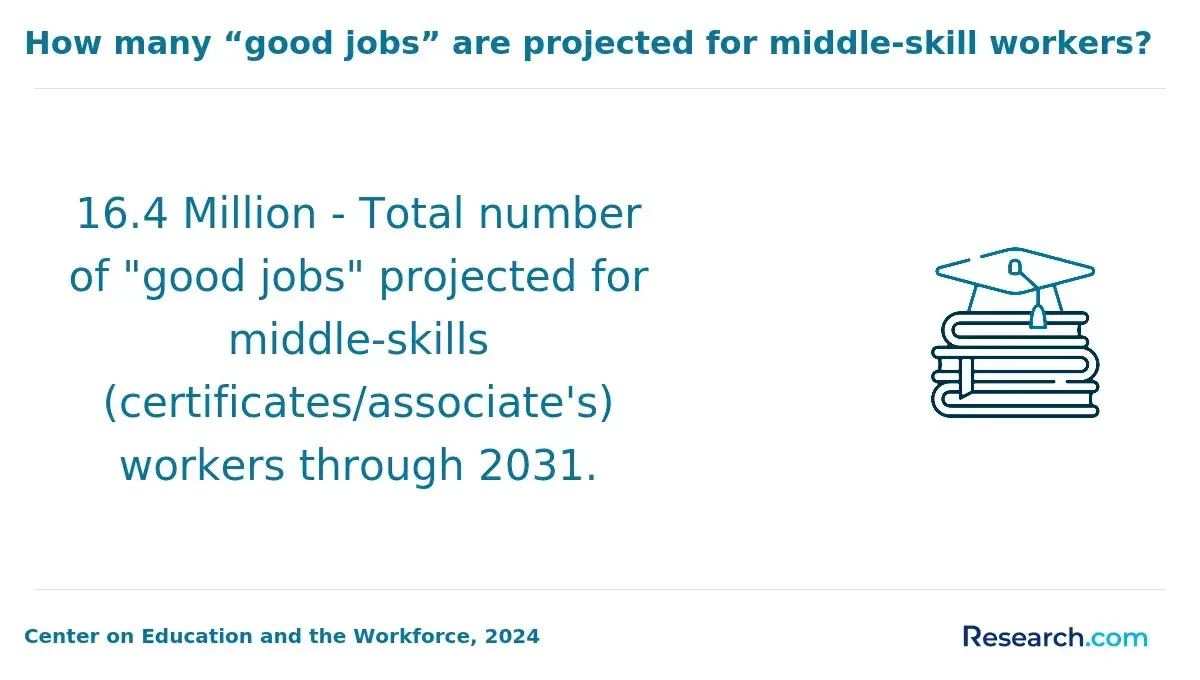
Entry-level human services positions typically require at least a high school diploma or GED combined with focused training in areas such as communication, crisis intervention, and client advocacy. For example, case aides or peer support specialists often qualify after completing short-term certificate programs lasting three to six months. These programs concentrate on foundational skills relevant to direct client work, documentation, and ethics. More advanced roles, such as community outreach coordinators or juvenile service assistants, increasingly demand an Associate of Applied Science (AAS) degree or comparable coursework from accredited human services or social work programs, reflecting employer preferences for formal education with practical application.
Employers prioritize candidates with hands-on experience; therefore, training programs for beginner human services careers that include field practicums or internships substantially improve job prospects through real-world exposure and professional networking. For those changing careers, accelerated degree options or competency-based pathways can shorten time-to-employment but often require prior relevant experience or demonstrable skills. Aligning training with regional labor market needs is critical as qualifications vary across agencies and states.
Applicants transitioning from unrelated fields must confirm their chosen programs cover confidentiality laws like HIPAA, cultural competency, and crisis de-escalation-standard prerequisites in onboarding. With nearly half of U.S. workers planning career shifts, selecting training with proper accreditation and employer collaboration is essential to compete effectively.
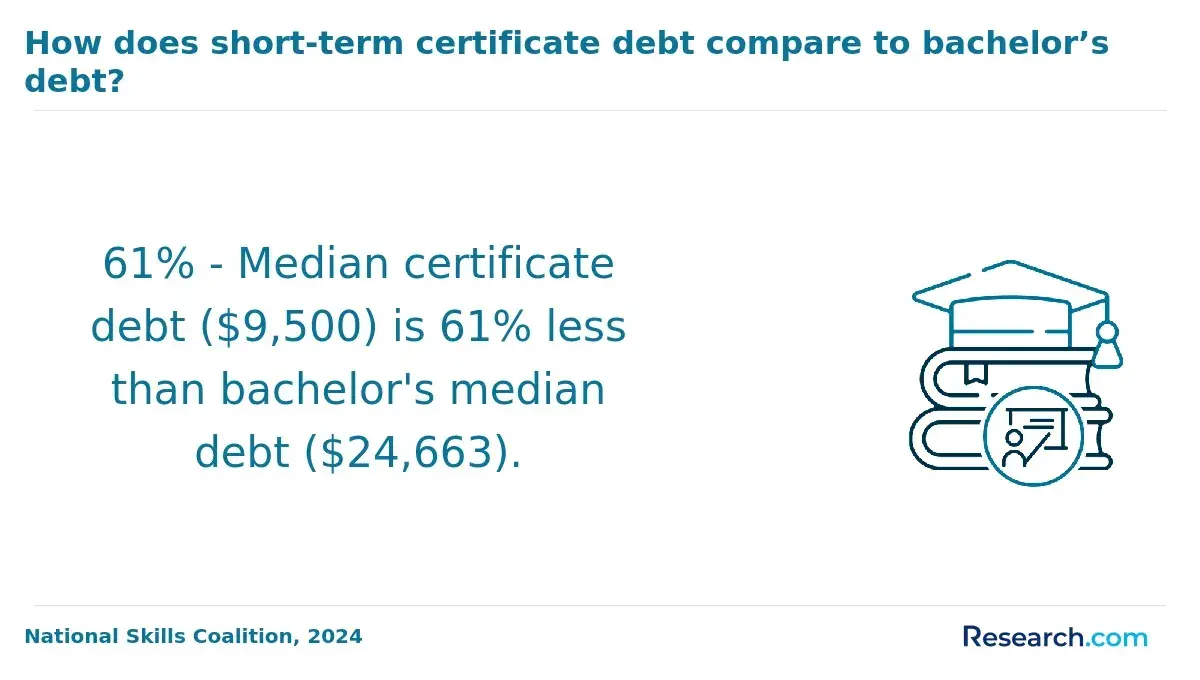
Tradeoffs include longer degree programs offering higher starting salaries but greater time and financial demands, whereas certificates provide faster entry but limited advancement. Candidates must weigh funding, available time, and supervised fieldwork opportunities to align their education with career goals. For those exploring advanced options, accelerated social work programs present a practical avenue for progressing beyond entry-level roles.
Which human services jobs are most realistic for career changers coming from business, education, or healthcare?
Practical entry into human services for career changers from business, education, or healthcare hinges on roles emphasizing transferable, skills-based qualifications over specialized degrees. This shift reflects a strategic recalibration: skills-based hiring rose sharply from 56% to 81% of employers between 2022 and 2024, prioritizing communication, organization, and client advocacy.
Professionals from business backgrounds can realistically transition into case manager positions. A former marketing manager, for example, leverages project management and budgeting skills to coordinate client intake and navigate government benefits without requiring a traditional social work degree. These roles often involve certification or targeted coursework rather than extensive academic retraining.
Educators are well suited for community outreach or program specialist roles, applying curriculum development and training expertise to design community awareness initiatives or youth education programs. These entry-level human services careers for career changers allow quick adaptation to diverse populations and communication needs.
Healthcare workers frequently move into health advocate or care coordinator positions, using clinical knowledge to support patient engagement or chronic disease management. Such roles demand familiarity with healthcare systems but lean heavily on interpersonal skills rather than advanced degrees.
Tradeoffs include wage ceilings and slower advancement compared to licensed social work roles, with typical entry paths requiring 6-12 months of focused training. Evaluating local labor markets and program outcomes is vital for those pursuing human services roles suited for professionals from business healthcare and education backgrounds. For a data-grounded perspective on related pathways, considering credentials like a social media marketing degree may also align with organizational outreach functions.
How do certificate, associate, and bachelor's programs in human services compare for first roles?
Choosing among certificate, associate, and bachelor's degree in human services involves balancing time, cost, and career aspirations against the realities of employer expectations and regulatory requirements. Certificates provide rapid entry-level preparation, targeting support roles such as personal care aides or human services assistants with median wages near $35,000 to $45,000. However, they rarely open pathways to supervisory or clinical positions without further credentials.
Associate degrees offer a practical middle ground: two-year programs that expand competency for roles like community health workers and entry-level social service positions, earning roughly $51,000 annually. These degrees combine hands-on skills and theoretical knowledge but do not meet licensing criteria for advanced counseling or therapy.
Bachelor's degrees demand more time and investment but enable access to licensed professions like social workers, substance abuse counselors, and marriage and family therapists, with median salaries ranging $59,000 to $64,000. Many employers and healthcare agencies specifically require this level for case management and counseling roles, especially where certification depends on supervised internships and clinical training.
- Immediate employment with lower barriers favors certificates or associates.
- Long-term flexibility and independent practice require bachelor's degrees.
- Trade-offs center on upfront education time versus access to licensure and wage growth.
A practical scenario: a career changer targeting substance abuse counseling should prioritize the bachelor's to meet certification, while those needing faster workforce entry might better pursue an associate, accepting limited advancement unless further education follows.
Can I qualify for first human services jobs with an online human services degree or certificate?
Online human services degrees and certificates can open doors to entry-level positions, but their practical value hinges on meeting accreditation and fieldwork standards that align with state licensing requirements. For example, personal care aides benefit from fast-growing job prospects-with 17.12% growth projected-but roles requiring licensure or state certification demand programs that include supervised clinical experience, which purely theoretical online courses often lack.
Healthcare-adjacent employers typically prioritize candidates with verifiable hands-on skills. When transitioning from unrelated careers, practical experience through local internships or volunteer work can offset gaps that online curricula alone may not address. Hybrid programs offering clinical placements generally enhance employability compared to fully remote degrees without direct client interaction.
Individuals pursuing direct caregiving roles, like home health aides, may find shorter certificate programs useful for meeting state-mandated training hours, yet must confirm these programs' accreditation and alignment with employer expectations to avoid delays in certification or hiring.
Key considerations to qualify effectively include:
- Confirming program accreditation recognized by state licensing boards.
- Securing clinical or field placements that provide documented hands-on experience.
- Reviewing employer hiring criteria for acceptance of online credentials.
- Choosing programs aligned with certifications that improve job competitiveness.
Ultimately, the credential's market relevance depends less on its online format and more on how well it integrates regulated standards and real-world experience, which are essential for navigating employer requirements and securing sustainable employment in human services.
How do I evaluate accredited human services programs that prepare graduates for entry-level roles?
Programs in human services with graduation outcomes tied to employer demands yield greater return on investment. Prioritize those reporting job placement rates above 60% within six months, verified by government labor data or institutional evidence. Required internships or clinical placements in relevant settings-community mental health centers, aging services, substance abuse programs-are essential for practical readiness and labor market integration.
The human services sector doubled in size from 2007 to 2027, but wages have stagnated, growing a mere 3% inflation-adjusted, while overall private employment saw 12% growth. Notably, wages in home health care declined by 10% according to the Institute for State and Local Governance (CUNY). This disparity demands that prospective students weigh program costs against likely entry-level salaries, especially when comparing certificate, associate, or bachelor degree pathways where credential level influences employer preference.
Programs aligned with National Organization for Human Services (NOHS) core standards-covering crisis intervention, cultural competency, and ethical decision-making-better prepare students for credentialing exams like the Human Services-Board Certified Practitioner (HS-BCP), which significantly enhances employability in urban and rural markets.
Candidates juggling full-time work or family responsibilities should consider offerings with online or hybrid formats paired with structured practicum support to bridge training and employment without undermining skill acquisition.
Before enrollment, collecting region-specific employer feedback on program responsiveness to evolving workforce needs is critical to avoid mismatches between education and job market realities.
What skills and coursework help me transition quickly into frontline helping roles?
Effective frontline human services training must prioritize applied competencies over theoretical breadth to meet employer demands swiftly. Core skills include client assessment tools, ethics, and documentation proficiency, aligning with critical day-one tasks for roles like case aides or support specialists. For instance, applicants preparing for community health coordinator positions need a firm grasp of HIPAA compliance and motivational interviewing to comply with regulations and build client trust. Programs stressing trauma-informed care, crisis intervention, and case management techniques better position graduates for immediate employability.
Soft skills, such as cultural competence and conflict resolution, frequently determine success in diverse, high-pressure settings. Practical experience-ideally through supervised internships exceeding 100 hours-bridges the gap between classroom knowledge and workplace realities, enhancing job readiness. Compressing this training into less than 12 months requires balancing credential recognition with content rigor, a challenge especially relevant for career changers targeting rapid income gains or field shifts, as Apollo Technical's 2026 data shows 39% of them seek higher pay.
Programs offering direct pathways toward certifications like Certified Human Services Professional (CHSP) assist in overcoming career entry barriers and support upward mobility beyond entry-level roles. However, students must critically evaluate how program design interfaces with local regulatory demands and workforce expectations to avoid investing in credentials that lack practical application or employer recognition.
What starting salaries, benefits, and schedules can I expect in entry-level human services jobs?
Entry-level human services positions offer salaries typically between $30,000 and $40,000 annually, with variation linked to location, employer type, and job specifics. A social and human service assistant might start near $31,000 but can earn over $40,000 in high-cost urban centers. Beyond salary, benefits packages differ substantially: government agencies and larger nonprofits generally provide health insurance, retirement plans, paid leave, and employee assistance programs, whereas smaller organizations may offer limited benefits initially.
The practical implications of these tradeoffs can be critical for career changers. For example, a 35-year-old entering a government-funded community health program might prioritize stable hours and comprehensive health coverage to support work-life balance. Conversely, a nonprofit role with lower pay but greater schedule flexibility could accommodate additional education or supplemental work. However, many positions require fixed, in-person schedules, complicating childcare and transportation logistics.
Workforce growth for social and human service assistants is projected at 8% over the decade through 2033, creating roughly 48,400 openings annually driven mainly by retirements and mid-career transitions. Employers increasingly value applicants with certifications or associate degrees, equating these credentials with readiness that can command better starting wages and benefits as competition intensifies.
- Typical workweeks range from 35 to 40 hours, often including nights, weekends, or on-call duties in direct care roles.
- Preparation with recognized certifications influences job market competitiveness and compensation levels.
- Location and employer type critically shape total compensation and work-life pattern feasibility.
How can early human services roles lead to licensed counseling, social work, or leadership careers?
Entry-level roles in human services represent a critical juncture where practical exposure directly influences licensure trajectories, often determining the speed and feasibility of credential attainment. Positions like behavioral health technicians or community outreach workers are not mere stepping stones but gatekeepers requiring strategic selection aligned with licensing demands and graduate education plans.
For instance, a prospective licensed social worker must prioritize roles that allow client interaction and supervised case management, typically found within child welfare agencies or community nonprofits. Administrative jobs lacking supervised client engagement may extend the timeline to licensure by limiting supervised hours necessary for clinical credentials.
Human services workers gain frontline experience navigating systemic challenges and cross-sector collaboration-skills indispensable for leadership roles that nevertheless necessitate advanced degrees and supervisory experience beyond entry-level. A nuanced tradeoff exists: early roles offer relevant exposure but often fall short of management prerequisites, compelling intentional pursuit of graduate credentials in fields like public administration or counseling.
Projected openings averaging 281,600 annually through 2032 reflect sustained demand, yet leveraging early roles for long-term career timing requires balancing immediate job functions against state-mandated licensure requirements. Effective progress necessitates choosing positions with licensed supervision, aligning competencies with regulatory standards, and embedding graduate studies into career planning.
Other Things You Should Know About Human Services
Entry-level human services roles often involve heavy caseloads with high paperwork demands alongside direct client interaction. Workers face emotional stress from managing crises, trauma, and constant problem-solving under time constraints. Understanding these pressures is vital because burnout rates are significant; prioritizing positions with structured supervision and access to mental health support improves sustainability in the role.
Certificate programs provide foundational knowledge and can qualify candidates for some frontline roles, but employers frequently prefer associates or bachelor's degrees for better job stability and advancement potential. Certificates often limit candidates to lower pay grades and fewer benefits, which impacts long-term career growth. For those aiming at stable employment, prioritizing degree programs or hybrid credentials usually offers a better return on investment.
Employer expectations differ widely across government, nonprofit, and private sectors, influencing required qualifications and skills emphasis. For example, some prioritize experience closely aligned to specific populations, while others focus on generalist case management skills. Prospective entrants should research dominant employers in their target area and weigh whether to invest in specialized training or versatile credentials to align with market demands.
References
- What Are My Career Options After a Course in Human Services? https://columbia.ca/career-options-after-a-course-in-human-services/
- Transitioning Careers: Tips for Making a Smooth Change | LRO Staffing https://www.lrostaffing.com/transitioning-careers-tips-for-making-a-smooth-change/
- Is a Human Services Degree Right for You? https://www.ucumberlands.edu/blog/is-a-human-services-degree-right-for-you
- Social Work vs. Therapy https://socialworklicensemap.com/social-work-careers/social-work-vs-therapy/
- Human Services vs. Social Work: A Brief Comparison | Rasmussen University https://www.rasmussen.edu/degrees/human-services/blog/human-services-vs-social-work/
- What is Human Services https://www.nationalhumanservices.org/what-is-human-services/
- Why Choose a Career in Human Services? https://sunriseservicesinc.com/why-choose-career-human-services/
- 2022 NASW Texas Hybrid Conference - Job Board https://www.naswtx.org/page/JobBoard
- Human services offers work with purpose and meaning - JRI | Justice Resource Institute https://jri.org/news/human-services-offers-work-purpose-and-meaning/
- Top 20 Healthcare Jobs You Can Start Without a Degree https://nextgenlearning.org.uk/top-healthcare-jobs-without-degree/