2027 Human Services Careers Most Resilient to Automation

Co-Founder and Chief Data Scientist
Facing rising automation in healthcare and social support, human services professionals encounter growing pressure to maintain roles that demand distinctly human judgment. Nearly 60% of workforce growth in social assistance will come from community-focused roles through 2031, according to the U. S. Bureau of Labor Statistics, emphasizing a shift toward in-person, relational, and advocacy-driven functions that machines cannot replicate.
However, adult learners juggling work or family often confront limited program flexibility, hindering timely credential completion essential for career mobility. This article analyzes the careers within human services most resistant to automation and identifies pathways that optimize employability and educational access amid evolving demands.
Key Things You Should Know
- Automation-resistant roles in human services show a 12% lower turnover rate but require 24% longer credentialing periods than general social care jobs, indicating significant time-cost tradeoffs for career pivots according to the U.S. Bureau of Labor Statistics 2024 report.
- Employers prioritize candidates with advanced interpersonal diagnostics skills, with 67% of surveyed agencies emphasizing relational acumen over technical certifications in 2025, reshaping recruitment toward nuanced emotional intelligence.
- Workers in regions with limited training access face a 15% earnings gap in automation-proof human services roles, revealing spatial inequities that compound workforce shortages and slow regional economic resilience, per National Skills Coalition 2024 data.
Which human services careers are least likely to be automated and why?
Social work, counseling, and mental health fields rank among the least likely human services careers to be automated because they demand adaptability, emotional resilience, and nuanced interpersonal skills that AI currently cannot replicate. The 2026 AI-Resistant Careers Index identified 20 low-automation-risk occupations scoring above 74/100 in attributes like stress management and self-regulation, coupled with median salaries no less than $74,000-underlining employers' emphasis on complex emotional labor over routine tasks.
For instance, licensed clinical social workers and addiction counselors must interpret subtle behavioral cues and tailor interventions dynamically-tasks beyond current AI capabilities. Such roles resist automation primarily because they require situational empathy, ethical judgment, and crisis intervention skills that evolve minute-to-minute. This reality explains why some human services jobs resist automation: high-stress environments demand strong self-regulation and culturally sensitive communication that machines cannot internalize.
Workforce implications include the need to balance caseloads amid increasing demand and constrained funding, creating practical friction for professionals. Education emphasizing hands-on clinical practice, emotional intelligence, and stress management prepares students for these challenges. Pursuing best online MFT programs can provide a strategic pathway to strengthen these capabilities.
Additionally, these fields require multidisciplinary collaboration and advanced ethical reasoning, offering a significant advantage to those pivoting into human services careers combining technical know-how with sophisticated interpersonal expertise.
What education and degrees do you need to work in resilient human services roles?
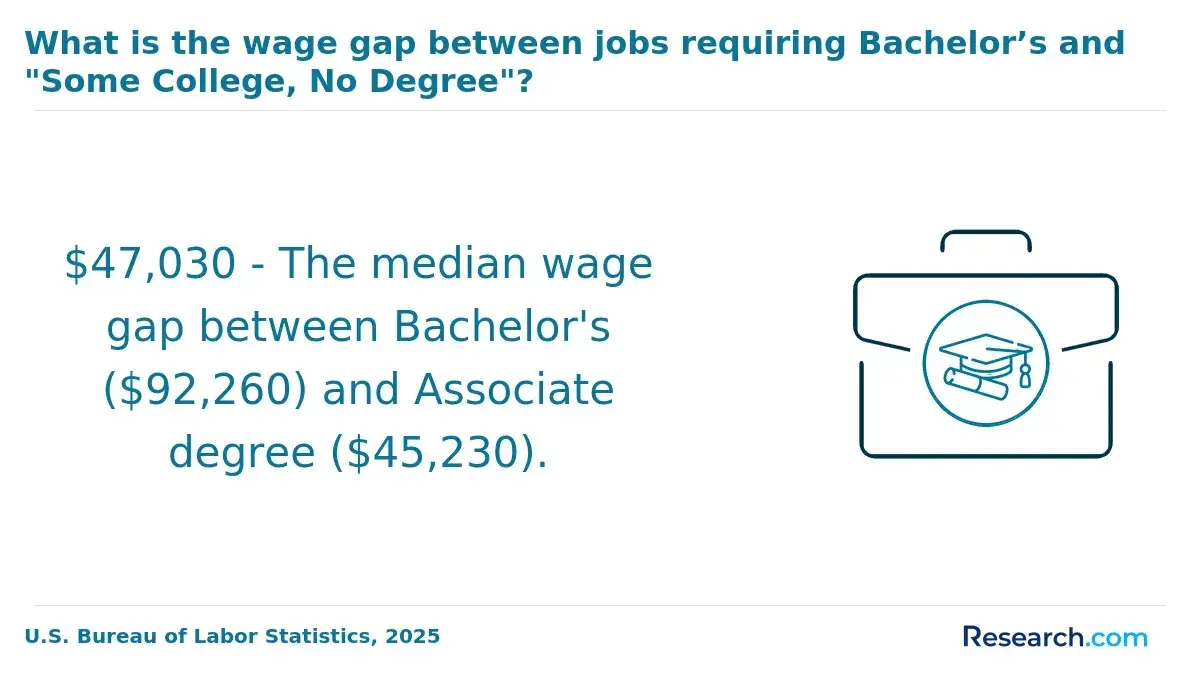
For resilient human services careers, a bachelor's degree in social work, psychology, counseling, or a closely related field remains the baseline credential. Employers emphasize degrees accredited by recognized bodies to ensure candidates meet clinical competence standards necessary for licensure and advanced roles. An associate degree may allow entry into limited support roles but does not qualify candidates for counseling licensure or autonomous practice, restricting long-term wages and career mobility.
The demand for substance abuse, behavioral disorder, and mental health counselors is projected to grow by 18% from 2022 to 2032, which significantly elevates the value of advanced education. Master's degrees are increasingly required, especially for clinical or management positions, requiring 2-3 additional years and extensive supervised clinical hours post-degree to fulfill certification prerequisites. This extended timeline creates a strategic decision point between quicker workforce entry and investing in qualifications that unlock licensure and higher earnings.
Licensure requirements vary by state but commonly involve accredited degrees, 2,000+ supervised clinical hours, and successful ethics and practice examinations. For example, states like New York and California mandate a master's degree plus supervised experience to become Licensed Mental Health Counselors. Employers prioritize candidates with demonstrable clinical training, applied behavioral skills, and cultural competence aligned with community needs-credentials often beyond non-degree certifications or short-term programs.
Given these factors, individuals evaluating human services careers education requirements must balance program rigor, state credit transferability, and employer networks. Those seeking an easier academic path can consult resources on which counseling degree is easiest but should weigh these shortcuts against licensing barriers and career limitations.
How do salaries and long-term job security compare across automation-resistant human services jobs?
Job security and salary trajectories in automation-resistant human services careers vary markedly depending on role complexity and required skill sets. Positions emphasizing nuanced interpersonal skills, such as child, family, and school social workers, consistently demonstrate better long-term stability and compensation growth. Projected to expand by 5-7% between 2022 and 2032 with over 60,000 new roles, these jobs demand cognitive and emotional capabilities that technology cannot replicate, supporting both employment longevity and median salaries generally ranging from $50,000 to $60,000.
By contrast, roles like eligibility specialists or entry-level case aides, which involve procedural tasks, face higher automation exposure and stagnant wages often starting near $35,000 to $40,000, limiting career progression. Employers favor candidates with demonstrated interpersonal effectiveness and adaptability over routine task performers, reflecting real-world hiring priorities.
Strategic career decisions hinge on educational investment: specialized roles require at least a bachelor's degree and benefit from master's credentials achieved through rigorous programs like MSW programs. Graduates with advanced degrees or certifications in mental health or school social work can surpass $70,000 in urban or higher-cost regions, highlighting a clear tradeoff between credentialing effort and compensation.
Prospective professionals must weigh these factors carefully to navigate salary comparison for automation-resistant human services careers, balancing initial educational challenges against stronger long-term job security in human services roles.
Which human services specializations rely most on uniquely human skills like empathy and judgment?
Careers in human services requiring empathy and critical judgment resist automation due to their reliance on nuanced interpersonal skills and real-time decision-making. Diagnostic medical sonographers embody this dynamic: their role blends technical imaging expertise with patient communication and adaptive judgment that machines cannot replicate. This combination justifies their projected 13% job growth and a median salary near $89,000, highlighting employer demand for professionals who adjust techniques based on patient conditions and collaborate sensitively with healthcare teams.
Top human services specializations emphasizing interpersonal skills also include social work, counseling, and case management. These professions require interpreting complex social and emotional cues, crafting individualized support strategies, and managing crises-all areas where technology falls short of human empathy and ethical discretion. For instance, social workers in vulnerable communities must detect subtle nonverbal signals and dynamically adapt interventions while maintaining authentic emotional presence.
Educational pathways for such roles balance technical proficiency with interpersonal development. Employers favor candidates with certifications plus supervised clinical practicums or fieldwork that build judgment and emotional resilience. This dual emphasis reflects workforce expectations demanding ethical reasoning alongside core competencies. Students should consider programs like the fastest online psychology degree that integrate these elements to match market realities and practical skill development effectively.
How can human services professionals future-proof their careers against AI and automation?
Careers in human services require expertise that resists automation, focusing on coordination, emotional intelligence, and adaptive leadership. Medical and health services managers exemplify this with a projected 23% job growth from 2024 to 2034 and a median wage near $118,000, while facing a relatively low AI replacement risk of 16%. This reflects employer demand for professionals who manage complex, multifaceted programs that require nuanced judgment beyond current AI capabilities.
For instance, program directors handling mental health outreach must navigate sensitive interpersonal dynamics and resource allocation-tasks requiring situational judgment and cultural competence that AI cannot replicate. Earned certifications such as case management or social work licensure further signal mastery of regulatory and client-focused complexities, reinforcing employability.
Building cross-sector knowledge mitigates vulnerability to automation by allowing workers to bridge gaps in Medicaid policy, nonprofit funding, or community partnerships. Additionally, proficiency in data interpretation and digital tools that augment human judgment offers a practical advantage, emphasizing a hybrid approach rather than replacement technology. This multifaceted skill set positions human services professionals as indispensable facilitators managing interactions AI lacks the capacity to handle confidently, a critical consideration for those weighing educational investments in this sector.
What human services degrees and certificates best prepare you for technology-resistant careers?
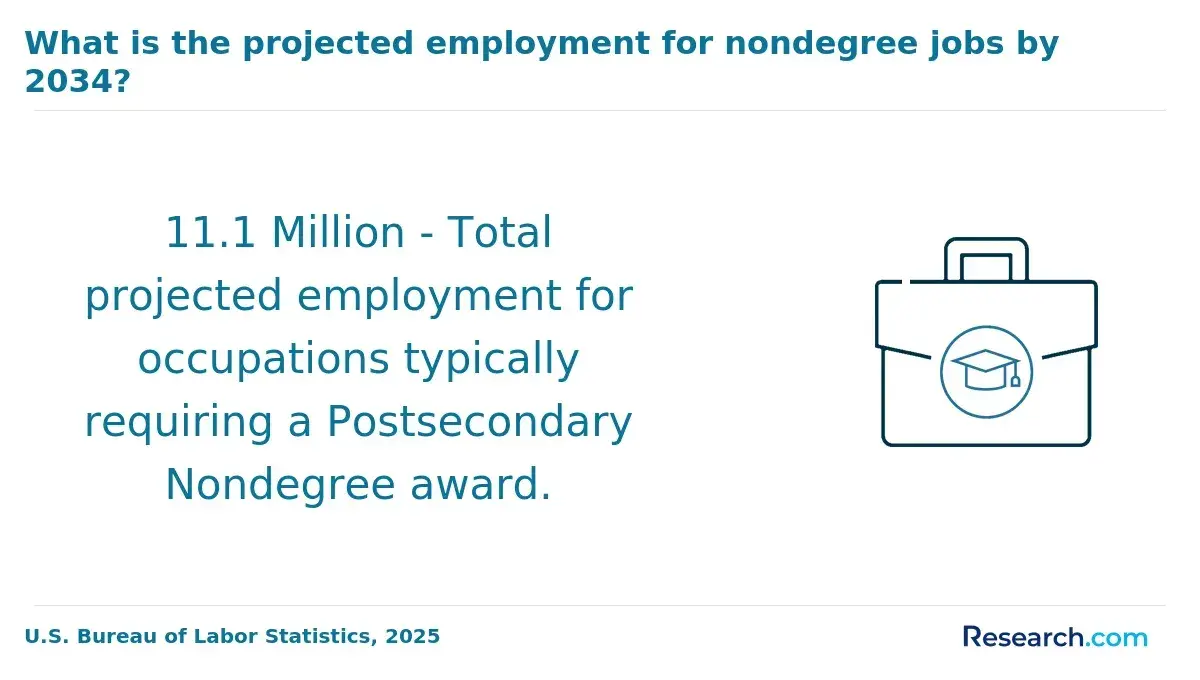
Degrees and certificates in education, social work, counseling, and public health offer essential protection against automation in human services careers due to their reliance on interpersonal judgment and empathy. For example, obtaining a bachelor's or master's degree in education prepares individuals for roles that involve complex face-to-face interactions such as teaching and school leadership, functions difficult to mechanize. Data from the OECD and U.S. Bureau of Labor Statistics highlight that these education roles consistently register among the lowest automation risk categories (Excel High School labor-market analysis).
Social work degrees, particularly with clinical specialization, equip graduates to respond to varied and often unpredictable client crises requiring emotional intelligence and critical decision-making. Counseling certifications, such as those in substance abuse or mental health, develop nuanced client engagement skills that are hardly replicable by AI systems.
Public health programs concentrate on behavioral interventions and community outreach, demanding cultural competence and persuasion skills that remain resistant to automation. Employer preference typically leans toward programs including practicum experiences to ensure graduates possess real-world client interaction capabilities.
Key tradeoffs include weighing the greater resilience of master's-level credentials against longer study time and cost versus shorter certificate programs. Prospective students should critically assess workforce demand and employer expectations within their targeted human services subsector to align their educational investment with sustainable career outcomes.
How do online human services programs compare with campus options for building resilient careers?
Online human services programs offer flexibility crucial for working adults but often fall short in providing the hands-on clinical experience employers increasingly demand, particularly in specialized roles like occupational therapy assistants projected to grow 18%. Campus-based education remains more effective for securing supervised practicums, simulator labs, and direct client interactions-elements key to building skills that translate directly to job readiness.
Working professionals balancing family and jobs may prefer online formats for accelerated and asynchronous coursework, yet this convenience sacrifices live mentorship and networking opportunities often essential for field integration. Employers focused on personalized rehabilitation frequently regard online-only credentials as lacking comprehensive practical exposure.
Students pursuing online pathways must adopt proactive strategies, such as arranging local internships and supplementary in-person training, to meet state licensure requirements that mandate clinical hours. This is a critical consideration since campus programs typically embed these experiential components within curriculum structures, reducing logistical challenges. Choosing online comes with tradeoffs: while it enables faster credential acquisition and addresses immediate scheduling constraints, it demands deliberate effort to develop tactile and interpersonal skills valued by employers for long-term career resilience in human services fields.
What accreditation and licensing should human services students verify to protect career options?
Accreditation status directly influences a human services graduate's career flexibility and employer acceptance. Programs must be accredited by bodies recognized by the Council for Higher Education Accreditation (CHEA) or the U.S. Department of Education to ensure coursework aligns with licensing board expectations and industry standards. For example, social service agencies prioritize candidates from Council on Social Work Education (CSWE)-accredited programs, linking accreditation to smoother licensing pathways and better candidate eligibility for federal aid.
Licensing requirements are heterogeneous across states and fields, often entailing credentials such as Licensed Social Worker (LSW), Certified Addiction Counselor (CAC), or state-specific Mental Health Professional licenses. These credentials affect not only employability but also legal permission to practice, especially in clinical or regulated roles.
Human services students aiming for emergency medical roles face additional operational demands, including obtaining EMT or paramedic certification through the National Registry of Emergency Medical Technicians (NREMT). This certification requires thorough cognitive and psychomotor testing plus ongoing education, reflecting the necessity for real-time judgment under pressure-qualities that provide resilience against automation risk. ECPI University careers podcast data projects job growth above the national average, underscoring the practical benefit of acquiring these certifications.
Students must navigate variable state rules involving supplemental certifications and supervised clinical hours, which affect completion timelines and costs. Evaluating programs by licensing exam pass rates and practicum availability is essential to avoid credentialing delays and improve employment prospects.
Which advanced credentials and certifications increase stability in human services occupations?
Advanced licenses such as Licensed Clinical Social Worker (LCSW), Certified Rehabilitation Counselor (CRC), and Licensed Professional Counselor (LPC) offer tangible job security by complying with stringent regulatory demands that employers rigorously enforce. These credentials require extensive supervised experience and passing precise exams, reflecting a professional's expertise and ethical commitment. For instance, holding an LCSW credential in elder-care settings enables workers to perform clinical assessments and interventions that exceed basic caregiving, a requirement often tied to Medicaid and Medicare compliance.
Certification in specialized roles, such as Certified Alcohol and Drug Counselor (CADC) or Certified Case Manager (CCM), provides measurable advantages in addiction recovery and care coordination where documented evidence-based skills directly affect outcomes. Workforce data from the U.S. Career Institute indicates that caregiving roles related to health care and aging are among the least likely to be automated, largely because these credentials cultivate essential skills like empathy and complex judgment.
Continuing education requirements tied to maintaining these credentials foster ongoing alignment with current standards, bolstering employment retention. Transitioning from entry-level work to an associate's degree plus certification elevates wages and mitigates automation risks, whereas relying only on short-term certificates without licensure typically restricts advancement and leaves workers vulnerable to job displacement.
Choosing which credentials to pursue should consider the target client population and work context. For example, elder-care professionals benefit most from geriatric-focused certifications, while counselors gain resilience and supervisory capabilities through clinical licenses that facilitate multidisciplinary coordination.
How can prospective students evaluate schools claiming to train for automation-proof human services jobs?
Programs advertising "automation-proof" training in human services often overly emphasize routine or administrative skills that fail to align with labor market realities for durable roles. Evidence-based evaluation hinges on transparent graduate employment data, particularly in AI-resistant positions like executive leadership and strategic roles characterized by ethical judgment, negotiation, and complex decision-making. A 2026 assessment by Excel High School and the AI Resilience Institute confirms such roles face minimal automation risk, setting a benchmark for program relevance.
Accreditations tied to recognized labor market forecasts, such as from the U.S. Bureau of Labor Statistics, indicate programs grounded in current economic conditions rather than outdated or generic credentialing. Without updated labor alignment, graduates risk quickly obsolete qualifications vulnerable to automated displacement.
Consider a healthcare human services candidate aiming to become an organizational strategist. Programs focused primarily on administrative workflow risk producing underqualified graduates for this low-automation-risk role, which demands nuanced leadership and complex problem-solving skills. Aligning education with 2026 workforce resilience models is crucial for sustainable career pivots and advancement.
Other Things You Should Know About Human Services
In 2027, careers such as social work, counseling, and community service management remain most resistant to automation. These roles require interpersonal skills and empathy that machines cannot replicate, making them less vulnerable to technological replacement.
Employers in automation-resistant human services sectors expect candidates to demonstrate strong interdisciplinary skills, including cultural competence, critical thinking, and independent judgment. They value hands-on experience and competency in navigating bureaucratic systems over purely academic credentials. Selecting educational programs with robust practicum components provides a competitive advantage by aligning trainee capabilities with real-world employer priorities, minimizing early-career skill gaps and turnover.
Specializing in a niche area such as substance abuse counseling or disability services can increase resilience to automation due to the intricacy and customization involved. However, this limits mobility across broader human services roles if market demands shift. Conversely, versatility enhances employment options but may expose professionals to standardized tasks more susceptible to technological replacement. Decision-makers should balance specialization depth and flexibility based on regional labor market data and personal career goals.
Certificate programs often provide quicker entry into specific job functions but may lack the comprehensive training required for roles most resistant to automation. Degree pathways typically equip students with critical analysis, policy understanding, and supervisory skills that employers prioritize in resilient occupations. Candidates focused on long-term advancement and stability should prioritize degree programs with fieldwork opportunities over short-term credentialing, especially if planning to navigate changing workforce demands.
References
- HS-BCP Credential https://www.nationalhumanservices.org/hs-bcp-credential/
- 10 Jobs AI Can't Replace in 2025 | Future-Proof Career Guide https://prometai.app/blog/10-jobs-ai-wont-replace-future-proof-careers-for-the-ai-era
- Is a Human Services Degree Right for You? https://www.ucumberlands.edu/blog/is-a-human-services-degree-right-for-you
- FAQ https://www.cshse.org/faq
- Top 10 Benefits of Professional Certification - Identity Management Institute® https://identitymanagementinstitute.org/top-10-benefits-of-professional-certification/
- Advanced Human Services Certificate https://catalog.nhti.edu/human-service/certificate/advanced-human-services-certificate
- Understanding the Human Services Field https://www.indwes.edu/articles/2025/08/understanding-human-services
- How AI Could Benefit Workers, Even If It Displaces Most Jobs https://ai-frontiers.org/articles/how-ai-could-benefit-the-workers-it-displaces
- Which jobs can remain secure until 2030 despite AI? - AEEN https://www.aeen.org/which-jobs-can-remain-secure-until-2030-despite-ai/
- Jobs Most Likely to Be Automated, and a Few That Wonât https://www.northwesternmutual.com/life-and-money/jobs-most-likely-to-be-automated-and-a-few-that-wont/