2027 Online Human Services Degrees With Service-Oriented Career Alignment

Co-Founder and Chief Data Scientist
Frontline professionals in human services face escalating demands to deliver effective support amid increasingly complex social challenges and tight budgets. Yet many struggle to balance rigorous work schedules with securing credentials that align directly with evolving employer expectations. Enrollment data from the National Center for Education Statistics shows that nearly 40% of adult learners seek flexible, fully online degree options-reflecting a shift toward education models that accommodate career breaks, caregiving, and geographic constraints.
This trend underscores the growing need for programs combining accessibility with curricula that ensure graduates enter roles prepared for service-driven impact, not just academic completion. This article analyzes online human services degrees aligned specifically with service-oriented career pathways to guide strategic educational choices that optimize both timing and professional advancement.
Key Things You Should Know
- Online human services degrees exhibit a 15% shorter average completion time at public institutions, yet this acceleration often reduces clinical practica hours, complicating licensure eligibility per Council for Standards data.
- Employers prioritize graduates with integrated trauma-informed care and case management skills; the National Workforce Report 2024 links these competencies to 27% higher initial hire rates in social service agencies.
- Tuition inflation rates exceeding general higher education by 6% annually for online programs strain working professionals, deterring enrollment unless employer tuition assistance offsets the disproportionate cost-burden reported by the National Postsecondary Education Cooperative.
What is an online human services degree and how does it prepare you for service-oriented careers?
Selecting an online human services degree program requires weighing employer expectations for both theoretical knowledge and hands-on skills, such as cultural competence, ethical decision-making, and crisis intervention. Graduates must demonstrate these in roles like social work assistants or community outreach coordinators, where they navigate complex client needs and systemic challenges. For instance, a vocational rehabilitation counselor leverages insights from program evaluation courses to adapt client plans responsively, a skill honed through programs that integrate supervised practicum experiences essential for licensing and credibility.
The labor market outlook confirms sustained demand, with community and social service occupations projecting approximately 313,700 annual job openings from 2024 to 2034. This growth, fueled by high turnover and aging populations, underscores the advantage of gaining practical experience during study. However, balancing coursework with existing responsibilities remains a significant hurdle. Programs that offer asynchronous delivery and flexible pacing better accommodate working professionals aiming to prepare for service-oriented human services careers without sacrificing depth.
Prospective students should scrutinize program accreditation and alignment with credentialing pathways like Certified Human Services Professional (CHSP) to ensure licensure viability. Given the practical demands and employment realities, comparing these programs with options like the best online master's of social work programs may illuminate suitable pathways for those targeting broader clinical or policy-oriented careers.
How do online human services degrees compare with on-campus programs for flexibility, quality, and outcomes?
Online human services degrees vs on-campus flexibility and quality reveal important tradeoffs tied to student needs and employer demands. Online programs provide unmatched scheduling freedom, enabling working professionals to maintain employment and navigate caregiving roles while studying asynchronously. This flexibility can be critical given the 8% job growth expected for social and human service assistants from 2023 to 2033. However, online learners face challenges securing in-person internships or practicum placements, which are essential for demonstrating tangible skills to employers.
Career outcomes of online human services programs compared to traditional campus pathways hinge largely on practicum experience verification. Graduates of on-campus programs often benefit from supervised, locally monitored fieldwork required by certain regulated agencies. Meanwhile, many community nonprofits weigh demonstrated competencies more than delivery mode, favoring adaptable candidates who can prove practical application through accredited practicum sites. The choice between online and campus formats thus depends on targeted employment settings and credentialing rigor.
Decision-makers should consider these factors:
- Online degrees offer superior schedule adaptability but require proactive pursuit of quality practicum opportunities to ensure employability.
- On-campus or hybrid models simplify compliance and facilitate professional networking, benefiting candidates aiming for roles with strict oversight.
What types of online human services degrees exist and which level best fits your career goals?
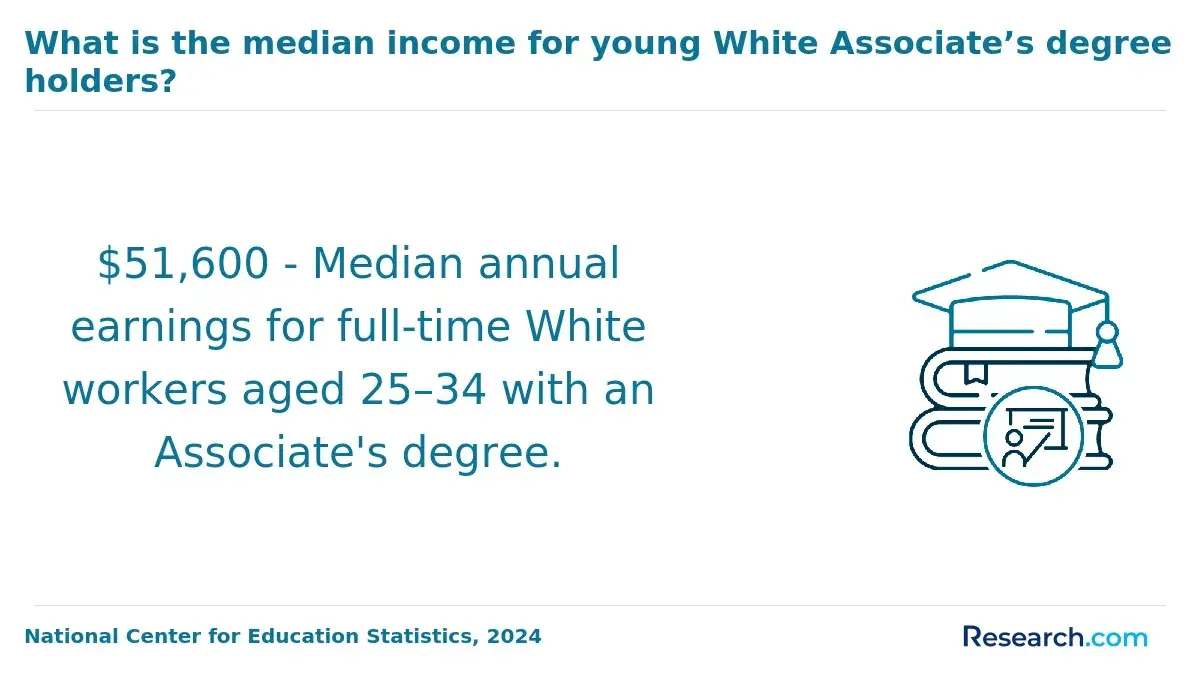
Choosing between an associate, bachelor's, or master's degree in online human services degree types and career pathways requires clear alignment with realistic job market demands and professional goals. Entry-level associate degrees typically take two years and prepare students for direct support roles like case aides or community outreach technicians; however, they impose a ceiling on advancement, especially for supervisory or specialized work.
Bachelor's degrees extend beyond foundational skills, providing eligibility for frontline case management, counseling, and supervisory roles within nonprofit or government sectors. This four-year track is increasingly demanded for positions such as social workers or program coordinators and often incorporates practicum experience to cement practical competence.
Master's degrees position graduates for leadership or specialized clinical roles, including social and community service managers or clinical supervisors. According to the U.S. Bureau of Labor Statistics, managers in this realm reported a median annual wage of $78,240, significantly exceeding the $57,530 median across social service occupations. This differential illustrates the tangible wage return for those pursuing advanced credentials but entails greater time and financial investment.
The best human services degree level for professional goals hinges on weighing immediate employment needs against long-term career trajectories. For licensed or program design positions, a bachelor's or master's is often indispensable. Working professionals targeting this transition may explore MSW online programs as a credible path for clinical and leadership advancement.
How can you verify that an online human services program is properly accredited and reputable?
Employers and licensing boards commonly require credentials from institutions accredited by recognized regional or national agencies approved by the U.S. Department of Education or the Council for Higher Education Accreditation. Programs lacking this baseline institutional accreditation face significant hurdles in graduate employability and professional credentialing, reflecting a practical barrier that prospective students must weigh carefully when checking reputation and accreditation of online human services degrees.
Beyond institutional credentials, accreditation or endorsement from specialized bodies such as the Council for Standards in Human Service Education (CSHSE) signals alignment with industry curriculum standards and readiness for professional practice. Transparency about graduation rates, job placement, and licensure exam performance further distinguishes programs with verifiable outcomes from those that only offer generic assurances.
Cost-effective learning is also critical: for example, while the typical off-campus degree-seeker at an in-state four-year college paid an average $15,200 in 2022-2023, some programs charge around $460 per credit, saving students over $1,000 annually. This pricing context is integral when evaluating the return on investment for online offerings, including a 2-year psychology degree online option that may intersect with human services career pathways.
Prospective students should confirm the availability of supervised fieldwork or practicum components, as employers frequently regard hands-on experience as indispensable despite completion of theoretical coursework. Contacting professional human services organizations for program reputation and verifying institutional support services are practical steps toward informed decision-making.
What courses and specializations are typically included in an online human services curriculum?
Online human services programs prioritize practical skills that align with labor market demands, emphasizing applied counseling techniques, case management, and ethics over purely theoretical knowledge. For example, students specializing in addiction counseling must master specific assessment tools and rehabilitation strategies, improving job prospects in community health environments. This hands-on competency is often validated through supervised practicum hours, which serve as a critical bridge between academic learning and employer expectations for proven client interaction capabilities.
Curriculum design typically integrates training in cultural competence and trauma-informed care, responding to the diverse and complex needs of clients today. However, the requirement for local agency partnerships to complete practicum placements can pose logistical challenges, especially for students in less populated or rural areas, limiting program accessibility despite the asynchronous format of many online courses.
Graduates are prepared for roles requiring resource navigation and interagency collaboration such as community outreach coordinators or policy advocates. Cost considerations remain significant: Florida State College at Jacksonville charges $3,495 per year in-district and $6,812 out-of-district, ranking it among the lowest-tuition options nationally according to OnlineU's 2026 affordability rankings. This price point can lower debt burdens for working adults who need to balance education with employment and family obligations.
What admission requirements and application materials do online human services programs usually expect?
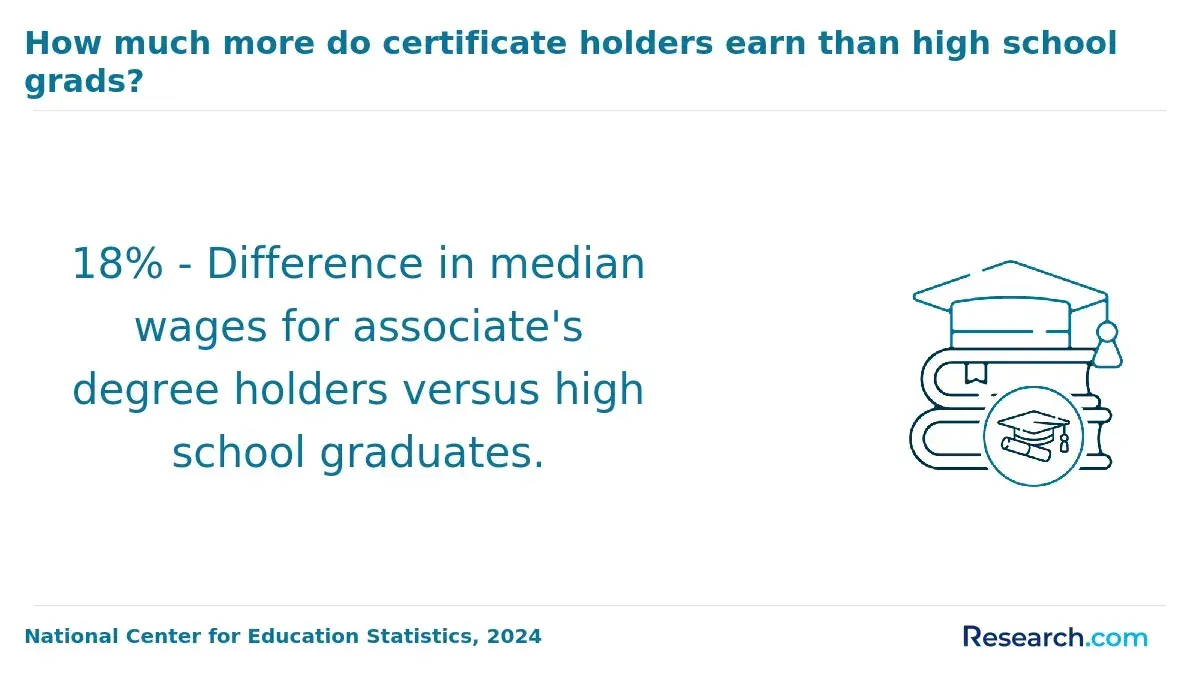
Applicants to online human services programs face distinct expectations that shape both admission success and career trajectories. For bachelor's degrees, institutions typically demand a high school diploma or GED plus transcripts confirming at least a 2.5 GPA, though competitive programs may set higher benchmarks. The shift away from mandatory standardized tests like the SAT or ACT, especially for transfer or adult learners with relevant experience, reflects workforce realities valuing practical skills over test scores.
Graduate level entry hinges on holding a bachelor's in a related field, with supporting materials emphasizing applicants' career focus and hands-on experience. Two recommendations that attest to critical thinking and client engagement are often required, alongside background checks when clinical exposure to vulnerable populations is involved. These prerequisites align with employer demands for professionals who can navigate complex social environments responsibly.
Application dossiers usually include resumes showcasing community service or healthcare roles, distinguishing candidates with direct human services exposure-a factor directly linked to employability and income potential. Salary data from TheBestSchools' 2026 analysis shows bachelor's holders average $39,000 annually, while masters earn approximately $57,000, illustrating the economic return of advanced credentials coupled with field experience.
Prospective students should account for diverse admissions timelines and rigorous documentation processes. Those pivoting careers can enhance admission chances by emphasizing volunteer or paid human services roles, which may compensate for weaker academic records and expedite entry into selective online programs.
How long do online human services degrees take and what do they typically cost?
Completing an online human services degree requires balancing time, cost, and professional goals, with programs varying significantly in duration and financial investment. Associate degrees generally take around two years, bachelor's programs three to four years, and master's degrees 18 to 24 months full-time, often longer for part-time students. This timeline affects when graduates can re-enter the workforce or access salary increases, especially given the intensive demands of accelerated tracks.
Cost disparities reflect institutional type and degree level: public universities typically charge $7,000 to $15,000 annually for undergraduate programs, while private schools often exceed $20,000 per year. Master's programs usually run $15,000 to $30,000 total, with additional expenses for mandatory practicums and internships critical for licensure and applied skills.
Employers in fields such as social work, community outreach, and mental health prefer candidates holding master's degrees with demonstrated field experience, which also correlate with reported graduate earnings from approximately $48,000 to near $70,000 annually. This wage range illustrates a tangible return on investment for advanced study, though part-time students face delayed financial benefits.
What service-oriented jobs can you get with an online human services degree?
Job growth in social and community service management and assistant roles-projected at 8% through 2033-reflects a labor market poised to demand professionals who can either lead complex programs or provide direct client assistance. Those aiming for management positions must develop skills in administration, grant writing, budgeting, and program evaluation, often requiring experience beyond entry-level jobs. In contrast, social and human service assistants engage more directly with clients, connecting them to resources and delivering hands-on support, but face limited advancement opportunities without further credentials.
A typical scenario involves a working professional targeting leadership in nonprofit sectors needing to balance education with developing strategic planning capabilities, while another individual might pursue assistant roles to gain immediate client-facing experience through internships or volunteering. Both tracks require familiarity with case management software and compliance with state licensing, which vary widely by employer location and sector focus.
The decision between these roles carries operational tradeoffs: managers navigate complex organizational responsibilities with longer preparation timelines, while assistants often confront constrained progression but faster entry. Those evaluating an online human services degree must assess these distinctions against personal circumstances and local market demands to align education and experience strategically. For detailed labor market projections and role analysis, refer to data compiled by edX, citing the U.S. Bureau of Labor Statistics.
What is the salary potential and job outlook for human services professionals in different settings?
Salary prospects for human services professionals depend heavily on the employment setting, with median wages ranging from about $35,000 in nonprofit or community contexts to over $60,000 in healthcare and government roles. Entry-level positions in nonprofits often offer lower pay due to limited budgets, whereas agencies with stricter licensure or specialized requirements tend to provide higher compensation, sometimes exceeding $70,000 for certified clinical social workers or counselors in areas like juvenile justice or mental health.
Those weighing educational investments should consider the significant cost differentials between online programs charging under $400 per credit and traditional four-year campuses averaging $15,200 annually, affecting debt burden and return on investment. Remote learning pathways can reduce initial financial strain, making credential attainment more accessible for working adults.
Hiring trends indicate roughly 10% growth over the next decade, driven by rising demand in mental health and aging population services. However, competition remains intense, especially for leadership roles in nonprofits. Practical tradeoffs include balancing lower startup wages in community settings against potential wage growth in healthcare, where ongoing credential maintenance is expected. Geographic context also matters; urban centers may offer better salaries but come with higher living costs.
Do human services roles require licensing or certification, and how can an online degree help you qualify?
Entry-level human services roles rarely require state licensure but typically necessitate certification or specialized training tied to the work environment. For instance, social and human services assistants usually qualify with a high school diploma or associate degree, but advancing to roles like case management or clinical social work demands credentials such as Licensed Social Worker (LSW) or Certified Human Services Professional (CHSP). Employers in healthcare, child welfare, and substance abuse treatment prioritize candidates with certifications attuned to those settings. An online human services degree equips students with foundational knowledge and often meets eligibility criteria for certification while accommodating workforce responsibilities.
Online programs commonly include practicum or internships in local agencies, essential for supervised training hours required by licensing bodies. Compared to traditional formats, the flexibility in pacing and updated curricula helps students meet evolving state licensure standards. For example, aspiring Licensed Clinical Social Workers benefit from bachelor's or master's online degrees that incorporate supervised fieldwork.
The median salary for social and human services assistants was $45,120 as of May 2024, with projected 8% job growth through 2033. This growth signals a rising demand for certified practitioners and makes credentials critical for advancing to supervisory or specialist positions. Without certification, advancement opportunities and salary potential remain constrained.
Choosing a program aligned with certification prerequisites and featuring partnerships for field placement streamlines licensure preparation. Prospective students should prioritize accreditation and state credit transferability to avoid delays.
Other Things You Should Know About Human Services
Online human services degrees often struggle to replicate the direct client interaction and real-time problem-solving found in in-person settings. Programs that integrate mandatory in-person practicums or closely supervised fieldwork ensure skill development aligns with employer expectations. Prospective students should prioritize programs with clear, structured arrangements for supervised experiences, as purely virtual internships may fail to provide adequate practical training.
The workload in online human services programs matches or sometimes exceeds that of traditional programs due to condensed modules, asynchronous deadlines, and the need for self-directed study. Students must be disciplined in managing time and assignments without immediate instructor oversight. Choosing programs with balanced pacing and accessible faculty support reduces dropout risks linked to workload mismanagement.
Without specialization, graduates may face limited expertise in niche areas, potentially impacting their ability to compete for specialized roles. A lack of focus can lead to broader, less targeted skill sets, which might not align with job market demands that often require specific competencies.
Yes, because employer partnerships can directly impact job placement and networking opportunities after graduation. Accreditation ensures the program meets industry standards critical for credential recognition and eligibility for certain certifications. Career changers should give precedence to programs that combine solid accreditation with active employer engagement, as this alignment facilitates smoother transitions into service-oriented roles and reduces job search friction.
References
- High-demand social work roles in California: trends and opportunities https://socialwork.pacific.edu/blog/high-demand-social-work-roles-california-trends-and-opportunities
- Bachelor of Arts in Human Services | Whitworth Online https://online.whitworth.edu/human-services/
- Online Degree Programs from GMC Online https://online.gmc.edu/programs/bachelor-of-applied-science-in-human-services/
- Associate Degree in Human Services Online | Indiana Wesleyan University https://www.indwes.edu/program/as-human-services/
- Online Degree vs. Traditional: Choosing the Right Path https://beal.edu/online-degree-vs-traditional/
- Which Colleges Offer an Online Human Services Master's? https://www.gograd.org/online-masters-programs/best-human-services-degrees/
- Guide to bachelor's in human services | edX https://www.edx.org/bachelors/human-services
- Types of Social Workers: Exploring the Many Fields in Which They Serve https://www.umassglobal.edu/blog-news/types-of-social-workers
- Online Associate in Human Services | AcademicEarth.org https://academicearth.org/associate-in-human-services/
- Human Services Degree Online | Bachelor in Human Services https://www.montreat.edu/online/human-services/