2027 Program Coordinator Roles You Can Target With a Human Services Degree

Co-Founder and Chief Data Scientist
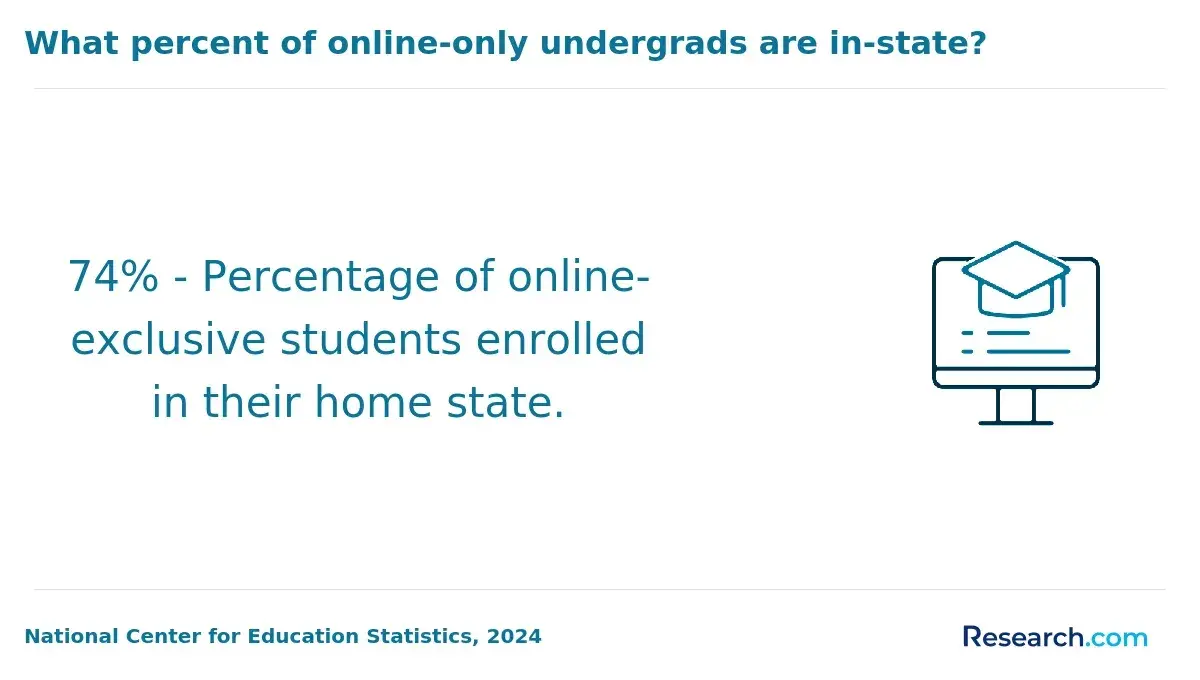
Securing a program coordinator role within human services often hinges on navigating a complex landscape of part-time study options, employer expectations, and varied credentialing pathways. With nearly 40% of adult learners enrolled exclusively in online or hybrid formats according to the National Center for Education Statistics in 2024, accessibility shapes not just program choice but career timing and advancement potential. This trend signals a shift toward balancing workforce demands with flexible learning, yet it also demands keen evaluation of how different pathways align with evolving job scopes, supervision requirements, and sector-specific competencies. This article identifies program coordinator positions suited for human services degree holders and explains how to strategically align education choices with practical career outcomes.
Key Things You Should Know
- Demand for program coordinators with a human services degree grew 15% from 2022 to 2024 per the Bureau of Labor Statistics, but employers increasingly prioritize candidates with dual expertise in digital case management, tightening hiring pools.
- Employers report 48% turnover within two years for coordinators lacking trauma-informed training, indicating credential gaps significantly affect role retention and program continuity in social service agencies.
- Average degree completion times extend beyond four years for working adults due to practicum and certification requirements, elevating direct and opportunity costs and influencing candidates to weigh accelerated programs versus comprehensive curricula.
What jobs can you get with a human services degree?
Graduates with a human services degree often qualify for program coordinator roles that demand not only client-centered expertise but also administrative acumen. Positions such as case management coordinator or youth outreach coordinator require navigating complex compliance standards, multidisciplinary collaboration, and funding procurement. These responsibilities mean candidates must balance frontline engagement with extensive grant writing, reporting, and regulatory documentation.
Demand for these roles grows substantially, with the U.S. Bureau of Labor Statistics projecting a 9.1% increase in community and social service jobs from 2022 to 2032-nearly triple the average growth rate across occupations. This reflects a heightened need for professionals who can manage expanding initiatives addressing mental health, homelessness, and child welfare.
Career opportunities in human services program coordination vary significantly by setting. For example, substance abuse program coordinators in nonprofit centers must integrate strict confidentiality protocols with clinical feedback, while municipal youth outreach coordinators emphasize data-driven community engagement and stakeholder communication. Targeted internships and certifications like Certified Case Manager (CCM) can be crucial to meeting these distinct employer expectations.
Professionals considering a pivot or advancement should evaluate the tradeoffs of administrative workload versus direct service, and may benefit from combining their degree with specialized credentials. For those exploring educational options, an addiction counseling online degree can complement a human services degree by expanding qualification for specialized coordinator positions.
Which program coordinator roles fit a human services degree?
Program coordinator positions for human services graduates require balancing nuanced client needs with administrative rigor, an area where typical human services degrees often fall short. Core roles like social services coordinator or grant program coordinator demand fluency in resource allocation, compliance tracking, and inter-agency collaboration, skills seldom emphasized enough in standard curricula.
Employment prospects in grantmaking and nonprofit sectors are expanding at 12.2% over a decade, outpacing overall economic growth, signaling rising demand for coordinators who can integrate human services expertise with program management and funding proficiency. For instance, a grant program coordinator managing community health initiatives must align operations tightly with grant compliance while ensuring measurable outcomes, a responsibility that merges advocacy with technical reporting.
Practically, this means human services degree coordinator job opportunities often hinge on acquiring specific project management and data-tracking abilities. Supplementary certifications like Certified Nonprofit Professional or targeted grant writing training are increasingly prerequisites to remain competitive. Employers also expect familiarity with compliance software and outcome measurement frameworks, requiring continuous skill adaptation.
Targeting program coordinator roles within the grantmaking sector or public social services agencies aligns well but involves juggling diverse stakeholders and multitasking, underscoring critical communication demands beyond foundational human services training. Prospective students should also consider the advantages of affordable pathways when supplementing their skillset, such as evaluating the cheapest online school counseling programs (CACREP-accredited) for related competencies.
Do program coordinator jobs require licensure or certification?
Program coordinator licensure requirements in the United States vary widely depending on the employer, sector, and state regulations. While many nonprofit and community-based roles may hire candidates holding a bachelor's degree in human services or related fields without additional credentials, positions with clinical oversight or direct counseling duties generally demand state licensure or specific certifications, such as Licensed Social Worker (LSW) or Certified Alcohol and Drug Counselor (CADC). Ignoring these distinctions when applying risks disqualification or lower salary offers.
For instance, a youth program coordinator focusing on educational initiatives may prioritize proven management skills rather than certification, whereas coordinators managing substance abuse programs must meet stricter certification mandates tied to funding and legal compliance. This dynamic shapes both job eligibility and long-term employability.
Certification options for human services program coordinators often include credentials like the Certified Program Planner (CPP) or those issued by the Center for Credentialing & Education, which lend measurable credibility in specialized areas. Candidates should consider that state-mandated continuing education requirements affect career sustainability and advancement opportunities.
Labor market projections from the U.S. Bureau of Labor Statistics anticipate 9.4% growth for social and human service assistant roles between 2022 and 2032, adding roughly 35,400 jobs. For those weighing further education, exploring online MSW programs can provide flexible pathways to licensure and specialization while balancing work commitments.
Strategically evaluating these credentialing demands and their practical impact is essential to avoid obstacles and maximize gains in this complex and varied field.
What coursework prepares you for human services program coordination?
Effective courses for human services program coordination focus on applied skills in client assessment, case management, and organizational operations. Core psychology and sociology classes ground students in behavioral patterns and community contexts, enabling tailored interventions. For instance, developmental psychology knowledge is essential when designing age-specific support within youth mental health services. This practical orientation aligns with the growing behavioral health market, forecasted to rise from $90.5 billion in 2022 to $156.3 billion by 2030, demanding coordinators who can adapt programs responsively.
Specialized coursework in program planning and evaluation equips students to implement initiatives that flexibly respond to shifting community needs or funding flows. Meanwhile, training in ethics and cultural competence addresses workforce challenges like diverse populations, stigma, and language barriers, which directly affect outreach effectiveness. Administrative skills in budgeting, grant writing, and data management complete the picture, reflecting employer expectations for coordinators to navigate nonprofit or government complexities.
Students should weigh the availability of practicum or internship components seriously. Hands-on experience in multidisciplinary teams is a key differentiator for employer readiness and future adaptability in typically fast-paced, resource-constrained environments. Prioritizing programs with these elements alongside theoretical coursework supports an efficient transition to the workforce and realistic understanding of on-the-ground challenges.
Prospective students exploring human services program coordinator coursework may benefit from reviewing colleges with accelerated psychology programs to optimize their educational pathway.
How do online and campus human services programs compare?
Program coordinators working with vulnerable populations-such as those addressing homelessness-rely heavily on hands-on skills cultivated through campus human services programs. These programs enable in-person training via labs, simulations, and immediate faculty interaction, fostering stronger crisis management and observational skills essential for rapid, real-world response. For instance, coordinating outreach for homeless individuals requires dynamic interpersonal engagement best developed through direct practice in campus settings.
In contrast, online human services programs emphasize accessibility and flexibility, appealing particularly to employed professionals who must balance coursework with job responsibilities. However, the asynchronous nature demands considerable self-discipline and limits opportunities for live feedback, which can hinder skill development for roles requiring nuanced emotional intelligence and quick problem-solving during field crises.
Employers facing increased homelessness-reflected in a 12% rise in individuals experiencing homelessness on a single night, according to the U.S. Department of Housing and Urban Development's 2023 Annual Homeless Assessment Report-value coordinators with practical crisis training often found in campus programs with integrated field placements. Those pursuing online degrees must proactively secure comparable community-based experiences to meet these job demands, a challenge that can slow career entry or progression.
Key factors to weigh include:
- Access to local internships and practicum sites
- Networking with agencies providing real-time community engagement
- Capacity to develop immediate interpersonal and crisis response skills
Which accreditation matters for human services degree programs?
Accreditation status decisively shapes employment outcomes for human services graduates. Employers and credentialing entities prioritize recognized accreditation to verify that coursework aligns with professional standards and supports credit transfer-factors crucial for licensure eligibility and career mobility. For instance, programs accredited by the Council for Standards in Human Service Education (CSHSE) or regional bodies like the Higher Learning Commission meet the rigorous expectations of employers and certifying organizations. Graduates from nonaccredited or solely nationally accredited programs typically face restricted access to state licensure and advanced roles.
In practical terms, candidates aiming for roles in disability support-where 13% of Americans report disabilities-must often graduate from CSHSE or regionally accredited programs, as these credentials indicate compliance with stringent client safety and ethical protocols. Conversely, entry-level nonprofit positions may accept less stringent accreditation, though these roles rarely lead to supervisory or clinical responsibilities.
Professionals shifting careers should weigh state licensing prerequisites closely. Accreditation influences the need for additional certifications, which incur time and financial costs and potentially delay employment. Employers use accreditation as a straightforward signal of validated skills and ethical readiness critical to sensitive human services environments.
- Accredited coursework eases credit transfer and advanced education access.
- Licensure eligibility hinges on recognized accreditation, varying by state and specialty.
- Nonaccredited programs limit advancement and increase retraining burden.
What admission requirements do human services programs usually ask for?
Admission requirements for human services programs frequently involve navigating real-world barriers tied to employment in sensitive settings. A high school diploma or GED is the minimum credential, but many programs still require standardized test scores, though some waive this due to evolving academic policies. Background checks remain a decisive factor, especially for placements involving vulnerable populations, such as individuals recently released from incarceration. In 2022, roughly 463,000 people were released from U.S. prisons, directly impacting program eligibility and reinforcing curriculum components focused on ethics and confidentiality.
Programs often demand letters of recommendation and personal statements that reflect a candidate's lived insight into social equity issues. Prior volunteer or work experience in social services strongly influences admissions, particularly for accelerated tracks or advanced standing. Prerequisite coursework in psychology, sociology, or criminal justice is frequently required, pinpointing readiness for complex client engagement.
Practical considerations include managing the documentation burden of criminal background screening and balancing fieldwork hours with other commitments. For example, workers supporting reentry initiatives must meet strict site-specific access protocols, which affect scheduling and learning formats. These operational constraints represent tangible tradeoffs against eligibility for roles that address the reentry population's reintegration challenges, as documented by authoritative labor statistics.
How long does a human services degree take and cost?
Choosing between a bachelor's and a master's degree in human services hinges on realistic job expectations and financial constraints. Bachelor's programs, typically four years, align with entry-level roles like case management or community outreach coordination, offering quicker labor market entry but limiting salary growth. Master's degrees require two additional years, often necessary for clinical, supervisory, or licensed positions, particularly in school or healthcare settings with stringent credential demands.
Costs vary widely: public in-state bachelor's tuition averages around $10,000 annually, while private institutions may exceed $30,000. Graduate tuition ranges from $15,000 to $40,000 per year depending on institution and delivery mode. Part-time or online enrollment extends time to degree completion but accommodates working professionals balancing multiple commitments.
Current workforce shortages magnify urgency. For example, public schools face a social worker ratio of 1,110 to 1, far beyond the recommended 250 to 1, pressuring candidates to meet credentialing swiftly. This dynamic forces practical tradeoffs between speed, cost, and credential level.
- Accelerated degree options and credit transfer help reduce time and expenses.
- Employer tuition support can ease financial burdens but may come with work obligations.
- Without these, part-time paths may double usual completion times, delaying professional progression.
Given these factors, prospective students must weigh targeted career roles against cost, time investment, and workforce demand realities when selecting a human services educational path.
What salary can program coordinators with human services degrees expect?
The salary range for program coordinators with human services degrees varies widely due to several operational factors, including geographic location, sector, and specific job functions. Entry-level roles in nonprofit or smaller community organizations often start around $40,000 annually, while coordinators in government or large healthcare systems typically exceed $60,000. Targeting specialized functions, such as managing community health projects, can yield higher compensation given the expanding demand for prevention-focused programs.
Growth projections for community health workers-roles that overlap with many human services coordinator positions-anticipate a 14.1% increase from 2022 to 2032, outpacing general occupational growth by over fourfold. This shift suggests rising competition and opportunity, particularly in urban centers or under-resourced rural areas. Employers increasingly value coordinators skilled in budget management, compliance, and measurable outcomes.
Developing expertise in data-driven reporting and grant writing has tangible salary impacts; coordinators securing federal health funding report 10%-15% salary advantages over peers. However, geographic pay disparities persist, with states like California and New York offering premiums that reflect higher living costs, contrasting with midwestern and rural regions where salaries tend to be lower but work-life balance may improve.
Beyond base salary, total compensation often includes benefits such as loan forgiveness, healthcare, and retirement plans. Prospective students and professionals must weigh these factors alongside immediate income when considering the degree's strategic value.
What job outlook do human services program coordinators have?
Demand for program coordinators in human services increasingly hinges on demographic realities and the adaptability required by evolving service delivery models. The U.S. Census Bureau forecasts a 47% increase in the population aged 65+ by 2050, creating heightened need for coordinators skilled in managing services tailored to aging clients across healthcare, senior support, and community agencies.
Practically, a coordinator working in elder care juggles resource management, client intake, and cross-agency collaboration while maintaining compliance with funding rules and quality benchmarks. This role is expanding beyond traditional agency silos, requiring fluency in emerging care frameworks such as home-based programs and telehealth solutions.
Employment growth in social and community service management is projected at 12% through 2032, exceeding average occupational growth, yet job availability varies widely due to fluctuating regional budgets and organizational capacity constraints.
To navigate these complexities and improve employability, candidates benefit from cross-sector experience, technological proficiency in digital service platforms, grant writing abilities, and skills in data management and community outreach.
Key workforce considerations include balancing specialized knowledge for populations with diverse needs-such as disability or rehabilitation services-and responding to evolving employer expectations that emphasize both coordination skills and digital literacy in a landscape shaped by regulatory and funding dynamics.
Other Things You Should Know About Human Services
Employers in human services program coordination prioritize practical experience over academic credentials alone, especially in mid-level positions. While a degree provides foundational knowledge, hands-on experience managing programs, coordinating with stakeholders, and understanding community resources directly impacts job performance. Candidates without relevant fieldwork or internships often face steeper challenges securing roles, so prioritizing programs with integrated practicum components enhances employability.
Specializing narrows your job prospects but can lead to higher demand and better pay within niche sectors like substance abuse, mental health, or youth services. A generalized human services degree offers more flexibility across roles but may leave you competing in a larger applicant pool with less targeted expertise. For career longevity and advancement, focus on specializations aligned with local or emerging community needs, balancing immediate access to jobs against longer-term growth potential.
Key skills include empathy, leadership, and effective communication. Additionally, strong organizational abilities and problem-solving skills are crucial for managing multiple tasks and stakeholders. Proficiency in digital tools for data management and reporting will also be important in 2027.
Accreditation ensures academic quality and eligibility for federal aid but does not guarantee job placement. Programs with robust employer connections, internships, and alumni networks provide a more direct path to employment. Prospective students should weigh accreditation as a baseline requirement but prioritize programs offering structured field experience and active employer partnerships to maximize return on investment in the human services labor market.
References
- CSHSE Accredited Programs https://www.cshse.org/cshse-accredited-programs
- Human Services vs. Social Work: A Brief Comparison | Rasmussen University https://www.rasmussen.edu/degrees/human-services/blog/human-services-vs-social-work/
- Council for Standards in Human Service Education | Council for Higher Education Accreditation https://www.chea.org/council-standards-human-service-education
- Potential Careers With a Master of Science in Human Services https://www.tuw.edu/health/master-of-science-in-human-services-potential-careers/
- Human Services Administration Associate Degree | Urban College of Boston https://www.urbancollege.edu/human-services-administration-associate-degree
- Program Coordinator Registered Nurse - MUSCP - Charleston, South Carolina, United States - Summerville, South Carolina, United States https://musc.career-pages.com/jobs/program-coordinator-registered-nurse-muscp-charleston-south-carolina-united-states-summerville
- What Are My Career Options After a Course in Human Services? https://columbia.ca/career-options-after-a-course-in-human-services/
- Humanity in Action: Understanding Human Services Degrees https://www.ucumberlands.edu/blog/humanity-in-action-understanding-human-services-degrees
- Bachelor's in Human Services https://www.monroeu.edu/academics/undergraduate-programs/school-criminal-justice/bachelors-human-services
- Current and Projected Trends in Human Services https://humanswhoserve.wp.txstate.edu/current-and-projected-trends-in-human-services/