2027 Online Human Services Degrees With Crisis Intervention Coursework

Co-Founder and Chief Data Scientist
Frontline professionals in human services often confront crises demanding immediate, informed intervention, yet many lack accessible, flexible education paths to build those competencies swiftly. With the National Center for Education Statistics reporting a 35% rise in adult learners enrolling in fully online degree programs since 2023, increased access reshapes how working individuals upskill without pausing careers. This trend signals a pivotal opportunity and challenge: finding programs that combine crisis intervention coursework with flexible delivery to meet urgent workforce needs.
This article evaluates online human services degrees incorporating crisis intervention curricula, guiding readers in selecting practical programs aligned with career responsiveness and accessibility requirements.
Key Things You Should Know
- Half of online human services degrees with crisis intervention coursework exceed 36 credit hours, increasing time-to-completion by 25% compared to programs without such specialization, intensifying opportunity cost for career switchers according to NCES 2024.
- Employers prioritize field experience over coursework volume in crisis intervention roles, with 62% of hiring managers citing practicum hours as decisive, indicating pure academic credentialing may undervalue workforce readiness (Society for Human Resource Management 2024).
- Regional job growth disparities-27% surge in crisis intervention positions in urban areas versus 8% in rural zones per BLS 2024-necessitate candidates weigh geographic flexibility against program accessibility and cost premiums tied to accredited online offerings.
What are online human services degrees with crisis intervention coursework?
Online human services degree programs with crisis intervention coursework distinctly prepare graduates to respond to urgent mental health and substance abuse crises with clinical precision, balancing immediate risk management and long-term care planning. For instance, professionals trained through these programs may swiftly shift from conducting client assessments in social service settings to crisis intervention roles involving suicidal ideation or substance relapse episodes, applying evidence-based protocols embedded in their training.
Such accredited human services degrees featuring crisis intervention coursework prioritize experiential learning via simulations, case studies, and scenario-driven assignments reflective of hospital, law enforcement, and community agency environments. Key competencies include coordinating multi-agency responses and executing rapid interventions under pressure-skills employers in high-stress urban settings especially value.
The U.S. Bureau of Labor Statistics projects an 11% growth in employment for mental health and substance abuse social workers from 2023 to 2033. Median wages hover near $55,350, with crisis-specialized roles in metropolitan areas reaching up to $75,000, illustrating a tangible salary premium. Hiring preferences favor candidates combining comprehensive human services knowledge with accredited crisis intervention credentials, positioning these online human services degree programs with crisis intervention coursework as strategically relevant. However, practicum and internship components remain essential to meet licensure and certification standards, as coursework alone rarely suffices for independent practice.
For those evaluating accelerated pathways, exploring accelerated mental health counseling programs online can offer focused alternatives with similar practical emphases, especially when balancing time constraints and career transitions.
How do you choose an accredited online human services program?
Accreditation by recognized bodies such as the Council for Higher Education Accreditation or the U.S. Department of Education is essential when selecting accredited online human services degree programs. This validation ensures not only academic rigor but also access to federal financial aid and licensure qualifications that employers expect. Programs with crisis intervention coursework aligned to projected 17% job growth for social work assistants through 2030 address urgent workforce needs for professionals prepared for complex frontline situations.
Evaluating online human services programs with crisis intervention coursework requires attention to evidence-based methods, trauma-informed care, and case management integration. Field placements should simulate real crisis environments; for example, students preparing for child protective services roles must have supervised, practical experiences with crisis calls and multi-agency coordination. Without such components, graduate employability risks are significant.
Work-life balance considerations matter when programs combine synchronous and asynchronous formats, but access to faculty expertise in crisis intervention remains a critical factor in quality. Prospective students should also verify transfer credit policies to avoid redundant coursework and check state authorization constraints affecting enrollment. Reviewing graduation and employment rates provides real indicators of a program's viability.
Those uncertain about their precise educational direction may explore related pathways through comprehensive resources like types of therapy degrees to inform a strategic choice beyond the usual offerings.
Which crisis intervention courses are included in human services degrees?
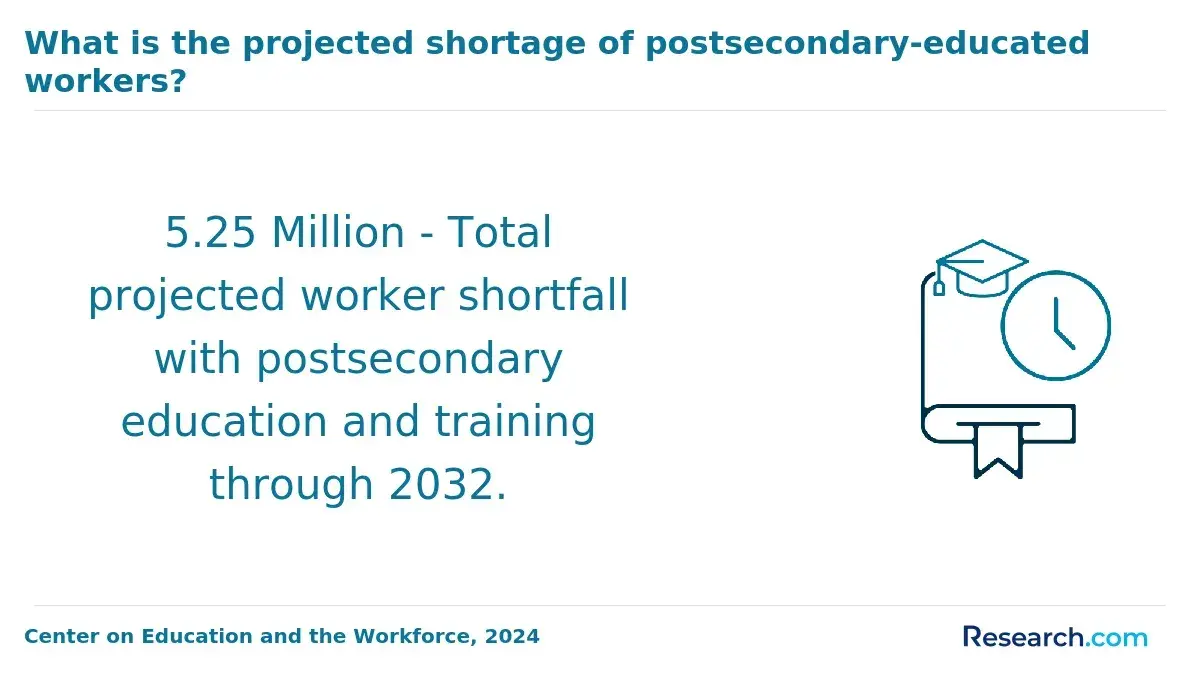
Crisis intervention coursework in human services degrees directly equips students to address high-stakes situations marked by acute emotional distress, trauma, and violence. The practical value of these courses lies in their targeted preparation for roles requiring immediate assessment, de-escalation, and referral-skills that are indispensable in environments like emergency rooms, shelters, and crisis hotlines where hesitation can have serious consequences.
Core classes often include "Crisis Intervention Strategies," focusing on rapid stabilization, and "Trauma-Informed Care," which trains students to recognize and respond to trauma symptoms with tailored support. In addition, "Suicide Prevention and Intervention" enhances learners' ability to identify warning signs and apply evidence-based methods, while "Conflict Resolution and Mediation" offers techniques crucial for managing tensions in community outreach or law enforcement partnerships. Ethical and legal frameworks are typically addressed in courses such as "Ethics in Crisis Management," underscoring professional responsibilities during emergencies.
Some programs integrate specialized coursework on substance abuse crises and family violence, responding to the complex needs of vulnerable populations. These human services degree classes on crisis management reflect the employer demand for candidates who can efficiently navigate volatile scenarios while upholding ethical standards. However, with a modest 1% job growth projected through 2034 and a median salary near $46,110, graduates must combine crisis intervention expertise with broader competencies to enhance career resilience in competitive labor markets.
Students interested in advanced study options may consider exploring online social work programs that build on foundational human services crisis management skills and offer expanded pathways into mental health and social services.
What is the difference between online and campus human services programs?
The key operational distinction between online human services programs vs campus programs is the mode of skill acquisition and access to experiential learning, which profoundly impacts readiness for frontline crisis intervention roles. Campus programs deliver synchronous, in-person classroom learning combined with immediate access to internships and supervised client interactions. This model cultivates critical decision-making skills through real-time engagement, a practical necessity for many employers in the human services sector.
Conversely, online human services programs demand heightened self-discipline and often substitute face-to-face experiences with virtual simulations and asynchronous study. While this can restrict hands-on practice, it increases flexibility for working professionals or caregivers managing multiple responsibilities. Increasingly, online programs address this gap through live virtual practicums and partnerships for local placement, critical for students in remote or underserved locations.
Cost factors also influence decisions between differences between online and traditional human services degrees. For example, Liberty University reports tuition growth under 5% over a decade for its online graduate programs, ranking in the top 35% for affordability among peers. In contrast, campus-based education often incurs higher overall costs due to campus fees and commuting expenses, especially at private or out-of-state institutions.
Students must weigh tradeoffs pragmatically:
- Campus programs offer immersive learning environments and easier access to faculty mentorship, yet require relocation or commuting that may conflict with family or work commitments.
- Online degrees bring scheduling and cost advantages but necessitate proactive efforts to secure local internships, aligning with employer expectations for practical experience.
For those prioritizing affordability and flexibility in this field, reviewing options like the affordable online mba human resources list can provide comparative insights tailored to diverse needs.
What admission requirements do online human services programs usually have?
Admission into online human services programs demands more than just basic credentials; it reflects a balance between academic readiness, practical experience, and readiness for fieldwork complexities. While a high school diploma or GED is minimal, many programs prioritize formal college coursework or an associate degree for bachelor's admissions. For example, professionals pivoting from unrelated fields may benefit if their work experience can partially replace academic prerequisites, though this flexibility varies widely by institution.
Applicants should be prepared to submit official transcripts and often a personal statement illustrating relevant experience in crisis intervention or social support. This component is particularly important since admissions committees prioritize communication skills and emotional intelligence-attributes essential for effective client work in vulnerable populations.
Additional considerations include background checks and immunizations due to practicum requirements, which can impact progression in clinical components. Although standardized tests are less common, international students must demonstrate English proficiency through TOEFL or IELTS, and nearly all candidates face some form of technology skills assessment to navigate online platforms efficiently-critical for real-time crisis response coursework.
Financially, a significant tradeoff exists: public online programs typically average $8,453 in-state tuition annually, considerably lower than campus-based private options. This cost difference can influence decisions for working adults managing employment and family, making online public programs a more accessible path despite potential limitations in networking or hands-on experiences compared to on-campus alternatives.
How long does an online human services degree usually take?
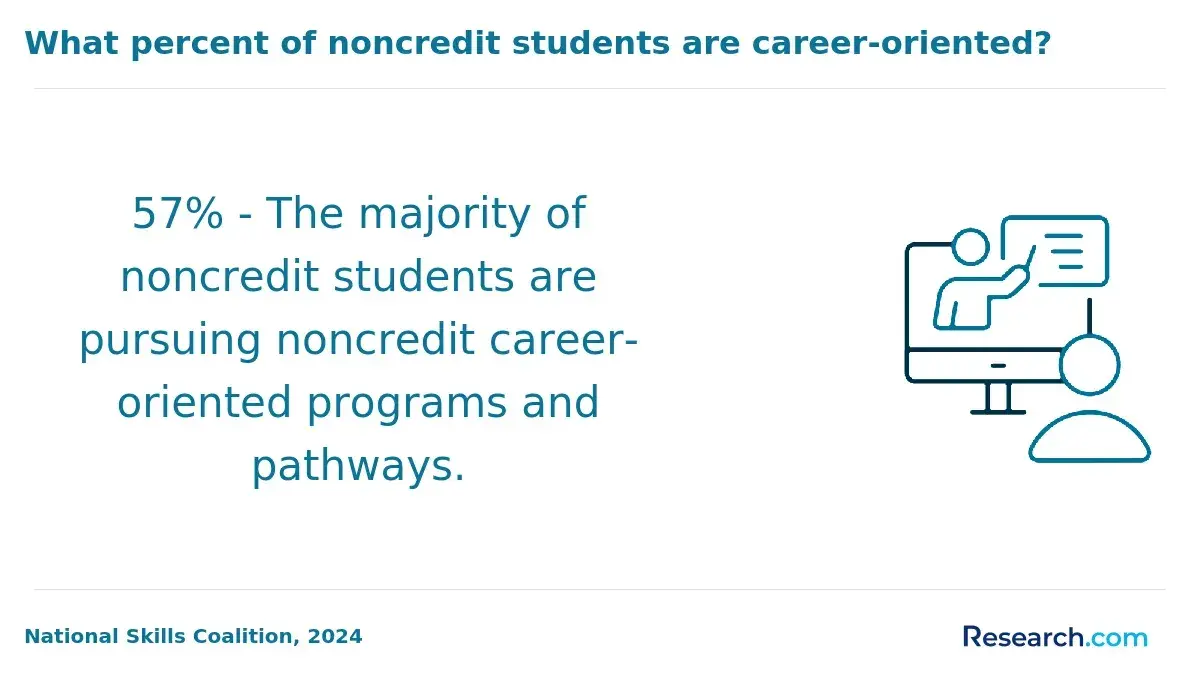
Pursuing a human services degree requires balancing time investment with program rigor and career goals. An associate degree typically takes two years full-time, while a bachelor's degree spans four years. For specialization in crisis intervention, advanced graduate programs, particularly MSW tracks, demand a longer commitment-approximately two to three years full-time-due to requirements of around 60 credits paired with more than 900 clinical hours. This extensive training matches employer demand for hands-on experience and specialized crisis management skills.
Part-time or accelerated pathways commonly extend completion timelines to three to five years, presenting a tradeoff between maintaining employment and fulfilling clinical obligations. Shorter, non-clinical programs may expedite entry into human services roles, but they often lack the depth needed for licensed practice or crisis-focused positions.
Key practical considerations include:
- Employers increasingly prioritize candidates with embedded clinical experience over expedited degrees
- Time constraints imposed by clinical hours limit full acceleration possibilities
- Financial investment ranges widely-from $25,000 to $80,000 for crisis-focused MSW tracks-reflecting resource intensity
- Those balancing work and study should anticipate longer duration with slower pace but possibly greater career readiness
Prospective students must weigh these factors against professional objectives and personal capacity, recognizing that accelerated options typically curtail experiential depth while extended timelines can enhance employability in demanding crisis intervention roles.
How much do online human services degrees cost?
Choosing an accelerated online human services degree can significantly reduce both time and financial barriers compared to traditional paths. Programs averaging around $15,000 in total tuition and completion timelines near 2.3 years provide a pragmatic alternative to on-campus options that often exceed $40,000 and take four years or more. This compressed format benefits working adults seeking to pivot careers or enhance qualifications without extended student debt or income disruption.
For example, a professional aiming to enter crisis intervention roles can leverage such a degree for timely workforce re-entry while balancing work and family obligations. However, prospective students should consider additional costs like technology fees, textbooks, and licensure expenses, which vary widely by state and specialization.
Employers in human services frequently prioritize accredited credentials combined with documented field experience. Therefore, verifying program recognition alongside understanding the per-credit versus flat tuition structures is essential for managing budgeting and credential utility.
Compared to the $80,000-plus total cost of many traditional in-person routes, accelerated online human services degrees present a strategic option for acquiring market-relevant credentials efficiently. Yet, this approach may require self-discipline and careful navigation of program quality to ensure alignment with long-term career and licensing requirements.
- Typical tuition for accelerated online human services bachelor's degrees: around $15,000 total
- Average program length: approximately 2.3 years
- Additional costs: textbooks, technology fees, state-specific licensure
- Employers value accredited degrees coupled with practical experience
- Comparison: $15,000 online versus $40,000+ traditional tuition costs
What jobs can you get with a human services degree?
A human services degree commonly opens immediate roles such as social and human service assistants, case managers, community outreach coordinators, and crisis intervention specialists, with assistants earning around $38,230 annually and seeing a 17% projected job growth through 2030 according to U.S. Bureau of Labor Statistics data reported by Cincinnati State. These positions typically involve connecting clients with resources and supporting social workers, representing entry points into crisis intervention careers.
Advancement to licensed social worker, behavioral health counselor, or program supervisor roles requires additional certifications or education, balancing higher responsibility and pay against increased investment in time and cost. For example, a licensed clinical social worker in a trauma unit directly administers crisis counseling, while a community program manager coordinates multiple intervention teams, illustrating the tradeoff between hands-on clinical work and strategic oversight.
Job seekers should prioritize programs offering crisis intervention coursework combined with experiential learning, as employers value applied skills and crisis-response capabilities over general credentials. Agencies focused on mental health crises, substance abuse treatment, or emergency response provide optimal experience. Geographic location influences opportunity volume and may necessitate trauma-informed training.
Credential stacking and licensure are essential for mid-level and clinical roles; a human services degree alone is insufficient for many environments. Networking within community agencies and obtaining crisis intervention certification improve job security and progression. Candidates must balance realistic salary expectations with local living costs and sector budget limits to maintain sustainable careers focused on crisis response.
How much can human services graduates earn?
Human services salaries vary significantly with education level, specialization, and employment setting, directly influencing career trajectories and financial outlooks. Entry-level positions in case management or crisis hotline counseling commonly start between $35,000 and $45,000, especially within non-profit or local government environments constrained by budgets. Specialists advancing to a master's degree with crisis intervention expertise typically see salary increases to the $50,000-$65,000 range, particularly in healthcare and community mental health settings demanding advanced clinical skills.
Doctoral credentials focused on crisis and disaster intervention offer higher earning potential, often exceeding $80,000 depending on the employer and region. However, pursuing a PhD entails substantial financial and time investment-Walden University estimates program costs from $64,385 up to $144,205 over 2.5 to 8 years. Such advanced education primarily suits those targeting leadership, policy, or academic roles where salaries may reach $90,000 to $120,000, albeit in limited positions requiring this level of qualification.
Practical workplace realities show employers frequently link salary progression to degree completion combined with field experience. A crisis intervention specialist working emergency services, for instance, might earn incremental raises aligned to credential milestones rather than immediate large pay jumps. Students and professionals must weigh extended study versus timely income gains, considering how degree costs and career advancement realistically align in the human services labor market.
- Entry-level roles: $35,000-$45,000 (non-profit, local government)
- Master's level specialists: $50,000-$65,000 (hospital social work, mental health)
- Doctoral level: $80,000+ with leadership and academic opportunities
Do human services careers require licensure or certification?
Licensure and certification are decisive factors shaping career trajectories in human services, especially for roles that require clinical intervention or crisis management. State licensure is non-negotiable for positions like licensed social workers or counselors, ensuring candidates meet stringent professional and legal standards. For example, an MSW graduate aspiring to work as a crisis intervention specialist must complete supervised clinical hours and pass a licensing exam. Without these steps, independent practice and access to higher-level crisis roles remain inaccessible.
Certification credentials such as Certified Alcohol and Drug Counselor (CADC) or Certified Crisis Intervention Specialist (CCIS) supplement licensure but cannot replace it for many clinical positions. Candidates focused on case management or advocacy might find certifications beneficial to expand employability, though these credentials generally hold less weight than licensure when employers evaluate qualifications.
Tradeoffs in program choice heavily influence licensure readiness and total educational investment. Accredited public or online MSW programs aligned with licensure requirements offer clearer pathways and cost efficiencies compared to private institutions, where tuition can reach $40,000-$80,000 versus $15,000-$30,000 in public options. Prospective students should weigh these cost differentials alongside timelines, licensing exam fees, and mandated supervised hours.
Ultimately, failing to secure appropriate credentials restricts job opportunities, lowers earning potential, and limits eligibility for agency funding or reimbursement. Proactive research into state-specific licensure boards and early program selection aligned with these criteria is essential for those seeking sustainable roles within human services crisis and trauma interventions.
Other Things You Should Know About Human Services
The key factors include the level of practical training offered, the balance between theory and applied skills, and the availability of supervised fieldwork or internships. Programs that integrate live simulations or direct client interaction opportunities better prepare students for real-world crisis management. Prioritize programs with clear employer connections or partnerships, as these often lead to stronger job placement and relevant experience.
Crisis intervention coursework typically adds a significant hands-on component that increases the program's intensity due to role-playing exercises, case studies, and sometimes mandatory practicums in high-pressure environments. Students should expect time demands beyond standard coursework and factor in whether the workload fits their current personal and professional responsibilities. Choosing a program with flexible practicum scheduling or reduced credit intensity in other areas helps balance this challenge effectively.
Yes, having crisis intervention training enhances employability by demonstrating practical crisis management skills sought by employers in social work, counseling, and emergency response fields. However, competition remains strong, especially in metropolitan areas, so students should complement their degree with certifications or supervised experience. Programs offering direct connections to employers or career services support tend to yield better employment outcomes.
References
- Bachelor of Arts in Human Services | Whitworth Online https://online.whitworth.edu/human-services/
- Health and Human Services: Campus & Online Degrees and Careers https://www.publichealthonline.org/human-services/online-degree-programs/
- Human Services Degree Online https://gardner-webb.edu/programs/human-services/
- How to Become a Crisis Counselor: Step-by-Step Guide https://onlinecounselingprograms.com/become-a-counselor/counseling-careers/crisis-intervention-counselor/
- Choosing a bachelor's in human services | edX https://www.edx.org/resources/how-to-choose-a-bachelors-in-human-services
- Crisis Intervention Certification Continuing Education Program – AIHCP https://aihcp.net/crisis-intervention-ce-courses-program/
- Human Services (Online Program) https://www.simpson.edu/academics-programs/all-programs/human-services-online-program/
- HS-BCP Credential https://www.nationalhumanservices.org/hs-bcp-credential/
- Online Health & Human Services Degree https://www.marian.edu/academics/programs/bachelors/online/health-human-services.php
- Online Bachelors in Crisis Human Services | AcademicEarth.org https://academicearth.org/bachelors-in-crisis-human-services/