2027 Best Online Bachelor's in Human Services With Documentation and Care Planning Training

Co-Founder and Chief Data Scientist
Professionals in human services frequently grapple with meticulous documentation and care planning under intense time and regulatory constraints. Errors in client records or care strategies risk compliance violations, funding losses, and harm to vulnerable populations. Meanwhile, workforce data from the U. S. Bureau of Labor Statistics confirms a steady 13% growth in human services roles, intensifying competition and the need for relevant credentials. Adult learners, accounting for over 40% of online enrollments according to the National Center for Education Statistics, seek flexible bachelor's degrees that balance education with work and caregiving.
This article evaluates top online bachelor's programs emphasizing documentation and care planning training to guide strategic enrollment decisions aligned with career goals.
Key Things You Should Know
- Data from the U.S. Bureau of Labor Statistics shows human services roles with care planning training grow 13% faster, pressuring candidates to prioritize documented clinical competencies over broad social service skills.
- Employers increasingly demand candidates proficient in electronic care documentation; programs lacking EHR-specific training risk producing graduates misaligned with real-world workflow and reporting requirements.
- Programs extending beyond four years to incorporate care planning certification average 20% higher tuition, intensifying access barriers for working adults balancing time-to-degree and financial constraints.
What is an online bachelor's in human services with documentation and care planning training?
Professionals equipped with an online bachelor's degree in human services with care planning are positioned to navigate the dual demands of client support and administrative precision. This degree prioritizes the ability to manage detailed documentation and personalized care plans, a skill set increasingly essential in settings where accuracy impacts funding and client safety. For example, a community mental health worker skilled in documentation and plan formulation reduces liability exposure by adhering to regulatory standards, directly affecting service quality and compliance.
The human services program with documentation and care planning training focuses on practical proficiencies, including electronic health records (EHR) systems, HIPAA confidentiality rules, and interdisciplinary communication. These competencies address widespread gaps in workforce training that often result in inefficient or error-prone care coordination. Graduates must be capable of compiling assessments, monitoring client progress, and collaborating with multidisciplinary teams while maintaining regulatory compliance.
Employment outlook aligns with these specialized responsibilities: The U.S. Bureau of Labor Statistics cites a median wage of $57,530 for community and social service occupations, roughly 18% above the overall median wage, reflecting the premium placed on technical documentation and individualized care skills. This credential facilitates entry into nonprofit, healthcare, and social work agencies that demand both client-facing and administrative expertise.
Those weighing this pathway should also consider further credentials linked to clinical practice areas like clinical mental health counseling, which may complement or extend the foundational skills built in human services roles.
How do online human services programs teach documentation and care planning skills?
Effective documentation and care planning are core competencies in human services careers, with programs focusing on precise recordkeeping and client communication grounded in legal and ethical compliance. Training involves completing intake assessments, progress notes, and discharge summaries that must adapt to the specific context-whether mental health, substance abuse, or elder care-to meet varied regulatory standards and client needs.
These programs incorporate technology like electronic health records (EHR) and case management software, developing practical skills aligned with employer workflow expectations. For professionals in fields like child welfare or gerontology, mastering documentation means tailoring records to family safety plans or individualized care strategies, emphasizing flexibility and accuracy as client conditions and eligibilities evolve.
Key operational challenges addressed include managing digital confidentiality safeguards, correcting documentation errors, and adhering to retention policies. According to OnlineU's 2026 Best Online Human Services Degrees review, 93% of surveyed programs embed training in case documentation or recordkeeping, highlighting its central role in employability and effective field performance.
Students also refine critical analysis skills to write actionable goals supporting continuity of care in complex, fluid client circumstances. This quality separates generic training from practical readiness and affects workforce outcomes.
Those evaluating educational options should consider how programs handle these logistics alongside their curriculum, balancing real-world demands against learning environments. Prospective learners looking for cost-effective options often research the cheapest online masters in mental health counseling, a path intersecting with human services care planning skills development in human services degrees.
Are online bachelor's in human services with care planning training respected and accredited?
Employers in social service agencies prioritize candidates from accredited online bachelor's in human services with care planning accreditation because these programs reliably validate expertise in detailed documentation and assessment required for effective care coordination. Such degrees confirm that graduates meet industry standards, a necessity for roles demanding strict compliance and quality assurance.
The growing prevalence of fully asynchronous formats-accounting for 71% of ranked online human services bachelor's programs in 2025-offers workforce flexibility critical for professionals balancing jobs and study. However, this model demands significant self-discipline to master complex care planning skills essential for ethical and practical success.
Prospective students aiming for state licensure or certification beyond the degree should assess if their program provides adequate practicum hours or hybrid models with face-to-face supervision, as many regulatory bodies require hands-on training that purely online programs may lack.
Decisions should weigh accreditation status, employer recognition for bachelor's in human services programs respected for documentation training, and access to experiential learning. Ignoring these factors risks delays in workforce integration or noncompliance with employer standards.
For candidates exploring advanced education, reviewing options among the cheapest cswe-accredited online MSW programs can provide insight into affordable pathways aligned with human services career trajectories.
What courses and competencies are included in a human services documentation and care planning curriculum?
Proficiency in documentation and care planning skills in human services curriculum directly affects employment readiness and operational effectiveness in socially focused agencies. Leaders expect practitioners to produce accurate client records that support measurable service outcomes and comply with legal mandates like HIPAA. For example, a community mental health worker's ability to draft detailed care plans influences treatment continuity and interprofessional collaboration, especially in high-turnover settings where precise communication mitigates risks.
Core training includes assessment methods, intervention planning, and case management software, alongside cultural competence and crisis documentation. Students develop analytical skills to convert client interactions into quantifiable data, critical for justifying funding or adjusting programs in nonprofit and public contexts. Engagement with electronic health records is routine, aligning technical fluency with employer demands within agencies moving toward digital platforms.
Cost considerations are significant: average annual tuition hovers around $9,890 for public online programs and $15,790 for private ones, driving decisions about investment versus return. This financial tradeoff requires weighing program quality against long-term employability and role advancement potential. Those pursuing human services care planning courses should recognize that strong documentation habits can differentiate candidates aiming to manage caseloads efficiently or transition into supervisory roles.
For professionals evaluating pathways that balance flexibility and market relevance, consulting resources on the best degree for remote work can provide additional insights into aligning educational choices with evolving workforce demands.
How do fully online bachelor's programs compare to campus options for human services majors?
Online bachelor's programs in human services offer flexibility but impose significant challenges in securing essential fieldwork. Unlike campus-based routes, which routinely integrate supervised internships or practicums, online students frequently must identify and arrange hands-on placements independently. This often delays program completion or limits exposure to direct client interaction-critical for roles in mental health or community outreach. Administrative positions valuing documentation and care planning, by contrast, may be more accessible through fully online credentials due to less reliance on physical presence.
The labor market anticipates a 9% growth for social and human service assistants over a decade, translating to approximately 41,600 new jobs. Employers increasingly expect graduates not only to demonstrate theoretical knowledge but also to verify practical competencies with client coordination tools. Programs embedding local internships or advanced virtual simulations provide online learners a competitive advantage in this demanding environment.
Key considerations for prospective students include:
- Balancing time management and self-motivation necessary for remote study.
- Evaluating whether career goals require supervisory or clinical roles that often favor campus training.
- Understanding that campus environments facilitate richer peer and faculty interactions beneficial for emergency response and complex case discussions.
The decision to pursue fully online versus campus-based human services education should hinge on specific workforce expectations and one's capacity to independently secure practical training aligned with targeted professional pathways.
What admission requirements and prior experience do online human services programs expect?
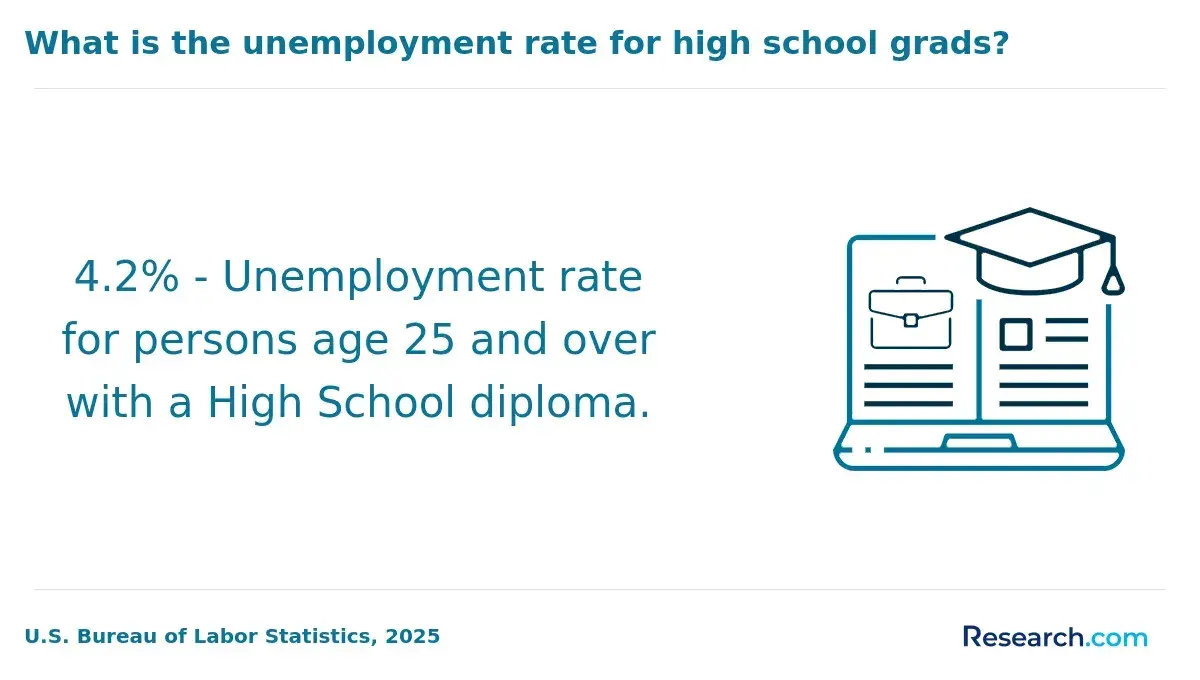
Admission into online bachelor's programs in human services often hinges on more than academic history; it reflects a candidate's readiness for complex client interactions and documentation demands. While a high school diploma or equivalent is a minimum, programs frequently prefer applicants with coursework in social sciences or psychology and an undergraduate GPA around 2.5-3.0 to demonstrate academic preparedness. Practical experience-through internships, volunteer work, or relevant employment-is rarely mandatory but heavily favored as it evidences skills valued by employers, such as interpersonal communication and case management.
Consider a retail manager seeking to pivot careers: success depends on articulating transferable skills like conflict resolution and organizational ability relative to care planning responsibilities. Without direct experience, personal statements and professional references that underscore these competencies become crucial in application evaluations. Employers increasingly expect candidates to explain how their background supports specific care coordination roles, an expectation aligned with early-career median salaries around $43,300 according to TheBestSchools.org.
Program design often includes asynchronous learning but integrates required on-site practicum components, mandating flexible schedules and access to local agencies. Candidates without existing networks or geographic proximity to relevant internship sites face significant hurdles, potentially delaying graduation or increasing financial strain. Proactively identifying partnerships or closely reviewing program practicum requirements is essential to avoid misaligned expectations and optimize educational investment.
How long does it take to earn this degree online, and what does it cost?
Completion time for online bachelor's degrees in human services with a focus on documentation and care planning usually ranges from three to four years full-time, though accelerated paths can shorten this to about 2.5 years. However, the compressed pace in accelerated formats often limits the deep practical engagement essential for mastery, particularly in documentation accuracy, which employers rank among top competencies for entry-level roles.
Part-time students should anticipate five years or more, a factor that influences financial and career trajectories significantly. Tuition costs vary widely: regionally accredited programs generally charge between $35,000 and $60,000 total, with public in-state tuition ranging from $250 to $450 per credit hour and private nonprofits frequently exceeding $500. Additional technology, exam, and materials fees add roughly 10-15% on top, which requires careful budget planning and financial aid navigation.
Employers in clinical and community settings emphasize precise client recordkeeping due to its impact on compliance and legal risk. Programs incorporating internships with direct documentation responsibilities materially improve readiness for such environments, reducing gaps common among candidates who only receive theoretical instruction. Accelerated programs risk sacrificing this depth, potentially delaying effective job performance in sensitive contexts like elder care or mental health services.
When choosing a program, consider:
- Whether paced learning supports meaningful skill acquisition over speed
- The extent of hands-on documentation experience integrated in internships
- Financial commitment versus aid availability
Which human services careers rely most on documentation and care planning expertise?
Documentation and care planning skills form the backbone of critical roles in human services, directly shaping client outcomes and organizational accountability. Case managers in mental health settings, for example, must maintain accurate treatment records and coordinate updates across interdisciplinary teams; any lapse risks client safety and compliance failures during audits. Similarly, healthcare navigators and eldercare coordinators juggle complex medication schedules and therapy plans, where incomplete documentation can lead to operational errors or regulatory penalties.
Beyond frontline service, administrators and grant managers use documentation to evaluate program efficacy and satisfy stringent funding requirements. This dual focus on detail and oversight means human services programs stressing documentation expertise align more closely with employer expectations in regulated environments such as social welfare and healthcare.
According to BestColleges' 2025 Best Online Human Services Degree Programs, over 80% of top-ranked online bachelor's degrees come from regionally accredited institutions, which correlates strongly with curricula emphasizing documentation and care planning competencies. For working professionals weighing educational options, this suggests prioritizing programs that balance theoretical knowledge with documentation-intensive practical skills.
These proficiencies impact career trajectories by influencing supervisory trust, audit readiness, and the ability to navigate complex care landscapes, making them decisive factors in long-term employability and advancement within human services.
What salary ranges and job outlook can graduates in human services expect?
Human services graduates face a clear salary divide shaped by sector and experience. Entry-level roles in nonprofits often start around $40,000 annually, reflecting limited budgets and fewer benefits, while skilled managers or care planners in healthcare or government agencies command $60,000 to $75,000 or more. This wage gap results from both program funding structures and the increasing demand for documentation and compliance expertise, which employers consider critical for maintaining grants and operational effectiveness.
The projected 9% job growth for social and community service managers through 2032 highlights rising demand, especially for professionals balancing management with detailed client care planning. In comparison, related fields such as psychology or counseling show slower expansion, directing more graduate interest toward human services roles with upward mobility tied closely to documentation proficiency and regulatory knowledge.
Geographic context significantly influences salary outcomes. Metropolitan regions offer higher wages but also come with increased living costs, requiring candidates to weigh these factors carefully. Advancing in this field typically entails continuous skill development and sometimes licensure when moving from nonprofit work into healthcare or government sectors.
- Starting salaries generally range from $40,000 to $55,000, with advanced roles exceeding $70,000.
- Nonprofit positions provide meaningful impact but often offer lower pay and fewer benefits.
- Healthcare and government roles typically require certifications but pay more.
Strong training in documentation and care planning not only supports compliance but also equips graduates to meet employer expectations for measurable outcomes and program sustainability, fostering better long-term career stability within a competitive labor market.
How can applicants evaluate and choose the best online human services program for their goals?
Employers prioritize graduates from human services programs that embed case management and documentation training directly into their curricula, as these skills are essential for managing client data, compliance, and care planning. Programs highlighting "case management and documentation" in their learning outcomes show a 1.4 times higher rate of graduate employment in relevant roles within a year, indicating a distinct workforce preference. For instance, care coordinators in nonprofit health agencies must demonstrate exacting documentation prowess to satisfy funding audits and regulatory standards.
Successful applicants should scrutinize program accreditation and insist on practicum or capstone experiences that emphasize real-world application of documentation and care planning skills. Purely theoretical coursework often fails to prepare candidates for the practical demands agencies impose, limiting job readiness.
Key factors in program selection include:
- Graduate employment rates by role, especially caseworker functions where documentation skills directly impact job performance
- Flexible online formats suited for employed professionals balancing study with work responsibilities
- Technology integration for electronic documentation training, reflecting sector-specific protocols
- Faculty with relevant professional experience aligned to the target industry, whether social services or healthcare
These features affect employability beyond general job placement figures and support strategic career pivots toward specialized documentation-related roles within the human services field.
Other Things You Should Know About Human Services
The documentation and care planning components require consistent attention to detail and critical thinking, often representing a significant portion of assignments and practicum work. Students should expect regular case study analyses, report writing, and simulated care plans that demand application of both theory and practical data management skills. This workload can be challenging alongside full-time jobs or family obligations, so prioritizing time management and early engagement with program materials is essential for success.
Employers primarily assess candidates based on demonstrated competencies, such as accuracy in documentation and ability to develop effective care plans, rather than the delivery mode of their degree. However, programs with structured practicum placements and strong faculty support-more common in traditional settings-may better prepare students for workforce realities. For those choosing online programs, selecting ones that incorporate supervised field experience and emphasize applied documentation skills is critical for employability in demanding human services roles.
Professionals skilled in documentation and care planning are positioned for supervisory and administrative roles, as these skills underpin regulatory compliance and quality assurance functions. Investing in formal training increases prospects for promotions but requires ongoing skill updates to meet evolving standards and electronic health record systems. Graduates should plan for continuous education beyond the bachelor's degree to maintain relevance and capitalize on upward mobility opportunities within human services organizations.
References
- What Careers Can You Pursue with a Human Services Degree? - Grace Christian University https://gracechristian.edu/blog/what-careers-can-you-pursue-with-a-human-services-degree/
- 49 of the best careers in helping people & making a difference https://www.iah.edu.au/blog/careers-jobs-for-helping-people
- MCA: Care planning, involvement and person-centred care - SCIE https://www.scie.org.uk/mca/practice/care-planning/person-centred-care/
- Health and Human Services Career Guide https://www.ultimatemedical.edu/blog/hhs-guide/
- Person-Centred Care Planning Training for Care Staff https://www.learningconnect.co.uk/Course/Mandatory-Care-Courses/Person-centred-care-planning
- Is a Human Services Degree Right for You? https://www.ucumberlands.edu/blog/is-a-human-services-degree-right-for-you
- Health and Human Services: Campus & Online Degrees and Careers https://www.publichealthonline.org/human-services/online-degree-programs/
- Guide to bachelor's in human services | edX https://www.edx.org/bachelors/human-services
- Human Services (Online Program) https://www.simpson.edu/academics-programs/all-programs/human-services-online-program/
- Online Human Services Degrees: Finding the Right Program https://www.edumed.org/online-schools/human-services-degrees/