2027 Best Online Human Services Programs for Students Seeking Stable Helping Careers

Co-Founder and Chief Data Scientist
Aspiring human services professionals often confront a daunting bottleneck: securing a degree that balances flexible scheduling with rigorous training to qualify for stable, frontline roles. Traditional programs demand full-time, on-campus attendance, an impossibility for many adult learners juggling employment and family obligations. Recent federal data signals a 15% surge in online enrollment for social science and counseling-related fields, demonstrating a clear shift toward accessible, remote credentials as essential gateways. This trend exposes a critical challenge-identifying programs that maintain academic rigor and field readiness without sacrificing flexibility or delaying entry into a workforce projected to grow faster than average. This article systematically evaluates the best online human services programs that align with these pressing, real-world constraints to guide students toward strategic educational decisions.
Key Things You Should Know
- Federal Labor Statistics project 12% sector employment growth through 2032, pressuring students to balance accelerated programs against reduced internship access that often shapes employer hiring preferences.
- Employers increasingly value professional certifications alongside degrees; programs without embedded credentialing reduce graduate marketability despite rising human services demand, amplifying workforce credential disparities.
- Average bachelor's completions rose 8% since 2022, yet affordability constraints persist-public university tuition hikes over 5% annually compel many to choose shorter certificates, limiting upward mobility in human services careers.
What are the best online human services programs?
The value of best online human services programs in the United States hinges on how well they integrate accredited faculty, practical fieldwork, and relevant accreditation standards such as those from the Council for Standards in Human Service Education (CSHSE). Programs lacking real-world training components often fail to meet employer expectations in roles demanding case management and regulatory compliance.
For working professionals aiming for top accredited online human services degrees for stable careers, factors like flexible pacing and recognition of prior experience directly influence completion and employment outcomes.
Growth projections-community and social service jobs expanding by 7% from 2022 to 2032-signal robust demand but require nuanced skill development. Those targeting public health agencies, for example, must emphasize interdisciplinary skills and data-driven client evaluation, contrasting with programs focused on family services that prioritize legal knowledge tied to child welfare.
Without synchronous sessions and local field placements, graduates may face barriers transitioning to government or nonprofit roles due to limited professional networks and practical exposure.
Prioritizing transparency in graduate employment rates and practicum integration distinguishes programs delivering tangible labor market value. Students should critically evaluate not just reputation but concrete outcomes to avoid investments that fall short in a competitive labor market.
A useful resource when considering mental health-adjacent pathways is clinical mental health counseling, offering complementary competencies often valued alongside human services roles.
Is online human services accreditation important for licensure?
Licensure requirements for human services roles in the U.S. hinge critically on program accreditation, making the choice of an online human services program accreditation for licensure a practical necessity. Employers and licensing boards almost uniformly demand graduation from an accredited program; failure to comply excludes candidates from credentialing exams and restricts entry into regulated government or nonprofit jobs.
Take state government social service specialists, for example: they must complete programs recognized by bodies such as the Council for Standards in Human Service Education (CSHSE) to meet employment eligibility standards and qualify for state or federal funding. This real-world prerequisite impacts job security, since one-third of community and social service workers hold government positions with licensure mandates.
State requirements for human services degree accreditation vary widely. Some accept regional accreditation combined with program-specific approval, while others insist on additional credentials, creating risks for students who overlook these nuances-potentially delaying workforce entry or forcing costly extra coursework.
Graduates should choose accredited online degrees to avoid common pitfalls including:
- Ineligibility for professional licenses or credentialing exams
- Reduced chances in government and nonprofit roles with hiring preferences
- Restricted access to state-funded internships or practicum opportunities
- Complications in transferring credits or pursuing advanced studies
Prospective students can evaluate affordability alongside accreditation credentials by exploring affordable online counseling programs tailored to align with licensure standards.
How do online and campus human services programs compare?
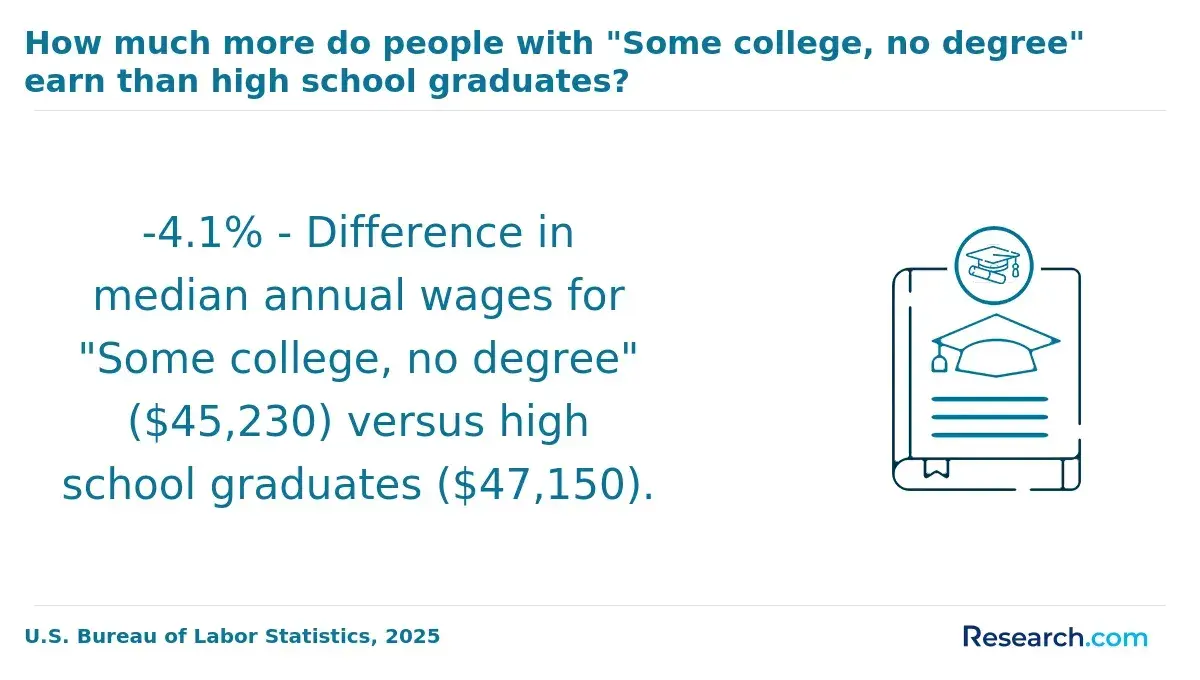
Choosing between online human services programs vs campus programs hinges on balancing schedule flexibility, cost, and hands-on learning critical to employability. Campus-based programs typically integrate in-person practicums and direct faculty mentorship, a valued asset for roles demanding intensive client interaction and crisis response. For example, a student targeting licensed clinical positions or residential treatment will likely benefit from immediate access to on-site practicum experiences and networking opportunities.
Conversely, online programs offer substantial tuition savings-median costs around $10,000-$11,000 annually-and accessibility for working adults or those constrained geographically or by time. However, online candidates often must independently secure quality practicum sites locally, potentially delaying program completion or diminishing fieldwork quality, which employers expect to verify regardless of program type.
Decision makers should weigh these tradeoffs against career goals. Administrative or supervisory trajectories with fewer direct client demands may find online paths adequate and efficient. In contrast, direct service roles generally require the immersive experiential training campus programs provide. Students are advised to verify practicum support in any online option before enrollment.
Those exploring advanced credentials can consult master of social work programs for further relevant opportunities. Understanding differences between online and traditional human services education is essential to ensuring practical workforce readiness aligned with specific career aims.
What courses are in a human services degree?
Human services degree core courses emphasize applied skills closely aligned with employer expectations, balancing client assessment, crisis intervention, and ethical decision-making. Given workforce demands for cultural competency, programs prioritize navigating diverse and complex social environments, which is critical in settings like mental health facilities or domestic violence shelters.
Typical online human services program curriculum includes case management, counseling techniques, and program evaluation. These components prepare students for nonprofit administration and public agency coordination roles where grant writing and securing funding are essential. Instruction in research methods and data analysis supports the sector's move toward evidence-based practices and accountability.
Practical experience is indispensable. Internships or practicum placements in rehabilitation centers or school-based services provide tangible skills and build professional networks, enhancing employment prospects. This hands-on training is particularly valuable for mid-career professionals navigating a shift in trajectory.
Cost is a significant factor affecting accessibility. OnlineU's median annual tuition for online master's programs in human services is $8,135, offering a more affordable option compared to traditional graduate education. This financial consideration enables working adults to balance education without severe income disruption.
For individuals weighing degree options in related fields, reviewing specialized pathways like psychology degree online can clarify distinctions in curriculum focus and career outcomes. Further details can be found at psychology degree online.
What are the admission requirements for human services programs?
Admission standards in human services programs reflect the varied roles and credentialing demands in the sector, creating a significant divide between entry-level access and specialized career tracks. While associate degrees typically require only a high school diploma or GED, bachelor's programs expect an accredited transcript alongside standardized test scores or documented college coursework.
A minimum GPA near 2.5 is common, but conditional admissions sometimes accommodate relevant work or volunteer experience, acknowledging nontraditional pathways.
Applicants must prepare substantive personal essays that articulate sustained commitment and stability-qualities valued by employers given the interpersonal nature of human services work. Recommendations commonly come from social work, healthcare, or education professionals who can attest to candidates' relational aptitude and reliability, traits that influence hiring decisions.
Because practicum environments involve vulnerable populations, background checks and immunization documentation are frequent prerequisites.
The presence of interviews or additional screenings in competitive programs emphasizes emotional resilience and communication skills, critical variables when median wages vary from roughly $52,000 for assistants to over $58,000 for social workers.
These income differentials align with credential levels and specialization, making admission strategies consequential for long-term employability.
- High school diploma or equivalent
- Minimum GPA of ~2.5
- Standardized test scores or proof of prior college work
- Personal essay and letters of recommendation
- Background check and health clearances
- Interviews for selective programs
For working adults aiming to pivot into human services, accelerated admissions that credit prior learning and experience reduce time to credential but may complicate state licensure alignment.
State-by-state variance in licensure requirements impacts both curriculum design and transferability of credentials, imposing practical constraints that prospective students must assess.
How long does an online human services degree take?
Time-to-completion for online human services degrees varies notably with educational level and program design, directly affecting labor market outcomes. Associate degrees require roughly two years full-time, a pragmatic choice for entry-level roles with limited responsibility, but typically cap salary growth and occupational mobility.
Bachelor's degrees, often four years but occasionally accelerated to three with transfer credits or intensive terms, remain the baseline for stable employment in this sector. Master's programs add one to two years post-bachelor's and tend to unlock specialized clinical or supervisory positions that command higher wages.
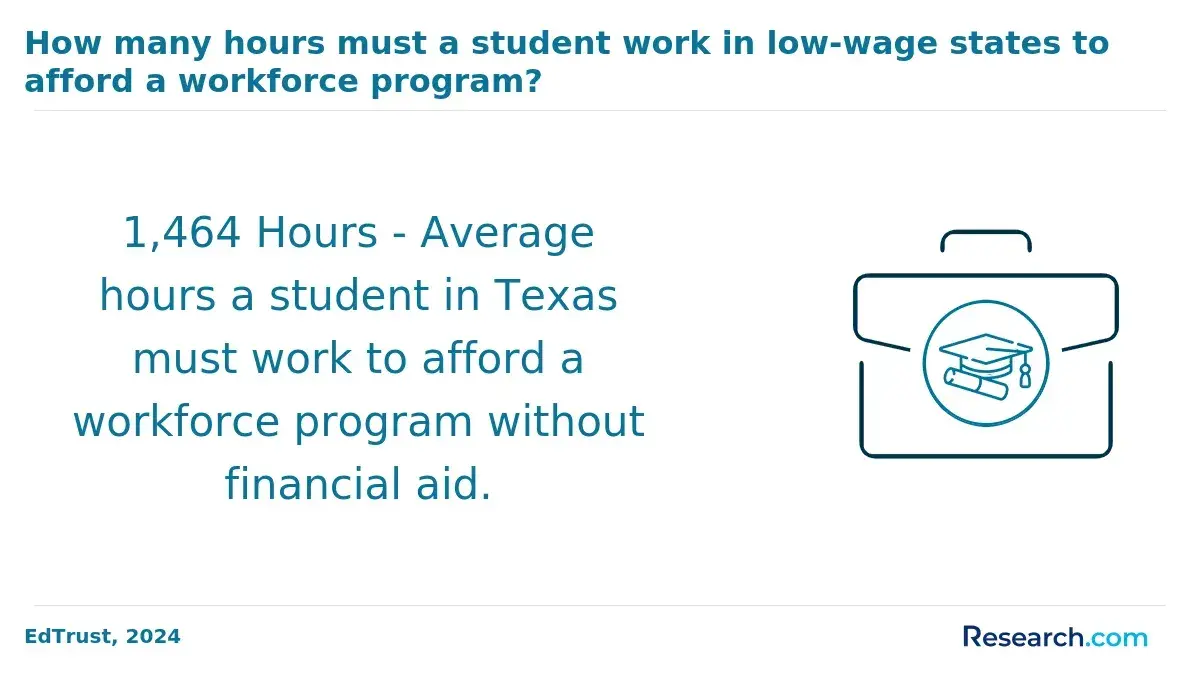
Working professionals frequently opt for part-time or self-paced formats to balance commitments, extending completion beyond four years in many cases. Internship and practicum components, integral for employer-valued practical experience, often require additional months of onsite engagement, imposing a temporal rigidity that online coursework alone cannot circumvent.
- The faster associate degree supports quicker workforce entry but limits earning potential.
- Bachelor's and master's credentials align with three to six years of study and superior job stability.
- Careful evaluation of program pace, internship demands, and personal circumstances is essential to mitigate delayed degree completion and its impact on career trajectory.
Employment data reveal a pronounced income disparity linked to educational attainment: the top 10% of community and social service workers earn over $97,820, a threshold usually accessible only with advanced degrees coupled with relevant experience. Employers expect integrated academic-practical training, so programs combining both tend to provide stronger career footing despite longer durations.
How much do online human services programs cost?
The financial footprint of online human services degrees is shaped less by sticker prices and more by debt-to-income dynamics five years after graduation. Typical bachelor's programs span from $10,000 to $35,000, influenced by public vs. private and residency status. Certificate and associate options fall between approximately $5,000 and $20,000.
However, the median debt-to-earnings ratio of 0.6 2026 human services outcomes analysis reveals that most graduates earn about 1.6 times their annual loan repayments, which signals sustainable debt management rather than financial strain.
Working professionals often mitigate costs through employer tuition assistance and federal aid, but they must account for all program-related expenses, including fees, technology, and materials, while realistically projecting net costs after aid. This nuanced evaluation is critical for those balancing education investment with limited wage growth typical of many entry-level nonprofit case management and social work roles.
For example, a graduate with $25,000 debt carrying that 0.6 ratio can expect an average annual income near $41,500 after five years-guiding budgeting and career choices accordingly.
Prioritizing regionally accredited programs ensures alignment with employer expectations, but prospective students should weigh cost alongside curriculum relevance and local job markets to prevent overextension relative to realistic salary outcomes.
What jobs can you get with a human services degree?
Human services degrees lead to roles demanding both theoretical knowledge and applied skills across client assessment, crisis intervention, and resource coordination. For instance, case managers in healthcare settings must navigate complex insurance policies while coordinating multidisciplinary teams, requiring administrative skills alongside communication. These operational demands shape employer expectations, emphasizing candidates' ability to manage caseload complexities under pressure.
Licensing and certification requirements vary widely by state and position, influencing employability and salary potential. Early clarity about credential pathways and supervised field experience is essential, since entry-level roles often mandate both. Graduates frequently find roles in government or nonprofit sectors serving vulnerable populations or advance into supervisory and program development positions.
Practical considerations include balancing online coursework with field placements that align with existing job schedules. Over 70% of students in OnlineU's 2026 survey were employed full-time while enrolled, highlighting the modality's support for working adults navigating strategic career pivots or incremental mobility.
Salary trajectories also demand attention-median wages for social and community service managers were $74,000 according to the Bureau of Labor Statistics in 2024. Students weighing credential investment should anticipate tradeoffs between immediate employment opportunities and longer-term advancement requiring graduate-level credentials or certifications.
How much do human services jobs pay?
Wages in human services vary considerably, influenced by role, education, and region, with median salaries typically between $35,000 and $55,000. A closer look at community health workers and health education specialists-common roles for graduates-shows median pay near $48,000 and steady demand, with a 7% employment growth projected through 2032. However, entry-level roles often hover around $30,000, especially in nonprofit or public sectors where funding constrains salaries.
Practitioners in government or healthcare settings generally surpass $50,000, particularly those with bachelor's degrees or certifications. Specialized tracks, like substance abuse counseling, offer higher pay but demand targeted credentials and experience, forcing candidates to weigh additional training costs against potential income gains.
Advancing beyond median wages often requires licensure, advanced education, or supervisory duties. Geographic differences also pose tradeoffs: urban centers pay more but come with increased living expenses, complicating net financial benefit. Salary transparency remains limited, meaning candidates must research local wage trends and union presence to negotiate effectively.
- Median wages for health educators and community health workers are about $48,000.
- Projected job growth is 7% with 15,500 annual openings.
- Direct care entry-level roles start near $30,000, often in nonprofits.
- Higher wages correlate with advanced qualifications and employer type.
- Urban pay premiums are offset by higher living costs.
Understanding these dynamics equips students and career changers with a realistic framework to evaluate human services educational pathways and wage outcomes.
What certifications help human services graduates?
Holding a Certified Human Services Professional (CHSP) credential signals verified expertise that employers seek, directly affecting hiring and advancement potential. Specialized certifications like Certified Addiction Counselor (CAC) and Certified Case Manager (CCM) focus on distinct niches such as substance abuse treatment and care coordination. These require specific supervised experience, emphasizing practical exposure essential for agencies prioritizing client safety and regulatory compliance.
Graduates should carefully select programs with regional accreditation, as over 90% of top online human services degrees meet this baseline, which is mandatory for most certification bodies. Without accredited degrees, certification attempts often fail despite completed coursework, delaying career progress.
Consider a candidate aiming to become a mental health caseworker: earning credentials like Licensed Clinical Social Worker (LCSW) or Certified Clinical Supervisor (CCS) depends not only on degree accreditation but also on accumulated supervised practice hours.
Employers typically prefer applicants with recognized licenses, making accredited schooling and relevant fieldwork within one's jurisdiction critical to shortening credentialing timelines.
Certification maintenance, including ongoing education and renewal fees, imposes additional costs and time. Understanding links between curriculum, accreditation, and certification prerequisites allows for smarter program choices that reduce redundant coursework and streamline entry into human services roles.
Other Things You Should Know About Human Services
Hands-on experience is critical in human services education because employers expect graduates to have practical skills in client interaction, assessment, and crisis management. Online programs that incorporate supervised internships or fieldwork options provide a clear advantage by bridging theoretical learning with real-world application. When evaluating programs, prioritize those with structured practicum placements that align with your career goals rather than those relying exclusively on virtual simulations or case studies, as these tend to fall short of employer expectations.
Online human services degrees can work for career changers, but the absence of direct social work background means you must select programs with foundational coursework and strong support for skill development. Look for curricula emphasizing case management, counseling techniques, and psychological frameworks, combined with flexible pacing, which helps balance previous work commitments. Programs that offer career services or connections to local agencies facilitate smoother transitions by providing networking opportunities and practical experience.
Online students often underestimate the time and emotional intensity required for coursework involving sensitive topics like trauma, addiction, or mental health. Balancing asynchronous learning with mandatory internships demands strong self-discipline and time management. Additionally, limited face-to-face interaction can reduce access to peer support and real-time feedback, which are valuable for mastering complex counseling skills. Assess your capacity for self-motivation and consider programs offering robust virtual advising and cohort communication tools.
Graduates of top online human services programs in 2027 enjoy strong career prospects, with roles in social services, case management, and healthcare increasing. Digital literacy skills gained online enhance employability, aligning with the sector's technological adoption.
References
- Human Services vs. Social Work: A Brief Comparison | Rasmussen University https://www.rasmussen.edu/degrees/human-services/blog/human-services-vs-social-work/
- Human Services Generalist Certificate https://www.ccbcmd.edu/Programs-and-Courses-Finder/Program/human-services-generalist-certificate.html
- HS-BCP Credential https://www.nationalhumanservices.org/hs-bcp-credential/
- Guide to bachelor's in human services | edX https://www.edx.org/bachelors/human-services
- Human Services Online - Saint Mary-of-the-Woods College https://www.smwc.edu/departments/social-behavioral-sciences/human-services-online/
- Associate Degree - Human Services - Online | Monroe University https://www.monroeu.edu/academics/undergraduate-programs/school-criminal-justice/online-associate-degree-human-services
- Health and Human Services: Campus & Online Degrees and Careers https://www.publichealthonline.org/human-services/online-degree-programs/
- Human Services Certificate | Urban College of Boston https://www.urbancollege.edu/human-services-administration-certificate
- Humanity in Action: Understanding Human Services Degrees https://www.ucumberlands.edu/blog/humanity-in-action-understanding-human-services-degrees
- Human Services Degree Online https://gardner-webb.edu/programs/human-services/