2027 Online Human Services Degrees With Strong Employer-Relevant Human Services Skills

Co-Founder and Chief Data Scientist
Professionals seeking advancement in human services often confront a gap between their current skill sets and the competencies employers require, especially in crisis intervention, case management, and culturally responsive care. This disconnect intensifies when balancing work, family, and education, limiting access to timely upskilling. Recent data from the National Center for Education Statistics reveals a 27% increase in adult enrollment in online degree programs since 2023, reflecting growing demand for flexible, career-aligned learning paths. Such trends mark a shift toward accessible, employer-focused education that accommodates working adults' schedules while meeting evolving workforce standards.
This article evaluates online human services degrees with strong employer-relevant skills, guiding readers to informed choices that bridge educational gaps and career goals effectively.
Key Things You Should Know
- Employers prioritize graduates with integrated data analysis and trauma-informed care skills; 67% of organizations report improved client outcomes when candidates possess both, pushing programs to embed cross-disciplinary competencies.
- Tradeoffs between accelerated online degrees and in-person practicum limit access to high-impact agency partnerships; accelerated tracks risk producing graduates with weaker applied intervention proficiencies, per 2024 Council on Social Work Education data.
- Rising tuition inflation-9% since 2022 on average for online human services programs reported by NCES-compounds cost barriers, disproportionately affecting working adults seeking career shifts, which influences enrollment demographics and completion rates.
What is an online human services degree and how does it prepare you to work with diverse populations?
Online human services degree programs for diverse populations prioritize adaptable skills in client communication, culturally informed assessment, and intervention strategies tailored to intersecting social identities. Graduates must navigate real-world complexities like language barriers and varied health beliefs; for instance, healthcare workers frequently adjust approaches to meet patients' cultural contexts, while child welfare professionals balance safety with cultural sensitivity. This practical orientation reflects workforce demand where about 313,700 annual openings in community and social service sectors require employees proficient in evidence-based, culturally competent practices.
Programs that develop cultural competence integrate virtual case studies and community-based practicum placements to simulate these challenges, but the absence of in-person networking necessitates deliberate efforts to build professional connections remotely. Employers expect more than theoretical knowledge-they require demonstrated skills in crisis intervention, policy navigation, and interagency collaboration. Students must also ensure accreditation and program partnerships align with recognized credentials to maximize employability.
While the online format offers flexibility, it demands self-discipline and proactive field engagement. For those assessing options for a master's in human services, consulting specialized resources like masters in human services pathways can clarify program length and workforce alignment, informing strategic decisions about educational investment and career outcomes.
How do online human services degrees compare with campus programs for quality, flexibility, and credibility?
Online human services degree quality comparison reveals that when accreditation and curriculum rigor align, online and campus programs are largely equivalent in educational value. However, flexibility remains the chief advantage of online offerings, especially for working professionals or those managing caregiving and geographic constraints. Campus programs typically provide more immediate access to in-person client interactions and on-site practicums, facilitating hands-on skill development through direct mentorship. Yet, many online programs now incorporate virtual simulations and arrange local field experiences to narrow this gap.
Employers prioritize demonstrated applied skills over where a degree was earned, with roles for social and human service assistants and managers expected to grow 8% between 2023 and 2033-outpacing average job growth. Therefore, the credibility and practical impact of online human services programs hinge on regional accreditation and relevant coursework, such as crisis intervention or case management. For students choosing between formats, evaluating employer connections and alumni outcomes is critical.
For a working adult, online programs offer ongoing income and education but demand proactive pursuit of internships or community partnerships to gain field experience. Conversely, recent high school graduates may benefit from the immersive, in-person environment despite potential relocation or commuting costs. Those assessing differing degree paths should also consider the type of counselors they aim to work alongside, as specialization can influence career trajectory within human services.
Flexibility and credibility of online human services programs depend on the strategic alignment of program design with career objectives and real-world employer expectations.
Which types of human services degrees are available online and which level is best for your goals?
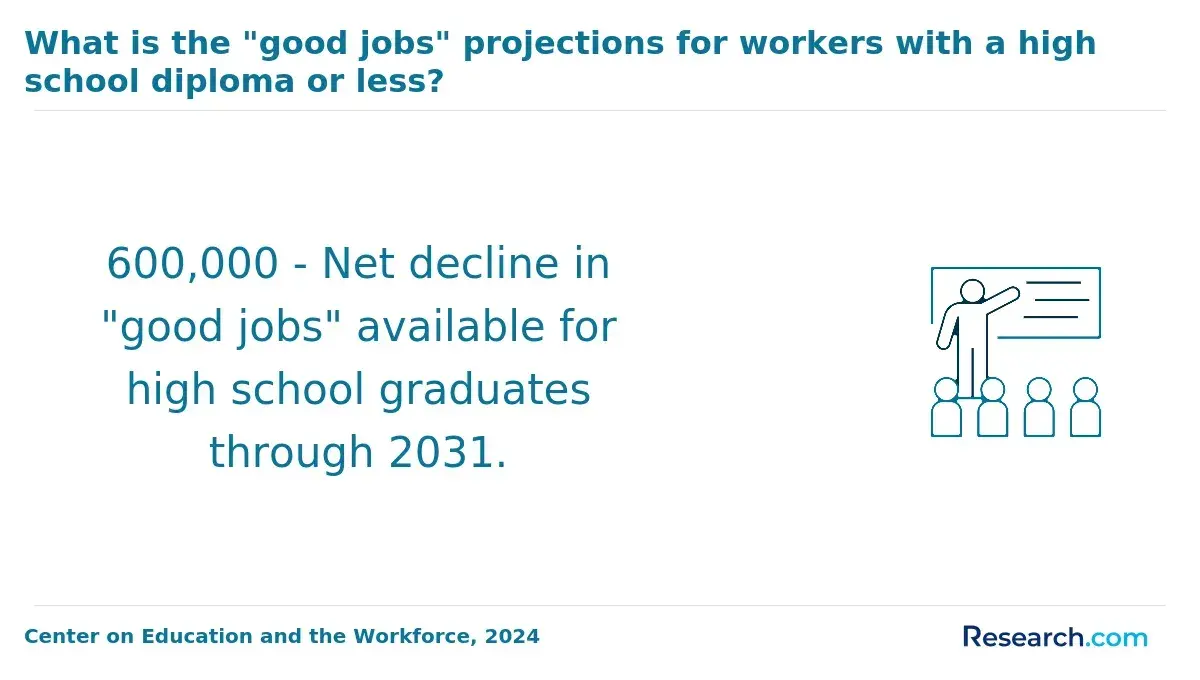
Selecting the best degree level for human services careers depends heavily on intended roles and realistic timelines for entry or advancement. Associate degrees primarily prepare candidates for entry-level positions like social and human service assistants with foundational skills and direct client engagement. While this level aligns with a modest 9% job growth and adds 35,600 positions according to U.S. Bureau of Labor Statistics data cited by the University of the Cumberlands, it typically limits upward mobility without further education.
Bachelor's degrees become essential for roles demanding deeper expertise in human behavior theories, policy, and program coordination-positions often requiring leadership potential and familiarity with complex regulatory environments, particularly in nonprofit or government settings.
Master's degrees, meanwhile, open pathways to licensed clinical social work, mental health counseling, and agency administration, though these require longer commitments and local practicum experiences. Candidates targeting these careers must consider the balance between immediate workforce re-entry and enhanced credentialing opportunities. Those researching advanced options may explore online MSW programs for flexible master's pathways.
Working parents or career changers might begin with an associate degree to enter the field promptly, whereas roles such as policy analysts demand advanced qualifications at the master's level. Variations in practicum and employer recognition mean candidates should verify program rigor and local supervised experience requirements when considering online human services degree programs.
What accreditation and program quality standards should online human services degrees meet?
Accreditation by regional bodies recognized by the U.S. Department of Education or the Council for Higher Education Accreditation is a baseline requirement for online human services degree accreditation standards, but programmatic accreditation from specialized agencies like the Council for Standards in Human Service Education (CSHSE) critically influences employer confidence. This distinction often affects graduates' access to licensure and competitive roles, as employers prioritize candidates whose training aligns with established workforce competencies and ethical norms.
Quality assurance criteria for online human services programs extend beyond accreditation to include tangible outcomes such as internships and real-world simulations that demonstrate proficiency in client engagement and crisis intervention. Candidates from programs lacking these experiential learning components frequently encounter prolonged job searches and diminished starting salaries compared to those with documented practical experience.
Salary statistics illuminate this divide: community and social service professionals earn a median annual wage of $57,530, surpassing the overall U.S. employment median of $48,060. This premium reflects the market value of rigorous curricula and verified field experience. For working professionals, selecting flexible, accredited programs that also ensure smooth credit transfer preserves career momentum and advancement options.
Prospective students should critically evaluate how program design accommodates real work-life integration while delivering verified experiential components. More detailed analysis of education pathways tailored for remote settings can be found in comprehensive resources covering work from home degrees.
What core courses and practical learning experiences are included in online human services curricula?
Core curricula in online human services programs focus on delivering skills directly aligned with employer demands, such as client assessment, case management, and ethical decision-making. Essential courses cover behavioral health, crisis intervention, and program evaluation-foundations necessary for tailoring support plans across diverse social work, nonprofit, or rehabilitation contexts.
Practical experience, often through supervised field placements or virtual internships, is a pivotal differentiator. Students engage with real-world settings like community centers or healthcare facilities, learning to manage challenges such as resource constraints and high caseload volumes. These scenarios develop adaptive problem-solving critical for workplace success.
Collaboration with mental health professionals, legal advocates, and educators is another complex skill set emphasized. Exercises in multidisciplinary communication and precise documentation prepare students to meet professional standards and compliance, both vital for career progression in this sector.
The labor market outlook reveals that social and community service managers earn a median annual wage of $78,240, significantly above the average for U.S. occupations, evidencing a premium for these competencies based on data from the U.S. Bureau of Labor Statistics compiled by PublicHealthOnline.org. However, programs lacking robust practical components risk graduating students who are underprepared for nuanced client advocacy and program management challenges.
Graduates with integrated experiential learning enter the workforce with a tangible advantage, especially when navigating career pivots or upward mobility within human services sectors.
What are the typical admission requirements and application materials for online human services programs?
Admission prerequisites for online human services programs often balance academic credentials with professional experience, reflecting the varied entry points common in this field. Typically, candidates must hold a high school diploma or equivalent and maintain a GPA near 2.5 to 3.0. Official transcripts are necessary, and while some programs require SAT or ACT scores, many waive these for applicants demonstrating relevant work history or prior college credits.
Application packets usually include a personal statement articulating clear career intentions, at least one letter of recommendation, and sometimes a current resume to verify practical experience in community or behavioral roles. Programs oriented toward working professionals may accept documented experience in lieu of some academic criteria, which can be vital for those seeking advancement without the traditional educational timeline.
Online delivery imposes specific operational demands: students must have reliable technology access and the self-management skills to navigate asynchronous coursework amid competing responsibilities. Schools may evaluate these factors during admission interviews, emphasizing readiness beyond paper qualifications.
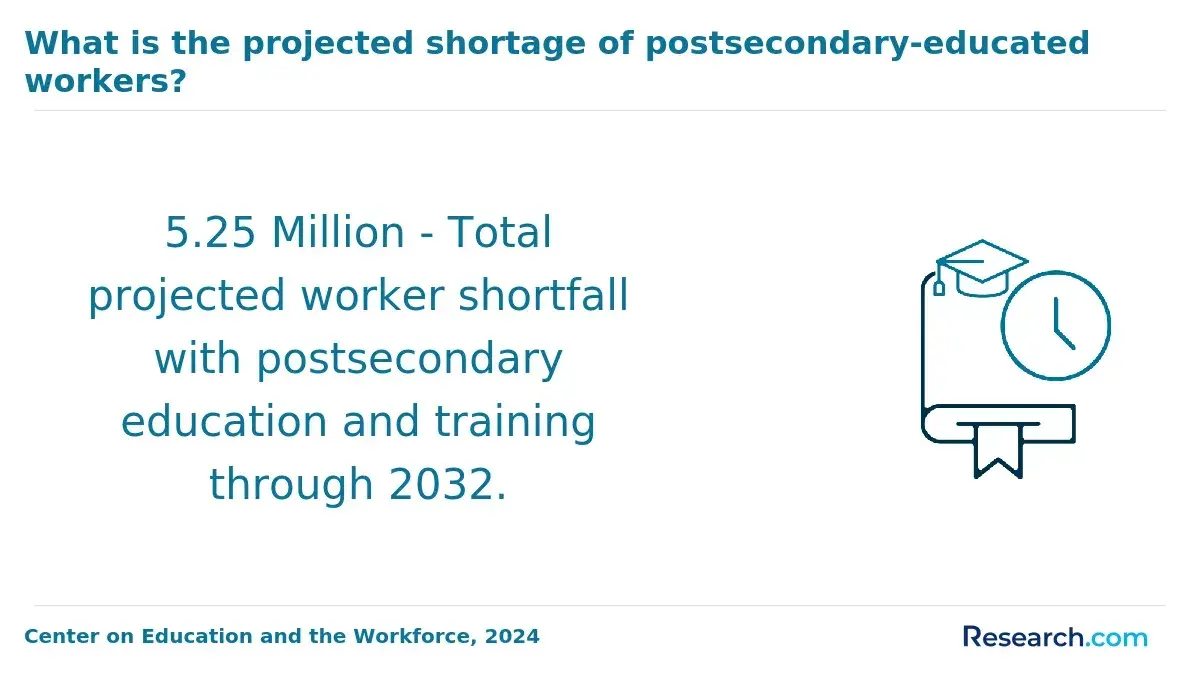
Labor market data signals a faster-than-average growth rate through 2034 for community and social service roles, illustrating a tangible opportunity for credentialed professionals. This context places a premium on how applicants substantiate their practical skills and prepare for curricula aligned with employer expectations, a consideration that should directly inform admissions strategy and choice of program.
How long do online human services degrees take, and what do they cost to complete?
Choosing an online human services degree requires balancing time, cost, and career outcomes with workforce realities. Associate degrees take about 2 years but limit access to higher-paying licensed roles, while bachelor's degrees require roughly 4 years and open pathways to social work positions with median wages around $61,330 annually. Master's degrees accelerate specialization in 1.5 to 3 years but demand higher investment, often between $12,000 and $35,000 total tuition.
Part-time options extend study length but improve work-study balance, critical for professionals maintaining income during training. Tuition varies widely; a bachelor's program may cost $15,000 to $40,000, with public in-state rates generally more affordable. Beyond tuition, expenses such as technology fees and practicum placements add financial strain that students must plan for to avoid interruption.
Financial considerations include employer tuition assistance and federal aid, which can influence affordability and persistence. A prospective student should assess the return on investment by factoring in lost wages during full-time study against potential salary gains and job security. For example, social and human service assistants earn about $45,120 median annually but face limited promotion without further credentials.
- Completion speed and costs differ significantly by degree level and study mode.
- Projected wages support bachelor's or higher credentials for durable advancement.
- Practicum requirements and scheduling flexibility are non-negotiable logistical factors.
Students pursuing online human services degrees must strategically align their educational path with realistic workforce demands to ensure educational investment translates into measurable career benefits.
What careers can you pursue with an online human services degree and where can you work?
Holding an online human services degree opens diverse career paths but demands careful alignment of specialization, licensure, and workplace settings. For example, becoming a licensed marriage and family therapist typically requires private practice or clinical employment settings, carrying median salaries around $63,780, while occupational therapists, with more extensive credentialing-including accredited clinical hours and national exams-earn higher median wages near $98,340. Without these certifications, career options shift toward lower-paid support roles with limited client engagement.
Employment prospects hinge heavily on practical skill acquisition. Employers favor applicants proficient in crisis intervention, assessment, and resource coordination-skills embedded through internships or practicum components in accredited online programs. A graduate focusing on case management might find roles within public health departments or nonprofit organizations addressing complex community challenges like addiction recovery and housing assistance.
Choosing an employer also involves tradeoffs based on geographic flexibility and workplace structure. Hybrid or remote-capable organizations better suit those requiring location independence, while community-based service growth favors professionals adept in digital client management and interdisciplinary collaboration.
- The licensing and certification process sharply narrows or expands earnings potential and workplace options.
- Workplace selection impacts job function-from direct client therapy to program administration.
- Hands-on experience remains critical despite the online format of most programs.
Data referenced by Hilbert College Online from the U.S. Bureau of Labor Statistics provide empirical grounding for these conclusions.
What are the salary ranges and job outlook for human services professionals in the United States?
Job projections for social and human service roles suggest persistent employer demand paired with a need for specialized skills, creating a nuanced hiring landscape. An 8% growth rate from 2023 to 2033 outpaces the general occupational expansion but also signals heightened competition, especially for positions requiring capabilities in program evaluation, grant writing, and community outreach coordination.
Wage data reveal important tradeoffs: social and human service assistants earn a median of about $37,000 annually, with entry-level salaries near $29,000 and top earners in high-demand regions reaching $50,000. Managers in social and community service command significantly higher wages, around $74,000 median and upwards of $112,000 for senior roles. However, nonprofit employers typically offer lower pay compared to government or healthcare organizations, which should influence educational and career decisions.
For working adults shifting into this field, credentialing that emphasizes advanced skills linked to social work or healthcare administration can accelerate hiring and improve earnings potential. Such investments offset initial salary limitations and open pathways to leadership, where interdisciplinary coordination becomes critical.
How do licensing, certifications, and background checks affect human services career pathways?
Licensing, certification, and background checks form critical gatekeeping mechanisms in human services careers, directly shaping who qualifies for frontline and supervisory roles. For instance, many positions require state-specific credentials like Certified Human Services Professional, especially when working with vulnerable groups. Lacking these credentials can bar candidates from key roles or leadership tracks.
Background checks are universal in human services due to client safety obligations, often introducing hiring delays and complicating applications for those with minor offenses. Employers interpret clean checks and compliance as essential to trust and risk management.
Strategic acquisition of certifications tailored to a chosen focus is a common pathway to higher pay and responsibility. For example, social and community service managers earn a median $78,240, considerably more than the $45,120 median for assistants, per U.S. Bureau of Labor Statistics data reported by edX. Yet this advancement demands navigating costly education, time investment, and state-specific renewal cycles-a tradeoff that must be factored into career planning.
Practical hurdles include aligning educational timelines with licensure exams and balancing disclosure during background screening. Choosing programs offering integrated certification prep can reduce credentialing friction. Career changers especially must sequence these steps carefully to avoid employment gaps and maintain mobility within regulatory frameworks.
Other Things You Should Know About Human Services
Recognition varies significantly by specialty and employer. Degrees from regionally accredited institutions generally hold credibility, but some specialized employers prioritize practical experience or certifications over the degree's format. For roles requiring licensure or advanced clinical work, on-campus or hybrid programs with extensive supervised practice are often favored. When choosing an online program, prioritize those with strong practicum components and documented employer partnerships to ensure alignment with specialization and job market expectations.
Broader programs offer greater flexibility for diverse career paths and adaptability to shifting labor markets. However, narrowly focused programs provide targeted expertise, which employers in specialized sectors often require for advancement. For career changers or those early in their professional development, comprehensive programs with a strong foundation in human services principles and transferable skills provide more security. For professionals seeking promotion or licensure in a specific area, specialized degrees aligned with employer demands and certification pathways are more effective investments.
Job placement support varies widely by institution. Traditional programs often have established employer networks, alumni connections, and dedicated career services that online programs may lack or deliver in a limited form. Graduates of online degrees should proactively seek programs that offer virtual internships, mentorships, and career counseling tailored to human services. Prioritize programs that demonstrate measurable employment outcomes and provide guidance for navigating certification or licensing requirements post-graduation.
References
- Online Social Work Degree Programs | Pacific Oaks College https://www.pacificoaks.edu/social-work-degree-programs/
- Training for Health Care Jobs in California: Opportunities for Workers without a Four-Year Degree - Public Policy Institute of California https://www.ppic.org/publication/training-for-health-care-jobs-in-california-opportunities-for-workers-without-a-four-year-degree/
- Online Bachelor’s Degree in Human Services https://www.monroeu.edu/academics/undergraduate-programs/school-criminal-justice/online-bachelors-degree-human-services
- Is a Human Services Degree Right for You? https://www.ucumberlands.edu/blog/is-a-human-services-degree-right-for-you
- Choosing a bachelor's in human services | edX https://www.edx.org/resources/how-to-choose-a-bachelors-in-human-services
- Human Services Degree Online | Bachelor in Human Services https://www.montreat.edu/online/human-services/
- 22 Best Associate Degree in Human Services - Social Work Degree Center https://www.socialworkdegreecenter.com/best-human-social-services-associate-degrees/
- Online Bachelor's Degrees in Human Services: Top Schools https://www.edumed.org/online-schools/human-services-degrees/bachelors/
- 2026 Guide to Healthcare Background Checks - Verisys https://verisys.com/blog/healthcare-background-checks-guide/
- Human Services Online - Saint Mary-of-the-Woods College https://www.smwc.edu/departments/social-behavioral-sciences/human-services-online/