2027 Best Online Human Services Programs for Service-Minded Professionals

Co-Founder and Chief Data Scientist
Facing the relentless demands of an evolving social support landscape, many working professionals aiming to enter or advance in human services confront a pressing dilemma: how to obtain a relevant degree without pausing or compromising their current career and personal obligations. This tension is intensified by workforce data from the U. S. Bureau of Labor Statistics showing that employment in human services occupations is projected to grow 13% through the next decade, a rate much faster than average. However, traditional on-campus programs often lack flexible schedules, limiting access for adult learners balancing jobs and family. This article evaluates the best online human services programs designed to accommodate those constraints, offering actionable guidance to navigate program flexibility, accreditation, and career outcomes for service-minded professionals.
Key Things You Should Know
- Enrollment in online human services programs surged 23% in 2024, but slower clinical practicum placement rates-down 15% nationally-create a bottleneck delaying licensure and workforce entry.
- Employers increasingly seek candidates with integrated data analytics skills for client assessment, yet fewer than 30% of programs embed these competencies, complicating graduate hiring prospects.
- Tuition inflation averaging 6.5% annually outpaces stipend growth for social service roles, forcing many learners to weigh longer debt repayment timelines against immediate field experience tradeoffs.
What is an online human services degree, and who is it best suited for?
An online human services degree equips professionals with practical skills in counseling, case management, and resource coordination, particularly for roles requiring direct client engagement and systemic advocacy. For example, workers in substance abuse treatment centers can leverage this credential to advance into supervisory roles overseeing compliance and program delivery, applying both practical and theoretical knowledge acquired in the program. Professionals evaluating the best online human services programs for compassionate professionals should weigh the flexibility offered against the challenge of independently securing local practicum placements, a common requirement for applied learning components.
The projected 8% employment growth for social and community service managers through 2033 signals steady demand, especially in nonprofit and public sectors. However, graduates must verify that their chosen program's accreditation aligns with employer expectations and state certification, particularly for clinical or specialty career paths. Online delivery often integrates virtual simulations or local internships to enhance workforce readiness, yet prospective students need to assess how well their program supports networking with experienced practitioners and addresses emerging field challenges like trauma-informed care and digital case management.
Those targeting nuanced clinical roles might also consider related options such as marriage and family therapy master's programs online, which offer different licensure pathways. Ultimately, the decision hinges on balancing program content, employer recognition, and personal career context to ensure the degree's practical value for a service-driven career pivot or advancement in human services.
How do accredited online human services programs work compared with campus-based options?
Choosing accredited online human services degree programs offers flexibility but introduces tradeoffs impacting practical skill acquisition and professional networking. Asynchronous coursework replaces the synchronous, campus-based schedules common in traditional programs, enabling students to balance work and family while progressing remotely. For instance, a social work professional can engage with client-interaction modules online while managing an active caseload, a flexibility often absent in campus programs.
Online programs emphasize virtual simulations and recorded lectures to approximate experiential learning; however, students must compensate for limited in-person mentorship and immediate faculty feedback. Managing group projects and practicum opportunities requires proactive coordination, typically less centralized than campus counterparts. Despite these challenges, employers increasingly equate online credentials from regionally accredited institutions with campus degrees, particularly when students fulfill identical field internship requirements.
Compliance with local licensing board standards for in-person field hours is a critical consideration. Licensure-dependent roles may necessitate on-site placements, underscoring the need for thorough planning. The median annual wage for social and community service managers was $77,030 in May 2024, reflecting strong labor market demand for credentialed practitioners. Balancing these operational realities is essential when evaluating differences between online and campus-based human services education.
Prospective students who prioritize flexible scheduling paired with self-motivation can benefit from online formats, while those requiring structured peer interaction may lean toward traditional campuses. For those exploring alternatives, reviewing easiest counseling degree programs can provide comparative context within social services education pathways.
What types of online human services degrees can you earn, from associate to master's?
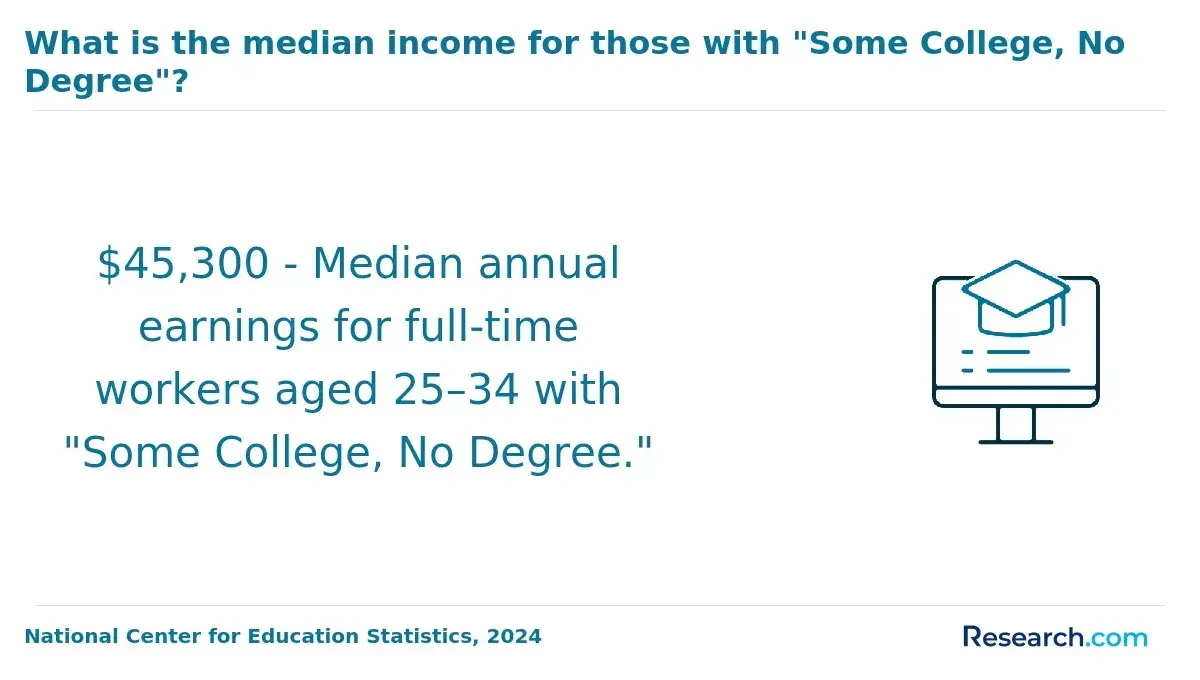
Choosing an online human services degree program requires aligning educational level with workforce realities and career objectives. Pursuing an associate degree typically leads to entry-level roles such as community outreach assistants, offering foundational skills in client interaction and resource coordination within approximately two years. This route is practical for individuals needing quick employment but limits advancement without additional credentials or experience.
Bachelor's programs span about four years, deepening competencies in ethical frameworks and program development, which prepare graduates for supervisory positions like social service coordinators or youth program managers. However, field experience remains critical; programs with integrated practicum options better facilitate employment transitions. Selecting a bachelor's degree often reflects a strategic balance between time investment and mid-level supervisory ambition within this sector.
Master's degrees emphasize leadership, clinical supervision, and policy advocacy, reflecting elevated employer expectations, especially given the U.S. Bureau of Labor Statistics' projection of 17,400 annual job openings for social and community service managers through 2034. For professionals aiming at administration or strategic program oversight, including grant management, these degrees offer a pathway to advanced roles. Prospective students should also consider options like master of social work programs that may offer complementary skills or alternative pathways.
Overall, navigating associate to master's human services online degrees demands thoughtful consideration of immediate employment needs, long-term goals, and program features like accreditation and practicum flexibility. These factors collectively influence employability in regulated segments requiring licensure or certification and impact career trajectory within the evolving human services landscape.
How can you verify that an online human services program is properly accredited and reputable?
Program accreditation is a fundamental factor shaping professional prospects in human services. Regional accreditation by recognized bodies such as the Middle States Commission on Higher Education or the Higher Learning Commission signals compliance with rigorous academic and operational standards, often favored by employers over national accreditation. For those targeting licensure or employment in social work or related specialties, confirming that a program is accredited by the Council on Social Work Education (CSWE) is non-negotiable since many public and nonprofit agencies mandate it for advancement or certification.
Reliance solely on institution websites or third-party marketing claims risks enrollment in unaccredited programs, which can derail career trajectories. Using official sources like the Database of Accredited Postsecondary Institutions and Programs (DAPIP) provides a verifiable accreditation baseline, ensuring that the program's credentials will be recognized in real workplace settings. This approach reflects a practical discipline essential for recognizing reputable online human services degree programs.
Cost considerations must be coupled with outcome transparency: with an average public four-year tuition near $11,260, students should seek programs that demonstrate graduate employment rates, certification exam success, and job placement speed. Programs with strong employer partnerships and flexible practicum options tailored for working adults or veterans often deliver measurable value by reducing delays between graduation and workforce entry.
For working professionals evaluating options, tools like the online masters degree in human resource management rankings can provide comparative data to gauge human services programs that align with broader workforce demands and career pivot strategies.
What courses and specializations are typically offered in online human services programs?
Choosing a specialization within online human services programs requires weighing local labor market demands against personal career objectives. For example, in urban centers, a focus on mental health services can open doors to a range of clinical and community-based roles, whereas rural areas may place more value on expertise in child and family welfare due to demographic needs. This geographic variability can significantly affect employability after graduation.
Core online curricula typically cover ethics, case management, counseling techniques, and social policy analysis, but successful candidates also need practical competencies gained through virtual practicums or field placements. This applied experience enhances employer confidence, particularly as demand grows for job-ready professionals who can navigate real-world challenges beyond theory.
Financial considerations are pivotal: with the average undergraduate debt near $30,000, students should examine how broad versus niche specializations align with licensure pathways, program outcomes data, and job placement rates. Broad programs offer flexibility but may dilute perceived expertise, while specialized tracks generally increase chances for targeted employment yet limit adaptability.
Additional coursework in crisis intervention, cultural competency, and grant writing adds layers of complexity that reflect the evolving societal context and funding environment for human services. Prospective students must also plan for technology demands and time management, which are integral to balancing online study with existing personal or job commitments.
What are the typical admission requirements and application materials for online human services degrees?
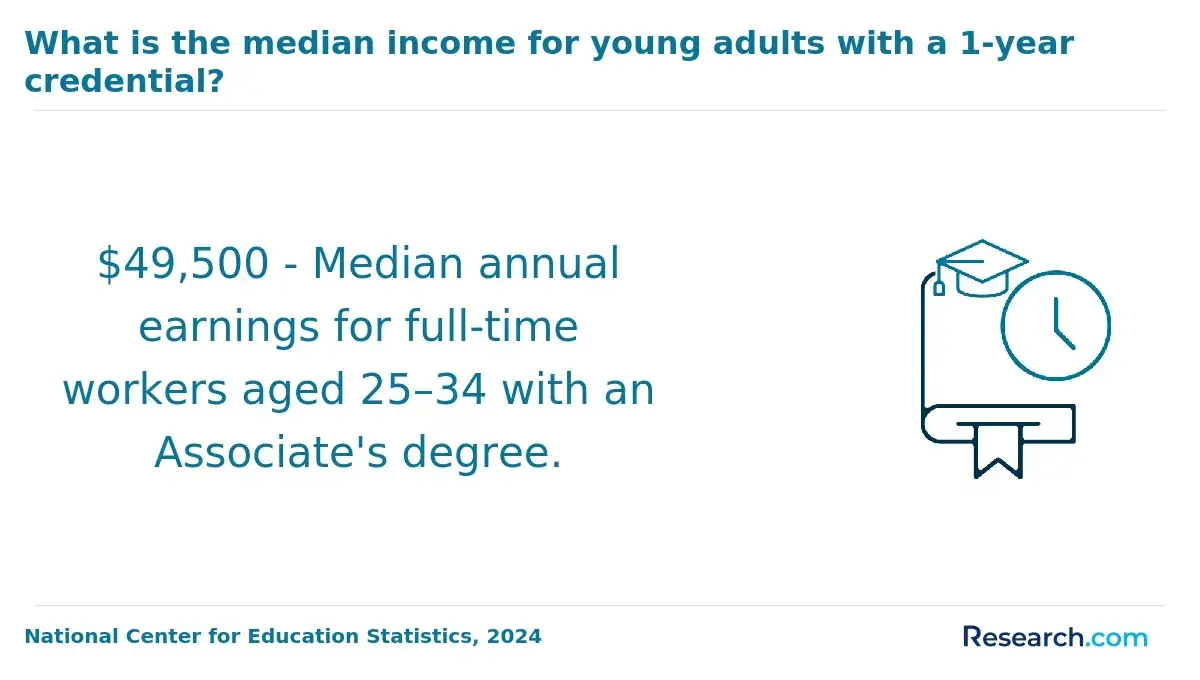
Admission requirements for online human services degrees serve as a practical filter balancing academic readiness and workforce relevance. While a high school diploma and minimum GPA-often between 2.5 and 3.0-are baseline expectations, competitive programs may demand stronger academic records. Applicants typically submit formal applications with personal statements emphasizing motivation and experience, plus two or three recommendation letters from professionals who can attest to their suitability for human services roles.
Standardized tests like the ACT or SAT are increasingly optional, responding to educational disruptions and shifting admissions policies. For working adults lacking recent academic credentials, programs often accept relevant professional experience, certifications, or military service as alternative qualifications. This flexibility recognizes practical expertise in areas such as case management or counseling support, which are critical for employability in the field.
Online learners must demonstrate technological competence and consistent access to reliable internet and equipment, reflecting the reality that over half of U.S. postsecondary students engage in distance education. Additionally, some programs demand background checks or health clearances for practicum placements involving vulnerable populations, adding logistical steps that can delay program progression if unprepared.
- High school diploma or equivalent with minimum GPA
- Personal statement and two to three letters of recommendation
- Optional standardized tests; alternative pathways for experienced professionals
- Proof of technological proficiency and internet access
- Background checks and health clearance for internships
How long do online human services programs take, and what do they usually cost?
Completion timelines for online human services programs directly shape workforce reentry and earning potential. Associate degrees typically require about two years full-time, while bachelor's degrees extend to three or four years. Master's programs offer accelerated paths of 18 to 24 months but often stretch beyond three years for students balancing employment. This extended duration can delay income gains and professional advancement, making part-time or condensed courses critical options for those needing flexibility.
Costs fluctuate widely depending on institution type and degree level. Undergraduate tuition ranges from roughly $10,000 to $50,000, with master's degrees costing between $15,000 and $40,000. Public universities provide relative affordability, especially for in-state students, whereas private institutions command higher rates. Additional expenses such as licensing exams, technology requirements, and supervised internships can increase total costs by 5-15%-a significant factor when evaluating return on investment.
Employers place increasing emphasis on master's credentials for management roles, which typically yield 15-25% higher salaries than entry-level positions. However, mandated practical training, often requiring in-person fieldwork despite the online curriculum, lengthens programs and adds complexity for working professionals. Prospective students must carefully weigh these tradeoffs and consider strategies like employer tuition assistance and federal aid to manage financial strain and align study intensity with job demands.
What jobs can you get with an online human services degree, and what do they involve?
Choosing an online human services degree demands weighing practical tradeoffs between program length, cost, and licensure alignment. Graduates often fill roles like case managers, social service coordinators, mental health aides, or community outreach specialists, each with unique demands. For instance, case managers require strong organizational and communication skills to assess client needs and link them to resources, while social service coordinators must navigate program compliance within government or nonprofit contexts.
Employment in these fields blends direct client interaction with administrative duties such as data management and inter-agency coordination. The projected 17% growth in community and social service roles through 2032 signals expanding opportunities, particularly in underserved regions. However, variability in employer requirements complicates the pathway: some positions expect certifications beyond a bachelor's degree, like Certified Alcohol and Drug Counselor or Licensed Social Worker credentials, making initial degree choice only one step.
Programs like Purdue Global illustrate the impact of per-credit costs and completion time-$371 per credit and an average 3.5 years-on financial and scheduling feasibility for working adults. Prospective students must assess whether their chosen program supports acquiring supervised practicum hours and fits their local job market's hiring standards, as these factors directly influence employment prospects and career sustainability.
- Roles demand balancing client-facing skills with documentation and compliance.
- Industry growth favors those prepared for regional licensure and certification requisites.
- Cost and program design affect time-to-employment and financial burden.
How much do human services professionals typically earn, and what is the job outlook?
The median annual wage for human services professionals sits near $48,000, with top-tier specialists earning over $70,000 depending on their focus and location. A projected 12% job growth rate over the next decade outpaces the general labor market, fueled by rising demand in mental health, substance abuse counseling, and social support roles. This growth, however, intersects with nuanced employer expectations and geographical realities.
Employers commonly require a bachelor's degree paired with certifications or licensure for clinical or supervisory roles, though entry-level positions may accept an associate degree or diploma. Accelerated online degree options, some completing in as little as 18 months (Learn.org), appeal to career changers seeking quick qualification but limit the ability to work concurrently due to intensive coursework. Students must weigh the tradeoff between immediate income and expedited credentialing.
Regional factors considerably influence both salary and job accessibility. Urban areas like California or New York offer higher salaries alongside greater competition and a higher cost of living, while rural areas may present lower pay but less competition and improved advancement chances. Choosing the right program and location requires balancing financial constraints, program length, and realistic career goals.
Do human services careers require licensure or certification, and how can you meet those requirements online?
Licensure requirements create a critical filter for careers involving clinical, counseling, or case management work in human services, often determining employability from the start. Social workers, substance abuse counselors, and mental health specialists must complete state-mandated credentials that include supervised fieldwork-a task online programs address by coordinating practicum placements near students' residences. However, this convenience comes with the necessity for students to confirm that their online program is fully accredited and recognized by the relevant licensing boards to avoid costly credential gaps.
Decisions between clinical and nonclinical roles also carry distinct tradeoffs: clinical paths require rigorous credentialing but offer higher salary ceilings and advancement, whereas nonclinical roles like case aides may need only certification or no formal credential but generally provide limited long-term mobility. This distinction affects workforce positioning and earning potential significantly.
Tuition costs vary widely, from approximately $4,212 for 12 credit hours for Texas residents to more than double at private institutions or out-of-state programs. More affordable options may streamline licensure steps but reduce customization through fewer electives or less flexible practicum options.
Prospective students should:
- Verify state licensure rules early to align programs accordingly
- Prioritize accredited online programs with integrated clinical supervision or exam support
- Assess tuition and practicum availability to balance cost and practical training needs
Other Things You Should Know About Human Services
Online human services programs vary in rigor, but top-tier offerings maintain equivalent academic standards and learning outcomes as campus-based versions. However, some programs reduce direct client interaction or fieldwork hours, which can limit practical experience in service settings. When selecting an online program, prioritize those with mandated internships and comprehensive practicum requirements to ensure competency in real-world skills that employers expect.
Networking opportunities in online human services programs are often more limited compared to in-person settings, potentially reducing access to connections with local agencies or mentors. This can affect job placement, especially in regions where personal relationships strongly influence hiring. Students should proactively seek programs offering virtual career services, alumni networks, or local field placements that facilitate direct employer engagement to offset this disadvantage.
The best online human services programs in 2027 offer a blend of flexibility, rigorous curriculum, and strong support services. They include top-ranked universities offering comprehensive curricula, interactive coursework, and career support. These programs are designed for students aiming for impactful roles in social work, counseling, or nonprofit management, balancing academic excellence with real-world applications.
Generalist human services degrees provide broad skills applicable across social work, counseling, and community outreach, offering flexibility but less depth in any single area. Specialized degrees focus on specific populations or interventions, enhancing job readiness for niche roles but narrowing career options. Candidates should weigh immediate employment goals against long-term adaptability when selecting their focus to ensure alignment with labor market demand and personal career trajectories.
References
- Human Services Degree Online | Bachelor in Human Services https://www.montreat.edu/online/human-services/
- Online Bachelor's Degrees in Human Services: Top Schools https://www.edumed.org/online-schools/human-services-degrees/bachelors/
- Human Services (Online Program) https://www.simpson.edu/academics-programs/all-programs/human-services-online-program/
- Human Services Degree Online https://gardner-webb.edu/programs/human-services/
- What Is College Accreditation? How to Check If a School Is Legit https://abound.college/finishcollege/advice/accreditation-why-is-it-so-important/
- HS-BCP Credential https://www.nationalhumanservices.org/hs-bcp-credential/
- Human Services (Online) https://www.lmc.edu/online-programs/human-services/index.htm
- Is Your Online Degree Legitimate? How to Verify Private University Approval https://matchtocollege.com/blog/verify-private-university-online-degree-approval
- Human Services Careers | PublicHealthOnline.org https://www.publichealthonline.org/human-services/
- Choosing a bachelor's in human services | edX https://www.edx.org/resources/how-to-choose-a-bachelors-in-human-services