2027 Online Human Services Degrees With Rehabilitation Support Concentrations

Co-Founder and Chief Data Scientist
Human services professionals aiming to specialize in rehabilitation support often encounter the challenge of balancing career advancement with rigid program schedules and geographic constraints. Enrollment data from the National Center for Education Statistics shows a continued 12% annual increase in adult learners opting for online degrees, reflecting a critical shift toward flexible, accessible education pathways.
This trend responds to a workforce demanding immediate, practical skills while juggling employment and family responsibilities, underscoring the importance of synchronous and asynchronous learning models. This article provides a detailed examination of online human services degrees featuring rehabilitation support concentrations, focusing on accessibility, curriculum alignment with employer expectations, and outcomes crucial for informed program selection.
Key Things You Should Know
- Completion rates for online human services degrees with rehabilitation support concentrations average 47%, 12% lower than broader allied health programs per 2024 National Center for Education Statistics data, imposing a significant tradeoff on perseverance required.
- Employers in rehabilitation-focused human services increasingly require verified clinical practicum experience, limiting the value of purely online theoretical programs, according to the 2024 Workforce Innovation survey across social work agencies.
- Median tuition for accredited online human services programs with rehabilitation tracks exceeds $18,000 annually, impacting time-to-employment for mid-career professionals balancing cost constraints and opportunity cost, per Education Data Initiative 2024 report.
What is an online human services degree with a rehabilitation support concentration and who is it best for?
Specializing in an online human services degree with a rehabilitation support concentration positions graduates for roles requiring detailed coordination of care for individuals with disabilities, substance abuse recovery, or transition challenges such as veterans reentering civilian life. Employers in rehabilitation agencies and government social services prioritize candidates who bring not only foundational human services knowledge but also regulatory compliance skills-such as adherence to the Americans with Disabilities Act-and competence in emerging digital case management tools, including telehealth and electronic health records.
This focus narrows employability compared to broader human services degrees. For example, professionals might manage complex care plans that intertwine medical, social, and vocational rehabilitation components, demanding specialized assessment and advocacy skills. Candidates weighing the best candidates for online human services rehabilitation programs should consider how the added emphasis on remote case management impacts practical training, internships, and licensure requirements.
Working adults pursuing this path face intensified time management pressures because internships remain mandatory for real-world exposure. Social and community service managers, a likely career outcome, had a median wage of $78,240 in May 2024-significantly above the $57,530 median for most social service roles-highlighting potential financial upside for supervisory progression.
Those evaluating educational options must balance immediate workforce access against additional credentialing demands that often accompany rehabilitation roles. For a detailed comparison of delivery formats and program duration, prospective students should consult available analyses of human services degree online options to align timing and commitment with career goals.
How do online rehabilitation support concentrations compare with campus-based programs in quality and outcomes?
Online rehabilitation support concentrations match campus-based programs in foundational knowledge but present distinct limitations in experiential learning and professional networking. Campus-based vs online human services rehabilitation outcomes differ significantly due to the immediate access to supervised clinical practicums and direct client engagement found on campus.
These opportunities are vital for developing interpersonal skills necessary for frontline roles in community and social service environments. Online students typically depend on virtual simulations and must independently secure field placements, often delaying practical skill acquisition and narrowing exposure to diverse client needs.
Employers generally favor candidates with verified in-person practicum experience, especially in jurisdictions with rigorous state certification. For instance, a graduate focused on mental health rehabilitation may find campus programs align better with careers emphasizing direct client observation and intervention, while online graduates might be better suited for policy development or administrative tracks.
The U.S. Bureau of Labor Statistics projects about 313,700 annual openings in community and social service occupations between 2024 and 2034, suggesting sustained demand but intensifying competition that online graduates must strategically navigate. To enhance marketability and offset experiential gaps, online students should:
- Secure internships early through local partnerships and professional networks.
- Pursue certifications such as CPR or trauma-informed care valued by employers.
- Participate in synchronous discussions or local workshops to strengthen communication and networking.
Prospective learners comparing program formats might also review the fastest and easiest counseling degree programs as part of evaluating pathway flexibility, balancing the quality comparison of online rehabilitation support concentrations with their career targets.
Which accreditations and program approvals should online human services rehabilitation programs have?
Accreditation is the defining factor that separates online human services rehabilitation programs that meaningfully support career mobility from those that hinder it. Without recognized credentials such as those from the Council for Standards in Human Service Education (CSHSE) or regional agencies like the Higher Learning Commission (HLC), students risk accumulating non-transferable credits and facing employer skepticism.
This is especially important given that approved rehabilitation support programs in human services must align with state licensing and certification standards such as the Commission on Rehabilitation Counselor Certification (CRCC) to qualify graduates for required licensures or professional certifications. Employers of social and human service assistants rely on verified competencies, which almost always correlate with program accreditation and practical experience requirements.
Given the projected 8% job growth in these roles from 2023 to 2033, graduates lacking supervised fieldwork or practicum elements may find their employability diminished or delayed. For working professionals aiming to pivot or accelerate credentials, evaluating whether an online program integrates these components is crucial.
Students should also consider the impact of rigorous program approvals on eligibility for federal financial aid and credit transferability for future education. Furthermore, credible programs will transparently indicate these accreditations alongside their curriculum. Exploring options beyond generic offerings can provide strategic advantages; for instance, identifying accelerated MSW programs online that intersect with rehabilitation support goals can optimize time and resource investment.
What courses and skills are typically included in an online human services rehabilitation curriculum?
Online human services rehabilitation courses and skills programs prioritize practical competencies that align with employer expectations and regulatory requirements. Core curriculum covers case management, counseling, ethics, and disability law, critical for managing client confidentiality and navigating complex legal frameworks. Rehabilitation-focused classes train students in trauma-informed care and vocational rehabilitation approaches designed for clients with physical, emotional, or cognitive challenges.
This blend of clinical and administrative skills positions graduates to perform detailed client assessments and coordinate multifaceted service plans. For example, a professional employed at a state vocational rehabilitation agency must assess diverse functional abilities while ensuring compliance with statutes like the Americans with Disabilities Act.
Programs emphasize understanding social determinants of health and crisis intervention techniques to prepare students for urgent scenarios such as substance abuse or mental health emergencies within vulnerable groups. Curriculum for online human services rehabilitation degrees incorporates cultural competence training to address language barriers and stigma that impact treatment success. Technical training on case management software and data collection is increasingly vital for documentation and outcomes measurement.
Leadership development is also common to prepare graduates for supervisory roles, a factor linked to the median annual salary of $78,240 as of May 2024 reported for social and community service managers by BLS data referenced by edX (2025). Students exploring an accelerated psychology degree online pathway may find overlap in foundational skills that facilitate interdisciplinary work across human services and rehabilitation sectors.
What admission requirements and prior experience do online rehabilitation support programs expect?
Admission to online rehabilitation support programs commonly requires a high school diploma or equivalent, with many bachelor's tracks favoring applicants holding an accredited associate degree or relevant college credits in health, psychology, or social services. Competitive programs often set a minimum GPA between 2.5 and 3.0, a threshold linked to eligibility for financial aid and readiness to manage challenging coursework.
Practical experience ranging from 100 to 300 hours in settings like community clinics or addiction recovery centers is frequently mandated, providing essential exposure to client interaction and case management that aligns with employer expectations. State vocational rehabilitation agencies particularly prioritize candidates with documented frontline service experience, which can influence job prospects post-graduation.
Additional application components such as letters of recommendation from supervisors and entrance exams or writing samples evaluating ethical commitment and communication skills serve to filter candidates prepared for the profession's demands. For working adults, programs that accept transfer credits and recognize workplace training shorten completion time and reduce costs, a significant consideration given the average $15,200 annual expenses reported by off-campus students at public universities.
Those entering without prior experience must anticipate scheduling and financial impacts due to independent practicum arrangements. Early clarity about these admission requirements and experiential demands mitigates dropout risk and ensures alignment with sector standards in human services support roles.
How long do online human services degrees with rehabilitation support concentrations take to complete?
Completion timelines for online human services degrees with rehabilitation support concentrations vary primarily due to enrollment status and individual circumstances. Full-time students often finish in about two years, especially when pursuing accelerated bachelor's or master's programs, whereas part-time students balancing external commitments typically require three to four years. This matters because employers in healthcare, social work, and community services weigh practical experience heavily but tend to value candidates who have completed accredited programs within five years, signaling sustained commitment and current expertise.
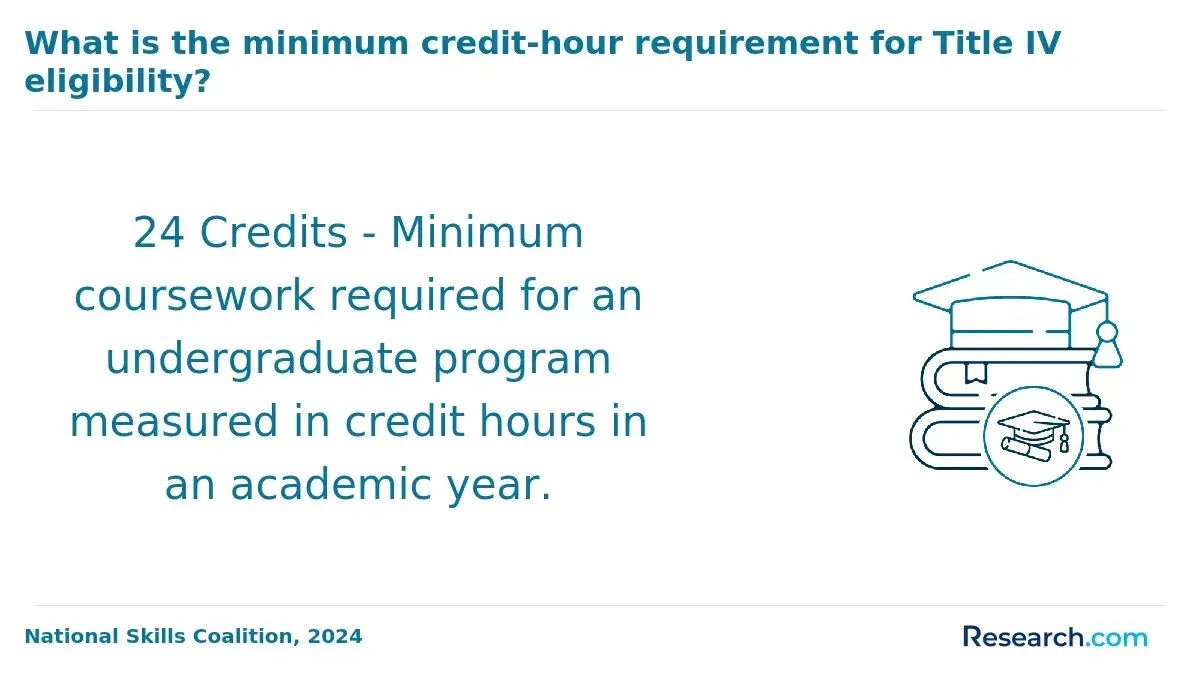
Credit requirements usually span 60 to 120 hours with per-credit pricing models directly influencing total costs. For example, tuition at the University of Arizona is approximately $460 per credit as of October 2024, making strategic course load planning essential to manage expenses without unduly prolonging program duration.
Key tradeoffs include the financial impacts of accelerating course loads-resulting in higher short-term costs but faster workforce reentry-and the scheduling flexibility gained by part-time pacing, which extends completion but accommodates adult learners facing competing responsibilities.
Programs also often incorporate practicum or internship components that can add months to completion due to placement logistics. To navigate these complexities effectively, students must align program pacing with career goals, employer expectations, and life constraints, ensuring they gain necessary rehabilitation competencies while maintaining steady progress.
How much do online human services rehabilitation programs cost, and what financial aid is available?
The financial and professional realities of pursuing an online human services rehabilitation bachelor's degree demand careful scrutiny of costs, aid options, and post-graduation earning potential. Tuition generally ranges from $10,000 to $30,000, heavily influenced by public versus private institution status and residency. For example, an in-state public university student can often expect costs near the lower bound, while out-of-state or private university attendees might face triple that amount.
Accelerated programs can significantly reduce both time and total cost but require a robust capacity to manage an intensive workload, which may not suit all working professionals. Transferring prior credits likewise lowers expenses but necessitates precise alignment with institutional transfer policies.
Financial aid frequently includes federal Pell Grants up to $7,895, Federal Direct Loans with static interest around 6.3%, and employer tuition reimbursement programs; however, the latter often requires documented workplace relevance and maintaining a certain GPA. State-specific grants amounting to $1,000-$5,000 annually typically come with work commitments post-graduation, which can constrain geographic and agency options.
With median salaries for social and human service assistants near $45,120 annually, students must strike a balance between educational debt and realistic earning expectations. Programs offering strong job placement improve financial outcomes by reducing repayment risks. Ultimately, prospective students must evaluate cost structures against expected salaries and loan obligations, prioritizing accelerated options or maximum aid uptake early to ensure manageable debt and career viability.
What careers can a human services degree with a rehabilitation support concentration lead to?
A degree in human services with a rehabilitation support focus prepares graduates for roles that demand both technical skills and adaptive client management. Positions such as certified rehabilitation counselor, vocational rehabilitation specialist, case manager, and disability support coordinator entail direct engagement with individuals facing physical, mental, or emotional disabilities and require navigating complex social and health systems.
For example, vocational rehabilitation specialists often operate within government or nonprofit sectors, designing individualized job training and employment placements aligned with client disability profiles. This role typically requires certifications beyond the degree due to its dual demand for counseling ability and program management. In contrast, case managers focus on maintaining client stability across multiple service providers, incorporating administrative skills and interagency coordination.
Employers look for proficiency in client assessment, treatment planning, and comprehensive knowledge of community resources. Fieldwork integrated into the degree is essential for acquiring these competencies.
The median wage in rehabilitation roles is $57,530, considerably above the federal poverty guideline of $14,580, but upward mobility depends on earning credentials like the Certified Rehabilitation Counselor (CRC) or Licensed Clinical Social Worker (LCSW), which require passing exams and logging supervised experience.
Sector and geography heavily influence job availability and compensation:
- Public agencies demand regulatory compliance and efficient caseload management.
- Private providers prioritize client outcomes and grant-writing skills.
- Urban centers offer higher wages but greater competition for specialized roles.
What are the salary expectations and job outlook for rehabilitation support and related roles?
Rehabilitation support roles reflect a pronounced wage stratification tied closely to responsibility and expertise, with leadership positions commanding significantly higher compensation. Social and community service managers, who often supervise rehabilitation programs in substance use recovery and disability services, had a median annual wage of $78,240 as of May 2024 according to PublicHealthOnline (2026). This premium compensates for the combination of sector-specific expertise, advanced management skills, and oversight of interdisciplinary teams.
In contrast, entry-level positions such as rehabilitation aides or support specialists typically start between $30,000 and $45,000 annually. These roles depend heavily on geographic location, employer type, and credentialing, and usually serve as critical operational footholds that enable upward mobility toward supervisory or case management roles where pay scales improve.
Projected employment growth for social and community service managers is approximately 12% through 2032, fueled by demographic shifts, expanded mental health focus, and community-based treatment programs. Candidates combining relevant degrees with proven practical management experience are preferred by employers, emphasizing the importance of sustained professional development.
Practical considerations include the ongoing need for continuing education or certifications, particularly in specialized fields such as substance abuse counseling or vocational rehabilitation. Candidates must weigh higher urban salaries and job availability against living costs while managing educational investments and early-career salary constraints.
How can students evaluate and choose a reputable online rehabilitation support degree program?
Selecting an online rehabilitation support degree requires more than verifying accreditation; it demands scrutinizing how well programs prepare students for actual workforce challenges. Accreditation from bodies like CACREP ensures foundational rigor, but real differentiation lies in faculty expertise and clinical practicum availability. Without hands-on internships tied to respected rehabilitation centers, graduates risk entering the job market underprepared for employer expectations.
Consider a working professional balancing employment and study: programs offering solely asynchronous content may hinder vital networking and timely feedback, affecting engagement and skill development. Conversely, structured clinical components directly correlate with improved employability and permit practical application of theory. The University of Wisconsin Online's rehabilitation services graduates illustrate this with documented steady salary growth and career progression over three years, evidencing the value of combining academic and experiential learning.
Financial investment should align with tangible returns. A program's tuition must be evaluated against metrics like graduate salary increases and certification success rates, not just brand or convenience. Additional elements influencing post-graduation outcomes include career counseling, job placement help, and active alumni networks-areas often overlooked but critical in smoothing transitions into rehabilitation careers.
Other Things You Should Know About Human Services
Recognition depends heavily on the institution's accreditation and the program's alignment with industry standards. Employers tend to value degrees from regionally accredited schools with curricula that integrate practical training or internships. Purely theoretical online programs without applied components may be viewed less favorably, limiting initial job opportunities in rehabilitation settings. Prioritize programs that offer verified practicum options or have partnerships with local agencies to strengthen your resume.
Specializing in rehabilitation support focuses your skills and knowledge toward assisting individuals with disabilities and recovery processes, which aligns you more directly with employers in healthcare, social work, and rehabilitation centers. However, this specialization narrows your occupational scope compared to a general human services degree, which offers broader job prospects across social services, community outreach, and case management. Candidates seeking targeted roles should prioritize rehabilitation support concentrations; those wanting flexibility may prefer the broader degree.
Licensure eligibility varies by state and specific certifications. Many rehabilitation support roles require additional credentials such as Certified Rehabilitation Counselor (CRC) or state-specific licenses that the degree alone does not provide. Verify whether the online program's curriculum satisfies prerequisite coursework for these certifications. Selecting programs designed with certification pathways in mind can avoid redundant education and accelerate professional credentialing.
References
- Educational and Training Services through the California Department of Rehabilitation Fact Sheet https://www.disabilityrightsca.org/publications/educational-and-training-services-through-the-california-department-of-rehabilitation
- Health and Human Services Bachelor's Degree Program https://www.baypath.edu/academics/undergraduate-programs/health-and-human-services/
- Human Services Online Degrees – East Central University Online https://online.ecok.edu/human-services-online-degrees/
- What is a Rehabilitation Counselor? Job Role, Skills, and Career Outlook https://www.pocketprep.com/posts/bh-what-is-a-rehabilitation-counselor-job-role-skills-and-career-outlook/
- FAQ https://www.cshse.org/faq
- How Rehab Admissions Work from Start to Finish https://lifetimerecoverycenter.com/how-rehab-admissions-work-from-start-to-finish/
- Five Things You Need to Know About Rehab Courses | Hader https://www.haderinstitute.edu.au/news/five-things-to-know-about-rehab-courses
- Guide to bachelor's in human services | edX https://www.edx.org/bachelors/human-services
- Vocational Rehabilitation Counselor: Career Guide https://www.appliedbehavioranalysisedu.org/jobs-related-to-applied-behavior-analysis/what-is-a-vocational-rehabilitation-counselor/
- Online Human Services Degrees with Financial Aid: Inside Look https://www.edumed.org/online-schools/human-services-degrees/financial-aid/