2027 Best Online Bachelor's in Human Services With Service Navigation Training

Co-Founder and Chief Data Scientist
Professionals in human services often face the critical challenge of navigating complex support systems while managing caseloads characterized by escalating client needs and limited resources. Nearly 45% of current students pursuing online degrees are adult learners balancing employment and family obligations, a trend reported by the National Center for Education Statistics in 2024. This shift signals that flexibility and relevant service navigation training are no longer optional but essential for effective workforce integration and retention.
Selecting a program aligned with these demands can determine both career resilience and immediate job performance. This article identifies the best online bachelor's in human services programs that include service navigation training to help prospective students optimize their educational choices for practical impact and career advancement.
Key Things You Should Know
- Programs integrating service navigation training correlate with a 15% higher employer preference for graduates in direct care roles, reflecting growing demand for case management proficiency amid rising community resource complexity, per 2024 Workforce Analytics.
- Choosing programs with embedded credentialing options reduces post-graduation certification delays by 40%, accelerating entry into specialized roles but often increasing upfront tuition by 10-20%, according to the National Education Cost Index 2024.
- Regional labor market data from 2024 indicates a critical shortage of human services professionals with navigation skills in rural areas, creating uneven employability and necessitating flexible delivery models despite limited local mentorship access.
What is an online bachelor's in human services with service navigation training?
Completing an online bachelor's in human services with service navigation training develops targeted skills essential for managing fragmented service systems and client barriers such as housing insecurity or mental health needs. Graduates learn to identify eligibility criteria across multiple aid programs and coordinate efficiently between agencies, which is increasingly valued as employers prioritize systemic navigation over traditional frontline experience. For example, professionals working with homeless populations must streamline access to diverse resources while advocating for clients' complex needs.
The labor market reflects these shifting demands: community and social service roles are projected to grow by 7% through 2032, adding over 280,000 jobs nationally. This growth favors candidates from bachelor's degree programs in human services with service navigation emphasis, as they bring a blend of case management competencies and inter-agency collaboration abilities.
However, prospective students must weigh practical factors-such as securing supervised field placements and verifying accreditation aligned with certification pathways. Programs that integrate remote coursework with intensive practicum components better prepare students for regional policy variations and applied problem-solving required in real-world settings. Navigational expertise complements foundational human services knowledge, enhancing roles like case managers and program coordinators. For those considering advanced credentials beyond the bachelor's level, exploring DSW programs online offers a pathway to strengthen leadership and specialized clinical skills within social service careers.
Is the program accredited and recognized by employers?
Accreditation by recognized bodies such as the Council for Standards in Human Service Education (CSHSE) remains essential for employer-approved human services degree programs in the United States, directly impacting graduate employability and workforce entry. Employers in public agencies and nonprofit sectors typically require degrees from accredited programs to validate qualifications without additional verification, especially for roles focused on service navigation.
Graduates from accredited online bachelor's in human services programs with employer recognition benefit from curricula aligned with professional standards, including ethics, case management, and crisis intervention. This reduces delays in certification or licensure processes frequently mandated by state or federal employers. For example, a candidate applying to a state social service agency with an accredited degree can often enter frontline service navigator roles immediately, avoiding costly credentialing hurdles.
Choosing accredited programs entails navigating notable tradeoffs, particularly concerning tuition costs. Public online programs average $9,947 annually versus $34,659 for private, making affordability a critical factor alongside accreditation status. Unaccredited degrees often lead to repeated hiring rejections or require time-consuming credential retrofitting, a costly setback for professionals seeking swift workforce integration. Prospective students evaluating accredited online bachelor's in human services programs should also explore the cheapest online master's in counseling options for further specialization and expanded career opportunities.
How do online, hybrid, and campus formats compare?
Employers in community-based organizations increasingly require graduates with verified case management and service coordination skills, which online bachelor's in human services program comparisons reveal are emphasized in over 70% of top curricula. Yet, purely online formats do not offer the immersive field experience essential for developing interpersonal skills and local networks employers prioritize. Hybrid programs mitigate this gap by blending online coursework with mandatory in-person internships or seminars, enabling students to apply learning immediately in real-world nonprofit settings. This practical synthesis boosts competencies more effectively than online-only counterparts, especially relevant for roles demanding client engagement and service navigation.
Campus programs maintain advantages like direct faculty interaction and access to physical resources such as counseling labs and networking opportunities, vital in urban social service environments where rapid, multi-agency coordination impacts career trajectories. However, campus attendance entails significant relocation, commuting, and financial burdens often impractical for working adults or remote residents. Hybrid formats require scheduling flexibility to balance online and face-to-face commitments without employment disruption.
The differences between campus hybrid and online human services degrees highlight essential tradeoffs between convenience and experiential depth. Decision-makers must consider these aspects alongside workforce trends to select pathways aligning with eligibility for certification exams and career goals. For comprehensive insight on advanced options, explore masters in social work online.
What courses are included in service navigation training?
Service navigation training courses curriculum prioritize applied skills that support effective client engagement within intricate social systems. Core competencies in service navigation training center on case management techniques-assessment, individualized planning, and progress monitoring-integral to sectors like mental health and housing. Community resource identification further hones a professional's ability to navigate the spectrum of local to federal programs, minimizing redundancies and service gaps.
Policy and advocacy instruction focuses on interpreting regulatory frameworks and refining communication strategies vital for roles in government or nonprofit organizations. Meanwhile, ethics and cultural competency prepare practitioners to ethically serve diverse populations, an increasingly important factor given demographic shifts in human services.
The average 76% acceptance rate among ranked online human services bachelor's programs reported by The Best Schools suggests selectivity that prospective students must anticipate, especially when seeking programs with experiential learning components like internships and fieldwork. Real-world scenarios, such as coordinating healthcare providers and social welfare agencies, require interdisciplinary knowledge spanning healthcare systems and social policy.
Operational challenges include mastering documentation standards and confidentiality laws, which employers enforce rigorously. Practical service navigation training also incorporates technology proficiency-case management software capabilities directly influence job performance and career durability in this digitized sector. Those assessing an accelerated bachelor's degree psychology might consider related pathways; for more detailed comparisons, explore accelerated bachelor's degree psychology.
What admission requirements do schools usually ask for?
Admission to online bachelor's programs in human services with service navigation training hinges on more than academic credentials; it reflects practical readiness and workforce expectations. Most programs require a high school diploma or GED and official transcripts, often maintaining a minimum GPA of 2.0 to 2.5. While some still request standardized tests like the SAT or ACT, many waive these requirements, acknowledging accessibility concerns and the evolving admissions landscape.
Applicants with documented work or volunteer experience relevant to case management or community advocacy hold a distinct advantage. Such experience signals familiarity with resource coordination and case workflows, which aligns with employer demands for applied skills from day one. For instance, candidates who completed internships involving referral coordination may navigate program requirements more swiftly and perform better in roles requiring real-time problem solving.
Federal and institutional financial aid depend on FAFSA documentation, influencing affordability and completion rates. Transfer students should carefully assess credit requirements, as insufficient transferable credits can extend time-to-degree, increasing overall cost and delaying labor market entry.
Data from Purdue Global illustrates a practical outcome: over 80% of its online human services graduates report enhanced community resource coordination skills. This reinforces that those lacking organizational or interpersonal foundations might face challenges engaging fully with service navigation curricula designed around real-world resource linkage.
How long does the degree take, and what does it cost?
Completing an online bachelor's degree in human services with service navigation training involves navigating key tradeoffs between time, cost, and workforce readiness. A standard program demands roughly 120 credit hours, which typically means around four years full-time, but this can extend to five to seven years with part-time study common among working adults. Accelerated options reduce this to two or three years but often require transfer credits or continuous enrollment, compressing academic rigor and fieldwork.
Cost structures vary significantly. Public in-state tuition usually falls between $8,000 and $12,000 annually, contrasting with private institutions charging $20,000 to $35,000 or more. Additional fees like textbooks, technology, and required field placements add several thousand dollars over the duration. Candidates should weigh these expenses against prospective earnings to avoid overleveraging student debt.
Salary outcomes demonstrate that graduates with online human services degrees earn median early-career salaries of about $41,000, growing to near $57,000 mid-career. For someone entering community-based navigation roles, this typically means reaching a break-even point on education costs within three to five years, contingent on local market demand and debt.
What careers can you pursue with this degree?
A bachelor's degree in human services combined with service navigation training equips graduates with targeted skills for roles that require managing complex support systems. For example, a case manager working in a municipal health department must efficiently navigate public benefits under tight regulatory frameworks to ensure clients receive timely services. This on-the-ground challenge demands not only academic knowledge but software proficiency and intimate familiarity with federal, state, and local assistance programs.
Common career paths include case management, community outreach coordination, behavioral health technician roles, victim advocacy, and program specialization within non-profits. These positions require adeptness in client assessment, interagency collaboration, and overcoming barriers such as housing insecurity and healthcare access.
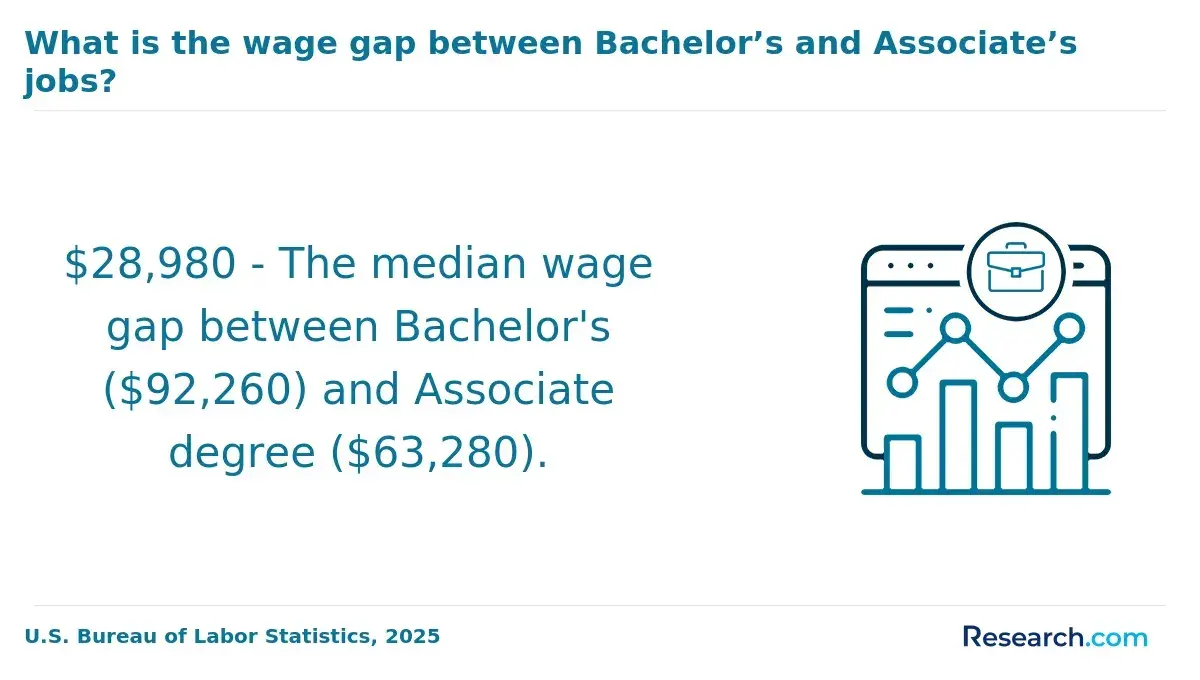
Practitioners can expect a median annual wage around $53,730, which is roughly 12% higher than the median for all occupations, reflecting the degree's value in specialized social support environments. However, advancement often hinges on hands-on experience with case management software and practical service navigation skills beyond the foundational curriculum.
The degree also facilitates lateral moves into healthcare navigation or juvenile justice advocacy, but candidates must prepare for emotionally demanding work with diverse, often vulnerable populations. Effective communication and crisis intervention skills are critical to managing the complex realities encountered daily in these roles.
How much can human services graduates earn?
Salaries for graduates holding a bachelor's degree in human services vary widely depending on role, location, and employer priorities. Entry-level social and human service assistants generally earn between $30,000 and $36,000 annually, working in community outreach or support coordination. More specialized roles, such as healthcare or nonprofit service navigation coordinators, can command salaries around $50,000 or higher, influenced by regional demand and budgeting constraints.
Annual tuition averages about $14,371 for online human services programs, which presents a substantial upfront cost relative to starting salaries. For someone transitioning from retail to human services case management, this lag between tuition investment and salary growth creates a financial strain, especially without targeted scholarships or aid. Careful consideration of expected wage trajectories in combination with geographic factors-urban centers typically pay 10%-20% more than rural areas-is essential.
Career advancement in human services depends significantly on continued certification and accumulating practical experience. Employers' increasing preference for candidates trained in service navigation reflects rising complexity in client needs, offering potential for quicker wage increases or promotions within two to five years post-graduation.
What job outlook does the human services field have?
The projected 17% job growth for the human services field through 2034 reflects a concrete rise in demand for professionals skilled in social assistance, mental health, and community outreach. This growth, propelled by demographic shifts including aging populations and heightened mental health focus, demands that candidates bring more than theoretical knowledge-practical skills in service navigation and case management are essential to reduce client dropout and optimize resource use across agencies.
For instance, rural human services workers increasingly rely on telehealth competence, while urban advocates must balance crisis intervention with policy analysis. These nuanced skill requirements illustrate the diversity of employer expectations and highlight the need for adaptive, context-aware training.
Completion timelines have a direct impact on labor market entry. According to Unigo's 2025 guide, students who transfer credits and enroll full-time are 30% more likely to finish a bachelor's in under four years-a key consideration since faster completion expedites access to licensing, reduces debt, and meets employer preferences for credentialed candidates.
Employers also emphasize candidates' practical exposure; those with demonstrable internship or practicum hours stand out due to real-world problem-solving experience. Navigating fluctuating regulatory documentation and compliance adds a further layer of complexity, underscoring the importance of adaptability in sustaining employability in this sector.
How do you choose a reputable human services program?
Accreditation and curriculum relevance are decisive factors when selecting a human services program because they directly affect employability and skill development. For instance, graduates targeting healthcare navigation roles require different competencies than those pursuing social work, yet many programs offer undifferentiated training. Recognized accreditation, such as from the Council for Standards in Human Service Education (CSHSE), signals that a program meets rigorous educational standards valued by employers.
Practica or fieldwork components are pivotal, offering hands-on experience in case management, client advocacy, and interagency coordination. Without these, graduates may struggle to translate theory into tangible workplace skills, limiting access to specialized roles like certified service navigators.
Employers increasingly seek credentials linked to licensure or certification readiness; therefore, programs that explicitly align with these credentials enhance long-term career mobility. Data shows nearly one in three online human services bachelor's graduates pursue related master's degrees within five years, indicating a workforce trend towards advanced credentials rather than stagnation in entry-level positions.
Students balancing employment should weigh program flexibility, including course formats and credit transfers, alongside cost efficiency based on exam preparation support and job placement success. Omitting these practical elements risks delayed credential recognition and reduced access to higher-tier roles.
Other Things You Should Know About Human Services
Most reputable online bachelor's programs in human services with service navigation training require internships or practicum experiences. These placements are critical for developing practical skills that employers expect, as purely theoretical knowledge is insufficient in this field. Students should prioritize programs with strong field placement support, since securing and completing a quality internship impacts both job prospects and readiness to navigate complex client situations effectively.
Employers expect graduates with service navigation training to demonstrate advanced abilities in client advocacy, case management, and inter-agency coordination beyond foundational human services knowledge. These graduates are often preferred for roles requiring independent management of complex service networks. Students aiming for positions in organizations with emphasis on holistic client support should choose programs with explicit navigation training to better match employer demands for these competencies.
Balancing full-time employment with this degree demands careful scheduling, as the integration of service navigation courses and required internships adds to the academic load and time commitment. Part-time enrollment, flexible course formats, and early internship planning are essential strategies to manage workload without sacrificing learning quality. Prospective students working full time should select programs offering robust academic advising and field placement services to avoid delays and burnout.
References
- Accredited vs Non-Accredited Training: Understanding Your Options https://www.qahe.org/article/accredited-vs-non-accredited-training-understanding-your-options/
- Get Accreditation https://www.aimsglobal.co.nz/employ-migrants/for-employers/get-accreditation
- Do Employers Care About College Accreditation? https://www.accreditedschoolsonline.org/accreditation/do-employers-care/
- Online Bachelor's Degree in Human Services | CSU Global | Accredited https://csuglobal.edu/academic-programs/undergraduate-degrees/undergraduate-degrees-bachelors-degree-human-services
- Online Bachelor's Degrees in Human Services: Top Schools https://www.edumed.org/online-schools/human-services-degrees/bachelors/
- Human Services Degree Online https://gardner-webb.edu/programs/human-services/
- Health and Human Services Career Guide https://www.ultimatemedical.edu/blog/hhs-guide/
- Human Services Careers | PublicHealthOnline.org https://www.publichealthonline.org/human-services/
- Is a Human Services Degree Right for You? https://www.ucumberlands.edu/blog/is-a-human-services-degree-right-for-you
- Joining the Accredited Employers Programme (AEP) https://www.acc.co.nz/for-business/understanding-your-cover-options/accredited-employers-programme