2027 Online Human Services Degrees for Community Support Specialist Roles

Co-Founder and Chief Data Scientist
Community support specialists often confront the urgent challenge of balancing immediate client needs with limited resources and evolving regulatory standards. With 65% of adult learners now opting for online education formats, according to the National Center for Education Statistics, accessibility and scheduling flexibility have become decisive factors in program selection. This shift signals that prospective students must weigh convenience and rigor against workforce readiness and employer expectations. Those aiming for rapid career advancement cannot afford programs that sacrifice practical skill acquisition or fail to align with sector-specific licensure pathways.
This article examines current online human services degrees tailored for community support specialists, focusing on program attributes that address these operational realities and improve employment outcomes.
Key Things You Should Know
- Online human services degrees for community support roles deliver 15-20% lower tuition costs than in-person programs but face a 12% higher completion gap, impacting long-term credential attainment and wage growth, according to NCES 2024 data.
- Employers increasingly require verified practicums; 68% of surveyed agencies by the National Organization for Human Services in 2025 prioritize programs with embedded fieldwork, influencing hiring and advancement possibilities.
- Program length varies widely-from 18-month certificates to 4-year degrees-creating timing-cost tradeoffs where accelerated options limit specialization, constraining eligibility for higher-responsibility community support positions.
What is a community support specialist, and how does a human services degree prepare you for this role?
Community support specialists require practical skills beyond theoretical knowledge to navigate complex client needs effectively. A human services degree equips them to conduct comprehensive needs assessments, develop tailored support plans, and apply intervention strategies, particularly in high-stress environments such as mental health agencies, where recognizing acute distress and implementing evidence-based responses is essential. This focus on operational readiness reflects the job description and qualifications employers seek in community support specialist candidates.
Employers weigh experiential learning heavily, favoring candidates with internships or field placements embedded in their human services curriculum. These experiences facilitate familiarity with social service systems, legal confidentiality standards, and documentation protocols, all critical for maintaining compliance and efficient interagency collaboration.
The wage data from the U.S. Bureau of Labor Statistics underlines the significance of advancing beyond entry-level roles. While community and social service occupations have a median wage around $57,530, moving into social and community service manager positions commands significantly higher earnings-an incentive to consider specialization or further education.
Prospective students evaluating an online human services degree benefit for community support specialists should balance factors such as program accreditation, regional social service demands, and integration of practical training. Different program lengths entail tradeoffs between swift entry into the workforce and deeper preparation for advancement. For those aiming to deepen expertise, exploring the best MSW programs online offers a pathway to broaden managerial competencies and elevate career prospects.
What types of online human services degrees qualify you for community support specialist positions?
Entry into community support specialist roles often hinges on selecting the right degree pathway, with a bachelor's level credential increasingly regarded as a minimum for substantive case management and crisis intervention responsibilities. While associate degrees in human services can qualify candidates for entry-level work, especially in peer support or direct client engagement, employers generally value bachelor's degrees in human services or social work for their comprehensive coverage of counseling methods, ethics, and resource coordination. These program components align closely with the competencies sought in community support roles.
A notable distinction exists between an online bachelor of arts in human services and an online bachelor of social work (BSW). The BSW provides licensure eligibility that grants access to supervisory and clinical positions, unlike general human services degrees which often require additional certifications or on-the-job experience to reach comparable roles and compensation. For instance, mental health advocacy positions typically require state-licensed practitioners resulting from BSW-accredited coursework, underscoring the importance of degree choices tied to licensure.
The labor market outlook, with an estimated 313,700 annual openings in community and social services, demands familiarity with trauma-informed care and interagency collaboration-skills emphasized in bachelor's programs rather than certificates or associate degrees. However, online human services degrees for community support specialist roles must be evaluated for practicum availability, since in-person fieldwork remains a graduation prerequisite in many accredited online human services programs for community support specialist positions.
Flexibility of fully online study supports working adults but necessitates managing practicum placements locally, which can limit options or extend completion timelines. Prospective candidates should also consider offerings like CACREP online counseling programs when assessing related counseling credentials that can complement a community support career trajectory.
How do online human services programs compare to campus programs for community support careers?
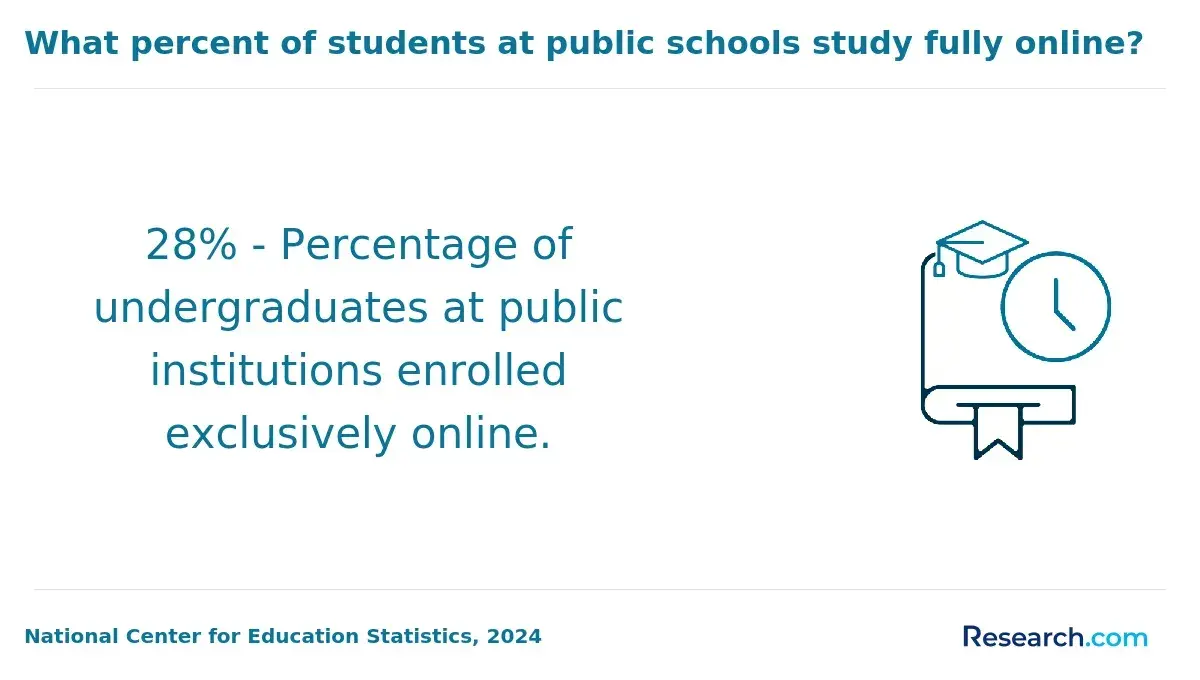
Programs comparing online human services degree programs versus campus programs for community support roles reveal a critical tension between flexibility and practical workforce outcomes. Online degrees often mirror core curricular content such as case management and ethics but demand high self-motivation, lacking the immediate collaboration possible on campus. This format suits working students seeking income security but can delay skill acquisition crucial for entry-level roles dependent on hands-on experience.
Employers typically prioritize credentials and real-world experience over degree delivery mode, yet campus grads frequently gain smoother clinical practicum placements, essential for licensure and local networking. Consider a student targeting social and community service management: pursuing a campus-based path often grants access to mentorship and agency relationships that accelerate advancement and explain wage differentials-for instance, according to PublicHealthOnline data, the median salary for social and human service assistants is $45,120, whereas managers earn $78,240 annually.
The practical tradeoff for online learners lies in proactively securing internships and verifying that their programs facilitate practicum partnerships aligned with state licensure requirements. Students balancing immediate employment must weigh these factors carefully against the immersive advantages of campus cohorts that can substantially impact long-term career trajectories.
For those seeking the cheapest MSW programs online, careful scrutiny of practicum access and employer expectations remains paramount to avoid limiting future advancement opportunities.
What accreditation should you look for in an online human services degree program?
Regional accreditation recognized by the U.S. Department of Education or the Council for Higher Education Accreditation (CHEA) remains the baseline for evaluating online human services degree accreditation standards. These accreditations ensure that programs meet essential academic rigor and workforce relevance, impacting graduate employability and credit transferability. For example, a community support specialist working with vulnerable populations must complete training confirmed by specialized credentials like those from the Council for Standards in Human Service Education (CSHSE), which validates practical abilities in case management and ethical practice.
Programs lacking these accreditations often produce credentials that employers or state licensing boards may not recognize, limiting career mobility and eligibility for advanced roles. This challenge is especially pertinent for accredited human services programs in the United States, where federal financial aid and licensure requirements hinge on recognized standards. Working professionals considering career pivots benefit most from programs that combine regional and program-specific accreditation, as it reduces employer risk and supports expedited onboarding.
When choosing an online degree, it is important to assess institutional status via official databases and understand state-specific licensure implications. Students targeting different career outcomes-from entry-level to advanced clinical coordination-should match their educational level accordingly. For individuals interested in related fields, exploring the fastest psychology degree options can clarify additional pathways for workforce entry or advancement.
What courses and specializations are typically included in online human services curricula?
Educational pathways into human services reflect distinct operational realities and workforce outcomes that often determine employability and mobility. Associate degrees equip students with competencies for entry-level roles such as intake coordinators or social services aides, emphasizing client assessment, documentation, and resource coordination. These credentials align with defined job functions but frequently stall upward advancement without further education.
Bachelor's programs extend foundational knowledge with advanced case management, advocacy, and targeted population work, including veterans and individuals experiencing homelessness. This breadth enhances employability in outreach and direct support but may fall short for positions requiring licensure or clinical oversight.
Master's-level curricula incorporate supervised clinical practice and prepare students for licensed roles with coursework on advanced counseling theories and program evaluation. Graduates must typically complete 1,500+ hours of practicum to qualify for supervisory or clinical positions. Choosing the right degree often depends on career intentions:
- Associate for entry-level operational roles.
- Bachelor's for broader community and advocacy functions.
- Master's for licensed clinical practice or management requiring state certification.
Professionals must weigh the tradeoff between immediate workforce entry at the associate level versus longer-term licensure and leadership prospects offered by graduate programs. Employers often seek licensure and supervised experience for clinical positions, constraining those without graduate credentials despite practical bachelor's training.
What admission requirements and prerequisites do online human services programs usually have?
Entry into human services programs demands more than minimum academic credentials; they require alignment with workforce realities that often complicate student progression. Associate degrees mainly accept candidates with a high school diploma or GED, but bachelor's programs may impose standardized tests like the SAT or ACT depending on selectivity. Bachelor's-level admission frequently requires demonstration of proficiency in foundational English and math, including placement exams or prior college coursework, along with background checks or immunization records due to the nature of the field.
Master's programs position themselves as gateways to clinical and administrative roles but uniformly require a completed bachelor's degree, often in human services or related fields, plus additional materials such as letters of recommendation, a statement of purpose, and sometimes preparatory coursework. This introduces significant upfront commitment, especially for working professionals pivoting careers.
Real-world employment trends confirm that associate or bachelor's degrees enable access to case management and direct support roles, whereas supervisory or policy-influencing positions increasingly call for a master's credential. Prospective students need to weigh these realities carefully, considering that advanced roles demand both higher credentials and relevant experience.
Fieldwork or internships, which programs nearly always require, present logistical challenges for fully online students in rural or underserved regions, obligating proactive local placement arrangements. Additionally, financial aid often hinges on strict adherence to admission prerequisites, reinforcing the complexity of navigating this pathway while balancing personal and work commitments.
How long do online human services degrees take, and what do they cost?
Most community support specialist roles require at least a bachelor's degree in human services, typically completed in about four years through a standard full-time program. However, accelerated or part-time options allow flexibility, with some working adults finishing in as little as 18 months by leveraging transfer credits or intensive coursework. Choosing the right timeframe involves weighing opportunity costs-longer programs delay entry into higher-paying roles, while shorter formats may demand a more intense commitment.
From a cost perspective, public online programs generally provide more affordable tuition rates. For example, SUNY Empire State University charges approximately $295 per credit for its online undergraduate community and human services degree, bringing total tuition near $35,400 for a 120-credit bachelor's program. This contrasts sharply with private institutions, which often exceed twice this price, making public options more realistic for those managing tight finances.
Employers in nonprofit and government sectors typically prioritize accredited degrees over expensive pedigree credentials. This places a premium on programs that balance cost with recognized accreditation and relevant practicum experience. Additional expenses-such as certification fees or supervised field placements-can increase both financial burden and total time to completion, factors frequently underestimated by candidates.
Prospective students should consider how variations in program length, tuition rates, and credential requirements affect employability and career progression within human services roles.
What community support specialist jobs can you get with a human services degree?
Graduates with human services degrees face a complex employment landscape where balancing administrative responsibilities and direct client interaction is essential. For instance, mental health case managers regularly develop individualized treatment plans while navigating agency protocols to connect clients with outpatient resources. Such roles require proficiency in client assessment, crisis intervention, and resource coordination-skills that go beyond academic theory to real-world application.
Employment spans sectors like public health, social welfare, and nonprofit organizations, each carrying unique certification requirements. State licensure in behavioral health or specialized certifications often determine eligibility for focused case management roles, where salaries typically begin around $70,000 annually according to Indeed job market data. This salary benchmark reflects employers' demand for professionals capable of delivering trauma-informed care and evidence-based interventions tailored to diverse populations.
Prospective students must weigh tradeoffs such as aligning degree programs with licensing prerequisites and securing targeted field experience. Juvenile justice roles, for example, favor candidates with internships in correctional or probation settings. Early consideration of sector-specific funding and regulatory standards is crucial since these factors influence job availability and stability. Ultimately, programs offering practicum opportunities in high-demand specialties provide a competitive edge by facilitating smoother transitions from education to workforce integration.
What are typical salaries and job outlook for community support specialists in the U.S.?
Salary gains for community support specialists in the U.S. vary significantly based on education, employer type, and location. Entry-level roles often start near $30,000 annually, while government or large nonprofit employees can earn upwards of $55,000, with a median wage around $44,000. However, advancement stagnates without graduate education, as many policy and administrative positions require a master's degree and offer salaries exceeding $70,000.
This bifurcation creates distinct workforce tiers: direct service providers with bachelor's degrees earn modest wages and face limited upward mobility, whereas master's-degree holders access leadership and specialized clinical roles. Realistically, the decision to pursue graduate education must weigh the financial and time investment against much-needed career stability and income growth.
The 10% job growth projection through 2032 reflects growing demand driven by aging populations, mental health awareness, and expanded substance abuse and disability services. Yet, specialization increasingly dictates employability and salary. Agencies prioritizing program design, grant administration, and policy compliance often require advanced credentials.
Prospective students and current professionals should factor in these workforce dynamics: without advanced degrees, long-term salary and responsibility gains are restricted, especially in metropolitan markets with competitive conditions. Conversely, targeted graduate study opens doors to program management and policy analysis positions rarely accessible through entry-level pathways.
How can you choose a reputable online human services program for community support work?
Accreditation and curriculum focus determine whether an online human services program offers real employability or just theoretical knowledge. Regional accreditation or approval from the Council for Standards in Human Service Education (CSHSE) ensures the program meets academic rigor and qualifies for federal aid-critical factors for long-term value. Programs emphasizing applied skills, such as crisis intervention and case management, align more closely with employer expectations than those centered on academic theory alone.
Hands-on experience through practicum or internships is often the deciding factor in job readiness. For instance, a student focusing on mental health support gains significantly more value from a program with supervised fieldwork in community agencies rather than one relying exclusively on online lectures. While online programs offer geographic flexibility, students should verify internship placement support or agency partnerships to avoid career obstacles.
Given the Bureau of Labor Statistics projections showing over 300,000 openings annually in community and social service roles, selecting programs with transparent graduation and job placement data provides a realistic assessment of outcomes. Prospective students must weigh costs against measurable employment success rather than just affordability.
Additionally, robust academic support and accommodation for working adults-like flexible pacing and technology assistance-reduce attrition. Programs without these supports risk prolonging time to degree completion or increasing student drop-off.
Other Things You Should Know About Human Services
A practicum or field placement provides essential hands-on experience that employers expect for community support specialist roles. Programs without practical training risk leaving graduates underprepared for client-facing environments and real-world challenges. Prioritize online degrees requiring a supervised practicum, even if it extends program duration, to ensure stronger job readiness and competitive advantage.
Employers often question the interpersonal and practical competencies of graduates from purely online programs without in-person components. Concerns focus on limited client interaction simulations and networking opportunities. Choosing an online degree that incorporates synchronous sessions, interactive training, and real-world practicums can mitigate these issues and meet employer expectations for community support specialist candidates.
While a counseling emphasis adds valuable communication and intervention skills, it may narrow career options to counseling-specific positions. For broader community support roles, degrees with a general human services curriculum combined with specialized electives provide more versatile skill sets. Students aiming for flexibility and varied employer demands should prioritize programs that balance foundational knowledge with elective customization over strict counseling tracks.
References
- Health and Human Services Career Guide https://www.ultimatemedical.edu/blog/hhs-guide/
- Social Services Training: Essential Skills for a Rewarding Career in Community Support https://cambriacollege.ca/blog/healthcare/social-services-training-essential-skills-for-a-rewarding-career-in-community-support/
- Community Support Specialist: Jobs, Salary & Job Description https://www.appliedbehavioranalysisedu.org/jobs-related-to-applied-behavior-analysis/community-support-specialist/
- Online Associate in Human Services | AcademicEarth.org https://academicearth.org/associate-in-human-services/
- Human Services Degree Online | Bachelor in Human Services https://www.montreat.edu/online/human-services/
- Guide to bachelor's in human services | edX https://www.edx.org/bachelors/human-services
- What is a Community Support Specialist? - Career Insights | Teal https://www.tealhq.com/career-paths/community-support-specialist
- Human Services vs. Social Work: Understanding the Pathways https://columbia.ca/human-services-vs-social-work-understanding-the-pathways/
- Start a career in community work https://www.communitywork.org.au/students/start-a-career-in-community-work
- The Role of a Social & Community Support Worker https://kootenaycolumbiacollege.com/understanding-the-role-of-a-social-and-community-support-worker/