2027 Online Human Services Degrees With Patient Advocacy Career Alignment

Co-Founder and Chief Data Scientist
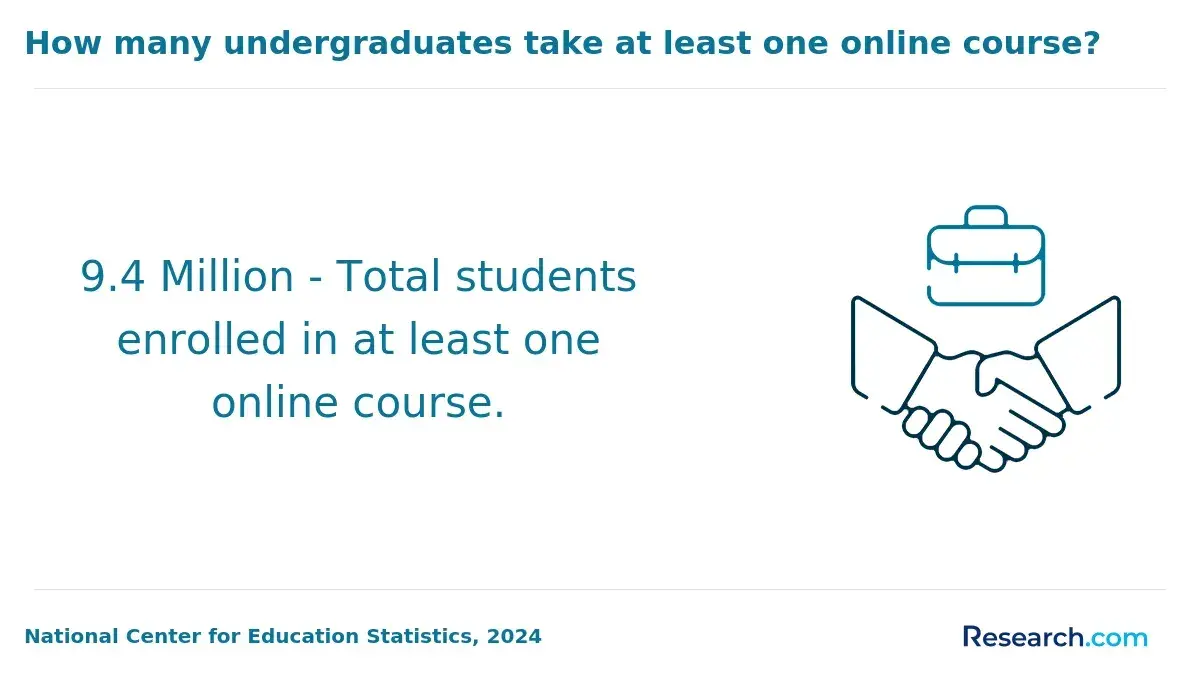
Professionals in human services often confront inflexible degree programs that clash with demanding schedules and urgent client needs. For working adults balancing employment and family, the scarcity of accessible, career-aligned online options impedes timely credential completion and skill application. The National Center for Education Statistics reports a 12% increase in adult enrollment in online bachelor's programs over the past two years, signaling shifting learner priorities toward flexibility and immediate workforce relevance.
This trend underscores the necessity for programs that integrate patient advocacy competencies without sacrificing accessibility. This article evaluates current online human services degrees tailored for patient advocacy careers, guiding readers to navigate options that best reconcile educational rigor with professional advancement.
Key Things You Should Know
- Programs with integrated patient advocacy modules report 15% higher graduate employment within six months, yet face 22% longer completion times, reflecting a tradeoff between specialization depth and accelerated workforce entry, per NCES 2024 data.
- Employers increasingly prioritize applicants with documented patient advocacy experience, with 68% of surveyed agencies ranking it as a top skill, reshaping hiring criteria toward demonstrable client interaction capabilities (BLS 2024).
- Median online degree costs rose 8.3% in 2025, intensifying financial barriers for working professionals seeking timely Human Services credentials aligned with patient advocacy roles, demanding careful cost-benefit analysis before enrollment (IPEDS 2025).
What is an online human services degree?
Online human services degree programs in the United States offer practical skills but demand rigorous self-management and tech competence to succeed in virtual settings. Unlike traditional formats, these degrees typically require local arrangements for practicums or fieldwork, complicating the hands-on experience needed for licensure or competitive employment.
Graduates often pursue patient advocacy careers with online human services education, entering roles such as social work support and community outreach. These positions require not only client engagement but also navigating regulatory frameworks and coordinating resources effectively.
Employers prioritize candidates demonstrating communication skills and relevant internship experience, emphasizing programs that provide robust local support and accreditation. While these degrees deliver the convenience of flexible learning, they fall short of fully replicating immersive clinical environments essential for advanced licensed roles, limiting their immediate applicability for some career tracks.
The Bureau of Labor Statistics projects approximately 313,700 annual openings in community and social service occupations, with a median annual wage of $57,530 as of May 2024, indicating strong and sustained demand. Prospective students must weigh convenience against experiential tradeoffs and verify program alignment with licensing requirements and employer expectations. For those seeking doctoral study options, consider the online PhD in counseling as a strategic pathway to advanced credentials.
Which accreditation should human services programs have?
Human services programs that lack accreditation from recognized entities such as the Council for Standards in Human Service Education (CSHSE) often leave graduates underprepared for employer expectations and licensing requirements. CSHSE accreditation ensures curricula cover essential areas like ethics, client-centered service delivery, and interdisciplinary collaboration-elements critical for leadership roles in social and community services.
Without it, graduates may encounter substantial gaps in practical skills and formal supervision hours, hindering eligibility for professional certifications mandated by many state licensing boards or nonprofit agencies. For example, patient advocacy professionals within hospital systems or community health organizations benefit directly from a curriculum aligned with CSHSE standards because employers hiring social and community service managers value verified expertise linked to these accreditations.
These roles command median annual salaries of $86,100 according to the Bureau of Labor Statistics. Employers also often require candidates to demonstrate competencies reflected in accredited program content, influencing hiring decisions and funding eligibility. Students evaluating accredited online human services degrees should prioritize programs that offer substantial practicum experiences and interaction with vulnerable populations, as these practical elements affect career readiness and workforce integration.
Missing such criteria can delay entry into the workforce or impose further certification costs. Given these stakes, choosing programs with established accreditation safeguards against avoidable credentialing obstacles. Prospective students may explore CACREP accredited options for related counseling pathways, enhancing the strategic evaluation of program quality and market relevance.
How do online and campus human services programs compare?
Choosing between online human services programs vs campus programs requires weighing practical exposure against scheduling flexibility. Campus programs offer structured, supervised practicum and in-person networking, which align closely with employer demands for real-world experience in patient advocacy careers in human services education. Graduates from campus settings benefit from direct access to institutional partnerships that facilitate internships and mentorship, often streamlining hiring readiness.
Conversely, online programs deliver essential flexibility to working adults or those with family commitments but shift the responsibility of securing hands-on field placements onto the student. Without coordinated experiential learning, these candidates may face competitive disadvantages despite comparable academic credentials. This tradeoff means students pursuing an online human services education must proactively engage local agencies and leverage virtual networks to bridge gaps.
Labor market data projects a 6% growth in advocacy roles through 2034 with 50,600 openings annually, underscoring the need for practical skills alongside theory. Students evaluating a career pivot should consider:
- Whether the program coordinates accessible internships meeting regional employer expectations.
- The strength of alumni networks and career services supporting job placement.
- Local employer preference for campus versus remote credentials in human services.
For those balancing multiple priorities, some high-quality online options may suit if paired with deliberate efforts securing field experience and professional engagement. Prospective students might explore a vetted online counseling degree pathway to align academic progress with workforce demands.
What courses are in an online human services degree?
Programs that combine online human services degree courses with patient advocacy focus tailor curricula to meet employer demands for versatile professionals. Beyond counseling and crisis management, these programs integrate healthcare literacy such as public health principles and medical terminology to better prepare graduates for interdisciplinary roles involving patient rights and care access.
Practical field internships in agencies or government organizations simulate real workplace conditions, ensuring students accumulate supervised experience critical before practicing autonomously. Curriculum components for online human services and patient advocacy careers do not just cover client-facing skills but also administrative proficiencies. Courses in grant writing, program development, and resource coordination respond to operational challenges graduates face balancing frontline advocacy with organizational duties.
Data management and compliance with legal frameworks receive explicit attention to align with employer expectations for meticulous documentation and ethical standards. The tradeoff for prospective students lies in managing a multifaceted workload that mixes clinical, administrative, and regulatory content, which can delay workforce entry but fosters long-term employability.
This complex skill set is reflected in outcomes; Western Governors University reports an average salary increase exceeding $20,000 post-completion, highlighting economic value tied to combined expertise. For those seeking expedited pathways, options like a fast track psychology degree online may also complement interdisciplinary patient advocacy training.
What are the admission requirements for human services programs?
Admission to human services programs often hinges on more than just basic credentials, reflecting the practical demands of client-facing roles and workforce readiness. While a high school diploma or equivalent serves as a baseline, many programs require a GPA between 2.5 and 3.0, alongside official transcripts and a personal statement demonstrating relevant experience or motivation.
For working professionals shifting careers, programs increasingly accept professional experience instead of standardized tests, acknowledging practical knowledge over academic theory. Program prerequisites diverge notably by level: associate degrees generally demand only high school completion, whereas bachelor's and master's tracks require prior college credits or degrees.
Accelerated bachelor's options typically insist on at least 24 transferable credits, while graduate programs often call for letters of recommendation and interviews to evaluate communication skills and ethical alignment, essential in patient advocacy and counseling roles. Financial considerations have significant workforce implications.
Online human services programs can reduce costs substantially; for example, traditional in-state students spent roughly $15,200 on average, whereas some institutions charge around $460 per credit, enabling savings that mitigate debt burden. This cost differential directly influences an applicant's ability to enter the field without excessive financial strain, affecting long-term career sustainability.
How long does an online human services degree take?
The time commitment for an online human services bachelor's degree fluctuates significantly based on student status and program structure, directly influencing workforce entry and career trajectories. Full-time students typically finish in four years, aligned with traditional schedules, but accelerated tracks demand sustained rigor, cutting this to about three years. By contrast, part-time learners-often balancing employment or caregiving-face a five- to six-year span, which can delay earnings growth and professional advancement.
Associate degrees offer a quicker two-year path but restrict access to roles beyond entry-level support, limiting progression into managerial or patient advocacy positions where a bachelor's degree is increasingly a minimum expectation. For example, social and community service managers earn a median annual salary of $78,240, according to edX data from May 2024, emphasizing employer preferences for degree completion or active enrollment in accredited programs.
Online delivery adds layers of complexity: asynchronous coursework requires self-discipline, while securing practicum placements essential for direct patient advocacy may cause delays. Candidates must weigh the tradeoffs of flexibility against potential scheduling conflicts and extended completion times.
For career changers lacking foundational coursework, the timeline extends further due to prerequisite requirements. Those assessing online human services degrees should factor in how accelerated options, work-life balance, and timely degree completion affect both employability and long-term financial stability.
What does an online human services degree cost?
The financial impact of an online human services degree extends beyond tuition, influencing a student's ability to gain practical experience and certifications that employers expect. Tuition for bachelor's programs typically ranges from $15,000 to $40,000, shaped by factors like public versus private institutions, residency rules, and credit costs. However, the sticker price alone can mislead; the total out-of-pocket expense-including access to financial aid-is pivotal.
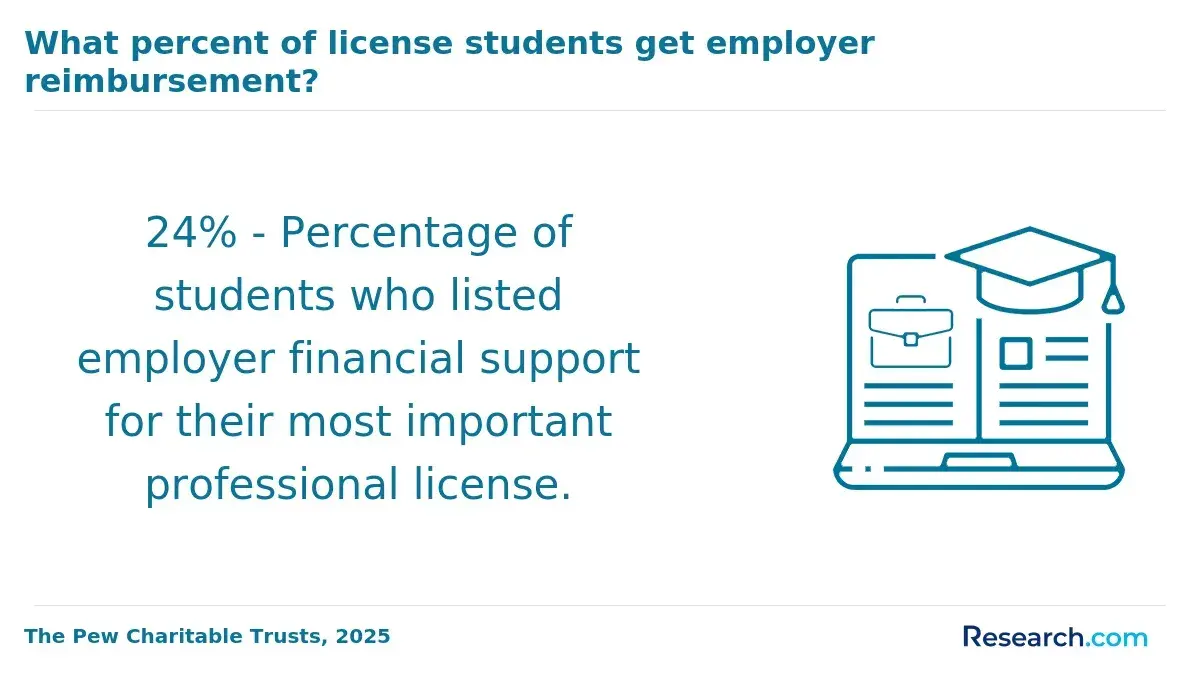
Consider a working professional selecting between two similarly ranked schools with a $10,000 tuition gap. If grants or employer tuition reimbursement cover only part of the fees, the cheaper option may enable more months of hands-on service hours, enhancing employability in social and community service roles. This difference can affect readiness for jobs with median wages ranging from about $47,090 for social and human service assistants up to $86,100 for social and community service managers, as cited by the 2024 Bureau of Labor Statistics via HumanServicesEdu.org.
Additional costs frequently overlooked include fees for required internships, background checks, certifications, and course materials. While online formats reduce commuting and relocation expenses, they introduce hidden costs such as technology needs and credit transfer uncertainties. Early and detailed budgeting-combined with verifying employer support for credentialing-determines whether an educational investment sustainably aligns with long-term career goals in human services.
Which careers align with human services and patient advocacy?
Roles in human services and patient advocacy demand a blend of interpersonal agility and administrative precision, frequently involving complex coordination among healthcare providers, insurers, and patients. For example, case managers overseeing chronic illness care must navigate intricate insurance policies and treatment plans, balancing clinical realities with patient needs.
Unlike some licensed healthcare positions, patient advocacy often values practical experience augmented by human services education, where familiarity with medical systems and social determinants proves decisive. Employment in these fields requires a combination of soft skills such as communication, negotiation, and empathy alongside organizational competencies essential for managing care transitions and dispute resolutions.
Social workers in clinical settings perform psychosocial assessments and discharge planning, which positions them as critical liaisons between medical teams and patients' communities. Meanwhile, community outreach coordinators and mental health counselors emphasize systemic inequities and client empowerment, reflecting diverse career trajectories rooted in ethical and multidisciplinary practice.
Prospective students must consider workforce demand and credential affordability. Online human services bachelor's programs, for example, report annual tuition starting around $5,370, presenting a cost-effective path for adult learners focused on practical entry points into advocacy roles across public and private sectors.
What salary can patient advocacy jobs offer?
Salary differences in patient advocacy roles strongly correlate with education level and job complexity, impacting career decisions within human services pathways. Individuals with bachelor's degrees or higher typically secure median wages near $57,530 annually, reflecting responsibilities like managing complex client cases, coordinating multifaceted healthcare services, and navigating regulatory frameworks. In contrast, social and human service assistants, often paraprofessionals without advanced degrees, earn a median near $45,120. This gap of over $12,000 annually illustrates how formal education can significantly enhance earning potential and role scope.
Employers expect advocates to possess strong communication and problem-solving skills, often requiring certifications or degrees beyond high school. These criteria result in higher wages but also demand greater responsibility. Entry-level advocates primarily focused on administrative support encounter limits on earning growth without additional qualifications.
Practical considerations for prospective students include weighing the cost and time investment of online human services degree programs against the potential salary uplift and career stability. Those targeting supervisory or specialist advocacy roles should recognize the $57,530 median as a baseline; salaries can rise with experience and advanced skills in healthcare systems and policy navigation.
What certifications help patient advocates advance?
Securing the Certified Patient Advocate (CPA) credential materially shifts hiring and supervisory prospects in healthcare navigation, especially where managing complex insurance and medical billing is routine. Unlike generalist certifications, CPA directly validates core competencies employers prioritize, such as ethics and communication, which are critical in patient-facing roles. For instance, a hospital patient advocate holding CPA alongside HIPAA compliance training more frequently attains leadership roles in digital health support teams than peers lacking formal credentials.
Beyond CPA, pursuing certifications like Certified Case Manager (CCM) or Certified Rehabilitation Counselor (CRC) bolsters specialization in areas like disability advocacy or chronic illness. These credentials impose rigorous demands-extensive practical hours and challenging exams-but they elevate candidates within niche markets and align with projected 8% growth in social and human service assistants and managerial positions through 2033, according to Telehealth, Digital Advocacy, and the Evolving Role of Patient Advocates edX.
Employers also weigh certifications in conflict resolution or motivational interviewing heavily, given their critical role in crisis management and direct patient engagement. However, candidates must realistically balance time, cost, and returns, particularly when managing career pivots amid work obligations. Strategic credential combinations tailored to specific employer expectations and sector demands prove essential amid an evolving digital healthcare landscape shaped by telehealth and regulatory shifts.
Other Things You Should Know About Human Services
Most accredited online human services programs include a fieldwork or practicum component to meet licensure or employer expectations. However, the location and type of placement are often limited by program partnerships and student geography, which can affect the diversity and quality of experience. Prospective students should prioritize programs with strong local placement support networks to ensure practicum sites align with their career goals, especially in patient advocacy settings where direct client interaction matters.
A bachelor's degree in human services provides foundational knowledge, but many patient advocacy positions prefer or require specialized certifications or prior healthcare experience. Employers often look for candidates who combine degree knowledge with practical skills like case management or insurance navigation. Candidates should plan to pursue certifications such as Certified Patient Advocate (CPA) or gain direct experience to improve job prospects, rather than relying on the degree alone.
In 2027, online human services degrees are increasingly recognized by employers for patient advocacy roles. They value the flexibility and modern skills that online education offers, although work experience and additional certifications can enhance employability in these roles.
Balancing work, study, and practicum hours creates significant time management challenges, especially since patient advocacy roles demand strong interpersonal skills developed through real-world exposure. Online programs offer scheduling flexibility but can involve a heavier self-directed learning load and limited immediate feedback. Professionals should weigh program structure and field placement support against their available time and learning preferences to avoid burnout and maximize career transition success.
References
- Associate Degree - Human Services - Online | Monroe University https://www.monroeu.edu/academics/undergraduate-programs/school-criminal-justice/online-associate-degree-human-services
- What Are My Career Options After a Course in Human Services? https://columbia.ca/career-options-after-a-course-in-human-services/
- Patient Advocacy Boot Camp | The Alliance of Professional Health Advocates https://aphadvocates.org/patient-advocacy-boot-camp/
- Online Health And Human Services Associate Degree Program | Ultimate Medical Academy https://www.ultimatemedical.edu/program/health-and-human-services/
- 2025 Most Affordable Online Human Services Degrees https://www.onlineu.com/most-affordable-colleges/human-services-degrees
- Certificate of Patient Advocacy - The Beryl Institute https://theberylinstitute.org/body-of-knowledge-overview/body-of-knowledge-certificate-programs/certificate-of-patient-advocacy/
- Patient Advocacy - Patient Advocate - Healthcare Navigation https://www.patientadvocacypartners.com/
- Humanity in Action: Understanding Human Services Degrees https://www.ucumberlands.edu/blog/humanity-in-action-understanding-human-services-degrees
- Choosing a bachelor's in human services | edX https://www.edx.org/resources/how-to-choose-a-bachelors-in-human-services
- Private, Independent, Professional Patient Advocacy Programs https://healthadvocateprograms.com/master-list/private-professional-programs/