2027 Best Online Human Services Programs for Professionals Seeking Patient Advocacy Careers

Co-Founder and Chief Data Scientist
Balancing a demanding schedule while pursuing a career shift into patient advocacy presents a significant challenge for many professionals. Given that over 60% of adult learners in postsecondary education juggle work, family, and study, the rigidity of traditional programs often stalls career momentum. This conflict intensifies in human services fields, where practical experience and timely certification critically influence employability. Furthermore, employer preference increasingly favors candidates from programs offering flexible, competency-based learning aligned with real-world applications. Navigating these options requires an informed assessment of program design, accreditation, and career impact. This article identifies the best online human services programs tailored for professionals seeking to excel in patient advocacy, focusing on actionable criteria that drive success in this specialized field.
Key Things You Should Know
- Programs emphasizing multidisciplinary patient advocacy skills report 15% higher employer placement rates in health systems per 2024 Bureau of Labor Statistics, though they typically require 18-24 months, increasing tuition cost exposure.
- Employers prioritize candidates with integrated practicum experience; absence of direct patient interaction in online formats reduces marketability, necessitating hybrid models for workforce competitiveness.
- Delayed enrollment due to prerequisite completion disproportionately affects career changers aged 30+, with median time-to-certification extending from 12 to 20 months, impacting total lifetime earnings per Georgetown Center on Education data.
What is an online human services degree and how does it support patient advocacy careers?
Online human services degree programs for patient advocacy emphasize applied skills that bridge healthcare, legal, and social frameworks, offering a pragmatic foundation rather than purely theoretical knowledge. Graduates must be adept at coordinating between hospitals, insurers, and community resources to address complex cases, such as supporting elderly patients through fragmented care systems.
This real-world service coordination highlights how a human services degree supports patient advocacy careers by prioritizing system navigation and crisis intervention capabilities.
Programs often incorporate practical components like ethics, counseling techniques, and policy analysis, but the need for hands-on experience poses challenges; virtual internships partially address this by accommodating working professionals. Employers prioritize demonstrated communication skills, crisis management, and familiarity with certification standards relevant to patient advocacy, influencing hiring decisions beyond degree possession alone.
The economic rationale for pursuing this path is evident in labor market data: community and social service roles reported a median annual wage of $57,530 in May 2024, outpacing the general U.S. median wage of $48,060. This wage premium reflects specialized expertise and demand but varies with specialization and certification level.
Options exist for focused tracks such as mental health or developmental disabilities, expanding career versatility.
For those considering related fields, pathways to become a drug counselor online provide alternative or complementary credentials within human services, enhancing employability in adjacent sectors. Detailed insights on this option can be found at become a drug counselor online.
Which online human services degrees are best for becoming a patient advocate?
Success as a patient advocate depends heavily on focused education that integrates healthcare navigation, communication, and case management skills. The best online human services degrees for patient advocacy careers combine client support training with a deep understanding of legal and ethical healthcare frameworks, often incorporating clinical practicums that simulate real patient scenarios. These practical elements reduce onboarding time and increase employer confidence in graduates.
Employers in hospitals, insurance companies, and nonprofits value formal expertise in patient rights, healthcare policies, and crisis intervention. Choosing top accredited human services programs for patient advocate roles ensures curriculum rigor and workforce relevance, particularly when accredited by bodies like the Council for Standards in Human Service Education (CSHSE).
However, programs centered solely on social work or counseling may require additional certifications to qualify for patient advocacy positions, presenting a strategic tradeoff between broader therapeutic skills and direct advocacy proficiency.
Working professionals benefit from programs offering asynchronous coursework and flexible schedules, essential for managing irregular advocacy tasks. Given the U.S. Bureau of Labor Statistics' projected 7% employment growth in social and community services, graduates with specialized credentials in digital tools like electronic health records will be more competitive.
A practical example includes a graduate joining a hospital's patient relations team applying conflict resolution and insurance verification skills that elevate patient satisfaction and care outcomes from day one. Students exploring these paths should also consider exploring the best easiest counseling degree programs to understand complementary options supporting patient advocacy credentials.
How do I choose an accredited online human services program focused on patient advocacy?
Accreditation is the primary filter separating programs that deliver tangible, employer-recognized skills from those offering only nominal credentials in patient advocacy. Regional accreditation ensures academic rigor, while program-specific endorsements like the Council for Standards in Human Service Education (CSHSE) confirm alignment with evolving workforce expectations.
In the realm of accredited online human services programs for patient advocacy, graduates must demonstrate competency in legal frameworks, health system navigation, and ethical considerations-skills validated through practicums embedded in clinical or community settings.
Employment outcomes hinge on more than diploma prestige. Programs featuring structured internships with hospitals or advocacy groups typically boost job placement rates. Accessibility of career services and relevant faculty expertise also influence a student's readiness to meet current patient advocacy demands.
Full-time professionals often need asynchronous course formats with measured credit loads for balance, while recent graduates might accept intensive pacing for faster credentialing.
Wages reflect these distinctions: social and community service managers earn a median $81,670 annually, with top performers exceeding $128,180, according to the U.S. Bureau of Labor Statistics. Programs stressing leadership and management cultivate these skills, enhancing upward mobility.
Financially, prospective students should compare tuition against program duration and career benefit, especially those providing pathways to licensure influencing employability in healthcare or nonprofit sectors.
Those exploring the best online human services degrees with patient advocacy focus may also consider options listed for cheap online masters in counseling, as cost-efficiency often impacts long-term educational investment decisions.
What are the typical admission requirements for online human services programs?
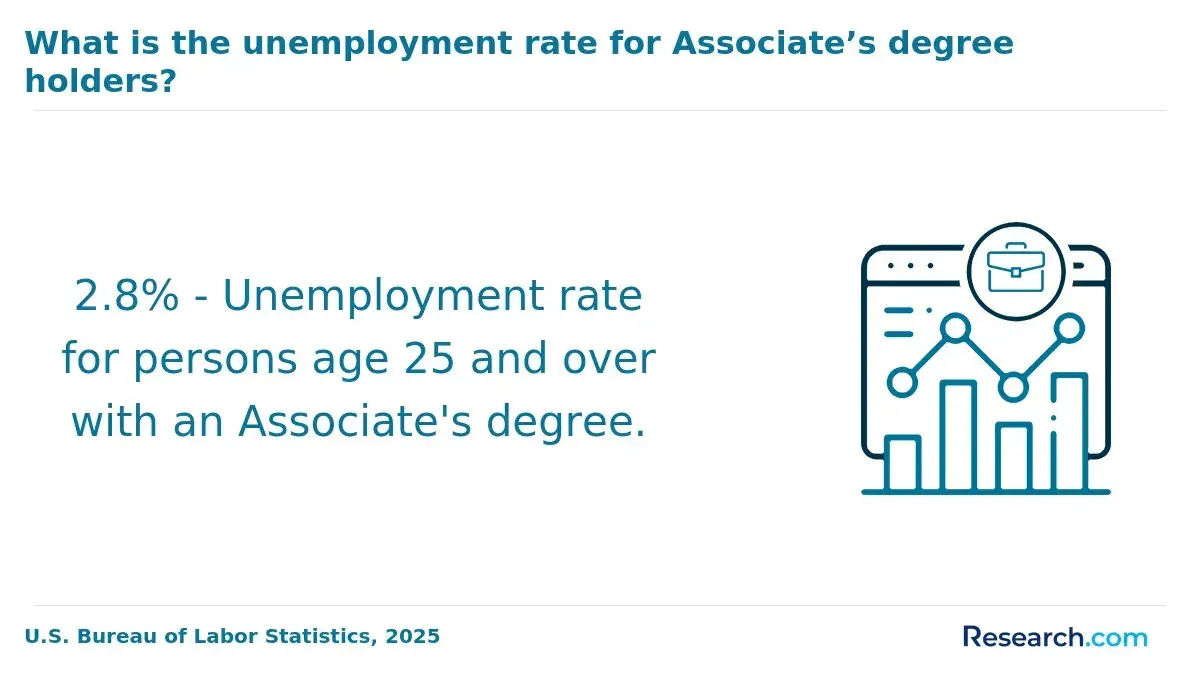
Admission into online human services programs demands a balance between foundational academic qualifications and demonstrable professional relevance. While a high school diploma or GED serves as the baseline prerequisite, more competitive bachelor's programs typically expect postsecondary credits or an associate degree, emphasizing readiness for complex ethical and case management coursework.
Prerequisites for enrollment in online human services degrees frequently include official transcripts validating successful completion of core subjects like English and social sciences. Programs targeting career changers or adult learners often require a personal statement outlining professional experience in people-focused roles, alongside letters of recommendation that attest to practical interpersonal skills-critical in fields such as patient advocacy where direct client interaction is key.
Standardized tests like the SAT or ACT have largely been phased out, reflecting shifting admissions norms that prioritize access and diversity, especially in accredited online formats. However, background checks and proof of technical capability remain non-negotiable due to synchronous classes and practicum requirements.
Applicants must also consider state authorization restrictions, which can limit enrollment options based on residence, a practical barrier for working professionals.
Between 2019 and 2023, public four-year institutions saw a roughly 28% increase in fully online enrollment, signaling growing digital demand for human services education. For those weighing options, exploring degrees for work from home jobs may reveal pathways that align with workforce flexibility needs and evolving employer expectations.
What coursework and skills do online human services programs teach for patient advocacy?
Successful patient advocacy in human services demands not only theoretical knowledge but an ability to interpret and act swiftly amid complex healthcare environments. Graduates must negotiate insurance barriers, apply legal frameworks like HIPAA, and balance clinical information with administrative realities-skills where academic training and employer expectations intersect.
Core coursework addresses social welfare policy, psychology, case management, and crisis intervention, which are essential for assessing individual patient needs and coordinating appropriate social and medical resources. Practical demands include real-time documentation and navigating insurance denials or appeals, which can challenge a recent graduate unfamiliar with procedural urgency.
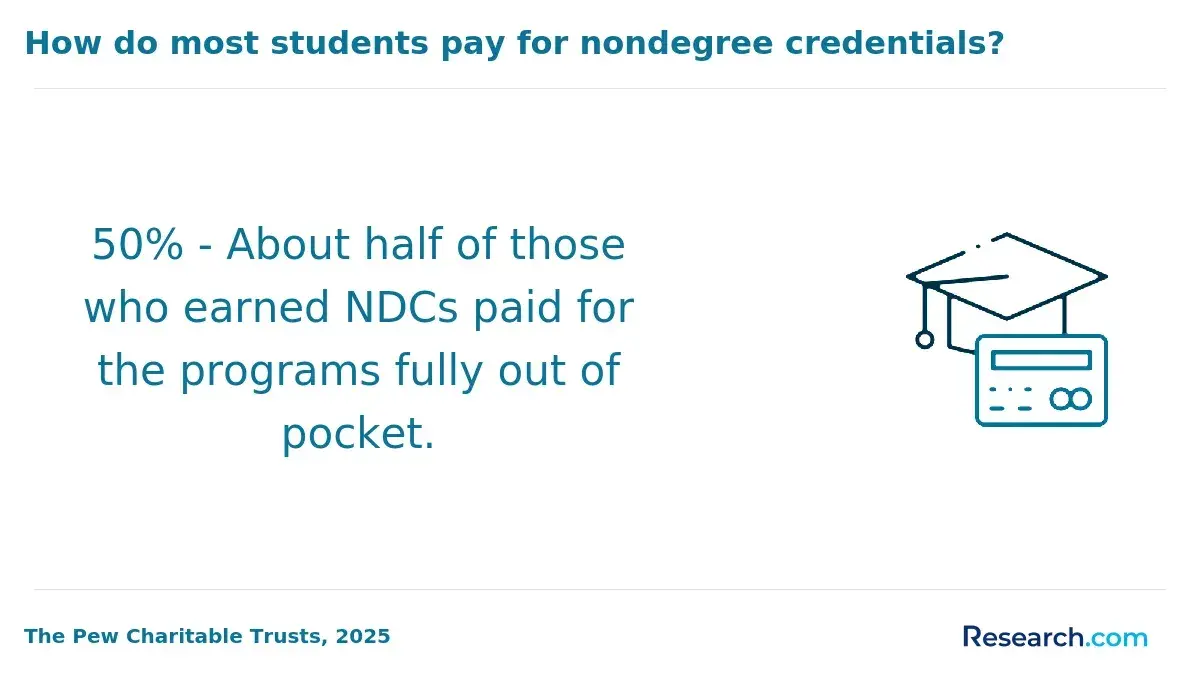
Compared to private institutions charging upwards of $30,000, online bachelor's programs with in-state tuition between $6,000 and $11,000 offer more accessible options for working professionals. This affordability can significantly affect workforce entry timing and debt load, factors that often influence whether a student can pursue patient advocacy roles.
- Proficiency in federal healthcare regulations ensures patient privacy while advocating effectively.
- Understanding social determinants of health equips advocates to adapt communication and resources for diverse populations.
- Training in ethical decision-making prepares graduates to navigate complex cultural and systemic dilemmas.
Ultimately, this pathway requires balancing clinical understanding with systemic navigation-where educational rigor must be matched with practical application speed and cultural competence to meet employer and patient needs.
How do online human services programs compare with campus programs for future patient advocates?
Online human services programs match campus offerings in academic rigor and foundational content, but they often lack the immersive, hands-on components essential for applied skills in patient advocacy. Employers now expect at least a bachelor's degree, yet they increasingly prioritize demonstrable experiential learning alongside credentials. For example, hospital-based advocates benefit significantly from on-campus training that integrates real-time interdisciplinary communication under supervision.
Online students face practical challenges such as securing local internships or accessing simulations to offset the absence of traditional clinical practicums. Without these, graduates may start with a skills gap compared to those trained on campus.
Working adults gain flexibility through remote formats but need greater self-discipline to engage proactively with asynchronous materials and remote resources.
- Online learning offers essential flexibility for balancing work or caregiving commitments.
- In-person cohorts provide richer opportunities for supervised clinical experience and professional networking.
- Employers prioritize verifiable applied experience in licensing or complex patient advocacy roles.
- Candidates should weigh access to internships or simulations when choosing program format.
Key logistical considerations include reliable technology access and time management skills. Those pivoting careers should evaluate programs for robust advising and support navigating certification or licensing pathways post-graduation.
Ultimately, neither format guarantees employability alone; rather, the presence of practical training and degree completion in combination shapes workforce readiness.
How long do online human services degrees take and what do they cost?
Choosing between an associate degree and an accelerated bachelor's program in human services or patient advocacy depends heavily on employer expectations and role complexity. For example, healthcare organizations increasingly prefer bachelor's degree holders due to evidence linking advanced training with improved patient outcomes and cost reductions-studies show integration of patient advocates cut healthcare expenses by 10-20%.
This dynamic influences mid-career professionals targeting roles requiring greater responsibility or impact to consider longer, more intensive bachelor's pathways despite their extended timeframes.
Degree completion times vary: associate programs typically require two years full-time; bachelor's degrees four years, potentially expedited to three with continuous enrollment or transfers; part-time students often extend to five years. Graduate certificates and master's credentials generally conclude within one to two years, catering to those needing focused expertise without full degree commitment.
Cost structures reflect program length and institutional type. Public universities commonly charge $8,000-$15,000 annually for in-state online students; private institutions range from $20,000 to $35,000. Total tuition for bachelors' programs thus spans approximately $24,000 to over $140,000, while graduate-level credentials typically cost $10,000 to $40,000.
Additional expenses like technology fees and practicum costs should factor into budgeting.
Online formats offer scheduling flexibility but require disciplined time management, especially when synchronous sessions or fieldwork components are involved. Prioritizing accredited programs aligned with workforce demands ensures degrees maintain practical relevance and labor market value.
What patient advocacy jobs can I get with an online human services degree?
An online human services degree aligns closely with evolving employer demands by equipping graduates to handle complex patient advocacy challenges across healthcare and social service environments. The degree's practical value hinges on integrating coursework in social justice, equity, and advocacy-now required by over half of accredited programs-reflecting a shift toward addressing systemic social determinants of health.
Typical roles demand more than foundational knowledge; they require operational skills and cultural competence, especially for work in underserved or rural areas where infrastructure gaps magnify resource constraints. Examples include:
- Healthcare patient advocates managing treatment navigation and insurance complexities.
- Case managers tailoring care plans while linking clients to community services.
- Hospital liaisons ensuring patient rights through mediation between families and providers.
- Insurance claims specialists aiding dispute resolution.
The competitive job market pressures candidates to obtain real-world experience through internships or volunteer roles, as entry-level positions generally request 1-2 years of relevant work. Proficiency in data tracking and compliance is often a prerequisite rather than a bonus, influencing both hireability and career progression.
For prospective students, measuring a program's emphasis on applied advocacy training versus purely theoretical frameworks informs practical readiness more accurately than generalized program rankings.
Insights from the BestColleges 2025 online human services degree analysis validate these trends, helping students navigate labor market realities and optimize educational investments.
What is the salary outlook and job demand for patient advocates and related roles?
Patient advocates command salaries influenced heavily by their work environment and the complexity of their roles. While median earnings tend to fall between $50,000 and $80,000 annually, those embedded within hospital systems or insurance companies often negotiate above this range due to responsibilities like care coordination and regulatory compliance.
The 17% employment growth rate projected by the U.S. Bureau of Labor Statistics for healthcare social workers through 2032 confirms a robust demand but also reveals significant variability depending on institutional affiliation.
The absence of a government-mandated licensure creates practical challenges in standardizing qualifications, making formal educational credentials an increasingly decisive factor in hiring. Specialized degrees and certificate programs in patient advocacy have expanded rapidly, signaling a shift toward credential validation by employers in this sector.
Candidates with expertise in insurance policies, medical terminology, and compliance regulations typically stand out in competitive hiring pools.
For professionals transitioning into patient advocacy, especially within the human services sector, an important consideration is whether to pursue integrated roles in larger healthcare teams or operate independently. Integrated care settings usually provide more stable compensation and collaborative support, whereas independent or nonprofit positions can present income unpredictability.
Strategically choosing programs that align with evolving compliance standards may expedite employability and position advocates favorably within this evolving labor market.
Are there certifications or licenses that strengthen a patient advocacy career in human services?
Certifications and licenses in patient advocacy play a decisive role in differentiating professionals within human services, particularly when managing complex insurance appeals or ethical dilemmas. The Certified Patient Advocate (CPA) credential stands out by validating expertise that intersects legal knowledge and ethical standards, enabling practitioners to handle advanced case complexity.
Licenses such as Licensed Clinical Social Worker (LCSW) or Certified Case Manager (CCM) become crucial when clinical responsibilities or hospital-based case management intersect with advocacy tasks. Without such credentials, advocates often face limited access to specialized caseloads and reduced competitiveness in hiring.
The rise of telehealth and digital care environments demands new technical proficiencies integrated into credentialing programs. Employers increasingly expect advocates to navigate remote patient engagement, manage electronic health records compliant with HIPAA, and apply digital communication skills.
This shift is non-trivial for working professionals, as continuing education often requires balancing evolving competencies with full-time job demands, particularly in telehealth or cultural competency domains.
- Certified Patient Advocate (CPA) credential covers advanced legal and ethical advocacy.
- Licenses like LCSW or CCM are essential when clinical and advocacy functions overlap.
- Telehealth proficiency and digital skills are increasingly embedded in certification requirements.
- Continuing education demands can challenge working professionals balancing full-time roles.
Decision-making about certification paths should factor in cost, renewal frequency, and alignment with long-term roles. Prioritizing credentials that encompass legal, ethical, and digital skills will improve employability and practical effectiveness across interdisciplinary virtual teams.
Other Things You Should Know About Human Services
Online human services programs often require equal or greater self-discipline and time management than traditional programs. While flexibility is a key advantage, the absence of in-person structure means students must proactively engage with readings, assignments, and group projects. Programs with synchronous components can add scheduling complexity for working professionals. Assess your ability to independently sustain regular study routines before choosing an online format, as inconsistencies may affect comprehension and skill development crucial for patient advocacy roles.
Most reputable online human services programs mandate internships or practicum experiences to fulfill accreditation standards and ensure practical skill-building. These placements often must be completed in person at approved agencies, which can complicate logistics for students without local human services networks. Prioritize programs with established fieldwork support or flexible placement options aligned with your geographic and work constraints, as real-world exposure is essential for establishing credibility with employers in patient advocacy.
Employers increasingly accept online human services degrees when the program is accredited and includes hands-on experience. However, degrees from well-known or regionally accredited institutions tend to carry more weight. Programs offering specialized content in patient advocacy or relevant certifications can enhance employability. Candidates should highlight practicum success and practical competencies over mode of instruction to offset any lingering biases against online education.
Choose a program accredited by the Council for Standards in Human Service Education (CSHSE) or, for a related degree, a regionally accredited institution recognized by the U.S. Department of Education. Accreditation affects federal aid eligibility, transfer credit, and employer recognition for advocacy roles.
References
- Patient Advocacy (Concentration) https://www.assumption.edu/undergraduate/patient-advocacy-concentration
- Online Associate in Human Services | AcademicEarth.org https://academicearth.org/associate-in-human-services/
- Human Services Degree Online | Bachelor in Human Services https://www.montreat.edu/online/human-services/
- Health and Human Services: Campus & Online Degrees and Careers https://www.publichealthonline.org/human-services/online-degree-programs/
- What is Human Services https://www.nationalhumanservices.org/what-is-human-services/
- Specialized Focus Advocacy Programs https://healthadvocateprograms.com/master-list/specialized-programs/
- How to Become a Patient Advocate: A Step-by-Step Guide https://www.edumed.org/how-to-become/patient-advocate/
- How Do You Become a Patient Advocate? - Healthcare Administration Degree Programs https://www.healthcare-administration-degree.net/faq/patient-advocate/
- What do you learn in a bachelor's in human services? | edX https://www.edx.org/resources/what-do-you-learn-in-a-bachelors-in-human-services
- Bachelor of Arts in Human Services | Whitworth Online https://online.whitworth.edu/human-services/