2027 Human Services Careers With the Best Long-Term Stability

Co-Founder and Chief Data Scientist
Professionals aiming for long-term stability in human services often confront the challenge of selecting career paths that reconcile steady employment with evolving workforce demands. With the U. S. Bureau of Labor Statistics projecting a 10% growth rate in certain counseling and social work roles over the next decade, this signals notable opportunity-but entry and advancement increasingly depend on specialized credentials and flexible educational models.
The rise of part-time and adult learners, accounting for over 40% of enrollments in relevant programs according to the National Center for Education Statistics, reveals shifting access needs that impact timing and career mobility. This article outlines the careers within human services that balance this growing demand with resilient employment prospects to help readers align education choices with long-term workforce viability.
Key Things You Should Know
- Employment projections from the U.S. Bureau of Labor Statistics show a 17% growth in human services roles by 2030, requiring specialized skills over generalist knowledge, which limits quick career pivots without targeted certification.
- Employers increasingly prioritize candidates with practical experience and interdisciplinary ACES (Adverse Childhood Experiences) training, shifting hiring criteria beyond academic credentials and reshaping workforce integration strategies.
- Cost and duration of accredited human services credentials vary widely, with associate degrees averaging two years and certificate programs under one year, forcing tradeoffs between speed-to-employment and long-term salary trajectories.
Which human services careers offer the strongest long-term stability?
Social workers and mental health counselors represent the most stable human services professions in the US, reflecting consistent demand driven by aging populations, substance abuse treatment, and mandated social welfare programs. The median annual pay for social workers was $61,330 in May 2024, supported largely by government and nonprofit funding streams, which tend to be more resilient amid economic fluctuations.
Long-term job stability in these roles depends heavily on credentials and licensure. Social workers typically need a Bachelor's or Master's degree accompanied by state licensure, while mental health counselors require licensure plus certifications that align with evolving clinical and telehealth practices. Candidates without these qualifications often face limited growth and higher turnover risks. Human services careers with long-term job stability are generally found in positions tied to legally mandated services, such as child protective services or licensed clinical counseling, rather than administrative or outreach roles vulnerable to shifting policy priorities.
Practical experience through supervised internships or fieldwork is essential, given employers' preference for clinically experienced candidates. Counselors who diversify expertise to include trauma-informed care or co-occurring disorders enhance job security, especially when working with funding models linked to medical billing. For professionals aiming at advanced specializations, pursuing a PhD in counseling online can provide a strategic pathway into leadership or specialized clinical roles, balancing flexibility with academic rigor.
What education is required for human services jobs?
Most roles in human services require at minimum a bachelor's degree in social work, psychology, counseling, or a related field, with specialized positions such as substance abuse, behavioral disorder, and mental health counselors demanding state licensure and often a master's degree. This distinction matters: holding an associate degree or certification alone may restrict hiring opportunities and salary growth, as demonstrated by entry-level community case managers competing against four-year degree holders. The U.S. Bureau of Labor Statistics forecasts a 10.6% growth for counseling-related positions from 2022 to 2032, creating about 9,500 openings annually, an indicator of sustained demand for qualified professionals.
Choosing between a general human services degree and focused counseling or social work programs affects licensure eligibility and job alignment. Specialized accreditation and accrued supervised clinical hours are non-negotiable in counseling fields, affecting time and cost before independent practice. Employers prioritize accredited credentials and hands-on experience through internships or field placements, emphasizing practical readiness over mere academic completion.
Individuals evaluating education requirements for human services careers should weigh tradeoffs carefully, including program length, licensing requirements, and employment outcomes. For those seeking flexible options aligned with licensure, online mental health counseling programs (CACREP-accredited) provide a pathway worth considering within these parameters. Understanding human services degree and certification options is essential to avoid unexpected delays and expenses during career transitions.
What should you look for in an accredited human services program?
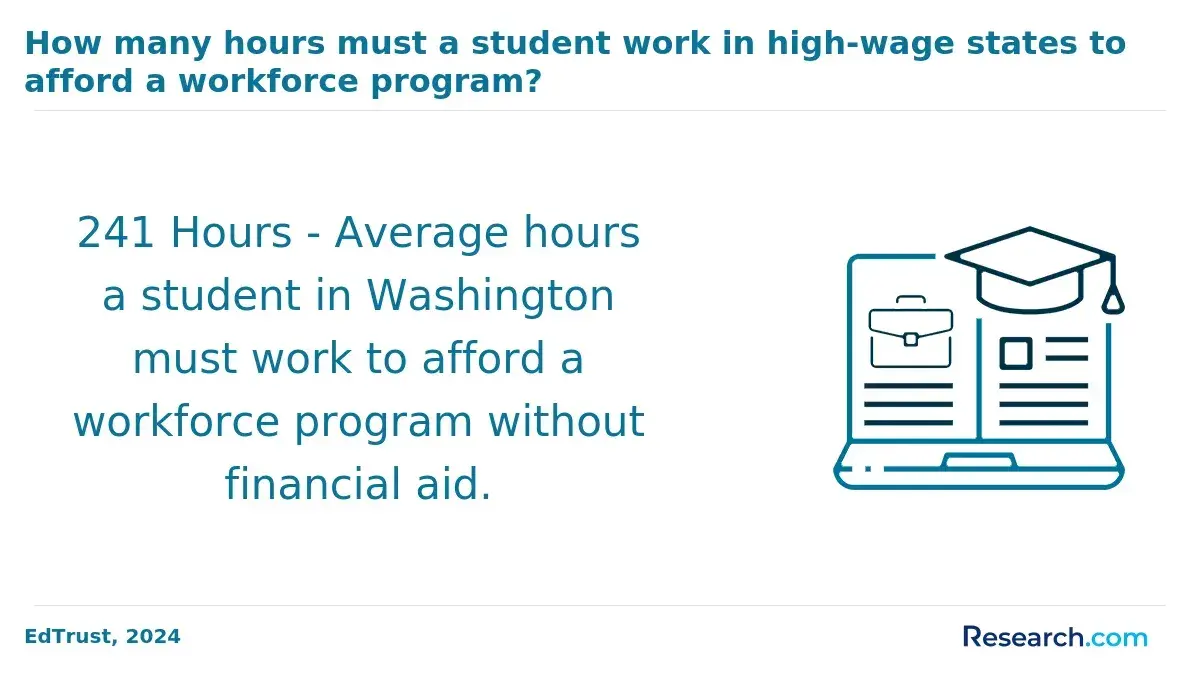
Employers hiring for social and human service roles often prioritize candidates from programs with regional accreditation, making it essential to verify program recognition by bodies such as the Council for Standards in Human Service Education (CSHSE). Selecting human services programs with regional accreditation impacts licensure eligibility and signals alignment with industry standards that include both theoretical foundations and applied competencies like case management and ethics. Lack of substantive practicum experiences may limit graduates' readiness and immediate employability.
Projected employment growth of 8.6% for social and human service assistants through 2032, with about 47,400 annual openings, underscores the need for programs aligned with evolving workforce demands. Curricula incorporating trauma-informed care, cultural competence, and data-informed service delivery, along with faculty well-connected to local agencies, offer practical benefits such as meaningful internships and stronger job placement outcomes. These criteria for selecting accredited human services schools help balance academic rigor with direct workforce relevance.
Practical considerations extend to flexible scheduling, online or hybrid availability, and credit transfer policies, especially for working adults or career changers. Cost and program length should be weighed against outcomes like certification eligibility, which can enhance job stability and salary. Programs promising rapid completion without robust experiential elements often fail to deliver durable career value in a field requiring nuanced interpersonal and administrative skills. For those comparing options, exploring the cheapest MSW programs online can reveal pathways that combine affordability with quality.
How do online and campus human services degrees compare?
Choosing between online human services degree programs versus traditional campus degrees involves weighing clear differences in practical experience and structured support. Employers often favor campus graduates who benefit from integrated internships and practicum placements tied directly to clinical partnerships, leading to higher job placement success. In contrast, online students must independently secure these fieldwork opportunities, which can delay graduation and weaken applied learning rigor. For example, a healthcare social work student studying on campus will usually access prearranged supervised practice sites, whereas their online counterparts must identify appropriate agencies themselves.
While accreditation and curriculum standards largely align, campus degrees demand more synchronous engagement, fostering communication skills essential for multidisciplinary teams common in human services careers. The 9.6% projected growth in healthcare social worker employment and roughly 18,700 annual openings intensify competition, favoring candidates with extensive hands-on experience.
Online programs accommodate those balancing employment or family commitments without relocation but require significant self-discipline and time management. Campus education suits students who thrive in structured environments and seek immersive professional networks that accelerate mentorship and job referrals.
Students evaluating campus and online human services education comparison should consider these operational trade-offs alongside personal learning styles and program support. Direct employer feedback highlights that supervised practicum integration correlates with smoother job transitions and better starting salaries for campus learners. Online learners generally require longer to develop comparable applied skills and networks.
Those seeking a strategic pivot or advancement may also refer to the best online masters degree in human resource management programs for insight into related fields where online structures vary similarly in experiential learning emphasis.
What courses are in a human services degree?
The practical value of a human services degree largely hinges on its curriculum's alignment with real-world agency demands and leadership readiness. Coursework such as client assessment, counseling techniques, and social policy equips graduates for roles that range from frontline intervention to program management. For instance, therapeutic communication training is essential in crisis settings like community mental health centers, where immediate and empathetic client interaction is mandatory.
Programs incorporating quantitative and qualitative research methods enable graduates to analyze program outcomes critically, a skill employers expect for evidence-based service improvements. Specialized classes focusing on substance abuse or youth services deepen sector-specific expertise but may limit flexibility for candidates targeting broader entry-level positions.
Mandatory internships or fieldwork significantly enhance employability by demonstrating competence in authentic social service environments, often bridging the credential-to-job gap. Social and community service managers earned a median salary of $78,240 in May 2024, reflecting the financial impact of roles that blend administrative oversight with compliance and resource allocation.
Prospective students must weigh whether a broad generalist curriculum or a specialized track better suits their career trajectory, especially considering that advanced clinical or administrative positions may require additional licensure beyond the degree. Practical tradeoffs between specialization and flexibility affect initial job placement and long-term advancement possibilities.
What admission requirements do human services programs usually have?
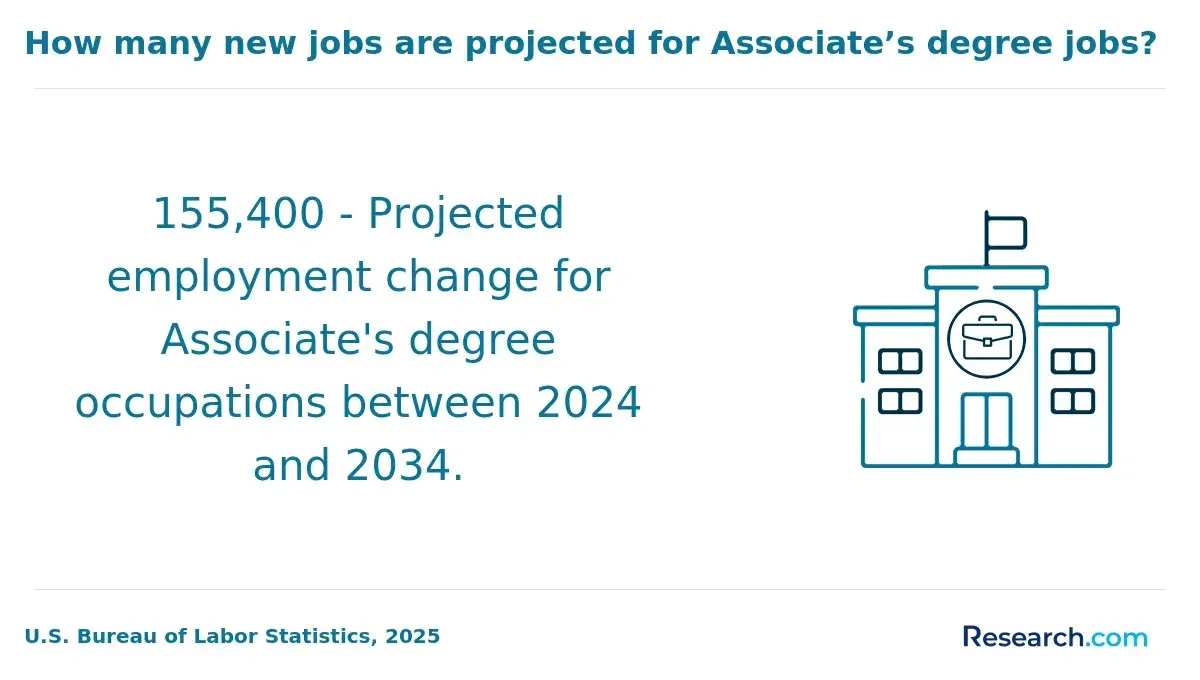
Admission criteria in human services programs reveal significant tradeoffs between accessibility and readiness for client-facing roles. While a high school diploma paired with basic communication and psychology skills forms the minimum entry point, programs targeting clinical or child life specializations require 100 to 300 documented volunteer hours due to a prevalent workforce shortage-43% of pediatric hospitals report deficits in these specialists per the Association of Child Life Professionals' 2024 survey.
Applicants without direct human services backgrounds often encounter mandatory prerequisite coursework in behavioral sciences, which can delay graduation and extend financial and personal commitments. Letters of recommendation are typically scrutinized for interpersonal aptitude and emotional resilience, skills critical for managing high-stress environments. Online programs frequently impose synchronous sessions or in-person practicums, complicating schedules for working adults or caregivers.
For those pivoting careers without relevant volunteer experience, selecting programs with rolling admissions and flexible fieldwork options expedites entry into the workforce. Conversely, accelerated bachelor's pathways demand prior academic rigor, with deficiencies risking outright rejection. Financial aid qualifications hinge on enrollment status and credential level, requiring early verification to prevent funding interruptions.
How long does a human services degree take to complete?
Choosing between an associate and a bachelor's degree in human services directly impacts how quickly and at what level you enter the workforce. Associate programs, usually lasting about two years, prepare students for entry-level roles such as behavior technicians, which offer median wages near $39,520 according to the U.S. Bureau of Labor Statistics in May 2024. This path suits those needing immediate employment and practical experience, often including internships that facilitate direct placement in applied behavior analysis settings within a year.
In contrast, the four-year bachelor's degree prepares for supervisory, counseling, and case management positions, demanding prerequisites, fieldwork, and sometimes additional supervised experience. This longer route is essential for anyone targeting clinical certifications or leadership roles, though it delays workforce entry and increases educational time and cost.
Remote and accelerated programs can reduce duration but require disciplined time management. Licensure or certification exam requirements may extend workforce entry beyond graduation, especially in regulated fields. These practical tradeoffs critically affect long-term outcomes. Early employment through shorter programs can meet workforce demand but may limit advancement without further education.
What human services careers pay the most over time?
Career trajectories demanding specialized credentials and graduate-level education, such as school and career counselors, tend to yield the most consistent long-term compensation gains in human services. The U.S. Bureau of Labor Statistics projects a 4% job growth rate for these roles between 2022 and 2032, with roughly 26,600 average annual openings largely concentrated in educational institutions and corporate settings.
Advancing from entry-level roles like social or community service assistants to counseling positions requires mastery of skills in case management, psychological assessment, and individualized client planning. Employers prioritize not only a master's degree in counseling or a related discipline but also licensure, which entails time-intensive supervised clinical hours and ongoing credential maintenance. These requirements represent significant upfront investments that directly influence lifetime earnings and job stability.
A public school counselor in a metropolitan district typically experiences steadier salary progression compared to peers in smaller nonprofit settings, where funding and pay scales are less structured. Meanwhile, social workers operating in private practice encounter variable income despite sometimes commanding higher hourly fees. Key decision factors for aspirants include geographic location, sector funding, and commitment to continuous professional development.
What is the job outlook for human services professionals?
Job growth for mental health and substance abuse social workers is projected at 10.6% from 2022 to 2032, reflecting rising demand for behavioral health expertise. This growth exceeds many other roles within human services, signaling targeted opportunities but also heightened employer expectations for credentials and practical experience. For instance, a substance abuse counselor in an opioid-affected area must stay current with evidence-based interventions and regulatory compliance to manage complex caseloads effectively.
Employment stability varies significantly by setting: government agencies and healthcare institutions usually offer steadier funding, while smaller nonprofits face fluctuating grants that can impact job security. This distinction matters when selecting educational pathways and career plans.
Students shifting into human services should carefully weigh programs emphasizing clinical practicums and licensure preparation, particularly for roles like licensed social workers. Geographic differences in state licensure regulations further influence job flexibility and marketability.
Salary and advancement frequently depend on specialization and advanced credentials. Entry-level roles may provide immediate employment but progressing to supervisory or clinical positions typically requires additional education, yielding greater financial security and career sustainability.
Which certifications help human services workers advance?
Professional certifications such as the Certified Social Work Case Manager (C-SWCM), Certified Alcohol and Drug Counselor (CADC), and Certified Human Services Professional (CHSP) serve as practical gateways for human services workers targeting specialized roles or promotions. For instance, a social service assistant aiming to transition into case management within a community health agency will find the C-SWCM essential for proving competency in client assessment and coordination.
Obtaining these credentials requires balancing significant hurdles: time investment, financial costs, and strict eligibility requirements. Most certifications demand a mix of formal education, roughly 2,000 supervised practice hours, and passing challenging exams. Workers without relevant degrees often face extended timelines due to additional coursework needs, which can delay entry into advanced roles.
Financially, upfront certification expenses typically range between $300 and $600, excluding prep courses. This cost presents a material obstacle for many workers earning median salaries around $45,120 annually, with employer support varying widely by organizational resources.
Specialized certifications like the Veteran Peer Specialist Certification allow workers to enter niche markets focused on distinct populations, often yielding greater job stability. Empirical data from a 2024 National Organization for Human Services workforce survey indicate certified professionals experience 10-15% higher promotion rates and median wages roughly 20% above uncertified peers. Maintaining certification also aligns with ongoing employer expectations for continuous professional development.
Other Things You Should Know About Human Services
In 2027, human services professionals face challenges such as managing increased caseloads due to demand, navigating evolving technology in service delivery, and coping with budget constraints affecting program resources. They also deal with burnout from high emotional demands, requiring strong support systems and resilience strategies.
Work environment varies widely, from government agencies and nonprofit organizations to healthcare settings and schools, each with different stability prospects. Jobs in government or institutional settings typically offer more consistent funding and benefits compared to smaller nonprofits, which can fluctuate with grant cycles. Prioritizing employment sectors with stable budgets and employee support structures reduces turnover risk and improves job continuity.
Continuing education is critical not only for credential renewal but also to stay aligned with evolving best practices and policy changes. Employers value professionals who proactively update skills, especially in areas like trauma-informed care or data management. Candidates should weigh the time and cost of ongoing training against actual career advancement opportunities to avoid investing in non-essential certifications.
Specializing can enhance expertise in fields like substance abuse or child welfare, often leading to higher pay and leadership roles, but reduces flexibility in job options. Generalist human services workers have broader employment opportunities but may face slower career progression and lower wages. Assess your long-term goals and local job market trends carefully before committing to specialization or a generalist path.
References
- Top Recession-Proof Careers That Actually Offer Long-Term Stability https://girlboss.com/blogs/read/top-recession-proof-careers-that-actually-offer-long-term-stability
- Choosing a bachelor's in human services | edX https://www.edx.org/resources/how-to-choose-a-bachelors-in-human-services
- 2025 Most Affordable Online Human Services Degrees https://www.onlineu.com/most-affordable-colleges/human-services-degrees
- Social Work Certifications and Career Advancement - Social Work Degree Center https://www.socialworkdegreecenter.com/certifications/
- Human Services Careers | PublicHealthOnline.org https://www.publichealthonline.org/human-services/
- Health and Human Services Career Guide https://www.ultimatemedical.edu/blog/hhs-guide/
- HS-BCP Credential https://www.nationalhumanservices.org/hs-bcp-credential/
- Advanced Human Services Certificate https://catalog.nhti.edu/human-service/certificate/advanced-human-services-certificate
- 49 of the best careers in helping people & making a difference https://www.iah.edu.au/blog/careers-jobs-for-helping-people
- Social Worker Certifications: Best Credentials to Advance Your Career | Teal https://www.tealhq.com/career-paths/social-worker-certifications