2027 Employers Hiring Most Aggressively for Human Services Talent

Co-Founder and Chief Data Scientist
Facing the urgent need to fill roles in community outreach, case management, and social support, many employers confront a shortage of qualified human services professionals ready to navigate complex client needs. The challenge intensifies as an influx of adult learners balances education with work and caregiving responsibilities, seeking programs with flexible admissions and asynchronous options.
According to the National Center for Education Statistics, online enrollment in social service-related programs surged over 15% from 2022 to 2024, signaling a shift toward accessibility that impacts workforce readiness and candidate pipelines. This article identifies the employers currently expanding recruitment aggressively and explains pathways to align educational decisions with these hiring trends to optimize career moves in human services.
Key Things You Should Know
- U.S. Bureau of Labor Statistics projects 13% growth in human services roles through 2032, yet 42% of employers report difficulty filling specialist positions, underscoring a widening skills mismatch demanding targeted credential strategies.
- The average employer prioritizes candidates with 2-4 years' field experience, presenting a challenge as only 35% of recent graduates from human services programs meet this benchmark, increasing on-the-job training burdens.
- Median certificate and associate degree costs for human services training rose 8% annually (2022-2024), stretching budget-constrained prospective students' timelines and complicating timely career pivots amid urgent hiring surges.
Which employers are hiring human services workers most aggressively?
Organizations hiring human services professionals in the United States increasingly demand versatility beyond base credentials, reflecting distinct sector needs and workforce shortages. Healthcare systems, social assistance providers, government agencies, and nonprofits focused on community well-being aggressively recruit for roles such as licensed social workers, case managers, and behavioral health specialists.
This diverse set of employers creates a complex qualification landscape that candidates must navigate. For instance, students pursuing this pathway encounter varying employer expectations that shape credential choices and skill development:
- Healthcare employers require strict licensure and proficiency with electronic health records.
- Government agencies emphasize regulatory knowledge alongside community engagement skills.
- Nonprofits prioritize adaptability and grant-reporting capabilities coupled with direct service experience.
These requirements necessitate multifaceted educational and credentialing strategies. A social worker advancing in a healthcare setting might need additional certifications in substance abuse counseling or case management to remain competitive amid rising demand.
Top organizations recruiting human services talent nationwide show fast growth particularly in urban centers where competition is intense and employer demands evolve rapidly. State and local governments lead hiring expands for roles linked to child welfare and housing coordination, driven by public funding and compliance imperatives.
Recognizing sector variation, candidates should align their training with these realities, anticipating ongoing skill enhancement. Resources such as master of social work research can provide critical insights into advanced credential pathways tailored to these complex demands.
What human services jobs are most in demand now?
Job openings in the field of human services are concentrated heavily in roles that demand direct client interaction and coordination, such as social and human service assistants. This sector is projected to grow by 8% from 2023 to 2033, creating about 48,400 annual openings-well above the average for all occupations. These data on human services career opportunities in the United States reveal a preference for professionals adept at managing caseloads, connecting clients with resources, and navigating complex social environments.
Frontline roles like case managers and community health workers remain in high demand, especially in mental health, substance abuse, and elder care sectors. For instance, case managers in urban nonprofit settings often handle large client loads requiring digital case management skills and collaboration with multiple agencies.
Such positions frequently come with varying education requirements but consistently require strong interpersonal abilities and local social system knowledge. Employers expect workforce adaptability amid funding and regulatory changes, valuing experiential learning or internships that improve job readiness. Prospective students must weigh quick-entry certificate programs against associate or bachelor's degrees that offer access to supervisory or specialized positions.
Practical program placements influence employability timelines and outcomes significantly. Exploring different therapy degrees can clarify how education pathways align with these workforce conditions and career goals: different therapy degrees. Clear-eyed assessment of educational options in highest demand human services occupations nationwide is essential for navigating the tradeoffs between immediate job access and long-term advancement potential.
Which degrees help you qualify for human services careers?
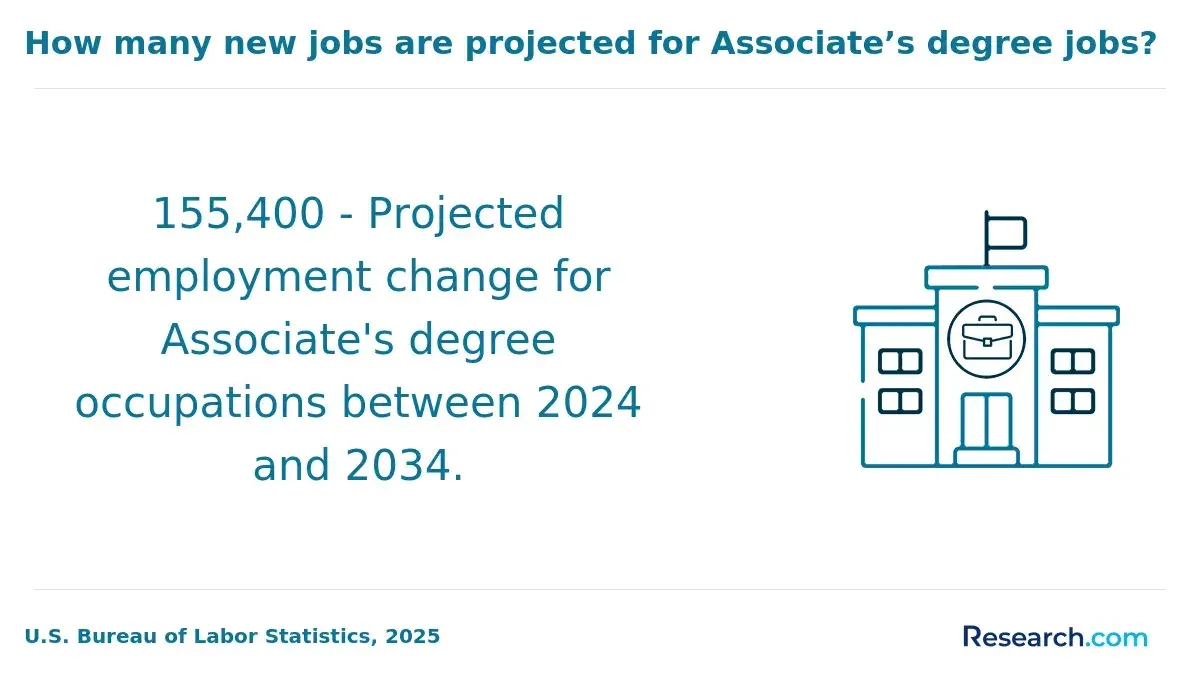
Educational choices within social work, psychology, and related fields significantly shape career opportunities and earning potential in human services. Entry-level roles such as case management typically require a bachelor's degree, but advancing into clinical, supervisory, or program development roles demands a master's degree in social work (MSW) or counseling, reflecting employers' emphasis on both theoretical knowledge and supervised fieldwork.
Prospective students assessing degrees for human services careers must consider that a bachelor's degree in psychology, while qualifying for direct support roles, often limits upward mobility without graduate credentials. Wage stagnation further complicates return on investment; inflation-adjusted earnings have risen just 3% since 2000, leaving many professionals earning about $20,000 below basic living costs in some areas.
This stresses the need to evaluate human services degree requirements and options carefully, balancing cost, length of study, and realistic income prospects. Certificate programs and associate degrees offer faster access to support positions but seldom open doors to higher-level roles without further education. Employers value candidates familiar with evidence-based practices, data collection, and ethical frameworks, which underscore the advantage of degrees that integrate practical internships.
Cross-disciplinary credentials in public administration or nonprofit management can supplement skills but rarely substitute for core social science training needed for clinical or certified positions. For those weighing total costs and career trajectory, exploring the cheapest MSW programs online can reveal affordable pathways to necessary graduate qualifications.
How do accredited human services programs differ online and on campus?
Choosing between online accredited human services degree programs versus traditional on campus formats fundamentally shapes skill acquisition and employability. Online programs offer flexibility but frequently reduce opportunities for supervised fieldwork and client engagement, limiting direct exposure to real-world conditions that are indispensable in sectors like elder care and child day care services.
The differences between online and campus human services education become especially pronounced in practical training where on-campus students benefit from structured internships and face-to-face labs essential for growing interpersonal competencies highly valued by employers.
Employment in home health care services has surged 406%, services for the elderly 117%, and child day care services 61% since 2000, outpacing general private labor growth. For those pursuing career pivots into home health care, for example, verifying clinical placement availability in an online program is critical because virtual simulations cannot replicate unpredictable patient environments.
Campus-based programs provide more assured access to supervised practicum, better aligning with employer expectations for immediate workplace readiness in these expanding fields. Online learners must often compensate for reduced in-person mentoring by securing independent internships or volunteer roles, which demands increased proactive resource and time management.
Remote study also hampers spontaneous networking, complicating job referrals and market integration in this relationship-driven sector. Prospective students should consider these tradeoffs carefully, as the mode of study strongly influences transition speed and long-term career traction. For those researching cost-effective options, a useful resource on affordable graduate paths includes masters in human resources.
What courses are included in a human services degree?
A human services degree curriculum demands deliberate choices about specialization and practical engagement to align with workforce realities. Core courses cover counseling techniques, policy, ethics, psychology, and case management, providing the foundational skills necessary for client advocacy and resource coordination. However, meaningful employability gains depend on applied learning, such as internships focused on settings like child welfare or mental health, which sharpen assessment and crisis intervention capabilities.
Pragmatically, students face a tradeoff between program flexibility and field experience availability. Those lacking substantial practicum opportunities risk gaps in readiness that employers increasingly note. The fast-growing demand in state and local government roles emphasizes skills beyond theory, including data literacy, grant writing, and interagency collaboration, reflecting complex community needs and funding environments.
Specializing in areas like gerontology or disability services can improve job market positioning but requires choosing electives strategically. Accreditation status and course availability remain pivotal; programs deficient in these aspects may limit long-term career mobility. Graduates equipped with both a robust theoretical base and practical fieldwork are better positioned to navigate the intricate social service landscape.
What admissions requirements do human services programs usually require?
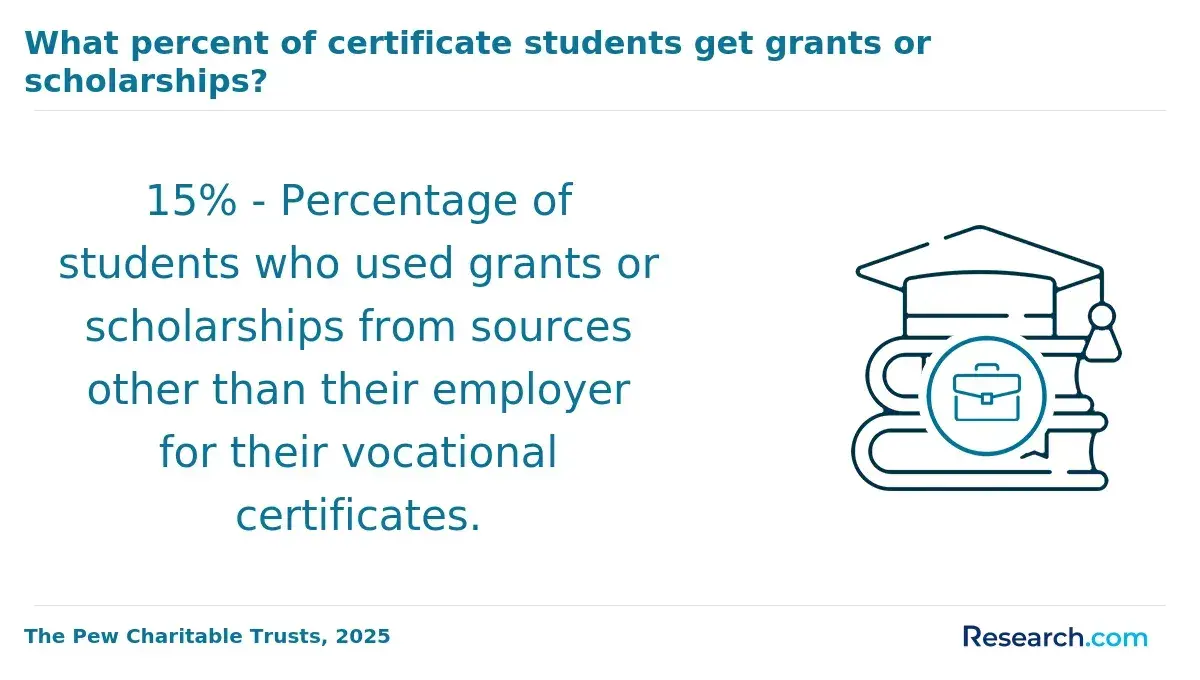
Entry to human services programs typically hinges on more than a high school diploma or GED; competitive applicants often need foundational college courses in psychology, sociology, or communications, alongside minimum GPA thresholds around 2.5 to 3.0. These academic cutoffs, coupled with letters of recommendation and personal statements, serve to filter candidates demonstrably committed to working with vulnerable populations. Background checks and interviews further vet suitability, given the sector's sensitive client base.
The actual tradeoffs for students vary by intended role. For instance, aspiring mental health counselors benefit from programs requiring prerequisite coursework that facilitates credit transfer and accelerates certification. On the other hand, those targeting entry-level case manager roles may opt for certificate paths that minimize entrance barriers but afford fewer opportunities for upward mobility.
Experience outside the classroom is a tangible advantage. Prior volunteer or agency work aligns closely with employer demands for practical skills, often outweighing purely academic credentials. The healthcare industry's recent surge in human services roles-adding 62,000 jobs in May 2025 alone-amplifies the need for clinical and community-based competencies beyond traditional social service training.
Students must balance the upfront investment of rigorous admissions requirements against longer-term employability gains. Choosing a pathway aligned with real workforce expectations mitigates wasted resources and supports navigating a labor market increasingly shaped by healthcare and integrated care models.
How long does a human services degree usually take to finish?
Degree completion timelines in human services critically influence workforce entry, with most full-time bachelor's programs spanning four years and requiring 120 to 130 semester credits. Accelerated tracks may shorten this to three years, but these demand rigorous time management and can limit work-income continuity.
Conversely, part-time or extended programs-which may last five to six years-offer flexibility but delay access to roles amid a competitive labor market that reported over 30,000 human resources openings in 2025, many specializing in talent management and learning & development.
Practical experience weighs heavily for employers, making programs with required internships or practicum placements more valuable though lengthier; such requirements can add six months to a year beyond coursework, especially when state certifications or exams pertain to specialized fields like clinical case management or organizational leadership within human services.
Students balancing employment should evaluate these tradeoffs carefully:
- Accelerated degrees reduce opportunity costs but intensify scheduling pressures.
- Slower formats maintain steady income but postpone professional advancement.
- Programs integrating supervised fieldwork align better with employer demands and improve readiness.
Ultimately, decisions about program length and format directly affect the timing of qualification and entry into competitive subfields, necessitating alignment with job market dynamics documented by workforce studies.
What does a human services degree cost in the United States?
Cost considerations for a bachelor's degree in human services vary greatly by institution type and residency status, with total tuition ranging from roughly $40,000 to $100,000. Public in-state universities typically charge between $10,000 and $20,000 annually, while private colleges often exceed $30,000 per year. Additional expenses such as textbooks, fees, and living costs can add $12,000 to $18,000 annually, significantly impacting budgeting and debt.
Community college pathways offer a more affordable entry point-typically $6,000 to $15,000 total-but usually require transfer to a four-year program for positions demanding a bachelor's credential. For working professionals targeting a pivot into healthcare administration, part-time or online programs provide flexibility but may carry higher tuition, sometimes exceeding $20,000 annually.
Choosing between affordability and flexible formats involves weighing immediate income maintenance against potential premium costs. When evaluating programs, accreditation, curriculum relevance, and alignment with state certification requirements must be prioritized due to employer preferences for practical experience alongside credentials.
Rapid job growth across sectors like healthcare, manufacturing, and financial services-adding over 1.14 million positions early last year-signals demand for human services expertise but requires realistic salary expectations. Entry-level salaries span from approximately $35,000 in nonprofit roles to over $55,000 in healthcare administration, forcing careful cost-to-benefit analysis to avoid excessive debt relative to expected earnings.
What salaries can human services graduates expect?
Entry-level salaries for human services graduates typically fall between $30,000 and $45,000 annually, influenced heavily by job role, location, and credentialing. For instance, social service assistants often start near $33,000, while community health workers can approach $40,000 early in their careers. However, compensation in many direct-care roles prioritizes immediate skill and certifications over advanced degrees, resulting in modest initial wage growth unless additional licensure is obtained.
Workforce dynamics add complexity to these figures. The Bureau of Labor Statistics projects nearly 795,000 job openings in personal care and service occupations from 2023 to 2033, largely due to replacement needs stemming from permanent exits. Graduates must weigh sector demands against regional tradeoffs-for example, a rural eldercare position might offer lower starting salary but fewer hours, whereas an urban nonprofit role could provide $40,000 with longer, more complex shifts.
Key decision factors for those evaluating human services careers include:
- Certification status and soft skills often shape retention and advancement more than formal education alone.
- Higher salaries, frequently above $55,000, typically associate with supervisory or clinical roles requiring further education, such as a bachelor's in social work or counseling.
- Job complexity, shift length, and licensure requirements materially affect compensation and career trajectories.
Given these layers, strategic upskilling and credentialing remain essential to accessing higher-paying opportunities amid steady demand, as recent federal labor data and occupational outlook reports confirm.
What certifications and licenses may human services graduates need?
Holding a degree in human services without obtaining the appropriate certifications or licenses often leaves graduates at a hiring disadvantage, especially for roles demanding verified clinical competency. Licenses like Licensed Social Worker (LSW) or Licensed Professional Counselor (LPC) are frequently mandatory prerequisites, requiring substantial investments in graduate education and supervised clinical hours, often between 2,000 and 4,000.
Passing state licensure exams adds an additional barrier that directly impacts employability and salary potential. Specialized certifications such as Certified Case Manager (CCM) or Certified Rehabilitation Counselor (CRC) gain importance in niche sectors like healthcare or disability support, where employers prefer demonstrable expertise.
For instance, a Family Care Manager targeting salaries near the 75th percentile-ZipRecruiter data places this at $155,000 annually-typically combines licensure with advanced certifications for credibility in complex care coordination. Non-clinical human services roles may prioritize certificates emphasizing program management or crisis intervention; these require less time but typically limit advancement into higher-paying positions.
The ongoing need for continuing education credits also factors into the total cost and time commitment for credential maintenance. Prospective professionals must weigh state-specific regulatory frameworks, employer demand, and long-term income impact when choosing credentials, as lacking the right license often excludes candidates regardless of academic achievement.
Other Things You Should Know About Human Services
The workload in high-demand human services roles often exceeds what entry-level training prepares graduates for, especially when employers face staffing shortages. Balancing case management, client advocacy, and administrative tasks requires prioritizing time management skills from the start. Candidates should expect long hours and high emotional labor; those who invest in resilience strategies and ongoing supervision reports better career sustainability.
In 2027, managing workload in high-demand human services roles requires prioritizing time management and self-care practices. Professionals are encouraged to leverage technology for efficiency, set realistic goals, and seek support from peers and supervisors to prevent burnout and maintain productivity.
Employers in government agencies typically demand compliance with strict documentation and regulatory standards, which requires attention to detail and adherence to protocols. Nonprofits often expect broader roles including fundraising and program development, demanding flexible skill sets. Private sector or healthcare roles emphasize client outcomes and data reporting. Understanding these differences upfront allows candidates to target training that aligns with their preferred environment and advance effectively.
Additional certifications can improve employability but should be pursued strategically rather than immediately after graduation unless required for a specific job. Invest first in gaining stable work experience to avoid overextending yourself and to better judge which credentials yield returns in your chosen sector. For example, a specialist certification may have high value in clinical settings but less impact in community outreach roles. Prioritize employer demand and long-term career trajectory over short-term credential accumulation.
References
- Human Services Credential https://sites.highlands.edu/human-services/human-services-credential/
- Want a Job That Makes a Positive Difference? Start Here https://www.trade-schools.net/human-services/
- Job Search, Career Advice & Hiring Resources | iHireSocialServices https://www.ihiresocialservices.com/
- Why Choose a Career in Human Services? https://sunriseservicesinc.com/why-choose-career-human-services/
- FAQ https://www.cshse.org/faq
- What Careers Can You Pursue with a Human Services Degree? - Grace Christian University https://gracechristian.edu/blog/what-careers-can-you-pursue-with-a-human-services-degree/
- Ageless Talent: How the HR Services Industry Empowers Every Generation - World Employment Confederation https://wecglobal.org/press-release-post/ageless-talent-how-the-hr-services-industry-empowers-every-generation/
- Bachelor's in Human Services https://www.monroeu.edu/academics/undergraduate-programs/school-criminal-justice/bachelors-human-services
- Checking your browser https://www.f6s.com/companies/hiring/united-states/co
- 7 Top Bachelor's Programs in Human Services Across New York State - Counseling Degrees New York https://counselingnewyork.org/bachelors-programs/