2027 Best Online Human Services Programs for Professionals Seeking Case Management Careers

Co-Founder and Chief Data Scientist
Case managers in human services often face the urgent need to upskill while juggling demanding work schedules and personal responsibilities. With the Bureau of Labor Statistics projecting a 13% growth in social and community service management roles through 2032, access to flexible education is critical for timely career advancement. Yet, traditional programs frequently lack the necessary adaptability or affordability for working professionals. A 2024 National Center for Education Statistics report shows a sustained 8% rise in adult learners enrolling exclusively in online courses, signaling a decisive shift toward digital formats as the only viable option for many.
This article evaluates the best online human services programs tailored to meet these complex scheduling, financial, and career mobility challenges, helping prospective students identify pathways aligned with real workplace demands.
Key Things You Should Know
- Graduates from accredited online human services programs face a 12% wage penalty compared to traditional campus counterparts, per U.S. Census data, reflecting employer preference biases impacting entry-level case management roles.
- Employers prioritize field practicum hours exceeding 600; programs offering fewer than 400 risk limiting graduates' job placement in competitive urban markets where practical experience directly correlates with hireability, according to the National Career Development Association.
- Median program cost variations between $12,000 and $30,000 drive divergent debt-to-income ratios; those weighing accelerated 18-month tracks must balance higher upfront costs against faster workforce reentry, per NCES 2024 tuition reports.
What are the best online human services programs for case management careers?
Choosing the best online human services programs for case management careers involves weighing both the depth of practical training and the alignment with employer standards in healthcare, social work, and nonprofit sectors. Programs that integrate supervised fieldwork tend to produce graduates with stronger documentation and crisis intervention skills, resulting in faster job placement. A typical real-world challenge for students is balancing coursework with ongoing case loads or family responsibilities, so offerings with flexible pacing and asynchronous content combined with targeted live sessions optimize learning without sacrificing practical application.
Top accredited human services degrees for case managers emphasize competencies in evidence-based assessment tools and electronic case management systems widely used in care coordination. These technical proficiencies increase employability, especially in states where credentialing requirements vary significantly, affecting career mobility. Graduates adept at managing complex cases across health and social service systems fill a growing demand; the U.S. Bureau of Labor Statistics projects a 9% growth for social and community service managers from 2024 to 2034, far outpacing average occupational growth.
Prospective students should also examine how programs ensure steady skill accumulation to maintain retention and professional momentum. For those focusing on addiction-related services, exploring specialized tracks can deepen relevant knowledge. For a thorough exploration of allied specialties, reviewing resources like the addiction counseling degree online counseling programs provides insight into complementary pathways supporting effective case management.
Are online human services degrees as credible as campus programs?
Online human services degree credibility depends primarily on proper accreditation and alignment with professional certification standards, rather than the delivery format alone. Employers emphasize verifiable competencies and practical experience, often requiring documented internships or fieldwork. For example, case management jobs within healthcare or social work agencies typically mandate supervised placement consistent with state licensing, a requirement increasingly met by online programs through local partnerships.
A realistic tradeoff appears when weighing online versus campus human services programs, especially for working adults balancing employment. Online formats offer significant schedule flexibility-an advantage cited by over 60% of graduates-that supports retention and skill advancement without job interruption. However, on-campus settings may provide more immediate access to face-to-face mentoring and local networking, which some employers still consider valuable.
Employment outcomes remain a critical measure, with 78% of online human services degree holders securing related positions within six months, indicating strong workforce acceptance. Prospective students must scrutinize program accreditation, state licensure compatibility, and alumni employment reputation to avoid diluted credentials. Many will also benefit from consulting a list of CACREP accredited programs as a benchmark for quality assurance.
Key considerations include:
- Ensuring supervised, state-compliant fieldwork is integrated into the curriculum.
- Balancing flexibility needs with opportunities for meaningful in-person engagement.
- Verifying that the online program's rigor matches workplace expectations for skill acquisition.
What accreditation should online human services programs have?
Regional accreditation recognized by the U.S. Department of Education or the Council for Higher Education Accreditation is essential for online human services program accreditation standards because it directly affects degree transferability and employer recognition. Programs with additional accreditation from bodies like the Council for Standards in Human Service Education (CSHSE) better align with professional competencies required for roles such as case managers, influencing hiring and regulatory approval. For example, a social and community service manager must graduate from an accredited program accepted by state licensing boards to qualify for certification exams, or risk disqualification despite holding a degree.
Choosing accredited human services programs in the United States also impacts access to federal financial aid and employer tuition reimbursement, which often require enrollment in properly accredited institutions. Working professionals should verify their state's specific accreditation demands early to avoid costly re-education or lost job opportunities.
Ignoring these accreditation standards can constrain eligibility for licensure and certification, limiting career advancement in sectors where median salaries for case managers range from $53,710 to $77,030. Selecting programs verified through regional and programmatic accreditation thus safeguards professional mobility and aligns with growth in this field.
For those considering flexible options, evaluating online MSW programs provides insight into accredited pathways that combine practical education with recognized credentials.
What courses are in an online human services curriculum?
Employers in case management roles increasingly require candidates to possess a bachelor's degree, reflecting the complexity of human services work involving client assessment, service coordination, and regulatory compliance. Core courses in online human services degree programs cover case management practices, ethics, counseling techniques, and human behavior, equipping students to navigate diverse social systems effectively. Specialized coursework often tailors students for specific fields, such as child welfare, by including infant and adolescent development, or focuses on mental health and substance abuse counseling relevant to healthcare settings.
Typical coursework for case management careers in human services also integrates research methods and statistics, essential for evidence-based decision-making-a demand highlighted by over 70% of job postings requiring data competency. Practical components like internships embed students in real-world environments, where they develop documentation skills and multidisciplinary collaboration needed to manage complex caseloads. Programs lacking robust field experience or advanced coursework risk producing graduates who struggle to meet employer expectations in a market that heavily favors bachelor's-level preparation.
Decision-makers must weigh program elements including theoretical rigor, specialization, and internships to avoid gaps in employability. For example, a candidate without practicum experience may face challenges demonstrating the compassion and accuracy employers require. Those seeking a streamlined path toward professional readiness might also consider a fast track psychology degree online as an alternative route with overlapping competencies and accelerated timelines.
What admission requirements do online human services programs require?
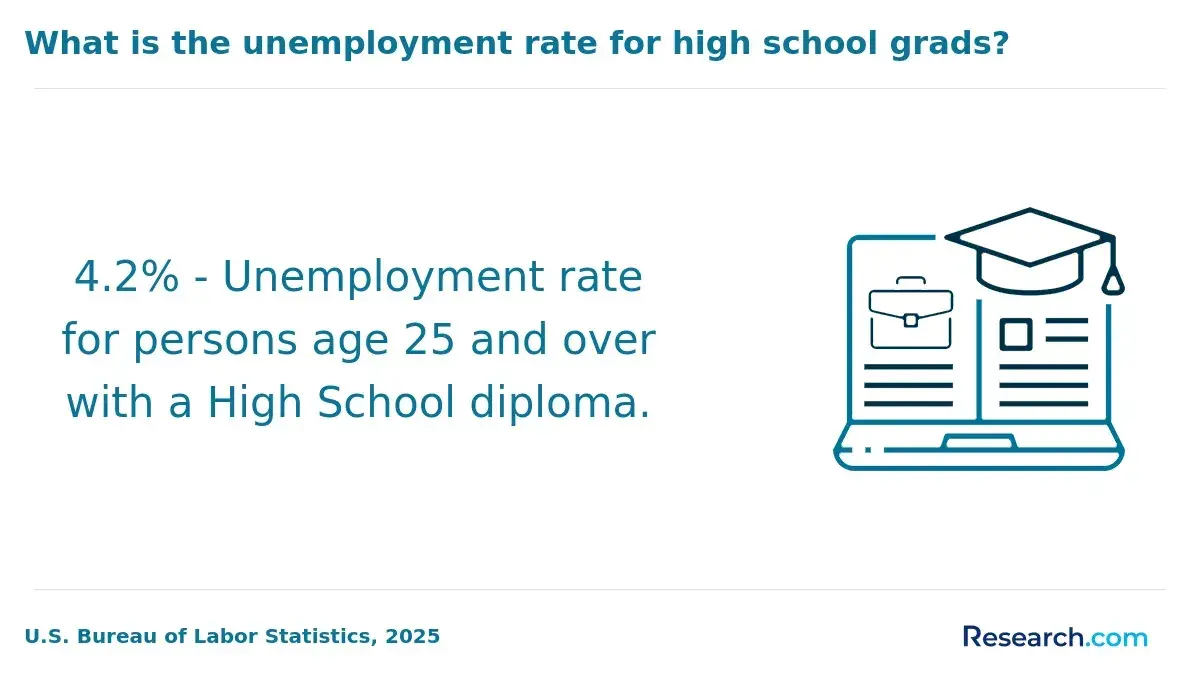
Admission into online human services programs is not just a formality; it directly impacts workforce readiness in sensitive sectors such as child welfare or mental health. A high school diploma or equivalent is a baseline, but bachelor's-level programs increasingly require demonstrated commitment through prior college work, professional references, or relevant volunteer experience. For example, a career changer with healthcare certifications might receive experiential credit, accelerating their timeline and increasing market competitiveness.
Employers now prioritize candidates with specific case management skills rather than broad human services knowledge. More than 80% of bachelor's programs incorporate case management or client advocacy courses to meet these expectations. This shift means admission committees look for concrete evidence of alignment between applicant experience and program focus, not just academic credentials.
Applicants must also navigate logistical challenges inherent to online learning: stable internet access, technical literacy, and proof of readiness for field placements are non-negotiable. Fieldwork requirements directly influence both admission decisions and time-to-degree completion, making orientation and resource documentation critical components.
In addition to academic vetting, background checks and professional reference verification are standard due to the sensitive nature of the work. Such scrutiny reflects employer concerns about trustworthiness in high-stakes environments.
How long does an online human services degree take?
The duration of an online human services degree is fundamentally linked to the balance between academic rigor and real-world obligations. Associate degrees typically span two years, targeting entry-level roles, while bachelor's degrees demand roughly four years full-time, with potential acceleration to three years through transfer credits or intensive enrollment. Part-time learners, especially those managing full-time employment, may face extended timelines-sometimes closer to five years-affecting how soon new competencies translate into tangible career gains.
Employers in this sector prioritize applied skills such as case planning, client communication, and assessment over purely credentialed timelines. These competencies are associated with a median starting salary above $46,000 as reported by CSU Global's outcomes, emphasizing that the effective acquisition of skillsets carries more weight than program length alone.
Students should assess several factors beyond duration:
- The impact of credit transfer policies and prior learning on time-to-degree.
- Alignment between program pacing, licensure requirements, and employer expectations.
- Financial implications tied to extended enrollment or accelerated study options.
For professionals, opting for accelerated online pathways can reduce opportunity costs and shorten the interval before salary advancement, while part-time paths provide flexibility but may delay workforce repositioning. Strategic decision-making around program format and pacing is essential to align educational outcomes with workforce realities.
How much do online human services programs cost?
The cost disparity between accredited and non-accredited online human services bachelor's programs creates tangible implications for students managing budgets and career outcomes. Accredited programs charging around $296 per credit contrast sharply with others averaging near $492 per credit. Over a typical 120-credit curriculum, that difference amounts to roughly $23,520 versus $59,040 in total tuition. This nearly 40% gap influences decisions on debt load and potential return on investment.
For a working professional seeking to pivot into human services, a lower-cost accredited program often makes more sense given employer preferences. Most employers prioritize demonstrated competencies and relevant experience over institutional prestige, diminishing the advantage of costly programs that do not guarantee enhanced certification eligibility or job placement.
Beyond tuition, students must consider fees for required materials, practicum expenses, and scheduling flexibility. Programs offering asynchronous coursework better accommodate full-time workers, potentially reducing total costs by allowing completion without extending study duration.
Practical strategies for prospective students include:
- Calculating total costs factoring in all fees and credits needed for certification
- Evaluating program accreditation to ensure workforce recognition
- Prioritizing flexibility to align with existing professional responsibilities
These considerations shape how human services educational investments translate to employability and career sustainability.
What jobs can you get with a human services degree?
Career outcomes for graduates with a human services degree hinge heavily on applied skills in client advocacy, interdisciplinary coordination, and crisis management. Roles such as case managers within healthcare or social service coordinators at nonprofits demand navigating complex client needs and institutional regulations beyond academic theory. For instance, elder care coordinators must integrate medical, social, and housing assistance programs while adapting to varying funding sources and compliance requirements-an operational reality that impacts daily responsibilities and effectiveness.
Workforce demand concentrates in sectors like government agencies and private providers, with particularly notable growth in child welfare and elder care services, driven by demographic changes and policy adjustments. Graduates pursuing these roles should anticipate state-specific certification or licensure processes, which often influence hiring timelines and long-term earning potential.
These regulatory and operational constraints mean candidates must weigh program curriculum alignment with legal, ethical, and confidentiality standards as a critical factor in employability. Human services education that emphasizes these areas tends to better prepare graduates for credentialing requirements and practical workplace challenges.
Data from OnlineU's ranking of human services degrees reveals that graduates from top-ranked online programs maintained a median debt-to-earnings ratio below 0.7, suggesting a financial advantage with annual earnings at least 30% higher than loan payments. This ratio signals superior return on investment relative to broader social science disciplines, underscoring that program selection materially affects career sustainability.
How much do case managers earn in human services?
Compensation for case managers in human services varies sharply based on education and licensure, reflecting distinct career trajectories. Entry-level jobs such as human services assistants and case management aides, typically requiring only an associate degree, pay between $35,000 and $45,000 annually. These positions offer limited decision-making power and slower advancement, often serving as foundational roles rather than long-term career targets.
In contrast, case managers holding a master's degree combined with state licensure command salaries from $55,000 to $75,000 or more, particularly within clinical or independent practice settings. For example, a licensed clinical case manager working in healthcare systems managing complex clients will usually be compensated near the upper end of this range due to greater responsibility and regulated accountability.
Pursuing advanced degrees involves a significant upfront time and financial commitment but aligns with employer expectations for licensed practitioners responsible for independent case management. This strategic investment often accelerates growth and job stability.
Professionals weighing this path should consider part-time or online master's programs tailored to workforce demands, especially when balancing employment. Key factors include:
- Cost and duration of graduate education
- Licensing requirements and exam preparation
- Employer preference for credentialed staff
- Regional salary disparities and job market conditions
Decisions around education and certification profoundly shape earning potential and career direction in human services case management roles.
What certifications help with case management careers?
Certifications in case management distinctly shape the trajectory and scope of professional roles across healthcare, insurance, rehabilitation, and community sectors. For instance, possessing the Certified Case Manager (CCM) credential enables a practitioner to oversee intricate patient care plans with direct impact on treatment outcomes and insurance processes, a responsibility often tied to higher pay and decision-making authority. Conversely, the Certified Rehabilitation Counselor (CRC) offers strategic inroads into specialized vocational programs requiring nuanced counseling skills but may not carry the same clinical weight.
Employers' preference for specific certifications directly mirrors regulatory demands and operational contexts, making the choice of credential a critical factor aligned to targeted employment niches. Practical challenges extend beyond credential costs to include mandatory supervised hours and ongoing education, often prolonging entry for individuals lacking prior clinical licensure and affecting income during this period.
Additional workforce requirements, notably proficiency in electronic health records (EHR) systems, underscore the necessity to integrate technical training with certification pursuits, enhancing job readiness and employer appeal.
Online human services programs increasingly reflect these market realities, with over 60% of top-ranked offerings presenting focused tracks in case management, addiction, or family services. This specialized curriculum alignment improves preparation for credential exams and provides practicum experiences tailored to certification demands, thereby improving placement potential and enabling timely career shifts.
Other Things You Should Know About Human Services
Practical field experience is critical for case management careers and should be prioritized when selecting an online human services program. Programs that incorporate internships or supervised practicums provide direct exposure to client interactions and organizational operations, which employers expect. Lack of hands-on experience can limit a graduate's readiness to manage real-world caseloads and reduce competitiveness in hiring. When choosing a program, confirm how it integrates practical placements and whether these align with your geographic and professional needs.
Online human services programs vary significantly in flexibility, impacting students who balance work and study. Fully asynchronous courses offer the most scheduling freedom but may reduce opportunities for real-time interaction or networking. Hybrid formats, with some live sessions, can better mimic traditional learning but require fixed weekly commitments. Professionals should assess their capacity to meet synchronous sessions and deadlines, as overestimating flexibility can result in incomplete coursework or delayed graduation.
Employers often prefer candidates with specialized training in areas like case management, mental health, or substance abuse over general human services degrees when specific skills are critical for the role. Choosing a program that offers focused coursework or certifications in your targeted subfield increases your job market advantage. For those undecided or seeking versatility, a broad program provides foundational knowledge, but tradeoffs include potentially weaker expertise compared to specialized peers.
References
- Understanding Credentials in Case Management: Certificate, Certification, and Fellowship | Case Management Institute https://casemanagementinstitute.com/understanding-credentials-in-case-management-certificate-certification-and-fellowship/
- How to Become a Case Manager https://www.grace.edu/case-manager/
- Online Human Services Degrees: Finding the Right Program https://www.edumed.org/online-schools/human-services-degrees/
- Health and Human Services: Campus & Online Degrees and Careers https://www.publichealthonline.org/human-services/online-degree-programs/
- Online Bachelor’s Degree in Human Services https://www.monroeu.edu/academics/undergraduate-programs/school-criminal-justice/online-bachelors-degree-human-services
- Certifications https://yourcommission.org/certifications
- Case Management Certification from The American Academy of Case Management – AIHCP https://aihcp.net/american-academy-of-case-management/
- Top Online Master’s in Human Services Degree Programs for 2025 https://www.onlinemastersdegrees.org/best-programs/human-services/
- Top Entry-Level Health and Human Services Jobs https://www.ultimatemedical.edu/blog/top-entry-level-health-and-human-services-jobs/
- Human Services Associate Degree | Academics | Monroe Community College https://www.monroecc.edu/academics/majors-programs/community-engagement/human-services-associate-degree/