2027 Online Health Sciences Degree Master's Programs That Accept Transfer Credits

Co-Founder and Chief Data Scientist
Many students pursuing an online health sciences degree face barriers when attempting to transfer credits from previous coursework, risking extended program durations and added expenses. Nearly 60% of transfer applicants report difficulties with credit acceptance in online graduate health sciences programs, leading to delays in graduation and workforce entry. This challenge affects recent graduates, career changers, and international students striving to leverage their academic history efficiently.
Understanding how transfer credit policies operate across institutions can significantly streamline degree completion. This article explores admission requirements, credit evaluation processes, accreditation considerations, and financial aid options, equipping readers to select transfer-friendly online health sciences master's programs aligned with their goals.
Key Benefits of Online Health Sciences Degree Master's Programs that Accept Transfer Credits
- Transferring credits in online health sciences master's programs can shorten degree completion time by up to 40%, enabling faster entry or advancement in the healthcare workforce.
- Accepting prior coursework reduces tuition costs significantly, often saving students thousands of dollars and increasing affordability for working professionals.
- Flexible online formats combined with credit transfer support career changers and re-entrants by accommodating varied schedules and prior academic experience.
Why Should You Pursue an Online Health Sciences Master's Degree With Transfer Credits?
For prospective students and career changers exploring advanced education options, online health sciences master's programs with transfer credits offer a strategic pathway to earn a degree more efficiently. These programs are designed to accommodate prior learning, allowing students to reduce time spent on coursework.
Below are some key advantages of transferring credits into a health sciences graduate degree:
- Time Savings: Transfer credits reduce the total number of courses required, significantly shortening the length of the program and enabling faster degree completion.
- Cost Efficiency: By lowering the overall credit-hour burden, students pay for fewer classes, which cuts tuition expenses and eases financial strain during graduate studies.
- Flexibility: Online programs accepting transfer credits are particularly convenient for working professionals, career changers, and those returning to school, as they offer schedules that fit around personal and job commitments.
- Transfer Credit Evaluation: Institutions typically assess the relevance and accreditation of past coursework, making it essential for students to understand credit limits and admission requirements to choose programs aligned with their academic background.
- Student Outcomes: Transfer-friendly online health sciences programs often support personalized learning paths and reduce barriers to graduation, which may lead to more positive academic results compared to traditional pathways.
Students interested in accelerating their healthcare career may also explore a medical assistant training program as a complementary option to build foundational knowledge quickly within the healthcare field.
What Is the Minimum GPA Requirement for a Health Sciences Master's Program?
Most online health sciences master's programs have clear minimum GPA requirements not only for admission but also specifically for transfer credit eligibility. Typically, these programs require a cumulative undergraduate GPA of around 3.0 on a 4.0 scale. However, the accepted transfer credit GPA criteria for health sciences graduate degrees may be set higher to ensure the quality and compatibility of transferred coursework.
Some programs accept transfer credits with a GPA as low as 2.5, but they often limit how many such credits are applicable. About 70% of health sciences programs enforce these GPA thresholds uniformly to uphold academic standards.
Here’s a breakdown of the program's GPA requirements:
- General Admission GPA: Most programs require a cumulative undergraduate GPA of at least 3.0, demonstrating readiness for graduate-level coursework and ensuring students can manage course rigor online.
- Transfer Credit GPA Standards: Usually, transfer credits must come from courses where students earned a B grade or higher, equating to a 3.0 GPA or above, to qualify for transfer into the program.
- Conditional Acceptance Policies: Some schools offer conditional admissions to applicants with GPAs just below minimum requirements, contingent on completion of prerequisite courses or showing relevant professional experience.
- Application Strengthening Strategies: Applicants with borderline GPAs can improve their chances by emphasizing strong recommendation letters, relevant work experience, or high GRE scores. Highlighting these can make a significant difference in competitive admissions.
- Varied Institutional Policies: GPA expectations can vary by institution type; for example, public universities may offer more flexible policies than private or highly ranked programs, providing additional transfer credit opportunities.
Prospective students aiming to maximize transfer credits and meet these GPA requirements should consult resources on nursing colleges with high acceptance rates, which often overlap with transfer-friendly health sciences programs. This strategic approach helps reduce both the time and cost required to complete an online health sciences master's degree while aligning with institutional standards.
How Many Transfer Credits Can You Apply to an Online Health Sciences Master's Program?
Knowing how many transfer credits you can apply toward an online health sciences master's degree is essential for managing your academic timeline and expenses. Recent data shows that most online programs permit between 6 and 12 semester hours of transfer credit, directly influencing how quickly you can finish your degree.
Key factors shaping transfer credit limits include:
- Credit Caps: Transfer credit limits typically range from 6 to 12 semester hours, often amounting to no more than one-third of the total required coursework. These caps help ensure that most learning aligns with the institution's standards and curriculum quality.
- Accreditation Criteria: Credits from regionally accredited schools are usually more widely accepted than those from nationally accredited institutions. This accreditation difference plays a significant role in determining which transfer credits meet program requirements.
- Assessment Procedures: Prospective students should request an official evaluation of transfer credits prior to enrollment. Each program's transfer review process varies, and understanding it beforehand clarifies how much prior coursework can reduce your program length.
A professional who pursued an online health sciences master's shared that navigating the transfer process was initially overwhelming, especially without clear guidelines upfront. "I had to gather transcripts from several schools and submit detailed course descriptions," he explained, stressing the importance of starting the evaluation early.
Despite the added effort, once credits were approved, he felt relieved knowing his previous work counted toward the degree, shortening both time and cost. This experience highlights the value of thorough preparation and early communication with admissions to maximize transfer opportunities.
Regional accreditation is generally favored in transfer credit policies for online health sciences master's programs because it reflects broad institutional quality standards recognized nationwide, easing the acceptance of transferred credits. National accreditation, however, typically applies to career-focused or vocational institutions and often limits credit transferability.
Additionally, specialized accreditors within health sciences programs impose stricter requirements on core curriculum alignment, influencing which transfer credits are accepted. Around 65% of graduate programs in health-related fields disclose clear transfer credit policies, emphasizing the importance of accreditation standards affecting transfer credits in health sciences graduate programs.
Prospective students should always verify accreditation status through reliable sources such as the U.S. Department of Education or the Council for Higher Education Accreditation (CHEA). This verification helps ensure that the credits earned are more likely to be accepted by their chosen institutions. For example, understanding the average cost of RN to BSN programs can provide insight into potential savings from credit transfer.
Below are the key oversight bodies that influence credit transfer eligibility:
- Regional Accrediting Organizations: These agencies accredit comprehensive academic institutions and are widely acknowledged for maintaining rigorous standards. Their broad recognition often makes credit transfers smoother between universities.
- National Accrediting Bodies: Focused on specialized vocational education, these agencies' standards differ from regional ones, often resulting in more restricted transfer opportunities for students.
- Programmatic Health Sciences Accreditors: Groups like the Commission on Accreditation of Healthcare Management Education set field-specific requirements that impact acceptance of transfer credits, especially for core coursework.
- State Authorization Agencies: These bodies regulate cross-state online program delivery and influence policies that can indirectly affect the acceptance of transfer credits between institutions.
- Verification Resources: Official databases from the U.S. Department of Education and CHEA offer students trustworthy ways to confirm accreditation status for both previous and future programs.
About 65% of graduate programs nationwide now accept transfer credits, making it easier for students in online health sciences master's programs to leverage previous coursework. Eligible transfer credits generally align closely with the program's academic goals and specialization, helping students progress more efficiently through their degrees.
Below is an overview of the types of courses typically eligible for transfer credit:
- Core Curriculum Courses: These foundational classes cover essential topics such as anatomy, physiology, epidemiology, and biostatistics. Transferring credits from courses that directly match these core subjects helps maintain academic consistency.
- Specialization Coursework: Courses related to specific tracks like public health, health policy, or healthcare administration may qualify if they align with the student's chosen area of focus within the master's program.
- Recency of Coursework: Most institutions require that transfer credits be earned within the last five to seven years to ensure the material remains relevant and reflects current standards in health sciences.
- Research and Methodology Classes: Transferable credits often include courses in research design, data analysis, and quantitative methods, supporting skills necessary for graduate-level projects like theses or capstones.
- Supporting Documentation: Providing detailed syllabi, official course descriptions, and transcripts from previous schools is crucial to help admission committees assess the comparability and rigor of prior coursework.
A professional who transitioned careers after completing an online health sciences master's degree shared that navigating transfer credits was initially daunting. She recalled feeling uncertain about which courses would be accepted and emphasized how gathering thorough documentation helped clarify the process.
"Submitting detailed syllabi made a huge difference," she noted. Her experience demonstrated that patience and careful organization during credit evaluation not only eased admission but also shortened her time to graduation, ultimately smoothing her career change.
Recent data shows over 30% growth in enrollment for online health sciences master's programs, reflecting a rising interest among students to apply previous graduate credits toward their degrees. Knowing how to navigate the transfer credit evaluation process can help these students speed up their academic progress and reduce costs.
Here are essential steps to consider when submitting a transfer credit request:
- Submission Timing: Initiate your transfer credit request early in the admissions cycle, preferably when applying or shortly afterward, to avoid registration delays and ensure your evaluation is completed on time.
- Necessary Documents: Submit official transcripts along with detailed course syllabi and descriptions. This documentation helps institutions assess the equivalency and rigor of your prior coursework accurately.
- Office Communication: Stay in regular contact with the registrar or graduate admissions office to monitor the status of your evaluation and quickly address any additional documentation or clarification needed.
- Documentation Tracking: Retain copies of all submitted materials and correspondence. Maintaining thorough records safeguards your interests in case of discrepancies or appeals throughout the transfer process.
For prospective students enrolling in an online health sciences master's program, knowing how transfer credits influence the time to degree completion can help optimize academic planning. According to the National Center for Education Statistics, applying transfer credits can shorten program duration by months or even over a year, depending on the number accepted.
Below are the key factors that explain how approved transfer credits influence program length:
- Transfer Credit Impact: The greater the number of approved transfer credits, the fewer courses remain, directly reducing program length. Some programs permit up to 50% of credits to transfer, which offers significant time savings for qualified applicants.
- Enrollment Status: Full-time students typically complete their degree within 1 to 2 years. Part-time students often require 3 years or more. Transfer credits reduce both timelines by decreasing the total credits still needed.
- Credit Caps: Institutions often impose a maximum limit on transferable credits. Exceeding this limit does not further reduce required coursework, potentially limiting time savings.
- Sequential Courses: Programs with prerequisite or sequential course structures may restrict accelerated progress. Even with transfer credits, certain courses must be taken in order, which can extend completion time.
- Residency Requirements: Many schools mandate earning a minimum number of credits directly from their institution. This residency rule can extend the timeline if transfer credits don't fulfill these requirements.
- Personalized Calculation: Students should evaluate their transcripts, verify accepted credits with admissions, then divide the remaining credits by their planned course load per term to estimate individual completion time accurately.
Prospective students seeking top online health sciences master's programs that accept transfer credits will find value in programs designed to accommodate prior coursework. Transfer-friendly programs help reduce overlap, shorten time to degree completion, and lower overall costs.
When evaluating these programs, it is critical to consider flexible credit transfer policies and strong student support. Here are some of them:
- Generous Credit Limits distinguish reputable programs by allowing transfer of up to half or more of the required graduate credits. This feature is ideal for students with relevant post-bachelor's coursework from accredited institutions who want to avoid repeating similar classes and accelerate their progress toward a health sciences master's degree.
- Clear Evaluation Processes provide transparency and consistency. Respected institutions outline specific guidelines for credit acceptance, detailing the evaluation criteria, required documentation, and types of credits eligible for transfer. Often, a dedicated transfer credit committee or official evaluator oversees these assessments to maintain fairness.
- Strong Student Support Services are essential for a successful transfer experience. Academic advising, personalized credit transfer consultations, and tailored degree planning help students make informed decisions about which credits to transfer and what remains to be completed. These services substantially ease the navigation of program requirements.
- Accredited Online Programs ensure that transferred credits are recognized by regional or national accrediting bodies. Accreditation is a critical factor in program quality, future employment prospects, and professional credentialing. It benefits those searching specifically for the best accredited online health sciences master's degrees with transfer policies.
- Transparent Transfer Policies are regularly updated to reflect academic standards and institutional changes. Prospective students should verify the current policies directly with admissions offices and consult institutional rankings, alumni reviews, and accreditation databases to identify programs best aligned with their academic and career goals.
Additionally, students interested in pathways related to nursing may find value in exploring fast-track LPN options, which complement several health sciences offerings.
Prospective online health sciences master's degree students benefit from understanding how applying transfer credits can impact tuition and fees. With master's degree holders in health sciences earning a median salary of nearly $90,000 annually, maximizing tuition savings for health sciences master's degrees with transferred credits can be a smart financial move.
Below are the main factors that determine the cost of the program when transfer credits are applied:
- Tuition Savings: Transfer credits reduce the total number of credit hours you need to complete within the program. Because tuition is typically charged per credit, transferring approved credits directly lowers overall costs.
- Per-Credit-Hour Rates: Online health sciences programs generally charge between $400 and $900 per credit hour. Using transfer credits decreases the credits you pay for at these rates, making your education more affordable.
- Residency Requirements: Some institutions require students to complete a minimum number of credits on campus or within their program, which can limit how many transfer credits apply. It's important to verify these limits to fully estimate your cost savings.
- Mandatory Fees: Additional fees like technology, registration, or student services fees may still apply per semester or credit hour, even if transfer credits reduce your course load. These fees can affect the total cost regardless of transferred credits.
- Financial Aid Impact: Reducing your credit load through transfer credits might influence eligibility for certain financial aid packages. Discuss with the program's financial aid office how applying transfer credits could affect your aid to avoid surprises.
To gain a clear picture of total costs after credits transfer, you should request a personalized net cost estimate from each program's financial office. When researching options, consider exploring no application fee universities to reduce upfront expenses as you evaluate transfer credit policies and costs.
Financial aid plays a vital role for students pursuing an online health sciences master's degree, especially when transfer credits influence their enrollment status and funding eligibility. About 85% of graduate students receive some type of financial support.
Explore the available aid sources below.
- Federal Financial Aid: Submitting the FAFSA is essential to qualify for federal loans and grants. Aid amounts often depend on full-time enrollment; however, transfer credits lowering your courseload might reduce eligibility by placing you in a part-time status.
- Institutional Scholarships: Many programs offer scholarships aimed specifically at graduate health sciences students. These awards may be merit-based or need-focused, helping to alleviate tuition expenses significantly.
- External Funding: Various professional organizations related to health sciences provide scholarships and fellowships. Candidates should research associations aligned with their career to find specialized funding options.
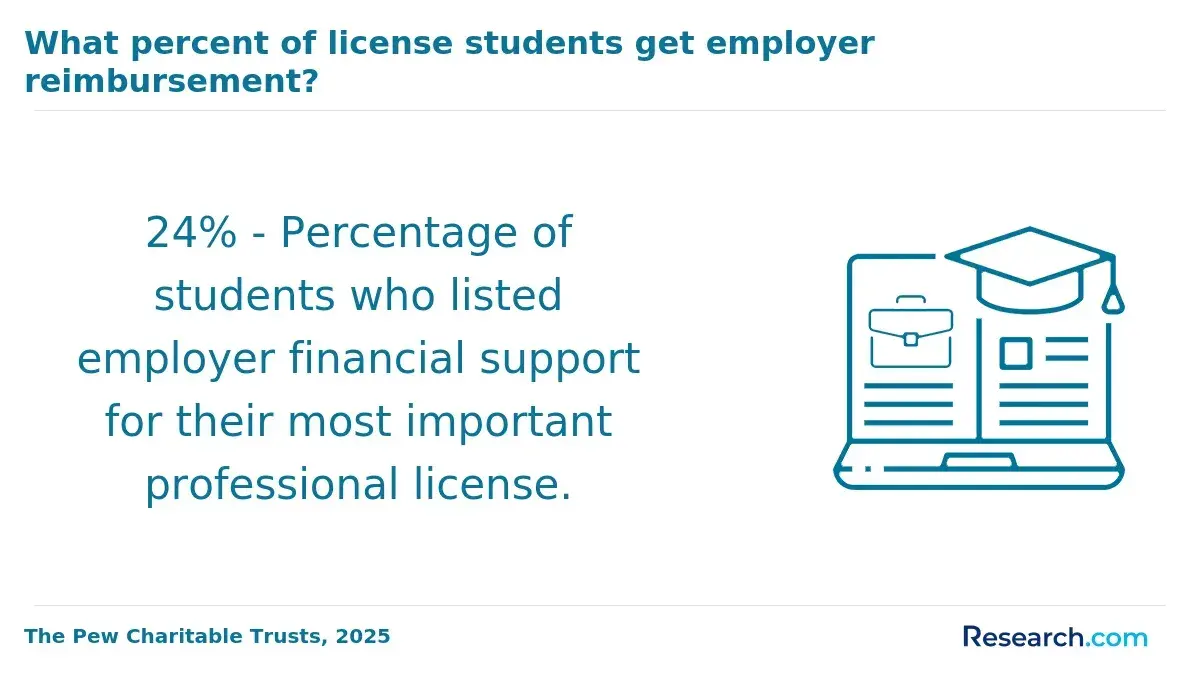
- Employer Tuition Assistance: Some employers offer reimbursement or tuition coverage as part of employee education benefits. Investigate your company's policies to enhance your overall financial package.
- Graduate Assistantships: Opportunities such as teaching or research assistantships can offer stipends or tuition reductions while garnering valuable experience. These roles combine financial support with professional growth.
For those pursuing an online Health Sciences master's degree, understanding admission expectations can significantly improve application success. Research shows that over half of applicants prioritize program flexibility and admission criteria, especially when transfer credits are part of their academic record.
Here’s an overview of typical admission requirements:
- Comprehensive Application Materials: Beyond GPA, programs typically require letters of recommendation and personal statements to assess motivation and fit. Some may also request standardized test scores, such as the GRE, to further evaluate academic preparedness.
- Transfer Credit Considerations: Possessing transfer credits does not exempt applicants from full admission review. Institutions often ask for additional paperwork to verify the relevance and accreditation of transferred courses and ensure they align with program standards.
- Flexible Enrollment Options: Many programs provide rolling admissions or multiple start dates throughout the year. These features offer transfer students greater flexibility in planning their education and can shorten waiting periods before enrollment.
- Customized Personal Statements: Applicants should adapt their essays to highlight how prior graduate coursework and experience support their career shift and academic objectives. This tailored approach strengthens the application and clarifies the justification for transfer credits.
What Graduates Say About Online Health Sciences Degree Master's Programs That Accept Transfer Credits
- Alissa: "Choosing an online health sciences master's degree was a strategic move to shift my career into healthcare administration without sacrificing my current job. The affordability of the program made it accessible, allowing me to invest in my education without overwhelming debt. Since graduating, I've secured a management role that aligns perfectly with my passions, proving the value of flexible, cost-effective learning."
- Declan: "Reflecting on my decision, pursuing an online health sciences master's was the catalyst for redefining my professional path. I wanted a program that balanced rigorous academics with convenience, and the online format delivered just that. Although I was initially concerned about the financial commitment, the return on investment has been remarkable as I now work in a rewarding position that I never thought possible before."
- Jasmine: "As someone switching careers later in life, affordability and flexibility were paramount in selecting an online health sciences master's degree. The program's lower cost compared to traditional institutions made it a feasible option, and the curriculum's relevance helped me transition smoothly into public health. I'm grateful for how this degree opened doors and expanded my professional network in ways I hadn't anticipated."
Other Things You Should Know About Health Sciences Degrees
Online health sciences master's programs typically verify transfer credits by assessing the accreditation status of the previous institution and the relevance of completed coursework to their curriculum. They review official transcripts to ensure the credits meet academic standards and align with program learning outcomes. Some programs may also require course descriptions or syllabi for a detailed evaluation before approval.
Most programs require official transcripts from regionally accredited colleges, and many accept only graduate-level courses with a grade of B or better. Some limit transfer credit to 6–12 semester hours and may require syllabi to match course content, learning outcomes, and contact hours.
- Complete Your Health Sciences Degree Online: California Programs for Working Adults https://www.scuhs.edu/bshs-article-geo/complete-your-health-sciences-degree-online-california-programs-for-working-adults/
- Online Health Science Degrees with Financial Aid https://www.edumed.org/online-schools/health-science-degrees/financial-aid/
- Medical Science https://www.unthealth.edu/college-of-biomedical-and-translational-sciences/degree-programs/ms-medical-science/ms-in-medical-science.html
- Online Doctor of Health Sciences (DHSc) - University of New Haven https://www.newhaven.edu/health-sciences/graduate-programs/doctor-of-health-sciences/index.php
- What Accreditation Means for Your Online Degree and How Cumberlands Measures Up https://www.ucumberlands.edu/blog/what-accreditation-means-your-online-degree-and-how-cumberlands-measures
- Master's Degree Transfer Credit https://catalog.umkc.edu/general-graduate-academic-regulations-information/masters-degrees-academic-regulations/masters-degree-transfer-credit/
- Health Science - CAHIIM https://www.cahiim.org/accreditation/health-science-accreditation/