2027 Return on Investment (ROI) of a Clinical Psychology Degree Program

Co-Founder and Chief Data Scientist
Many prospective students wonder if investing in a clinical psychology degree justifies the high tuition and lengthy training. Graduates often face significant student debt amid a competitive job market where median salaries hover around $79, 000 annually for licensed clinical psychologists in the U. S. With increasing mental health awareness driving demand for services, the field promises growth but also requires weighing costs against future earnings. This article explores the return on investment of clinical psychology degree programs by analyzing education expenses, career prospects, salary trends, and workforce data to help readers make informed enrollment decisions.
Key Things to Know About Clinical Psychology Degree ROI
- Graduates with a clinical psychology degree can expect a median annual salary of approximately $80,000, with potential growth exceeding 20% over 10 years depending on specialization and location.
- Advanced degrees in clinical psychology significantly enhance career advancement, enabling roles in private practice, academia, or research leadership with higher earning capacity.
- The demand for clinical psychologists is projected to grow 14% through 2030, providing strong job stability and flexibility across healthcare, education, and corporate wellness sectors.
How Is ROI Calculated for a Clinical Psychology Degree Program?
Return on investment (ROI) in higher education measures the financial benefits gained from a degree compared to the costs and time invested in completing it. For prospective students, especially those evaluating a clinical psychology degree program, understanding ROI helps compare the degree's value against its financial and time commitments.
Several key factors contribute to how clinical psychology degree program ROI calculation is performed. These include:
- Tuition and fees: This involves the total cost of the program, including tuition, textbooks, and other educational expenses. Accurately accounting for these costs is crucial when assessing whether the investment will be financially worthwhile.
- Opportunity cost: The lost income from not working or working fewer hours during full-time study impacts overall ROI. This factor reflects the true economic sacrifice students make while completing their degree.
- Time to completion: Clinical psychology degrees often require several years to finish. Longer durations increase opportunity costs and delay earning potential, which can reduce short-term ROI.
- Post-graduation salary outcomes: Average starting salaries and future salary growth in clinical psychology careers significantly influence ROI. Higher earnings after graduation improve the return on the initial investment over time.
- Career advancement and long-term potential: The degree's ability to unlock advanced roles, licensure, and specialized positions affects lifetime earnings, which is vital for evaluating ROI from a longer-term perspective.
Those considering similar investments might compare this with online MSW programs as alternative pathways to advanced clinical roles. Evaluating how to calculate return on investment for clinical psychology degree options supports informed decisions about education and career trajectories.
How Much Does a Clinical Psychology Degree Program Cost?
Evaluating the full cost of a clinical psychology degree program is essential for an accurate assessment of its return on investment, especially given that the average student loan debt for master's graduates in the U.S. approaches $66,000. This financial reality underscores the importance of considering all expenses beyond just tuition.
Several key factors influence the overall cost and ultimately the ROI of such programs:
- Tuition and fees: These often represent the biggest financial burden and vary widely between public and private schools, impacting the total price substantially.
- Books and materials: Essential textbooks and psychological assessment tools add to costs and are sometimes underestimated during budgeting.
- Living and relocation expenses: Costs for housing, meals, and transport can escalate sharply based on program location, especially if moving to an expensive urban area.
- Opportunity cost: Time dedicated to full-time study frequently means reduced income or unemployment, presenting a significant indirect financial impact.
- Hidden or indirect costs: Licensure exam fees, clinical supervision requirements, and certification expenses after graduation also add to the price tag.
When I asked a recent clinical psychology graduate about these financial considerations, he reflected on the reality of balancing expenses with career goals. "The tuition was just the beginning," he explained. "I hadn't fully prepared for how much books and materials would cost each semester. Plus, moving to a new city added unexpected living expenses I hadn't budgeted for." He also shared how not working full-time meant "missing out on steady income," which extended the financial strain. Despite these challenges, he said the experience was "rewarding but required constant financial planning and sacrifices."
What Financial Aid Is Available for Clinical Psychology Degree Programs?
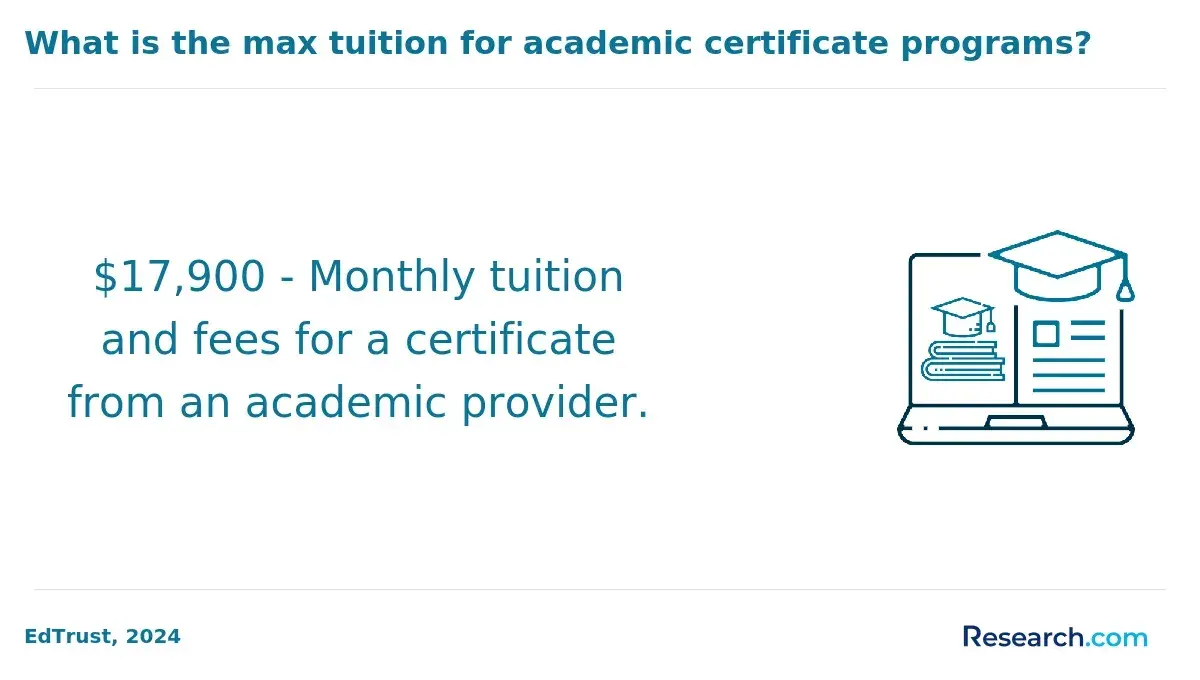
Financial aid can significantly reduce the initial expenses of a clinical psychology degree and enhance its long-term return on investment by lowering the need for costly loans. Currently, about 70% of graduate students in the U.S. utilize some form of financial support to manage education costs more effectively.
Below are common types of financial aid that can help decrease overall debt and improve financial outcomes for clinical psychology students:
- Scholarships: These awards do not require repayment and directly reduce tuition expenses, which lowers the total debt burden and increases ROI by making the program more affordable.
- Grants: Typically based on financial need, grants provide free funds that offset education costs, helping students borrow less and improve their financial outlook after graduation.
- Fellowships: Often including stipends for research or clinical work, fellowships support living costs during studies and offer practical experience, reducing reliance on loans and aiding financial stability.
- Employer tuition assistance: Some employers offer reimbursement programs that cover part or all tuition fees, allowing students to maintain income while studying and thus accelerating the financial benefits of the degree.
- Federal student loans: While loans increase debt, federal options usually have lower interest rates and flexible repayment terms that help manage long-term costs and improve financial management post-degree.
The length of time it takes to finish a clinical psychology degree significantly affects its return on investment (ROI) by influencing opportunity costs, total expenses, and when graduates begin earning a professional salary. Delays in completing the degree mean postponing employment and accruing additional costs, all of which impact financial outcomes.
Several important factors determine how long a clinical psychology degree takes and thus shape the ROI:
- Enrollment status: Attending full-time typically reduces the program duration, allowing quicker entry into the workforce, but part-time study offers flexibility to earn while learning, which can offset some opportunity costs.
- Program format: Online or accelerated tracks may shorten completion times and lower living expenses, potentially enhancing the financial benefits by reducing time away from paid employment.
- Transfer credits: Recognizing relevant previous coursework can cut down required semesters, decreasing overall study time and associated costs.
- Internship and thesis requirements: These are critical for gaining practical experience and licensure but often extend program length, affecting the timing of when a student can start full-time work.
- Scheduling flexibility: Evening or weekend classes support students balancing work and study; however, this convenience may mean a longer time to degree completion due to part-time pacing.
One graduate shared her journey, emphasizing that although she initially struggled with the intensive internship and thesis phases, these experiences deeply enriched her skills and professional readiness. She reflected, "Managing my time between clinical hours and writing was challenging, but it gave me confidence that I was well-prepared for the demands of the field." Her extended timeline was a trade-off that ultimately strengthened her career prospects and satisfaction with her degree's value.
Differences in delivery format significantly influence the return on investment (ROI) of clinical psychology programs through variations in cost, flexibility, and career outcomes. Online enrollment in higher education has surged over recent years, reflecting growing acceptance of remote learning as a viable option for many students. Evaluating ROI in clinical psychology degree ROI comparison requires understanding these key distinctions.
Several factors contribute to how online versus on-campus clinical psychology programs compare in terms of ROI:
- Tuition and fees: Online programs generally offer lower tuition and fewer fees, reducing the upfront financial burden. This can make programs more accessible to working professionals and career changers.
- Opportunity cost: Online learning provides greater flexibility that can allow students to maintain employment during their studies, minimizing lost wages and other opportunity costs. This aspect is crucial when considering online vs on-campus clinical psychology programs ROI overall.
- Networking and career services: On-campus settings often provide richer in-person networking opportunities and more robust career services. These can enhance clinical placement prospects and future employment connections.
- Employer perception: While some employers have traditionally favored on-campus degrees, this bias is diminishing as online programs improve in quality and recognition across the field.
- Long-term earning potential: When program quality and accreditation are comparable, graduates from both formats tend to see similar long-term financial returns and career advancement.
For those seeking accelerated pathways within social work and related disciplines, exploring options like a fast track social work degree online can provide additional time and cost savings benefits.
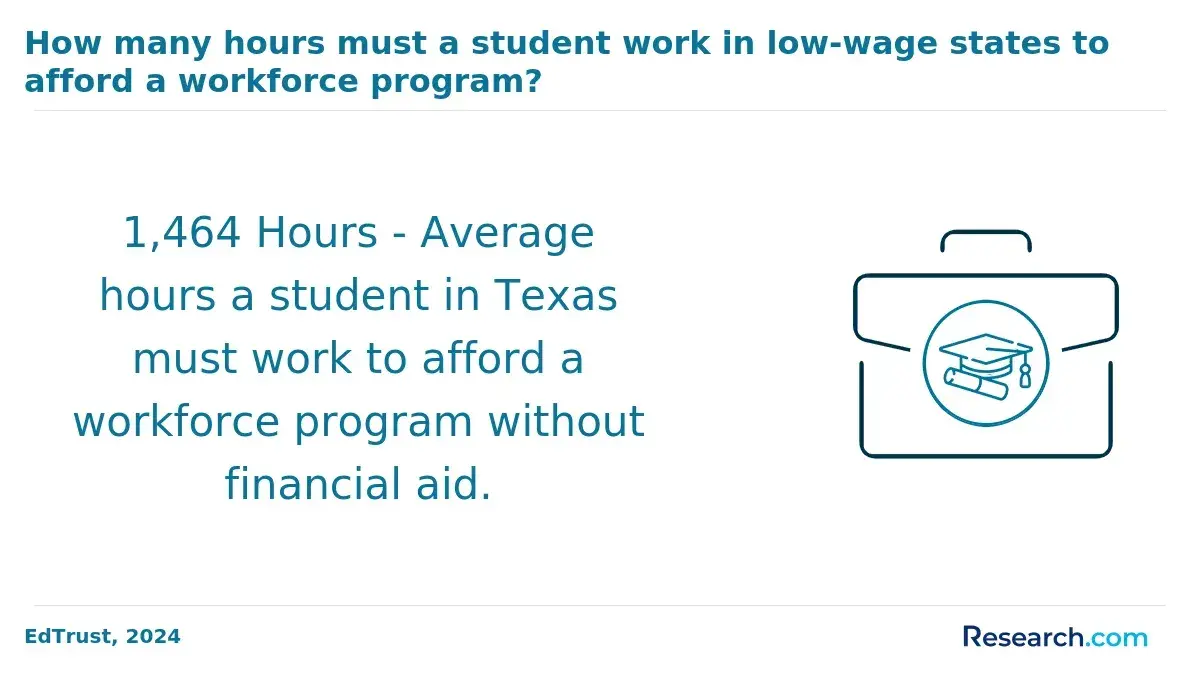
Post-graduation salary is a critical factor when evaluating the return on investment (ROI) of a clinical psychology degree due to the considerable time and financial commitments involved. Clinical psychologist earnings after graduation in the U.S. typically range from $60,000 to more than $120,000 annually, which greatly influences the overall financial value of the degree. For those comparing programs, salary potential is a key metric in deciding where to invest resources.
Several factors shape the average clinical psychology salary and affect ROI:
- Industry: Professionals working in private practice or specialized healthcare settings often earn higher salaries than those employed in academia or community services, impacting overall earnings.
- Geographic location: Salaries vary significantly across regions; urban centers and states with elevated living costs generally offer better compensation, increasing financial returns.
- Prior experience: Experienced clinicians tend to command higher wages, which enhances ROI over time compared to new graduates just entering the field.
- Specialization: Expertise in high-demand areas like neuropsychology or forensic psychology can lead to elevated salary opportunities.
- Career level: Entry-level clinical psychologists usually earn less, while those advancing into leadership or supervisory roles typically receive higher pay.
Prospective students thinking about how to maximize clinical psychologist earnings after graduation might also explore the cheapest psychology degree online options to balance educational investment and future salary potential effectively.
Promotions contribute significantly to the return on investment (ROI) of a clinical psychology degree by offering salary increases, expanded responsibilities, and greater career mobility. These factors combined enhance both financial and professional outcomes over time. A growing workforce trend emphasizes credential-based advancement, where possessing relevant graduate degrees is increasingly required for higher-level roles.
For individuals wondering does clinical psychology degree lead to career promotions, several key factors come into play. Here are some important ways a clinical psychology degree can influence career advancement with clinical psychology degree holders:
- Credential Requirements: Many organizations require a master's or doctoral degree for leadership and specialized clinical positions. Holding a clinical psychology degree meets these credential thresholds, making graduates eligible for promotions they might not otherwise access.
- Leadership Preparation: The degree provides foundational knowledge and skills in administration and program development, preparing professionals for supervisory and management roles that come with promotions.
- Employer Tuition Support: Some employers offer tuition reimbursement or assistance programs, reducing the effective cost of earning the degree. This financial support further improves the overall ROI by lowering out-of-pocket expenses.
- Internal Promotion Competitiveness: Clinical psychology degrees enhance a candidate's competitiveness for advancement within organizations by combining formal education with the practical experience valued in promotion decisions.
- Experience and Education Synergy: Employers often require a combination of hands-on experience and advanced education. Possessing a clinical psychology degree alongside relevant work experience maximizes the potential for moving up the career ladder.
Those considering this career path might also find value in exploring what job makes the most money to understand broader salary trends associated with advanced degrees.
The return on investment (ROI) for clinical psychology graduates varies widely across industries, influenced by differences in salary structures, opportunities for career advancement, and the demand for specialized psychological skills. Fields that reward advanced expertise and offer stable, growing positions tend to provide the highest ROI over time. Understanding which sectors deliver the strongest financial returns can help graduates align their career goals effectively.
Below are some of the top industries for clinical psychology graduates known for offering the highest ROI careers in clinical psychology:
- Healthcare and hospitals: This sector typically offers strong ROI because of consistent demand for clinical psychologists in patient care, mental health treatment, and rehabilitation. Competitive salaries combined with clear pathways to senior clinical and administrative roles enhance long-term earnings potential.
- Private practice and counseling centers: Earnings can be variable, but private practice provides significant autonomy and potential for income growth by building a loyal client base. For clinicians who succeed in this entrepreneurial setting, the financial rewards can be substantial.
- Government and public health agencies: With job stability and reliable benefits, these fields offer steady salary increases and security, appealing to graduates seeking long-term career resilience.
- Academic and research institutions: Although starting salaries tend to be modest, opportunities for grant funding, tenure, and specialized skill development can enhance ROI in the long run through professional growth and recognition.
- Corporate and organizational consulting: Applying psychological expertise to improve workplace efficiency and employee well-being often leads to lucrative roles with strong advancement prospects, delivering impressive ROI for clinical psychology professionals.
Prospective students can consider factors like cost-effective education options such as a cheapest online college to maximize their educational investment before entering these promising industries.
Accreditation indicates that a clinical psychology degree program meets rigorous quality standards set by official accrediting organizations. This validation is critical for students because many state licensing boards require graduation from an accredited program to qualify for licensure.
Without this credential, graduates often face significant hurdles in obtaining licensure, which can limit job opportunities and earning potential. A growing trend in the healthcare field emphasizes credentialing and licensure, making accredited programs more valuable for those seeking competitive employment.
Accreditation also impacts long-term financial and professional returns by enhancing employer confidence in a candidate's training and credentials. It facilitates access to federal financial aid, reducing the financial burden of completing a degree.
Additionally, it increases the likelihood that credits will transfer between programs, supporting educational flexibility and potentially shortening the time needed to finish advanced training. Overall, accreditation supports greater career mobility, enabling graduates to pursue varied roles and advancement within the mental health profession.
Costs for clinical psychology programs range significantly, often totaling tens to over a hundred thousand dollars, with study durations extending several years including graduate coursework and hands-on clinical training. Graduates typically earn between $60,000 and $100,000 annually, though salaries fluctuate based on factors like location, experience, and workplace setting.
Employment projections for clinical psychologists are strong, with an anticipated growth rate around 8% over the next decade, suggesting ongoing demand. Opportunities for career growth-including moving into private practice, research, or administrative roles-can further enhance the financial benefits of the degree.
The return on investment for a clinical psychology degree depends on various elements such as program delivery format, availability of scholarships or financial aid, and individual career objectives. Full-time, part-time, and online options influence both cost and time commitment, while steady industry demand supports long-term job stability.
Those aiming for research or academic careers may experience different financial outcomes compared to clinical practitioners. Ultimately, evaluating personal goals alongside program expenses and anticipated earnings is essential to determining if the degree aligns with one's professional and financial expectations.
What Graduates Say About The ROI of Their Clinical Psychology Degree
- Ika: "Choosing to pursue a clinical psychology degree was a strategic move for me, especially considering the long-term return on investment despite the average cost of attendance being quite substantial. The tuition was hefty, but the breadth of knowledge and clinical experience I gained made every penny worth it. Today, as a practicing psychologist, I confidently say that this degree has been crucial in shaping my career path and opening doors to opportunities I never imagined."
- Benedict: "When I enrolled in the online clinical psychology program, I was wary of the expenses involved, often hovering around $30,000 to $60,000 for full completion. Reflecting on it now, the flexibility and quality of education I received without sacrificing my current job made the cost justifiable. Earning this degree truly enhanced my expertise and has been instrumental in establishing myself professionally in the mental health field."
- Dena: "Balancing a part-time clinical psychology degree with my work and personal life was challenging, but understanding the potential for a solid career return made it a decision I didn't regret. While the financial commitment was significant, the incremental learning and steady progress were worth the investment. Completing this program has strengthened my credentials and allowed me to take on advanced roles within the clinical psychology sector."
Other Things You Should Know About Clinical Psychology Degrees
In 2027, clinical psychologists can expect an average salary ranging from $80,000 to $100,000 annually, depending on experience and location. Salaries may vary, with higher compensation offered in urban centers compared to rural areas, impacting the ROI significantly.
Licensing for clinical psychologists typically requires a doctoral degree, completion of supervised hours, and passing exams like the EPPP. These requirements impact ROI by influencing the time and cost before starting a professional practice, potentially altering economic outcomes in 2027.
Most U.S. states require 1,500 to 3,000 supervised postdoctoral hours before licensure. These hours are usually completed under a licensed psychologist and must be documented for state board approval, which directly affects how quickly a graduate can earn independent income and recover education costs.
- Raising the Bar: The Impact of Accreditation on Psychology Training | SoMAP - The Society of Modern Applied Psychology https://thesomap.org/raising-the-bar-the-impact-of-accreditation-on-psychology-training/
- PsyD in Clinical Psychology Tuition & Financial Aid https://www.pacificu.edu/clinical-psychology-psyd/tuition-financial-aid
- A Definitive Guide to Psychology Graduate Degrees and Trending Career Opportunities https://paloaltou.edu/resources/blog/definitive-guide-psychology-graduate-degrees-and-trending-career-opportunities
- Which online psychology degree is right for you? | All Psychology Schools https://www.allpsychologyschools.com/online-degrees/
- Clinical Psychology (MSc, PhD) https://www.uregina.ca/academics/programs/arts/master-phd-clinical-psychology.html
- The 23 Highest Paying Jobs with a Psychology Master's Degree - Psych Degree Starter https://psychdegreestarter.com/resources/highest-paying-jobs-with-psychology-masters/
- How To Become A Clinical Psychologist (2025 Guide) https://www.psychology.org/careers/clinical-psychologist/
- Edit This Favorite https://www.psichi.org/page/151EYEFall10aSanders
- Is a master's in clinical psychology worth it? | edX https://www.edx.org/resources/is-a-masters-in-clinical-psychology-worth-it
- Clinical psychology - University of Economics and Human Sciences https://vizja.pl/en/specjalizacja/psychologia-kliniczna-i-psychoterapia-ii-stopnia/