2027 Sports Science Degree Careers Ranked by Salary, Growth, and Work-Life Balance

Co-Founder and Chief Data Scientist
Choosing a career path with a sports science degree poses a complex dilemma-how to balance competitive salary, promising job growth, and sustainable work-life balance. Many graduates face uncertainty juggling offers that pay well but demand long hours, or roles with great advancement potential but moderate income. Recent data shows that careers in sports science grow at an annual rate of 8%, outpacing many other sectors but varying widely in compensation and lifestyle demands.
This article ranks sports science degree careers holistically-evaluating salary, growth projections, and work-life balance-to guide readers toward fulfilling, balanced professional choices.
Key Things to Know About Sports Science Degree Careers Ranked by Salary, Growth, and Work-Life Balance
- Careers in sports science show salary variations-from athletic training roles averaging $48K annually to biomechanics analysts exceeding $80K-reflecting specialized skill demands and industry sectors.
- Projected job growth for sports science professions is above average, with an expected 11% increase by 2030-driven largely by rising interest in health, fitness, and rehabilitation services.
- Work-life balance differs significantly among careers-academic and research positions often provide more predictable schedules, while coaching and therapy roles may require irregular or extended hours.
How Are Sports Science Degree Careers Evaluated and Ranked Across Salary, Growth, and Work-Life Balance?
This article ranks sports science degree careers using a three-pillar framework-salary, career growth, and work-life balance-providing a well-rounded evaluation beyond just income. These dimensions combine to give a clearer perspective on overall career quality, helping readers make choices aligned with their priorities rather than focusing solely on financial rewards.
Salary: Measured by median annual wages reported in the U.S. Bureau of Labor Statistics (BLS) Occupational Employment and Wage Statistics, this metric shows typical income levels and serves as a crucial indicator of market competitiveness and financial benefit within the United States.
Growth: Defined by the BLS ten-year employment projections, career growth estimates the percentage change in job opportunities over the next decade, highlighting occupations with expanding demand and long-term stability.
Work-Life Balance: Evaluated through composite data from the American Time Use Survey, employee reviews on platforms like Glassdoor, and industry-specific workforce satisfaction studies. This pillar reflects average work hours, flexibility, stress levels, and overall job satisfaction, essential for sustainable lifestyle choices in sports science degree jobs in the US.
The rankings are intended as a flexible decision-making tool rather than a rigid hierarchy. Individual priorities-such as choosing a career with better schedule flexibility rather than higher pay-can influence which path is best suited for each person.
Throughout this analysis, five key sports science careers will be examined for how they perform across these pillars. This evidence-based comparison aims to support students, recent graduates, and mid-career professionals in identifying roles that harmonize strong salary potential, promising growth prospects, and manageable work-life demands over a full career span. For those exploring related fields, also consider the easiest nursing schools to get into.
Which Sports Science Degree Career Paths Offer the Highest Starting and Mid-Career Salaries?
Several career paths for graduates holding a sports science degree offer particularly attractive salary prospects at both the entry and mid-career stages. These roles tend to have elevated compensation due to factors such as specialized skill requirements, certification demands, and the direct impact of their work on health and performance outcomes.
- Physical Therapist: Entry-level physical therapists with a sports science background typically earn a median starting salary around $60,000. With experience and specialization, mid-career professionals can see salaries rise to $90,000 or more. The compensation premium reflects the high level of education-often requiring a doctorate-and licensing prerequisites. The growing demand for rehabilitative services related to sports injuries contributes to steady salary growth.
- Exercise Physiologist: New graduates entering this field may start with a median salary near $50,000. Mid-career salaries can reach approximately $70,000, especially for those working in specialized clinical or research settings. Limited numbers of practitioners and the technical expertise required to analyze physical performance and develop therapeutic exercise protocols drive income levels upward.
- Sports Scientist/Performance Analyst: Starting salaries for sports scientists hover around $48,000 to $55,000, while seasoned professionals working with elite athletes or major organizations can earn upwards of $80,000. Compensation reflects the value created by optimizing athlete performance and competitive outcomes, as well as the integration of technology and data analysis skills.
- Occupational Therapist: Although sometimes outside the core sports science role, occupational therapists applying their skills to sports-related rehabilitation start near $62,000 in median pay. Mid-career earnings can climb beyond $85,000. The combination of healthcare licensing, patient-centered treatment plans, and growing attention to injury prevention supports higher pay.
- Strength and Conditioning Coach: Entry-level salaries generally range from $40,000 to $55,000. Advanced coaches, particularly those affiliated with professional sports teams or universities, may earn $75,000 or more. The salary premium owes much to credentialing requirements (such as CSCS certification), proven track records in athlete development, and the competitive nature of these roles.
Regional differences significantly affect salary ranges-positions in metropolitan areas or regions with strong sports industries tend to command higher wages. Likewise, private sector jobs or roles in large organizations usually offer better pay and benefits than public or smaller employers. For a comprehensive view of geographic salary variation, refer to the dedicated section on location and compensation.
The highest starting salaries for sports science degree graduates often align with roles demanding advanced certification and specialist skills. Mid-career salary rankings for sports science careers show growth particularly in therapy and performance analysis positions, reflecting their expanding roles in health and athletic optimization.
For recent graduates or professionals seeking to upskill, exploring related advanced degrees or certifications can be beneficial. Among available options, MHA online programs offer accessible pathways to leadership roles in sports medicine and healthcare administration, complementing a sports science foundation effectively.
What Do the Bureau of Labor Statistics Job Growth Projections Reveal About the Future of Sports Science Degree Careers?
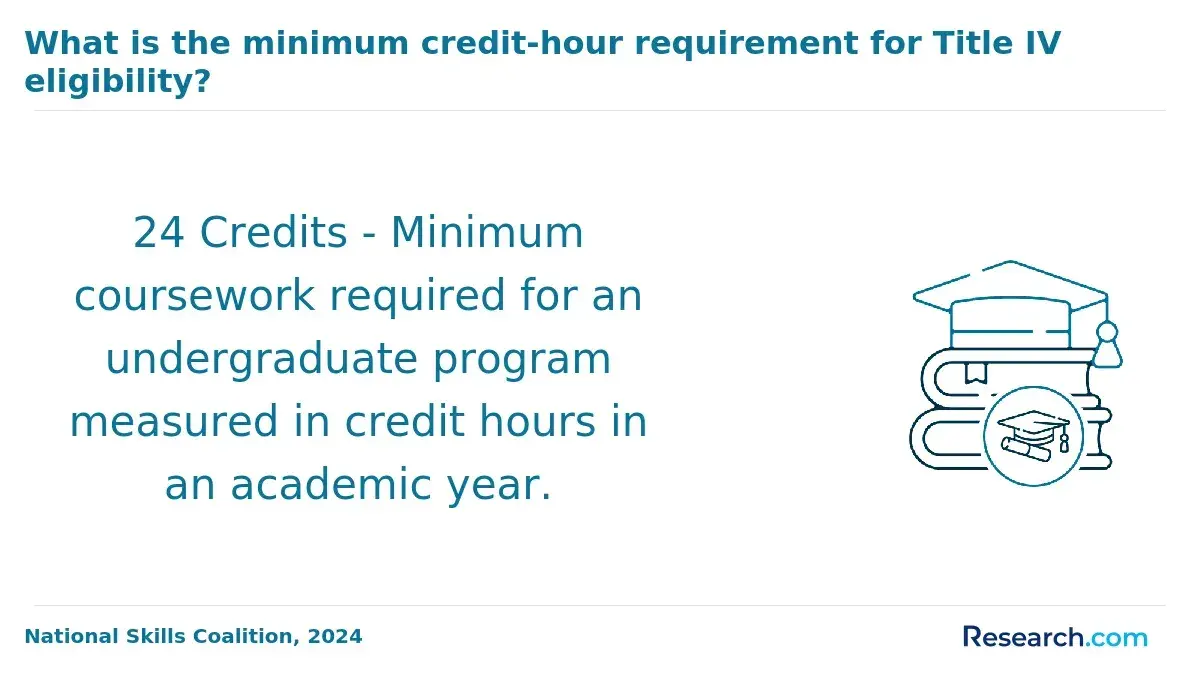
The Bureau of Labor Statistics forecasts diverse growth patterns for careers available to sports science graduates, offering insight into which fields will experience substantial expansion or remain steady over the next ten years.
- Athletic Trainers: Anticipated to grow well above the national average because of increased focus on injury prevention and recovery in both sports and healthcare settings. The aging population also intensifies demand as more older adults require specialized support to preserve mobility.
- Exercise Physiologists: Projected to see strong growth, driven by rising chronic illness rates and a shifting healthcare approach prioritizing preventive exercise. Advances in technology, like remote health monitoring, also bolster this career's growth potential.
- Physical Therapists: While not exclusive to sports science graduates, many enter this profession, which is expected to expand considerably. Factors such as broader healthcare access and an older population needing rehabilitative care enhance demand.
- Fitness Instructors and Personal Trainers: Growth is steady but moderate, fueled by greater awareness of health and wellness trends. However, competition remains intense, emphasizing the need for credentials and niche specialization.
- Recreational Therapists: Anticipated to grow faster than the average due to increasing recognition of recreation's therapeutic value, especially in mental health and rehabilitation.
- Kinesiologists and Sports Coaches: Forecasted to have slow or average growth owing to market saturation and financial limits in educational and sports organizations. Upskilling or advanced certifications may be necessary to sustain advancement.
- Flat or Declining Roles: Some entry-level or administrative sports science jobs may stagnate due to automation and outsourcing. To navigate this, professionals might pivot toward emerging areas like data analytics, sports technology, or health informatics.
It's important to remember that BLS data reflect national averages-local economies, industry investments, and niche markets within sports science can cause variation in these trends.
A professional who pursued a sports science degree shared that navigating career options initially felt daunting due to the wide range of paths and shifting market demands. He recalled, "I had to stay flexible and continuously learn new skills, especially in tech-related areas, to find rewarding roles." He emphasized the value of looking beyond traditional roles and keeping an eye on growing fields as essential to long-term career satisfaction and stability.
Work-life balance in sports science degree careers involves several measurable factors-average weekly hours, schedule stability, remote or hybrid work options, paid time off, and satisfaction scores from sources like Glassdoor, Indeed, and Payscale. These indicators offer a detailed view of daily professional life, helping evaluate lifestyle sustainability in sports science jobs in the US.
Different career paths within sports science show distinct profiles. Athletic trainers and physical therapists typically work 40 to 50+ hours weekly with fluctuating schedules driven by patient needs or events. Their roles usually offer limited remote work but standard paid leave, with moderate satisfaction ratings. Conversely, sports scientists in research or academic positions often enjoy more predictable hours, greater hybrid work possibilities, and typically better paid time off, although they may encounter intense periods around grant deadlines. Employer type significantly impacts balance-private practice professionals often have more control over their schedules compared to those in hospitals or educational institutions.
Balance also evolves through career stages. Early-career sports science professionals might face heavier workloads and less predictable hours as they build experience, while mid-career individuals often secure improved autonomy and scheduling. Viewing work-life balance as a flexible factor enables graduates and professionals to shape their career paths intentionally. This approach empowers individuals to prioritize personal lifestyle goals alongside their career aspirations.
- Weekly Hours: Commonly between 35 and 50+ depending on role and sector.
- Schedule Predictability: More consistent in research and academia; variable in clinical and event-based roles.
- Remote/Hybrid Work: Limited in hands-on clinical roles; more prevalent in research and administrative positions.
- Paid Time Off: Typically aligns with industry averages, varying by employer and sector.
- Employee Satisfaction Scores: Range from moderate to high, highest where flexibility and autonomy are greater.
For those curious about related health career earnings, consider exploring what is medical coding salary to contextualize pay scales and growth potential in adjacent fields.
An equal weighting approach combining salary, career growth, and work-life balance offers a well-rounded ranking of sports science careers, each factor carrying one-third importance. This method aligns with the priorities of many graduates seeking sustainable and rewarding careers beyond just high earnings.
- Exercise Physiologist: While salaries are moderate, this role excels in growth outlook and provides excellent work-life balance, supported by steady demand in healthcare and rehab environments with manageable hours.
- Sports Nutritionist: Offers a balanced salary and above-average career growth, along with a flexible schedule that suits those valuing personal time and client interaction.
- Athletic Trainer: Delivers competitive pay and solid job growth; however, work-life balance varies depending on the employer, blending income potential with advancement opportunities.
- Biomechanist: Presents higher salary potential and moderate growth but requires more demanding hours, making it fit for those focused on research or product innovation.
- Sports Psychologist: Combines strong growth with good balance, though salaries may be on the lower side compared to clinical roles, ideal for graduates interested in mental health and athlete performance.
- Physical Therapist: Tops salary and growth categories but involves challenging schedules, rewarding those who can manage intense workloads with robust compensation.
- Strength and Conditioning Coach: Moderate pay accompanies variable growth and balance outcomes based on setting, appealing to those passionate about athletic performance and coaching.
Individuals prioritizing income might elevate roles like physical therapy or biomechanics, while those emphasizing lifestyle may favor exercise physiology or sports nutrition. Adjusting the weighting of these pillars to reflect personal goals helps tailor career decisions effectively.
A professional who built a career after graduating from the sports science degree shared how weighing these factors personally influenced her path. She recalled initially being drawn to physically demanding positions because of higher pay, but quickly realized the toll long hours took on her well-being. "Balancing salary with a manageable schedule became my priority," she said, adding that roles emphasizing flexible hours and growth opportunities felt more sustainable over time. Reflecting on the decision process, she emphasized how understanding how each career dimension interacts helped her make choices that align with both her professional ambitions and personal life, ultimately leading to greater job satisfaction.
Choosing a focused specialty within sports science rather than a broad generalist path leads to distinct differences in salary, career advancement, and work-life quality-factors that professionals should assess carefully. Data from the U.S. Bureau of Labor Statistics and industry salary surveys illustrate how specialization shapes these outcomes.
- Salary: Roles such as athletic training, exercise physiology, sports biomechanics, and performance analysis tend to offer higher pay due to specialized skills valued in professional and research settings. However, these well-paying positions often require long hours or on-call duties, which can reduce personal time.
- Career Growth: Specializations like sports psychology and strength and conditioning coaching are experiencing rapid job expansion driven by demand in youth and elite sports programs. These careers usually require advanced degrees or certifications early on, which may delay starting salaries but accelerate promotion potential. Conversely, sports nutritionists face steadier but slower career growth.
- Work-Life Balance: Options such as corporate wellness consulting or academic research generally provide more regular schedules and less stress, trading off some earning potential. Conversely, positions tied to competitive sports events often involve irregular hours and travel, challenging balance despite higher salaries.
Entering a specialty commonly involves graduate study, credentials like Certified Strength and Conditioning Specialist or Licensed Athletic Trainer, and focused early job roles. Over time, specialists see faster salary growth within their niche, yet generalists with broader multi-disciplinary skills sometimes surpass specialists at senior leadership levels by leveraging diverse expertise.
Remote and hybrid work are reshaping these regional patterns. Certain roles-such as sports data analysts or remote wellness coaches-enable earning salaries benchmarked to high-cost metros while living in affordable areas, improving quality of life. Career planning should weigh salary versus living costs alongside personal priorities like commute times, community, and family proximity. Aligning geographic strategy with one's chosen Sports Science specialization and lifestyle goals is essential for long-term success.
Northeast: This region offers some of the highest median salaries for Sports Science graduates, especially in metro areas like Boston and New York City. However, these elevated wages are often offset by a high cost of living, which limits purchasing power. Job growth is moderate, reflecting mature markets, and work-life balance can be challenging due to longer commutes and dense urban environments.
Southeast: With generally lower median salaries than the Northeast, this region compensates with a more affordable living environment. Growing metros such as Atlanta and Miami have strong job growth in Sports Science roles, and professionals often enjoy better work-life balance thanks to shorter commutes and lower housing and tax costs.
Midwest: Known for mid-tier salaries, the Midwest sees steady employment growth, particularly in cities like Chicago and Minneapolis. Adjusted for the relatively low cost of living, graduates here typically achieve better overall financial outcomes. Work-life balance rates positively due to less congestion and shorter travel times.
Southwest: Dallas and Phoenix lead dynamic job growth driven by expanding healthcare and wellness sectors tied to Sports Science. Salaries hover around the national median, but lower housing costs improve disposable income. Work-life balance tends to be favorable, especially outside the largest urban centers.
West: High salaries in metros like San Francisco and Seattle are countered by significant living expenses, which erode net financial advantage. Still, professionals benefit from innovative industries and rapid employment growth. Work-life balance varies-urban centers may be stressful, while suburban or smaller markets allow more comfortable lifestyles.
Public sector sports science careers typically offer lower base salaries than private sector roles at entry, mid, and senior levels. Entry-level government positions may start 10-20% below similar private jobs, with mid-level differences narrowing but still favoring private employers. However, total compensation in the public sector includes valuable benefits that significantly narrow this gap. Defined-benefit pensions offer retirement security rarely matched in the private sector, while robust health coverage and eligibility for federal loan forgiveness programs further enhance overall compensation. In contrast, private sector roles often rely more on salary and performance bonuses but may lack the stability and comprehensive benefits found in public employment.
Growth: Hiring in the public sector for sports science professionals is expanding notably in agencies focused on veterans' health, aging populations, and federal health initiatives, driven by demographic changes and policy priorities. Preventive care and rehabilitation programs also sustain steady demand, supported by investments in military and veteran health infrastructure. The private sector shows strong growth in professional sports organizations, sports technology companies, and wellness startups-sectors benefiting from consumer trends toward fitness and personalized health. This comparative analysis of sports science career opportunities in public and private sectors shows that while private markets offer diverse and dynamic openings, public sector growth remains steady in targeted fields backed by long-term funding commitments.
Work-Life Balance: Generally, public sector sports science jobs provide more predictable schedules, generous leave policies, and higher reported employee satisfaction with work-life balance. Government roles emphasize job security and structured hours, appealing to those seeking consistent routines. However, variability exists within both sectors-for example, some public roles require shift work or have tight deadlines, whereas certain private companies offer flexible hours or remote work that can improve balance. Employees in the private sector often face greater competition and evolving demands, especially in startups and professional sports settings. Candidates should assess individual agency or company culture alongside sector trends to understand work-life balance outcomes.
For those interested in related healthcare pathways, exploring the best medical assistant to LPN programs online can provide valuable career advancement options.
Advanced degrees and certifications significantly influence salary, career growth, and work-life balance for sports science professionals, with each credential offering different returns on investment. Evaluating these options strategically-rather than as mere academic milestones-helps align educational pursuits with long-term career goals.
- Master's Degree: Offers a 10-25% salary premium above a bachelor's degree, based on NACE data. This credential requires 1-3 years and moderate tuition costs. It enables advancement into research, coaching leadership, and high-level performance analysis roles. Career acceleration occurs through eligibility for management positions, often improving work-life balance due to increased autonomy and more predictable schedules.
- Doctoral Degree (PhD): Provides up to 40% higher salary gains compared to a bachelor's, especially in academic and research positions, as reported by BLS occupational classifications. The 4-6-year full-time study demands considerable time and financial resources. Doctoral credentials unlock tenured faculty and senior scientist roles that afford intellectual autonomy but may challenge work-life balance with responsibilities for publications and grant acquisition.
- Professional Certifications (e.g., CSCS, ACSM Credentials): These programs typically take months to complete and cost less than advanced degrees. They elevate salary by 5-15% and enhance employment options in applied fields such as strength conditioning and clinical exercise physiology. Certified professionals usually benefit from more flexible schedules, though some roles include irregular hours and physical demands.
- Specialized Licenses (e.g., Physical Therapy, Athletic Training): Require 2-4 years of additional schooling and certification exams post-bachelor's. These licenses yield substantial salary increases and rapid career growth, granting access to clinical practices unavailable otherwise. Work-life balance varies; clinical roles might involve shift work, while private practice can offer greater schedule control. For those curious about similar credentialing timeframes, see how long does it take to become a nurse practitioner.
Matching credentials to career priorities is crucial: doctoral and licensed paths align well with those prioritizing salary growth, while master's degrees and professional certifications often better support work-life balance. Sports science professionals should avoid collecting credentials without clear strategic intent, as this can dilute returns and increase burnout risk. Thoughtful investment in qualifications aligned with salary, career advancement, or work-life balance goals ensures more sustainable and rewarding career trajectories.
Remote and hybrid work options are increasingly common in sports science roles centered on data analysis, fitness consulting, and exercise physiology, with about 35% of entry-level positions offering some remote flexibility, according to LinkedIn Workforce Insights and the BLS American Time Use Survey. Conversely, careers necessitating physical assessments or team coaching typically demand in-person presence, with remote options rarely exceeding 10%.
Salary comparisons reveal that remote-capable sports science jobs generally match the pay levels of traditional on-site roles but seldom offer additional premiums for remote work itself. Professionals who live in lower-cost regions while working remotely for organizations based in expensive urban areas benefit from geographic arbitrage, effectively increasing their real income. In contrast, specialized hands-on positions tend to have higher salaries concentrated in cities rich with clientele and resources.
The impact of remote work on career advancement is mixed. Fields embracing data-driven and consultancy roles report minimal slowdown in growth, as remote work gains widespread acceptance. Yet, roles moving toward hybrid or fully remote formats in typically in-person domains can face challenges such as diminished networking and visibility, which may hinder promotion pace. The integration of hybrid models is progressing but remains uneven.
Remote and hybrid arrangements contribute positively to work-life balance by reducing commute times and enabling flexible schedules. However, blurred boundaries between work and personal time and an "always-on" mentality present risks for stress and burnout. A recent 2024 survey found 78% of hybrid sports science workers experienced improved balance, though 22% reported burnout linked to remote work expectations.
Several careers in sports science combine strong compensation, promising growth, and excellent work-life balance-performing well on all three fronts without major compromises. These roles generally feature structured hours, supportive work settings, and predictable routines that contribute to sustainability and satisfaction.
- Exercise Physiologist: Typically employed in hospitals, rehabilitation centers, or corporate wellness programs, exercise physiologists benefit from regular business hours and fewer emergency demands than many clinical roles. The growing focus on preventive health and chronic disease management supports steady salary and job growth.
- Sports Therapist: Working with athletes in schools, clubs, or private practice, sports therapists enjoy the flexibility of scheduling and a balanced mix of hands-on treatment and consultations. Earnings are competitive, and demand remains stable due to rising attention to injury prevention and recovery.
- Physical Education Teacher: These educators follow school calendars with built-in breaks like weekends, holidays, and summers off, creating a reliable work-life structure. Public school employment provides a consistent salary and modest growth along with a meaningful community role.
- Health and Wellness Coach: Often found in corporate wellness or private consulting, health and wellness coaches can tailor client appointments, gaining autonomy over schedules. This sector is expanding rapidly, offering strong growth and increasing salary prospects aligned with the rising wellness market.
Individual work-life balance can vary widely depending on employer culture and team dynamics, so these career options serve best as initial guides. Researching specific organizations is key to finding the ideal personal fit. Notably, the Bureau of Labor Statistics projects a 10% growth in sports science-related roles over the next decade, highlighting ongoing opportunities in these balanced career paths.
What Graduates Say About the Sports Science Degree Careers Ranked by Salary, Growth, and Work-Life Balance
- Westin: "Graduating with a degree in sports science opened my eyes to the diverse opportunities in this field. I found that salary potential is quite competitive, especially in specialized roles like sports physiotherapy. Long-term career growth is promising if you stay adaptable, but maintaining a healthy day-to-day work-life balance can be challenging during intense training seasons."
- Peter: "My experience with sports science taught me the importance of weighing career factors beyond just compensation. While some jobs offer excellent salaries, the real value lies in long-term career growth and stability, which I've come to appreciate more now. Day-to-day work-life balance varies greatly depending on your role-but overall, it's manageable with thoughtful planning and time management."
- Andrew: "From a professional standpoint, sports science careers offer an intriguing mix of financial reward and personal fulfillment. Salary growth usually aligns with gaining specialized skills, and the field promises steady expansion as interest in health and fitness rises. The work-life balance is often better than expected, especially in research and academic positions where flexibility is a major benefit."
Other Things You Should Know About Sports Science Degrees
In 2027, increased focus on digital health technologies and analytics significantly impacts sports science careers. These trends lead to higher demand, expanding growth opportunities, and influencing work-life balance favorably as professionals adapt to technological environments and flexible work conditions.
In 2027, entry-level sports science professionals typically earn lower salaries and have fewer responsibilities, providing a better work-life balance. Senior-level roles offer higher pay and more significant career advancement opportunities, but they often come with increased responsibilities that might affect work-life balance.
Most employers require current CPR/AED and basic first aid certification before hiring or field placement. For clinical or athletic support roles, the credential is often from the American Red Cross, American Heart Association, or National Safety Council, and it usually must be renewed every 1 to 2 years.
- One moment, please... https://www.eipa.eu/wp-content/uploads/2025/05/2024-1621_Eipa_Benchmarking-Study_2024_v13hhh.pdf
- An Analysis of Employment Issues for Sports Science Graduates https://www.academia.edu/120704703/An_Analysis_of_Employment_Issues_for_Sports_Science_Graduates
- Our Guide to Becoming a Trainer and Continuing Your Education - DIAKADI Personal Training https://www.diakadi.life/blog-diakadi-db04/2016/6/our-guide-to-becoming-a-trainer-and-continuing-education
- 8 Rewarding Careers for Aspiring Exercise and Sport Scientists https://www.sacredheart.edu/news-room/news-listing/8-rewarding-careers-for-aspiring-exercise-and-sport-scientists/
- 6 Reasons a Master’s Degree in Exercise Science Can Transform Your Career https://experience.bastyr.edu/admissions-blog/masters-degree-in-exercise-science
- Sports Science Degree Careers and Salary in Europe - StudyinEurope.eu https://www.studyineurope.eu/sports-science/sports-science-degree-careers-salary-europe/
- Work and life balance | Sports and Leisure | Research Starters | EBSCO Research https://www.ebsco.com/research-starters/sports-and-leisure/work-and-life-balance
- Complete Athletic Coach Career Guide https://himalayas.app/career-guides/athletic-coach
- The Current State of the Sport Science Field and Careers – Integration, Data, and Professional Pathways https://www.nsca.com/education/articles/nsca-coach/sport-science-field-and-careers/
- The Future of Work : Exploring the Impact of Remote and Hybrid Work Models on Employee Productivity and Well-Being https://journalcenter.org/index.php/BIJMT/article/view/4724