2027 Most Flexible Careers You Can Pursue With a Sports Science Degree: Remote, Hybrid, and Freelance Paths

Co-Founder and Chief Data Scientist
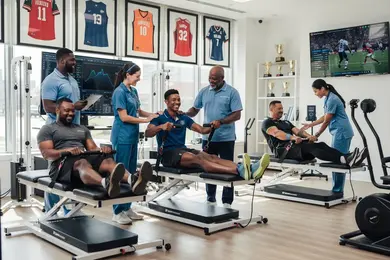
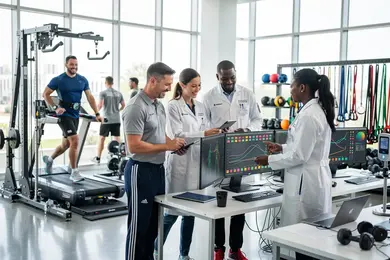
As work models evolve rapidly, many career switchers with a sports science degree seek roles that offer greater autonomy and flexibility beyond traditional office settings. With the remote job market in health and fitness expanding by 25% annually, professionals skilled in exercise physiology, wellness coaching, and rehabilitation find new avenues to leverage their expertise. The increasing integration of digital tools in sports analytics and performance tracking enables hybrid and freelance work options that align with modern lifestyle demands. This article explores the most flexible careers available to sports science graduates, highlighting remote, hybrid, and freelance paths tailored to diverse professional goals.
Key Benefits of Flexible Careers You Can Pursue With a Sports Science Degree
- Remote, hybrid, and freelance careers in sports science break geographic barriers, increasing access to roles in global markets and diverse industries beyond traditional settings.
- Flexible work arrangements promote improved work-life balance and adaptability, essential for professionals balancing ongoing education, athletic commitments, or caregiving responsibilities.
- Non-traditional career paths offer competitive earnings, with many freelance sports science consultants reporting annual incomes comparable to salaried roles, enabling sustainable long-term professional growth.
What Are the Most Flexible Careers for Sports Science Graduates?
Flexibility in careers for sports science graduates depends more on the nature of their work than on specific job titles. Roles that emphasize output over strict schedules or locations enable professionals to tailor their work patterns to individual needs and lifestyle preferences. Nearly 60% of professionals in health and wellness-related fields have experienced growth in remote or hybrid work options over recent years.
This flexibility is particularly relevant for those exploring flexible sports science careers in the UK and elsewhere, where remote and hybrid roles for sports science graduates are gaining prominence. Typical flexible career structures include the following:
- Project-Based Work: Involves managing discrete assignments with clear objectives and deadlines, allowing professionals to control their workload without daily office presence.
- Digital and Remote-Enabled Roles: Jobs primarily performed online or through digital platforms offer location independence and often asynchronous workflows, perfect for adapting work hours.
- Advisory or Consulting-Based Work: Providing expert guidance on specific issues, often on contract or retainer basis, allows for flexible scheduling and client management.
- Independent Contract-Based Work: Freelance or short-term contracts enable selecting projects aligned with interests, fostering a customizable balance between career growth and personal flexibility.
Sports science graduates considering these flexible arrangements can also explore medical assistant programs accelerated for complementary skills that enhance their adaptability in evolving work environments.
Which Industries Offer the Most Flexible Jobs for Sports Science Graduates?
Flexibility in careers for sports science graduates varies widely across industries, influenced by each sector's work environment and the potential for remote or hybrid engagement. Notably, about 30% of tech-related jobs now involve flexible work models, reflecting an ongoing shift toward remote and hybrid arrangements. This adaptability caters well to those seeking work-life balance and varied schedules in sports science-related fields.
The following industries are recognized for offering some of the most flexible jobs for sports science graduates, including remote and freelance opportunities:
- Health and Wellness: This sector supports various remote and hybrid roles such as virtual coaching and online fitness consulting. The personalized client interaction and digital communication involved make this industry highly suitable for flexible scheduling and location independence.
- Sports Technology and Wearable Devices: Many tasks in this industry, including data analysis and product development, rely on cloud-based platforms and digital tools. This enables professionals to work remotely or in hybrid settings, aligning well with trends in technology-driven flexibility.
- Education: Especially prevalent in online and blended learning environments, this sector allows sports science graduates to teach or develop curriculum remotely. The use of asynchronous platforms and virtual classrooms offers educators the freedom to design schedules around student needs without geographic constraints.
- Fitness and Rehabilitation Freelancing: Freelance work is common here, with professionals creating customized programs through telehealth services or project-based consulting. This structure naturally supports flexible hours and remote client engagement, enhancing work-life balance.
- Corporate Wellness: Growing adoption of hybrid models characterizes this industry, where managing wellness initiatives often involves remote and on-site coordination. The mix of locations provided allows for flexible work arrangements that appeal to many sports science graduates.
For prospective students considering flexible careers, exploring the best DNP programs can also provide advanced opportunities to expand their professional versatility.
What Remote Jobs Can You Get With a Sports Science Degree?
Sports science graduates increasingly find remote work avenues as digital tools and virtual platforms transform how fitness, health, and data research services are delivered. A 2023 survey from the U.S. Bureau of Labor Statistics notes that about 30% of professional jobs now include some remote work options, reflecting growing flexibility across many sectors, sports science included. Various roles allow full online performance by leveraging communication technologies and data analytics.
Examples of remote jobs well-suited for sports science graduates include:
- Online Fitness Coach: Creating customized workout plans and guiding clients through virtual sessions, this role thrives remotely by using video calls and fitness apps to demonstrate techniques and provide motivation.
- Sports Nutrition Consultant: Offering dietary and meal planning advice via email or video conferencing, nutrition consultants rely on client interviews and data feedback, which can be efficiently managed without in-person visits.
- Sports Data Analyst: Evaluating performance metrics and injury statistics remotely by processing digital datasets, analysts use statistical software accessible from any computer with internet connectivity.
- Content Creator: Producing educational materials such as articles and videos on sports science topics, this role adapts naturally to remote work through digital publishing platforms and audience engagement tools.
- Telehealth Rehabilitation Specialist: Guiding patients recovering from injuries through video consultations and wearable device monitoring, this job leverages remote technologies for ongoing assessment and personalized care.
A sports science graduate working remotely shared that adapting to a fully online role involved overcoming initial challenges in building rapport with clients without face-to-face interaction. He explained, "At first, it was difficult to convey the same energy and support through a screen, especially when demonstrating exercises or discussing recovery progress." Establishing trust took extra effort, requiring clear communication and frequent check-ins. However, he appreciated the flexibility that remote work offers, noting how it allowed him to extend his services to clients across different locations while continuously learning new digital tools to enhance his work.
Hybrid jobs blend remote and in-person work, creating flexible roles that suit sports science graduates seeking varied work environments. Around 58% of companies worldwide intend to continue offering hybrid work, highlighting a broad shift toward adaptable career models. These flexible hybrid job opportunities in sports science allow professionals to split their time between direct client interaction and digital responsibilities.
Below are examples of hybrid careers for sports science graduates that mix face-to-face and remote tasks:
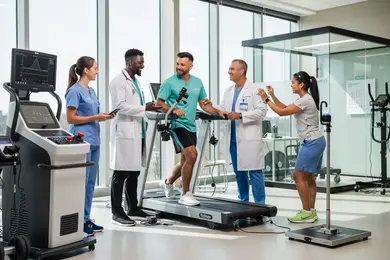
- Exercise Physiologist: This role involves conducting in-person fitness assessments and tests while also analyzing data and adjusting programs remotely. It combines hands-on client work with technology-driven plan management.
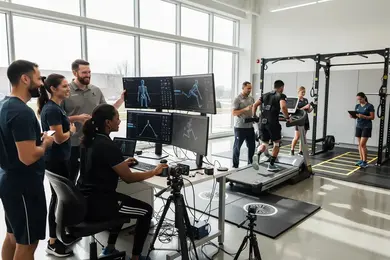
- Sports Performance Analyst: Analysts gather video and performance data during live sessions but often review and report findings from home or office settings. This role balances on-site presence with remote analytical duties.
- Rehabilitation Specialist: Specialists deliver therapy and evaluations face-to-face, then follow up remotely utilizing telehealth tools to track progress and modify treatments.
- Strength and Conditioning Coach: Coaches personally train athletes in the field but manage programming, scheduling, and communication remotely, allowing for a flexible workflow.
- Health and Wellness Consultant: Consultants meet clients and conduct workshops in person, while remote work involves research, planning, and reporting. This hybrid format supports continuous client engagement alongside independent project work.
These positions exemplify the growing number of flexible hybrid job opportunities in sports science that accommodate modern work preferences. When considering diverse career paths, those interested in such roles should also explore connected areas like medical coding jobs salary to broaden their professional options.
Freelance careers provide sports science graduates with adaptable, project-focused opportunities that let them utilize their expertise independently. The freelance segment in professional sectors has expanded by nearly 20% recently, highlighting the growing preference for contract-driven work. Several freelance roles align well with sports science skills, enabling flexible scheduling and autonomy.
Examples of freelance positions appropriate for sports science graduates include:
- Fitness Coaching: Developing individualized workout plans and tracking client progress on a contract basis, allowing trainers to work with multiple clients without full-time commitments to any single facility.
- Performance Analysis Consultant: Delivering detailed assessments of athletic performance for teams or individual athletes as part of short-term or ongoing projects, often providing actionable insights through reports or presentations.
- Wellness Content Creator: Producing informative articles, videos, or digital materials centered on sports health and wellness topics, typically commissioned by online platforms or publishers.
- Biomechanics Consultant: Offering expertise on movement efficiency and injury prevention to sports organizations or manufacturers, usually on a freelance consulting basis tailored to specific projects.
A freelancer with a sports science degree shared that navigating the variability of project scopes and client expectations can be challenging but rewarding. She explained how each contract requires clear communication and adaptability, as "no two projects are the same." Balancing multiple assignments involves "careful time management and ongoing learning," but the freedom to choose diverse clients fosters continual professional growth and personal fulfillment.
Thriving in remote and flexible roles demands a unique mix of abilities, especially for sports science graduates who often work across multiple disciplines and settings. Research indicates that 85% of managers attribute increased remote team productivity to strong communication skills, highlighting the importance of certain core competencies in these environments. Below are some essential skills that enable success in flexible work arrangements.
- Time Management: Organizing tasks efficiently, prioritizing responsibilities, and meeting deadlines without direct oversight are vital to maintaining consistent workflow and accountability.
- Communication Skills: Clear and effective written and verbal communication, tailored for virtual platforms, helps reduce misunderstandings and supports collaborative efforts among geographically dispersed teams.
- Digital Literacy: Comfort with various online tools, from communication software to data analysis applications, allows smooth interaction and decision-making in technology-driven workspaces.
- Self-Motivation and Discipline: Staying focused and productive without in-person supervision is crucial for managing distractions and sustaining work output in remote or hybrid setups.
- Adaptability: The ability to quickly adjust to changing demands and new technologies ensures resilience in dynamic and often unpredictable flexible working environments.
- Collaborative Problem-Solving: Employing creative and solution-oriented thinking supports effective teamwork and helps navigate challenges inherent in remote or flexible roles.
Flexible work arrangements such as remote, hybrid, and freelance roles offer sports science graduates the opportunity to earn competitive salaries while accommodating diverse lifestyles and work preferences. These arrangements often leverage technology and specialized expertise to create high-paying career paths beyond traditional settings.
Several high-earning flexible careers stand out for sports science graduates, including:
- Remote Health and Wellness Consultant: Earning between $60,000 and $90,000 annually, this remote position involves designing personalized fitness and rehabilitation programs delivered through virtual platforms, enabling work from any location with a growing demand for online health advisory services.
- Hybrid Sports Performance Analyst: With salaries ranging from $70,000 to $100,000, these professionals split their time between on-site athletic facilities and remote data analysis. Their expertise in interpreting athlete performance metrics supports team success and enhances earning potential.
- Freelance Athletic Trainer or Coach: Commanding $50,000 to $85,000 per year, freelance trainers develop individual or group training plans. Flexible contracts with gyms, schools, or professional athletes contribute to diverse income streams in this freelance role.
- Remote Sports Science Educator or Consultant: Earning $55,000 to $80,000, these experts create educational materials, webinars, and research content. Working remotely allows them to reach broad audiences and maintain location independence.
- Hybrid Ergonomics Specialist: Combining on-site assessments with remote reporting, this role offers around $65,000 to $95,000 annually. Specialists focus on optimizing workplace environments, driving productivity and employee health.
Flexible careers in sports science, including remote, hybrid, and freelance roles, offer appealing work-life balance but come with challenges in structure, stability, and professional growth. Approximately 30% of professionals in flexible roles report feelings of isolation, which can hinder career development and mental well-being. These factors are especially important when considering flexible work opportunities in sports science fields.
Common disadvantages of flexible careers for sports science graduates include:
- Inconsistent Structure: Without fixed schedules or direct supervision, maintaining productivity can be difficult, leading to procrastination or fluctuating work quality.
- Reduced Collaboration: Limited face-to-face interaction with colleagues and mentors decreases networking opportunities and the exchange of ideas essential in dynamic sports science environments.
- Unclear Progression Paths: Flexible roles often lack defined promotion tracks, creating uncertainty about career advancement and affecting long-term satisfaction.
- Variable Workload: Freelance and hybrid jobs frequently involve unpredictable demand, causing financial instability and complicating work-life balance.
- Limited Institutional Resources: Access to specialized training, equipment, or research facilities is often restricted in flexible settings, slowing skill development and innovation.
Graduates interested in flexible careers should carefully weigh these disadvantages alongside the benefits of remote careers for sports science graduates. Those exploring additional education or certifications might consider programs aligned with their goals, such as a health information technology associate degree online, to enhance their qualifications and adaptability.
Graduates with a Sports Science degree can access flexible job opportunities by exploring remote, hybrid, or freelance roles that better align with their lifestyle preferences. The rise in flexible careers is notable: a 2023 report by FlexJobs highlights that remote and hybrid positions have grown by over 20% annually across professional fields. This trend reflects broader shifts in modern hiring markets, making it easier for sports science graduates to find adaptable employment.
To navigate these options effectively, consider the following approaches:
- Online Job Platforms: Specialized websites aggregate listings focused on flexible work. These platforms allow you to filter jobs based on remote and freelance status, simplifying the search for roles that fit your needs, especially when looking for remote and hybrid careers for sports science graduates.
- Professional Networking: Leveraging connections with alumni, mentors, and industry professionals through social media or associations can reveal unadvertised flexible positions or project-based work. Such networks remain invaluable for discovering opportunities beyond traditional job postings.
- Company Career Pages: Many organizations in sports and health sectors highlight their flexible hiring policies on their own portals. Monitoring these pages helps identify employers who support hybrid or remote work models increasingly common in the industry.
- Freelance Marketplaces: These platforms offer short-term contracts or consulting projects, allowing sports science graduates to take on assignments that suit their schedules. This path fosters autonomy and experience in varied work arrangements.
- Industry Events: Participating in conferences, webinars, and workshops keeps you informed about emerging trends and connects you with hiring managers advocating for diverse work setups.
For graduates interested in further education to enhance their career flexibility, programs such as 1 year MHA programs online can complement their sports science background with healthcare management skills, opening additional remote and hybrid job avenues.
Sports Science graduates face important choices when exploring flexible career paths, as these decisions impact their professional growth and satisfaction. With over 70% of the workforce now engaged in some form of flexible work, selecting the best fit requires careful consideration. Evaluating key factors can help graduates align their career trajectories with personal and professional goals.
Several core aspects can guide this decision-making process:
- Work Structure Preferences: Some individuals perform best with well-defined routines and collaborative environments, while others prefer autonomy and flexible schedules. Identifying personal work style is essential for sustained productivity.
- Long-Term Stability: Assessing financial security and career consistency helps determine if a freelance, remote, or hybrid role fits one's desired level of predictability and risk tolerance.
- Opportunity Exposure: While hybrid roles may enhance networking through face-to-face interactions, remote or freelance work can broaden geographic reach, affecting professional connections differently.
- Alignment With Working Style: Matching career choices to whether one thrives in structured or adaptable settings improves motivation and effectiveness over time.
- Career Mobility: Considering how each flexible path supports upward movement and skill development helps envision future growth and professional advancement.
What Graduates Say About Flexible Careers You Can Pursue With a Sports Science Degree
- Westin: "Graduating with a degree in sports science gave me the freedom to explore a remote work setup, which has been a game changer for balancing my passion and personal life. Many roles in this field now allow for flexible hours and virtual coaching sessions, which wasn't something I fully appreciated before. It's exciting to see how digital platforms enable sports professionals like me to reach clients worldwide without geographic constraints."
- Peter: "Looking back, the hybrid work setup has truly expanded my career opportunities in sports science. Splitting time between on-site training and remote consultations offers the perfect blend of direct interaction and convenience. This flexibility has helped me maintain strong client relationships while adapting to different organizational needs, making each day uniquely rewarding."
- Andrew: "After completing my sports science degree, I decided to become a freelancer, which has provided incredible autonomy over the projects I take on. Freelancing lets me tailor my efforts to specialized areas like athlete performance and wellness program design, while also building diverse professional networks. It's a professional path that challenges you to continuously learn and adapt, but the independence is well worth it."
Other Things You Should Know About Sports Science Degrees
Yes, sports science graduates can collaborate remotely with healthcare professionals such as physiotherapists, dietitians, and physicians. They often contribute to rehabilitation plans, fitness assessments, and performance evaluations through online consultations and data sharing platforms. This multidisciplinary approach supports patient care without requiring physical presence.
While a degree in sports science provides a strong foundation, specific certifications can enhance credibility and marketability for freelancers. Certificates in areas like personal training, strength and conditioning, or nutrition are commonly sought. These credentials help establish trust with clients and comply with regulatory standards in certain regions.
Yes. Remote sports science roles that handle client health data must follow HIPAA in the United States and GDPR in the European Union. Employers often require training in secure file storage, encrypted messaging, and signed data-processing agreements before a candidate can work with protected records.
Proficiency in digital tools like video conferencing software, fitness tracking apps, and data analytics platforms are crucial for flexible sports science roles. Familiarity with electronic health records (EHR) systems and wearable technology further supports remote and hybrid work environments. These skills enable effective assessment, monitoring, and interaction with clients from any location.
- Freelance Writer - Sports Science https://www.aaprod1.academicknowledge.com/jobs/sports-science.php
- Remote Jobs In IOS And Sports Science https://ftp.bills.com.au/lunar-tips/remote-jobs-in-ios-and-sports-science-1767647348
- What are the Benefits of Pursuing Freelance or Remote Work Oppor… | JobStreet Grad (formerly GradConnection) https://sg.gradconnection.com/career-advice/article/what-are-the-benefits-of-pursuing-freelance-or-remote-work-opportunities-as-a-graduate-en/
- What Jobs Can You Do With Sports Science? | Oxford College https://www.oxfordcollege.ac/news/what-jobs-can-you-do-with-sports-science/
- Who Hires Sports Science Graduates? https://blog.portobelloinstitute.com/who-hires-sports-science-graduates
- The Pros and Cons of Hybrid Freelancing — Ned Potter https://www.ned-potter.com/blog/the-pros-and-cons-of-hybrid-freelancing
- Join our team https://www.scienceforsport.com/join-our-team/
- Find your next move in sport https://hub.globalsportsjobs.com/jobs-sport-science-and-elite-performance
- What you can do with a degree in Exercise and Sport Science: careers and opportunities in Australia today https://www.curtin.edu.au/news/advice/exercise-sport-science-careers-australia/
- The Current State of the Sport Science Field and Careers – Integration, Data, and Professional Pathways https://www.nsca.com/education/articles/nsca-coach/sport-science-field-and-careers/