2027 Which Sports Science Degree Careers Offer the Best Return Without Graduate School?

Co-Founder and Chief Data Scientist
Rising education costs force many recent graduates to weigh the value of further study against entering the workforce sooner. In the sports science field, 45% of bachelor's degree holders secure employment within a year without pursuing graduate degrees. For those wary of student debt and time commitments, identifying careers that offer strong salary potential and job growth immediately can be crucial.
Roles such as fitness trainers, athletic coaches, and exercise physiologists often welcome candidates with just a bachelor's degree. This article explores which sports science degree careers provide the best return on investment without requiring graduate school and why these paths stand out.
Key Benefits of Sports Science Degree Careers That Offer the Best Return Without Graduate School
- Strong earning potential and early salary growth in sports science careers often exceed 5% annual increases, enhancing long-term return on investment without needing graduate education.
- Stable job demand in exercise physiology and athletic training, with expected growth rates over 10%, supports sustained financial security and career advancement.
- Accessible entry requirements enable graduates to join the workforce quickly, reducing education costs and accelerating income generation compared to graduate-level paths.
Which Sports Science Careers Offer the Best Return Without Graduate School?
Evaluating the return on investment (ROI) is essential for students pursuing sports science careers who want to maximize their financial and professional outcomes without graduate education. The U.S. Bureau of Labor Statistics reports that several sports science-related occupations offer median wages above the national average, highlighting strong earning potential with just a bachelor's degree.
Exploring career options that balance salary, longevity, and advancement uncovers promising paths for those focused on high-return jobs.
- Exercise Physiologist: Exercise physiologists develop fitness and rehabilitation programs for patients with chronic illnesses or injuries. Their expertise ensures steady demand in healthcare and wellness sectors, making this role a solid choice for sustainable income and career growth without advanced degrees.
- Strength and Conditioning Coach: These coaches enhance athletic performance and minimize injuries, working with teams at collegiate, professional, and private levels. This career offers a combination of rewarding work and stability while requiring only a bachelor's degree.
- Fitness Trainer or Instructor: By creating personalized fitness plans, these professionals meet the growing demand for health and wellness services. Employment options across gyms and community centers provide flexible opportunities backed by steady income potential.
- Sports Official or Referee: Overseeing competitions to ensure fair play, sports officials gain supplemental income and can advance to high-profile events. This less conventional path delivers a reliable ROI, particularly for those seeking supplementary earnings alongside other roles.
For prospective students interested in sports science, pursuing these high-paying sports science jobs without advanced degrees offers a practical strategy to secure strong returns on their educational investment. Those later considering further specialization might explore pathways like a 1-year MSN to DNP program to enhance their qualifications and increase earning potential.
What Are the Highest-Paying Sports Science Jobs Without a Master's Degree?
Evaluating earning potential in sports science careers without pursuing graduate education can help students prioritize financially rewarding opportunities right after earning a bachelor's degree. According to the U.S. Bureau of Labor Statistics, several sports science-related professions offer median salaries above $50,000 annually with only a bachelor's credential.
Below are some of the highest-paying roles available without the need for a master's degree.
- Exercise Physiologist: Earning between $50,000 and $70,000 per year, exercise physiologists design fitness programs and evaluate patients' physical health. Their expertise is in demand at rehabilitation centers and wellness clinics, offering stable pay and career growth.
- Athletic Trainer: Typically earning $50,000 to $75,000 annually, athletic trainers focus on injury prevention and rehabilitation for athletes. Their important role on sports teams and healthcare settings secures their position as one of the better compensated fields accessible with just a bachelor's degree.
- Sports Coach: Salaries for sports coaches range from $45,000 to $80,000 depending on experience and level, with collegiate and professional coaches often earning at the higher end. Coaching offers a profitable pathway that generally does not require graduate studies.
- Fitness Director: Overseeing gym and wellness programs, fitness directors make between $55,000 and $85,000 per year. Their management responsibilities combined with fitness expertise place them among the top earners without advanced degrees in sports science.
These careers provide valuable opportunities for graduates seeking strong salary potential in the sports science field without the time and cost commitment of graduate education.
Which Industries Offer High Salaries Without Graduate School?
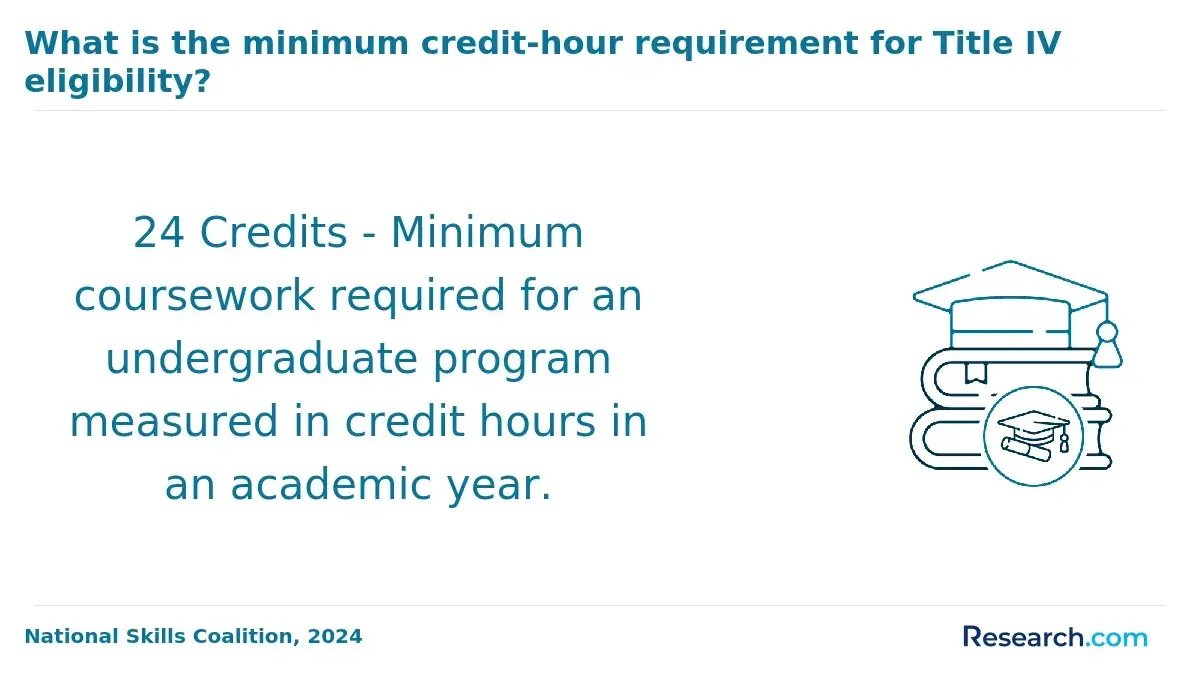
Choosing the right industry significantly impacts salary levels for sports science bachelor's degree holders, with wage variations exceeding 30% across sectors for similar roles. Exploring industries that offer lucrative pay without graduate education helps graduates strategically focus their career paths.
Below are several fields known for strong compensation and solid return on investment.
- Fitness and Wellness: This industry encompasses gyms, health clubs, and corporate wellness initiatives. Rising demand for fitness and preventive care drives salaries typically between $45,000 and $70,000 annually, rewarding practical expertise over advanced degrees.
- Sports Performance Facilities: Focused on athlete conditioning and development, these organizations pay competitively often above $55,000. The emphasis here is on applied knowledge and direct experience gained through undergraduate studies.
- Corporate Health and Ergonomics: Companies in manufacturing and technology invest in employee welfare via ergonomics and injury prevention programs. Salaries commonly range from $50,000 to $75,000, reflecting the value placed on productivity and healthcare savings.
- Sports Marketing and Management: Leveraging sports science for athlete branding and fan engagement, this sector frequently offers compensation exceeding $60,000, driven by the commercial strength of sports enterprises.
- Recreation and Outdoor Organizations: Public and private bodies promoting community health through activity provide salaries up to $55,000. Expertise in physiology and program leadership earned during the bachelor's degree supports these roles.
When asked about which industries offer high salaries without graduate school, a sports science degree graduate shared that early on, navigating job opportunities was daunting due to the variety of options. He recalled how focusing on sectors valuing hands-on experience and scientific knowledge helped narrow his search.
"It was rewarding to find roles where I could apply what I learned directly, without needing more schooling," he explained. He also noted that building relationships and proving competence in practical settings accelerated his career growth more than further academic qualifications would have. The process taught him that aligning personal strengths with industry demands is key to maximizing earnings.
Choosing entry-level roles with strong upward mobility is crucial for graduates seeking early career success in sports science. The U.S. Bureau of Labor Statistics reports that many positions related to health and fitness are expected to grow by 8% or more in the coming decade, indicating expanding opportunities.
Below are several entry-level jobs known for their potential to lead to rewarding long-term careers.
- Exercise Physiologist Assistant: This position involves supporting professionals in creating and adjusting fitness programs for individuals with chronic conditions or athletes. It provides valuable hands-on experience that often leads to roles as certified exercise physiologists or rehabilitation specialists.
- Strength and Conditioning Coach Assistant: By working alongside experienced coaches, individuals gain expertise in biomechanics and injury prevention, skills that pave the way to coaching leadership positions within sports organizations or private training centers.
- Fitness Trainer or Wellness Coach: Entry-level trainers help clients with lifestyle improvements and physical conditioning, building a foundation for advancing into management or specialized health coaching careers focused on sports rehabilitation or corporate wellness.
- Sports Data Analyst Intern: This role focuses on evaluating athlete performance and statistical data, fostering skills applicable to careers in team management, scouting, or the technology side of sports science.
- Rehabilitation Aide or Assistant: Hands-on rehabilitation work provides practical patient recovery experience, setting the stage for future roles in physical therapy or athletic training disciplines.
Those exploring top high-demand careers for sports science graduates without a graduate degree can leverage these roles to build robust career trajectories. Additionally, for related healthcare pathways, prospective students may consider FNP online programs that offer accessible advancement options.
Focusing on skill development can significantly enhance earning potential for those holding a sports science degree, even without further graduate study. Recent data shows that employees emphasizing skills can earn up to 20% more than their peers with similar credentials. Below are several essential skills that help maximize salary in this field.
- Data Analysis: Expertise in evaluating performance and physiological data enables professionals to provide insights that improve athlete outcomes. Mastering this skill makes them indispensable and justifies higher wages due to their role in optimizing training effectiveness.
- Communication: Clear and persuasive communication fosters stronger collaboration among coaches, athletes, and healthcare teams. Professionals who can convey complex information in accessible terms often receive better compensation because their input directly impacts decision-making.
- Technological Literacy: Proficiency with fitness tracking devices, biomechanics software, and rehabilitation tools streamlines assessments and enhances accuracy. This fluency with relevant technology is compensated well as it supports cutting-edge training protocols.
- Project Management: Organizing training schedules, research projects, and program execution showcases leadership skills. Those who excel in managing multiple priorities demonstrate their value through increased responsibility, which typically correlates with higher pay.
- Problem-Solving: Quickly identifying challenges and creating evidence-based solutions elevates an individual's standing within their organization. This skill drives innovation in protocols and injury prevention, translating into better financial rewards.
When I spoke with a professional holding a sports science degree, she shared how developing communication and problem-solving skills was critical early in her career. She described the challenge of translating complex data into practical advice for coaching staff, often feeling uncertain at first.
Over time, refining these abilities not only boosted her confidence but opened doors to leadership roles and salary increases. She emphasized that honing these competencies requires persistence and active learning beyond formal education, but the payoff in career growth and income was well worth the effort.
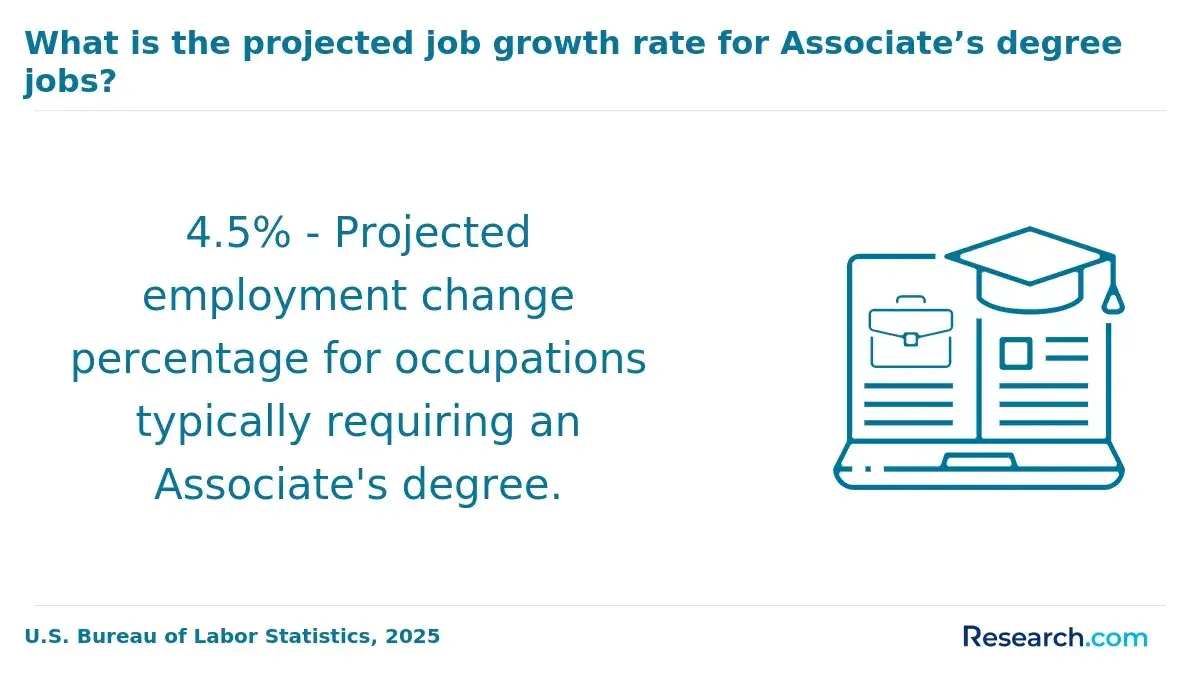
Certifications offer a practical alternative to master's degrees in sports science by providing targeted expertise that boosts professional credibility and enhances career flexibility. Studies show certified professionals can earn up to 20% more than their non-certified counterparts, reflecting the market value of these credentials.
The following certifications are widely respected and can significantly improve job prospects and salary potential.
- Certified Strength and Conditioning Specialist: This credential from the National Strength and Conditioning Association focuses on advanced training techniques to enhance athletic performance. It is especially valued for roles related to fitness coaching and rehabilitation, equipping holders with in-depth program design skills.
- Certified Exercise Physiologist: Offered by the American College of Sports Medicine, this certification validates knowledge in exercise testing and prescription for both healthy individuals and clinical populations. It is ideal for professionals working in wellness and healthcare environments.
- Certified Personal Trainer: Provided by organizations such as ACSM and NASM, this widely recognized certification certifies foundational skills in exercise planning and client interaction, often expanding opportunities in commercial fitness settings.
- Certified Athletic Trainer: Accredited by the Board of Certification, this title emphasizes injury prevention, assessment, and treatment. It's crucial for roles integrating sports science with healthcare, particularly in athletic contexts.
- Performance Enhancement Specialist: This NASM certification focuses on advanced performance improvement methods and functional movement strategies. It blends theory with hands-on application, making certified professionals more competitive in the job market.
These certifications provide specialized knowledge aligned with industry demands and can help sports science graduates advance professionally without pursuing graduate education.
Professional experience can play a significant role in career advancement within sports science, often serving as a valuable alternative to pursuing a graduate degree. Employers frequently prioritize demonstrated skills, on-the-job learning, and proven performance, especially when candidates have gained relevant experience through internships, assistant positions, or entry-level roles.
This practical knowledge allows individuals to apply theoretical concepts in real-world settings, a crucial asset in areas such as athletic training, fitness coaching, and sports performance analysis. By showcasing their capabilities through experience, candidates can sometimes bypass the need for advanced academic credentials.
However, relying solely on experience presents certain limitations. Entry to higher-level or specialized roles may be slower without specific certifications or microcredentials typically earned through graduate education. Some employers continue to value formal qualifications as evidence of comprehensive knowledge and commitment, particularly in research, clinical decision-making, or leadership positions.
Experience is most beneficial in career paths emphasizing practical application and immediate impact, such as strength and conditioning coaching or sports technician roles, while advanced degrees hold greater weight in fields like exercise physiology or clinical rehabilitation.
Many sports science professionals weigh the costs and time commitments of graduate education against its career advantages. Studies show that workers with a master's degree in health sciences or related fields can earn up to 20% more annually than those with only a bachelor's degree, emphasizing financial disparities linked to education levels.
Considering the high return sports science careers without graduate degree, it is essential to understand some limitations of sports science degree without graduate education before making a decision.
- Slower Career Advancement: Without graduate credentials, moving into mid- or senior-level roles such as exercise physiology, biomechanics, or athletic training can be more challenging. Many leadership and research positions prioritize candidates with advanced degrees, limiting upward mobility for bachelor's holders.
- Reduced Access to Specialized Roles: Graduate programs provide in-depth training and research opportunities that open doors to niche areas in sports science. Those stopping at a bachelor's degree may miss out on key certifications or competencies valued in clinical or applied settings.
- Competitive Disadvantages: Employers increasingly value expertise and research experience gained in graduate studies. Bachelor's degree holders may face tougher competition and salary gaps compared to those with advanced degrees.
- Networking Limitations: Graduate education often fosters connections with mentors, internships, and professional collaborations that support career growth. Bachelor's graduates must often invest extra effort to build similar networks independently.
- Licensing and Certification Barriers: Certain roles, especially in athletic training or clinical exercise physiology, require graduate-level credentials or certifications. For example, pursuing positions related to certified professional coder (CPC) roles might demand specific credentials beyond a bachelor's degree, impacting career flexibility and earning potential.
Return on investment (ROI) in education weighs the cost and time invested in earning a degree against the career benefits it brings, including salary and job stability. For a bachelor's degree in Sports Science, early-career salaries typically range from $40,000 to $55,000, depending on the industry and location, indicating room to improve financial outcomes.
To increase ROI with a Sports Science degree, consider the following key strategies.
- Specialize in High-Demand Fields: Focus your studies on in-demand areas such as exercise physiology, sports analytics, or rehabilitation sciences. These specialties align with growing markets and generally offer higher salaries, directly boosting long-term return on investment with a Sports Science degree.
- Gain Practical Experience: Internships and cooperative education during your bachelor's program create valuable professional connections and help you develop sought-after skills. Engaging in real-world scenarios enhances your employability and allows you to command better compensation early on.
- Network Strategically: Join professional Sports Science associations and attend industry events to access job leads, mentorship, and career insights. This proactive networking is among the best career advancement strategies for sports science graduates and can open doors without further schooling.
- Combine Skills with Business or Technology: Pursue roles that intersect Sports Science with management, marketing, or technology, such as data analysis for athlete performance. This combination often leads to improved job prospects and salary growth.
- Develop Early-Career Soft and Technical Skills: Emphasize communication, project management, and technical proficiency in your first few years. These skills accelerate promotions and significantly enhance lifetime earnings, making them critical for maximizing ROI.
For those exploring diverse health career options, online rad tech programs offer affordable pathways worth considering alongside Sports Science. To learn more about these alternatives, visit online rad tech programs.
Deciding if graduate school is the right choice for sports science careers hinges on specific professional goals, industry demands, and weighing the return on investment. Data shows that earning a master's degree in related health and science fields can lead to about 20% higher lifetime earnings compared to only holding a bachelor's degree. However, advanced education requires more time and money, so it's vital to assess how it impacts job opportunities and career growth.
Graduate education becomes particularly worthwhile when aiming for specialized clinical roles, leadership positions, or careers that require state licensure or certifications. It also offers distinct advantages for those pursuing research or academic careers in Sports Science, where advanced analytical skills are essential.
For prospective students exploring alternatives, there are well-paying jobs like athletic or personal training that rely more on certifications and experience than graduate degrees. For a focused option on advanced nursing degrees with solid returns, consider MSN programs online.
What Graduates Say About Sports Science Degree Careers That Offer the Best Return Without Graduate School
- Westin: "Choosing not to pursue a graduate degree in sports science was a defining moment for my career. I focused instead on gaining hands-on experience through internships and certifications, which proved invaluable. The practical skills I developed allowed me to quickly advance into a coaching role where theoretical knowledge alone wouldn't have sufficed."
- Peter: "Reflecting on my journey, I realized that maximizing my sports science degree meant continually learning outside the classroom. I took specialized workshops and networked aggressively, which opened doors to roles in athletic performance and rehab without graduate school. This approach gave me a competitive edge and helped me build a fulfilling career."
- Andrew: "My sports science degree was crucial in launching my career in fitness consultancy, and I decided against graduate school to jump straight into the workforce. The degree gave me a solid foundation to understand biomechanics and nutrition, which clients value highly. Staying proactive about certifications and client needs has truly made all the difference professionally."
Other Things You Should Know About Sports Science Degrees
Yes, hands-on experience is highly valuable in sports science careers that do not require graduate education. Employers often prioritize candidates who demonstrate proven skills through internships, certifications, or work in fitness centers and athletic teams. Practical experience helps build credibility and enhances employability in applied settings.
Yes. Many employers prefer or require certification for entry-level roles, especially from the National Strength and Conditioning Association, the American College of Sports Medicine, or the Board of Certification for Athletic Trainers. Common credentials include CSCS, CPT, and, for athletic training, state licensure or ATC certification.
Yes, sports science graduates can find opportunities in related sectors such as corporate wellness, physical therapy support, and community health programs. These industries value knowledge of human movement, physiology, and exercise programming. Many positions focus on improving health outcomes and promoting active lifestyles without requiring graduate degrees.
- Graduating from your Sports Science degree: Cliff edge or a bridge to cross? - Supporting Champions https://www.supportingchampions.co.uk/graduating-cliff-or-bridge/
- The Current State of the Sport Science Field and Careers – Integration, Data, and Professional Pathways https://www.nsca.com/education/articles/nsca-coach/sport-science-field-and-careers/
- Sports Science Certifications https://www.scienceforsport.com/certifications/waitlist/
- What Jobs Can You Get with A Sports Science Degree? | learndirect https://www.learndirect.com/blog/what-jobs-can-you-get-with-a-sports-science-degree
- What Can You Do with a Sports Science Degree? https://www.stonebridge.uk.com/blog/sports-and-fitness/what-can-you-do-with-a-sports-science-degree/
- Sports Science Jobs 2026 | Sports Scientist Careers & Salary https://sportsprojobs.net/sports-science-jobs/
- Artwork of a gum leaf symbolising ‘welcome’ and acknowledging diverse countries, environments, communities, cultures, beliefs, and history. https://www.seek.com.au/sport-science-graduate-jobs
- 8 Rewarding Careers for Aspiring Exercise and Sport Scientists https://www.sacredheart.edu/news-room/news-listing/8-rewarding-careers-for-aspiring-exercise-and-sport-scientists/