2027 Which Employers Hire Sports Science Degree Graduates? Industries, Roles, and Hiring Patterns

Co-Founder and Chief Data Scientist
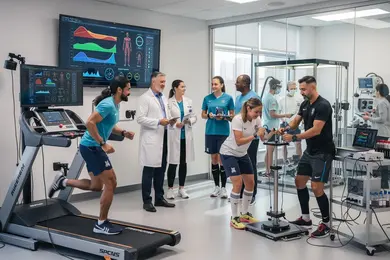
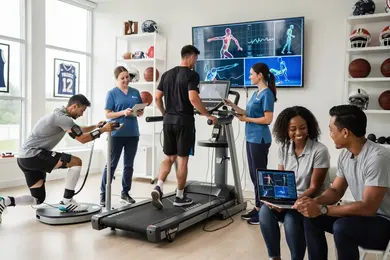
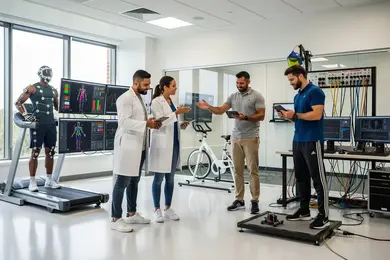
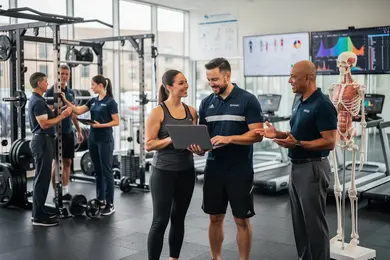
Determining which employers actively hire sports science degree graduates remains a critical challenge-especially for those navigating a competitive labor market. Nearly 42% of sports science graduates find employment within health and fitness clubs, indicating a strong industry preference that often goes unnoticed by job seekers. This concentration highlights the necessity of understanding hiring patterns across diverse sectors such as healthcare, education, professional sports, and research institutions. This article examines the industries and roles that most frequently recruit sports science graduates-equipping readers with data-driven insights to align their career strategies with real-world employer demands and optimize their professional pathways.
Key Things to Know About the Employers That Hire Sports Science Degree Graduates
- Sports science graduates commonly find roles within healthcare, professional sports organizations, and academia-industries that demand expertise in physiology, biomechanics, and injury prevention.
- Entry-level positions often include fitness coaching and rehabilitation assistance, while mid-career roles shift towards research, program management, and sports performance analysis.
- Hiring patterns reflect regional hotspots-such as metropolitan areas with major sports teams-and favor candidates with specialization in data analytics and applied exercise science.
Which Industries Hire the Most Sports Science Degree Graduates?
Identifying which industries hire the most sports science degree graduates in the United States is vital for aligning academic pathways with actual career trajectories. Analysis drawing from Bureau of Labor Statistics (BLS) Occupational Employment and Wage Statistics, National Center for Education Statistics (NCES) graduate outcomes data, and LinkedIn Workforce Insights highlights key sectors by volume of sports science graduate employment-providing a clear lens on where demand is strongest.
- Healthcare: This sector employs the largest share of graduates-particularly those focused on rehabilitation, physical therapy, and exercise physiology. Sports science here functions as a core operational element of patient care, injury prevention, and recovery within hospitals, clinics, and rehab centers.
- Fitness and Wellness: Many graduates enter roles such as personal trainers, fitness instructors, and wellness coaches. The industry blends core and support functions, delivering direct client services and developing corporate wellness programs.
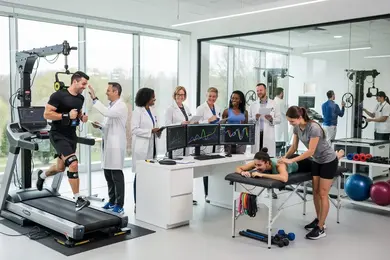
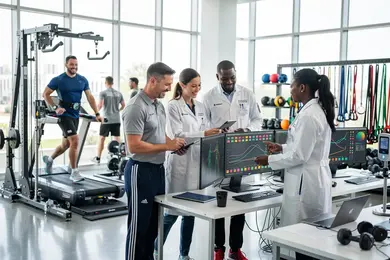
- Collegiate and Professional Sports: Universities and sports teams hire graduates as strength and conditioning coaches, sports psychologists, and performance analysts. Sports science is central to athlete performance optimization and injury management in this sector.
- Public and Community Health: Government agencies and nonprofit groups employ sports science graduates primarily in supportive roles-leading public health campaigns, youth sports initiatives, and physical activity programs aligned with broader health goals.
- Research and Academia: Advanced-degree holders find opportunities at universities and research institutes studying physiology, biomechanics, and sports nutrition. This sector demands specialized knowledge and represents a critical path for those pursuing graduate education.
- Corporate and Occupational Health: Some graduates secure roles managing employee wellness and ergonomic programs-applying sports science as a strategic support function to enhance workplace health.
- Sports Equipment and Apparel Companies: Manufacturers and retailers engage graduates for product development, testing, and marketing analysis to better align gear with athletic needs.
Industry hiring concentration varies by degree level and specialization-associate degree holders commonly enter fitness and wellness fields, while bachelor's and graduate degree recipients tend toward healthcare, research, and elite sports. This nuanced employment ecosystem shapes how students and career changers alike can navigate program choices and labor markets.
Those exploring transfer pathways or graduate investments may also explore complementary credentials, such as RN to BSN online programs, to broaden healthcare opportunities aligned with sports science expertise.
What Entry-Level Roles Do Sports Science Degree Graduates Typically Fill?
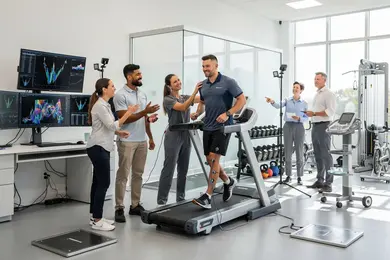
Fitness Specialist: Entry-level fitness specialists design and implement exercise programs that improve physical health and athletic performance.
- Core responsibilities include conducting fitness assessments, guiding clients through workouts, and monitoring progress.
- They typically report to fitness managers or senior trainers within gyms, wellness centers, or corporate wellness programs.
- Competencies in anatomy, exercise physiology, and training principles enable them to tailor programs safely and effectively for diverse populations.
- Primary duties involve diagnostic testing, developing rehabilitation and conditioning protocols, and collaborating with healthcare providers.
- They usually work under medical directors or lead clinicians in hospitals, rehabilitation clinics, or sports medicine practices.
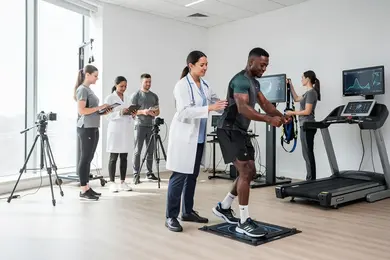
- Expertise in physiology, biomechanics, and health screening is crucial in clinical settings where evidence-based interventions matter.
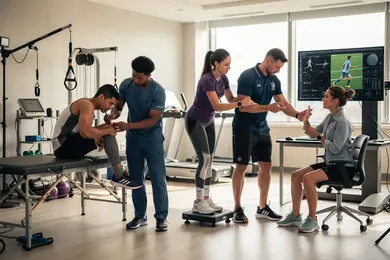
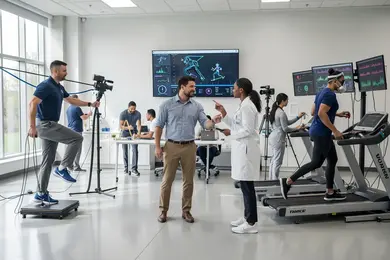
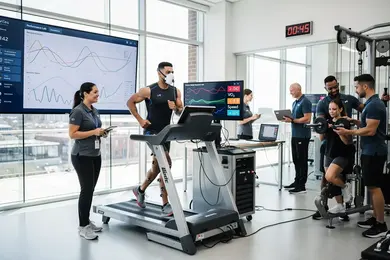
- Responsibilities include collecting quantitative performance metrics using technology and video analysis.
- They often report to coaching staff or performance directors within professional sports teams or collegiate programs.
- Skills in data analysis, biomechanics, and sports technology help generate insights that directly impact athletic outcomes.
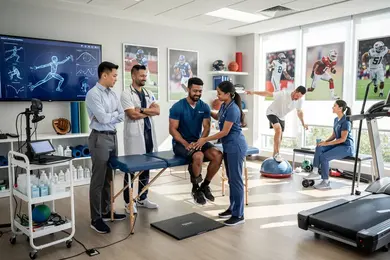
- They implement rehabilitation plans, maintain equipment, and document progress for patients recovering from injury.
- Typically reporting to licensed therapists, they work in clinical or sports environments.
- Understanding injury mechanisms and therapeutic exercise principles helps bridge patient care with clinical oversight.
- Tasks include planning events, coordinating volunteers, and assessing program outcomes.
- Program coordinators typically report to department managers or directors.
- Competencies in exercise science combined with organizational and communication skills enable them to promote physical activity initiatives successfully.
Entry-level sports science jobs in the UK and elsewhere demonstrate variation by industry sector-the same set of sports science competencies might lead one graduate to a coordinator role in a nonprofit, another to an analyst role in financial services, and yet another to an associate consultant role in management consulting. Graduates should thoughtfully map target entry-level titles against their academic concentration, internship experience, and portfolio to identify the roles they can best compete for at graduation.
For those considering advanced study, pursuing the best DNP programs can complement a sports science background and expand career options in clinical and rehabilitation settings.
What Are the Highest-Paying Employer Types for Sports Science Degree Graduates?
Among employer types offering top compensation for sports science graduates, privately held companies often lead due to their high revenue per employee and targeted business models. These organizations-commonly within health, fitness technology, or specialized sports performance-can deliver competitive starting salaries and flexible pay structures linked to innovation-focused roles. Investment-backed technology firms specializing in wearable devices, biometric analytics, or health applications also present strong financial incentives. Fueled by venture capital, they combine higher base salaries with equity opportunities, rewarding technical expertise and rapid growth potential.
Financial services and professional services consultancies, though less conventional destinations for sports science professionals, frequently provide premium wages. These firms apply sports science knowledge toward workplace wellness or health optimization programs and often include bonuses or profit sharing as part of total compensation. In contrast, government agencies and nonprofit organizations typically offer lower direct pay due to budget limits and public accountability but compensate with job security, retirement benefits, and health coverage that enhance long-term financial stability.
The divergence in compensation largely reflects each sector's revenue model and growth priorities. Private and venture-backed entities prioritize attracting top talent with incentives, while public and nonprofit employers emphasize sustainability and social mission-often at the expense of higher salaries. It's important to factor in total compensation-which may include bonuses, equity, retirement contributions, and benefits-when comparing offers. A high starting salary at an employer with limited career growth or poor workplace culture might yield worse financial outcomes over time than more modest entry pay paired with advancement opportunities.
When I spoke with a professional who graduated with a sports science degree and navigated multiple sectors, he highlighted the daunting balance between salary and long-term growth. "Initially, I was drawn to a tech startup because of the high base pay," he recalled, "but after a year, limited advancement and unpredictable work hours made me reconsider. Moving to a consultancy with slightly lower pay but clearer promotion paths and excellent mentoring turned out to be the better financial and personal decision. It was tough to weigh initial numbers against future prospects, but that shift was key to building a sustainable career."
Data from the U.S. Census Bureau's Statistics of U.S. Businesses, BLS Quarterly Census of Employment and Wages, and NACE hiring intention surveys show varied employer sizes dominate hiring for sports science graduates. Large corporations—such as Fortune 500 companies and mid-market firms—often attract these graduates with roles in corporate wellness, sports equipment production, and research sectors within major health organizations. These employers provide structured onboarding, formalized training, and clear advancement pathways, while the brand reputation can bolster career momentum. However, positions tend to be more specialized, limiting early-career exposure to multiple operational areas—similar to how structured pathways are emphasized in fields like easy nursing programs.
Small businesses and startups, including boutique fitness centers and niche sports technology firms, offer a different experience. These employers usually allow broader responsibilities and faster promotions, fostering rapid skill growth through hands-on, cross-disciplinary tasks. Career development here is less linear but often more dynamic and exploratory.
Nonprofit and community organizations are significant employers, especially for graduates focused on youth sports, community health initiatives, or adaptive physical activity programs. These roles emphasize mission-driven work over hierarchical progress, appealing to professionals prioritizing social impact.
The alignment between sports science specializations and employer size matters—large enterprises support advanced research functions, while small firms better suit coaching, personal training, or localized rehabilitation specialties. Employer size should be considered alongside industry sector, organizational mission, geographic reach, and growth potential to find the best overall career fit.
Federal, state, and local government agencies maintain structured hiring pathways for sports science degree graduates, focusing on wellness programs, rehabilitation, fitness assessments, and public health initiatives. Major employers include the Department of Veterans Affairs, Department of Health and Human Services, National Institutes of Health, and various state health departments.
Government hiring operates under the General Schedule (GS) system, where positions are assigned grades-typically GS-5 to GS-7 for entry-level roles-based on education, experience, and job duties. A bachelor's degree in sports science or a related field is the minimum credential; advanced degrees or certifications can enhance initial grade placement and pay.
The public sector hiring process differs from private recruitment through its division into competitive service-open to all applicants and listed on USAJobs-and excepted service, which includes specialized fellowships and streamlined internships. Some positions, especially in defense or sensitive areas, require security clearances, although most sports science roles do not.
Jobs in government offer considerable stability, defined-benefit retirement plans, and comprehensive health care. These benefits often come with slower wage growth and more rigid promotion schedules compared to the private sector, compelling candidates to balance job security against potential salary progression.
- Agencies Employing Graduates: Department of Veterans Affairs, HHS, NIH, state and local health and recreation agencies
- Credential Standards: Bachelor's degree required; graduate degrees and certifications improve GS level and pay
- Hiring Framework: Competitive service via USAJobs; excepted service fellowships and internships for specialized entry
- GS Classification: Entry mostly at GS-5 to GS-7; advancement tied to education, experience, and agency rules
- Security Requirements: Mostly not needed except for select sensitive roles
- Employment Benefits: Strong job security, pensions, health coverage; slower salary and promotion pace
- Career Pathways: VA fellowship programs; NIH internships and research assistantships; public health trainee tracks
A professional who built her career after earning a sports science degree shared that navigating federal hiring was initially challenging-"The USAJobs application felt overwhelming with its detailed KSAs and lengthy timing," she recalled. However, participating in a VA fellowship helped bridge academic knowledge and practical experience, making the transition smoother. She valued how the structured nature of government roles provided clarity and long-term security, though she noted, "Patience is key-promotions and pay rises don't happen overnight." Her experience highlights how persistence and targeted program participation can open solid public sector doors for sports science graduates.
Graduates with a sports science degree frequently contribute their expertise within nonprofit and mission-driven organizations focused on community health, inclusive athletics, and youth development. Workforce data from the National Council of Nonprofits and the Bureau of Labor Statistics highlights their roles in public health promotion, adaptive sports, physical education advocacy, and wellness programs targeting underserved groups.
- Program Areas: Initiatives promoting physical activity, adaptive sports for individuals with disabilities, youth sports outreach, and rehabilitation services.
- Organizational Types: Community recreation centers, youth-oriented nonprofits, health advocacy groups, and entities working to improve equitable sport and fitness access.
- Functional Roles: Coordinators managing sports-related projects, outreach professionals engaging diverse populations, and fitness educators supporting inclusive exercise programs.
Compared to roles in the private sector, nonprofit positions often demand broader skill sets-ranging from grant writing to volunteer management and community collaboration-beyond core sports science knowledge. This versatility can accelerate professional growth and leadership development but often comes with compensation that falls below market rates, especially in early and mid-career stages.
- Title Variation: Job titles like "Program Manager" or "Community Wellness Coordinator" replace more specialized corporate designations such as "Exercise Physiologist".
- Compensation: Salaries tend to start lower than private sector benchmarks; however, Public Service Loan Forgiveness (PSLF) programs may mitigate financial trade-offs.
- Organizational Culture: Emphasis on teamwork, mission-driven impact, and flexible responsibilities contrasts with the hierarchical and specialized structures common in private firms.
The rise of mission-driven for-profit organizations-including certified B Corps, benefit corporations, social enterprises, and impact startups-creates an alternative employment path. These entities combine purpose with profit, offering sports science graduates opportunities to maximize social impact while generally providing higher pay than traditional nonprofits.
- Emerging Sector Opportunities: Startups and enterprises innovating in sports technology, wellness, and community health.
- Skill Application: Roles converging research, program development, and business strategy to expand social outcomes.
- Trade-Off Assessment: Professionals weigh nonprofit's lower pay balanced by loan forgiveness and mission alignment against better compensation yet potentially less direct social influence in private or mission-driven for-profit sectors.
The healthcare sector represents a robust employer network for sports science degree graduates, leveraging their specialized skills across diverse organizations such as hospital systems, insurance carriers, pharmaceutical companies, public health agencies, and health tech startups. These entities increasingly seek professionals capable of integrating exercise science expertise with data-driven health innovations.
- Competency Intersections: Graduates often bring valuable skills in data analysis, operations management, behavioral science, financial oversight, communications, and policy research. For instance, proficiency in physiological data analytics supports roles in patient monitoring and health informatics, while communication skills enable collaboration with interdisciplinary teams. Understanding policy research aids work in public health and wellness initiatives.
- Functional Roles: Common positions include clinical exercise specialists, rehabilitation coordinators, health coaches, research assistants, and wellness program managers. These roles require applying exercise physiology, biomechanics, and nutrition principles to improve patient outcomes and optimize organizational efficiency.
- Regulatory and Credentialing Requirements: Many roles demand additional licensure or certification beyond a sports science degree-such as Certified Strength and Conditioning Specialist (CSCS), Registered Clinical Exercise Physiologist (RCEP), or health coaching credentials. Familiarity with healthcare privacy laws and accreditation standards is critical for compliance and employability.
- Employment Stability and Growth: Healthcare remains a stable sector, resilient to economic downturns, with notable growth in health tech startups and public health agencies driven by rising demand for preventative care and digital solutions. Hospital systems, particularly in urban and suburban metro areas with advanced medical centers, maintain steady demand for rehabilitation and therapy services.
Technology companies offer diverse opportunities for sports science degree graduates, reflecting a dynamic employment landscape influenced by evolving sector demands and corporate hiring strategies. The landscape distinguishes between two primary career pathways: working within core tech companies where sports science expertise directly shapes technology development and innovation, and embedding within the technology functions of non-tech firms. In the latter, sports science professionals facilitate digital transformation and technology adoption across industries like healthcare, manufacturing, and retail. These distinctions align closely with data from LinkedIn Talent Insights and BLS technology sector employment statistics, emphasizing how sports science competencies intersect with technology company demand in product development, operations, marketing, and research roles.
Top technology sectors hiring sports science graduates in the United States often include:
- Health Tech: Leading demand exists where wearable technologies, biometric monitoring, and fitness tracking meet software development and data analytics. Graduates contribute to user experience research and clinical data interpretation supporting AI-driven health applications.
- Product and Operations Roles: Companies specializing in sports performance analytics, virtual coaching, and rehabilitation software hire sports science graduates for product management and quality assurance roles that maximize discipline-specific insights.
- Marketing and User Engagement: Digital health and fitness firms leverage sports science expertise to craft compelling user engagement strategies, essential for customer acquisition and retention on mobile and web platforms.
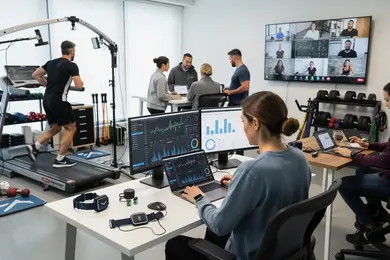
- Research and Development: Interdisciplinary teams in AI-adjacent sectors employ sports science graduates to validate physiological models, contribute to algorithm datasets, and enhance human-machine interface innovations through biomechanical understanding.
- Technology Adoption in Non-Tech Firms: Graduates support IT governance, system integration, and staff training on digital platforms within sectors such as professional sports and rehabilitation centers, bridging technology with organizational goals.
- Shifts in Hiring Patterns: The move toward skills-based hiring and remote work has increased opportunities for graduates lacking traditional computer science credentials. Portfolios featuring coding certificates, data visualization projects, and cross-disciplinary collaborations strengthen entry points into technology environments.
- Geographic and Sectoral Trends: Urban tech hubs-Boston, San Francisco, and Berlin-drive recruitment, with sectors like climate tech and edtech also integrating sports science insights for human performance optimization and digital wellness education.
The technology companies recruiting sports science degree holders for innovation roles benefit from their unique expertise across domains. For students considering further specialization or interdisciplinary degrees, programs like the nutrition masters degree can complement sports science competencies and expand interdisciplinary appeal in tech sectors.
Mid-career roles for sports science graduates in the US typically develop between five and ten years into their careers, influenced by experience, additional credentials, and the industry where they started. According to Bureau of Labor Statistics data and LinkedIn career progression analytics, common job titles move beyond entry-level positions like fitness instructor or research assistant toward specialized or managerial roles-reflecting the evolving sports science mid-career job opportunities in the US.
Key advancement paths include:
- Functional Leadership: Roles such as strength and conditioning coach, rehabilitation manager, or wellness program director become common. These positions require leadership abilities, staff oversight, and coordination of programs.
- Specialization: Many graduates enhance their expertise with certifications like Certified Strength and Conditioning Specialist (CSCS) or pursue graduate studies-such as a masters degree in healthcare management or kinesiology-leading to roles like clinical exercise physiologists, sport biomechanists, or performance analysts.
- Research and Academia: Those aiming for an academic track often become lead researchers, lab directors, or university lecturers. Achieving these roles typically requires a PhD and a strong publication record.
- Industry Variation: Graduates entering large corporations or healthcare systems tend to follow structured promotion paths into middle management, project leadership, or clinical coordination. In contrast, those starting in startups or small businesses usually advance laterally, developing diverse skills and sometimes pursuing entrepreneurial ventures-making career planning and networking vital.
- Skill Development: Growth in areas like data analytics, biomechanics software, client communication, and grant writing is frequent. Ongoing education and professional memberships help maintain competitiveness for mid-level roles.
This landscape illustrates typical mid-career job opportunities and common mid-level roles for sports science degree holders, emphasizing leadership, specialization, and strategic credentialing as key to career progression.
Job opportunities and salaries for sports science graduates vary greatly by location, shaped by the concentration of industries and institutions in each area. Major metropolitan hubs like Boston, Los Angeles, and Denver are top destinations for degree holders, fueled by strong university programs and clusters of professional sports teams, elite fitness centers, and government health agencies. These regions offer the highest volume of positions and competitive wages thanks to well-established sports medicine and sports technology sectors.
Mid-sized markets such as Raleigh and Salt Lake City provide more specialized and growing roles, often favoring candidates with certificates or targeted practical training over traditional degrees. Smaller cities and rural locations generally have fewer openings and prioritize flexibility-whether in credentials or remote work options-to adapt to limited local opportunities.
- Hiring Volume: The Boston-Cambridge and New York metropolitan areas lead nationally for hiring sports science graduates, supported by numerous universities and healthcare systems.
- Compensation: Salaries peak in Denver and San Francisco due to advanced sports technology companies and research clusters focused on performance enhancement.
- Remote Work Impact: Since 2020, remote and hybrid roles have grown, opening niche high-paying jobs for candidates outside major hubs but increasing nationwide competition.
- Career Strategy: Graduates willing to relocate benefit from quicker employment and higher salary growth, while those tied to specific areas should align with local university research or regional sports organizations to maximize job chances.
- Recent Trend: LinkedIn data from 2023 reveals a 15% annual increase in remote sports science job postings, signaling ongoing shifts in employer hiring practices post-pandemic.
Completion of internships strongly influences hiring outcomes for sports science graduates-elevating job offer rates, starting salaries, and reducing time-to-employment, according to the NACE Internship and Co-op Survey alongside multiple employer studies. Practical experience gained through internships accelerates transition into industry roles by showcasing relevant skills and familiarity with workplace culture.
- Quality: Internships at reputable organizations within sports science industries significantly boost both immediate job placement and long-term career growth. Such experiences act as career credentials that signal professionalism, cultural alignment, and sector-specific expertise-enhancing the value of the degree well beyond graduation.
- Access: Internship opportunities remain unevenly distributed. Students from economically disadvantaged backgrounds often struggle with unpaid positions; those attending less connected institutions or residing in regions with limited local offerings face additional hurdles that may delay or restrict early career success.
- Strategies: Emerging solutions include virtual internships that overcome geographic limitations, cooperative education models integrating paid work and academic credit, and employer diversity initiatives improving representation in recruiting. These approaches strive to create a more equitable playing field.
- Advice: Students should prioritize internship searches early-beginning as soon as sophomore or junior year-while targeting organizations aligned with career goals. Leveraging university career centers, tapping into alumni networks, and engaging faculty mentors can uncover high-impact placements and hidden opportunities.
- Trend: Recent data reveal that up to 75% of sports science graduates who completed internships receive job offers within three months of graduation, outperforming peers without such experience by a wide margin.
What Graduates Say About the Employers That Hire Sports Science Degree Graduates
- Westin: "Graduating with a sports science degree opened my eyes to the variety of industries that eagerly welcome our skill set-ranging from elite sports teams to healthcare and wellness companies. I've noticed that many employers prefer candidates with hands-on experience in physiological testing and rehabilitation roles, making internships crucial. Interestingly, the hiring market is geographically diverse, with opportunities especially abundant in urban centers that prioritize professional sports and advanced medical research."
- Peter: "Reflecting on my journey after completing sports science, I've come to appreciate how public health organizations and community sports programs often seek graduates who can blend scientific knowledge with practical coaching skills. The roles tend to emphasize both direct athlete support and broader health promotion, and employers value adaptability highly. While the industry hubs tend to be well-known cities, I've seen steady growth in smaller regions too-especially where sports development initiatives are expanding."
- Andrew: "From a professional standpoint, employers hiring sports science graduates often fall into three main categories: professional sports franchises, rehabilitation clinics, and research institutions. The demand for specialists in sports biomechanics and injury prevention stands out-highlighting niche roles within larger organizations. Moreover, hiring patterns suggest a seasonal surge aligned with sports calendars, and geographic markets favor regions with prominent sports cultures and funding for athlete performance."
Other Things You Should Know About Sports Science Degrees
Employers in sports science value portfolios that showcase practical experience-such as internships, research projects, and certifications in areas like personal training or sports therapy. Extracurricular activities demonstrating leadership, teamwork, and applied skills in sports environments strengthen a candidate's profile. A well-rounded portfolio that includes data analysis, case studies, or presentations of athlete assessments can set candidates apart in hiring processes.
Yes. Employers in strength and conditioning, rehabilitation, and exercise testing often prefer ACSM, NSCA-CSCS, or NASM credentials alongside the degree. Clinical or allied health roles may also require CPR/AED certification and, for some jobs, supervised placement hours or state-specific licensure.
Diversity, equity, and inclusion (DEI) initiatives are increasingly influencing hiring within the sports science sector. Employers are actively seeking candidates from diverse backgrounds to promote equity in sports programs and research. DEI efforts have expanded opportunities for underrepresented groups and encourage inclusive practices in sports science roles, improving workplace culture and broadening the range of perspectives in the industry.
- 6+ Top Exercise Science Jobs: Highest Paying Options https://cms.irsapei.ca/highest-paying-jobs-with-exercise-science-degree/
- The Current State of the Sport Science Field and Careers – Integration, Data, and Professional Pathways https://www.nsca.com/education/articles/nsca-coach/sport-science-field-and-careers/
- 6+ Top Exercise Science Jobs: Highest Paying Options https://journals.fugusau.edu.ng/highest-paying-jobs-with-exercise-science-degree/
- Find your next move in sport https://hub.globalsportsjobs.com/jobs-sport-science-and-elite-performance
- 8 Rewarding Careers for Aspiring Exercise and Sport Scientists https://www.sacredheart.edu/news-room/news-listing/8-rewarding-careers-for-aspiring-exercise-and-sport-scientists/
- The Ultimate Guide to Getting Work Experience in Sports Science - Supporting Champions https://www.supportingchampions.co.uk/the-ultimate-guide-to-getting-work-experience-in-sports-science/
- ESSA's career guide for Accredited Sports Scientists and Accredited High Performance Managers https://www.essa.org.au/Web/Web/Resources/Tools-and-templates/career-guide-asps-ahpm.aspx
- Who Hires Sports Science Graduates? https://blog.portobelloinstitute.com/who-hires-sports-science-graduates
- What can I do with a sports science degree? | TEG London https://www.teg.london/what-can-i-do-with-a-sports-science-degree/
- What Jobs Can You Do With Sports Science? | Oxford College https://www.oxfordcollege.ac/news/what-jobs-can-you-do-with-sports-science/